Introduction to EgyptAir’s fleet modernization
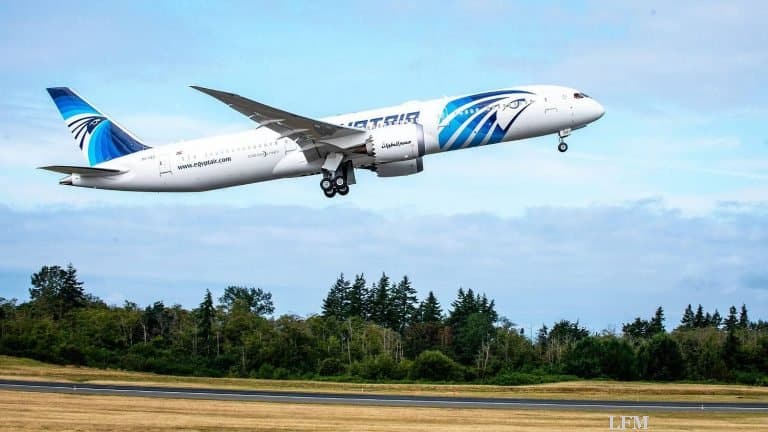
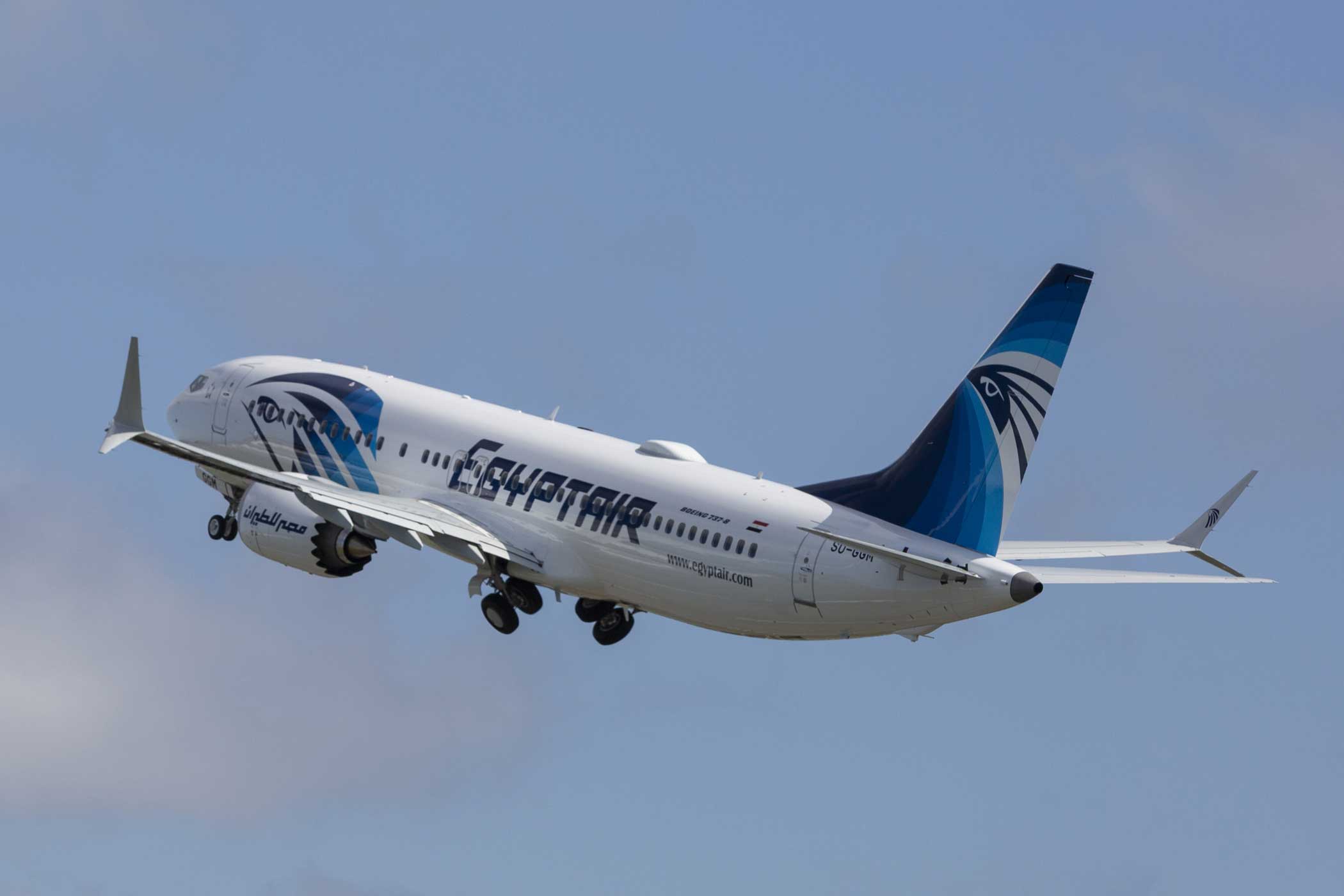
EgyptAir has taken a significant step in its fleet modernization with the delivery of its first Boeing 737 MAX aircraft. This event marks the beginning of a new era in the history of the Egyptian national airline, reaffirming its commitment to efficiency, sustainability, and passenger satisfaction. The integration of the new 737-8 type represents a technological milestone, aligned with environmental goals and the pursuit of a modern, high-performance fleet.
The modernization is part of a broader plan to position EgyptAir as a leading airline in Africa and beyond. Integrating the 737 MAX into the existing fleet offers advantages in terms of operating costs, fuel consumption, and emissions reduction, contributing to improved profitability and environmental sustainability. Passengers will also benefit from an enhanced flight experience, further enhanced by the innovative Boeing Sky Interior design.
Advantages of the Boeing 737 MAX for EgyptAir
The Boeing 737 MAX is an evolution of the popular Next-Generation 737 series, which has been part of the EgyptAir fleet for many years. This model boasts a range of technological innovations that not only increase operational efficiency but also significantly contribute to reducing environmental impact. With a reduction in fuel consumption and CO2 emissions of approximately 20 percent, the aircraft offers a pioneering solution for sustainable aviation.
A key aspect is the 737 MAX’s compatibility with existing 737 Next-Generation aircraft, which optimizes training and maintenance. Its suitability for short- and medium-haul flights to destinations such as Paris, Brussels, Istanbul, and Vienna makes the aircraft particularly flexible and contributes to optimized route planning. Furthermore, state-of-the-art technical features enhance maintainability, resulting in higher availability and reduced downtime.
Passengers also benefit from a significantly improved cabin environment: The Boeing Sky Interior offers larger windows, atmospheric LED lighting, and more spacious overhead bins. These amenities contribute to a more pleasant flight experience and help EgyptAir optimize its customer service.
Strategic importance for EgyptAir and African air transport
With this investment, EgyptAir reaffirms its role as one of the largest and longest-serving operators of the Boeing 737 family in Africa. The long-term partnership with Boeing, which began in 1975, will be further intensified and expanded with the addition of the 737 MAX. This fleet modernization represents a clear commitment to competitiveness and sustainability in the highly competitive aviation market.
Furthermore, cooperation with leasing companies like SMBC Aviation Capital helps EgyptAir to efficiently integrate modern aircraft into its fleet and maintain financial flexibility. This is particularly important given the current economic challenges and the growing demand for sustainable air transport solutions.
Modernization also contributes to Egypt’s economic development by strengthening ties with global economic centers and promoting the tourism sector. Furthermore, EgyptAir’s focus on modern technology and environmental sustainability demonstrates its commitment to responsible business practices.
Technological innovations and future prospects
The Boeing 737 MAX exemplifies technological progress in civil aviation. In addition to more efficient engines and improved aerodynamic design, the aircraft boasts advanced cabin features that enhance passenger satisfaction. The lighting design and spatial atmosphere have been specifically tailored to ergonomic and psychological needs, making longer flights more comfortable.
The introduction of the 737 MAX is also an important step towards sustainability. With reduced emissions and lower fuel consumption, this aircraft model makes a significant contribution to achieving the aviation industry’s climate goals. EgyptAir is setting a benchmark for other airlines in the region with this decision and demonstrating the potential of modern aircraft technology in the context of environmental protection.
In addition, the airline is positioning itself for the future by integrating further modern aircraft such as the Boeing 777 and 787 Dreamliner, thus maintaining a diverse portfolio of aircraft types. This allows for flexible adaptation to market needs and different route profiles. The strategic focus on efficiency and quality ensures EgyptAir’s long-term competitiveness.
Conclusion
The delivery of the first Boeing 737 MAX to EgyptAir is far more than just a fleet upgrade – it symbolizes a further development towards a more sustainable, customer-focused, and technologically advanced air travel industry. This commitment to more environmentally friendly aircraft reflects the growing importance of ecological considerations in aviation and sets new standards for the industry on the African continent.
By combining modern technology, improved efficiency, and enhanced passenger satisfaction, EgyptAir is laying the foundation for further growth and a stronger position in the international market. Close collaboration with Boeing and partners ensures the successful implementation of its ambitious fleet and expansion plans.
Overall, the introduction of the 737 MAX clearly demonstrates how tradition and innovation can be combined to meet the demands of modern aviation. EgyptAir shows how a national airline with a clear focus on quality and sustainability can expand its market position while simultaneously making a significant contribution to economic and environmental progress.
Mehr zu EgyptAir