Commitment to Social Responsibility at Frankfurt Airport
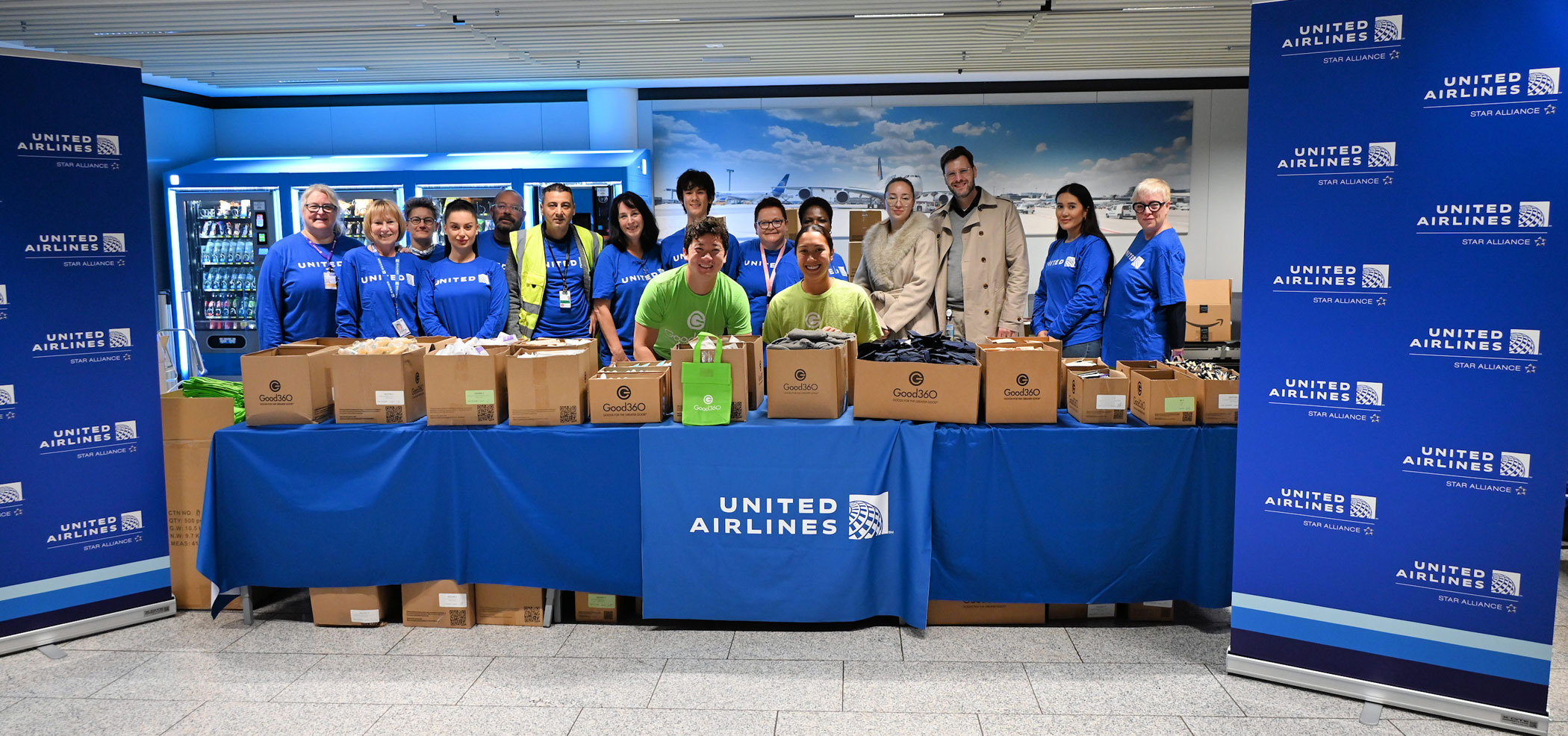
The United Airlines team at Frankfurt Airport has provided an impressive example of a commitment to sustainability. As part of an extensive initiative, they packed 3,000 bags containing various hygiene and personal care items. These donated goods are to be distributed to individuals living in precarious circumstances through charitable organizations. This effort not only offers an efficient way to make meaningful use of surplus products, but also raises awareness – among both those involved and the general public – regarding social responsibility and sustainability.
The materials came from amenity kits provided to business-class passengers on long-haul flights – items that often remain unused. Repackaging these goods into portable bags made it easy to distribute them directly to those in need in the Frankfurt area. The initiative also offered an opportunity to encourage airport passersby to get involved, allowing the project to benefit from the additional support of volunteers.
Beyond the actual packing process, special emphasis was placed on a personal touch: a handwritten card containing encouraging messages was tucked into every bag. This detail underscores the appreciation felt for the recipients and lends the bags an individual character – one that highlights human connection and compassion.
Collaboration and sustainable partnerships
Die Umsetzung dieser Aktion erfolgt im Rahmen einer globalen Kooperation von United Airlines mit der gemeinnützigen Organisation Good360. Diese Partnerschaft unterstützt die Abholung, Lagerung und Verteilung der gespendeten Güter, um deren Nutzen nachhaltig zu maximieren. Good360 ist darauf spezialisiert, überschüssige Waren aus Unternehmen zu sammeln und an Menschen weiterzugeben, die dringend darauf angewiesen sind. Durch das Engagement an verschiedenen Standorten weltweit ermöglicht United Airlines die Nutzung ungebrauchter Artikel aus den Bordservices und leistet so einen Beitrag zur Reduzierung von Abfall sowie zur Unterstützung sozial benachteiligter Gruppen.
In Frankfurt, the packed bags benefit, among others, regional charitable organizations. In addition, entities operating directly at the airport – such as the airport chaplaincy and the church-based social service for passengers – receive this helpful support. The latter often provide points of contact and assistance for stranded or anxious travelers, as well as for individuals who find themselves in distress while at the airport.
The sustainability of this initiative is underscored by the fact that it has been repeated for the second consecutive year. This indicates that both the logistics and the social commitment rest on a stable foundation, continuing to foster a meaningful link between corporate responsibility and social action.
Integrating Upcycling into Corporate Processes
Upcycling is gaining increasing global significance as a concept. It goes beyond the simple reuse of materials, involving the creative enhancement of items to produce new, valuable goods. The practice adopted by United Airlines – transforming existing amenity kits into new relief packages – serves as an excellent example of this sustainable approach to resources. Instead of discarding unused personal care items, the company repurposes them through new packaging and distribution, thereby giving them a second life and helping to prevent the waste of resources.
This measure has positive effects in several respects: firstly, it contributes to environmental protection, as fewer products end up in the trash. Secondly, it strengthens the company’s social commitment, demonstrating that it is aware of its corporate social responsibility and is taking steps to actively fulfill it.
Such upcycling initiatives can also serve as a model for other companies. They demonstrate how ecological sustainability and social concern can be integrated. Furthermore, the direct involvement of employees and passersby not only fosters a sense of community but also raises awareness regarding the use of resources and the needs of disadvantaged individuals.
Personal commitment and social impact
The implementation of the initiative by United employees demonstrates a high level of commitment. Participating actively in the packing process – especially in an environment like an airport, where a constant stream of new people passes through – presents a unique challenge. Nevertheless, this visible dedication inspired many passengers to get involved as volunteers themselves. Such spontaneous participation enriches the initiative and extends both its reach and its impact.
The hygiene and personal care items included are essential for individuals in precarious social situations, such as those experiencing homelessness or refugees. Access to these products not only contributes to physical health but also upholds the dignity of those affected. The handwritten cards tucked into the bags provide these individuals with a sense of being valued and part of a community – an important factor in reducing social isolation and offering hope.
By continuing this initiative in Frankfurt, United Airlines demonstrates that social responsibility is pursued not merely as a short-term effort, but as an ongoing commitment. Long-term engagement is essential for achieving sustainable improvements within society. Combining corporate resources, employee involvement, and local support networks creates synergies that go beyond simple donations, fostering greater social participation.
Conclusion: An exemplary combination of sustainability and civic-mindedness.
The initiative in Frankfurt – assembling hygiene and personal care kits – vividly demonstrates how companies can contribute to improving social conditions through targeted action. It combines the principle of upcycling with social engagement, paving the way for the efficient use of resources. The partnership with Good360 ensures the seamless organization and distribution of these supplies to those who need them most.
Integrating employees and passengers fosters a community that is conscious of the importance of sustainable action and social solidarity. At the same time, it provides those involved with valuable support and recognition. Such projects exemplify the positive impact that companies can achieve through their corporate social responsibility initiatives.
Repeating this initiative underscores its relevance and effectiveness. At a time when sustainability and social responsibility are increasingly coming into focus within society, this project demonstrates how tangibly and effectively the two can be linked. Ultimately, it makes a valuable contribution toward improving the living conditions of many people and promoting the responsible use of resources in everyday life.