Introduction
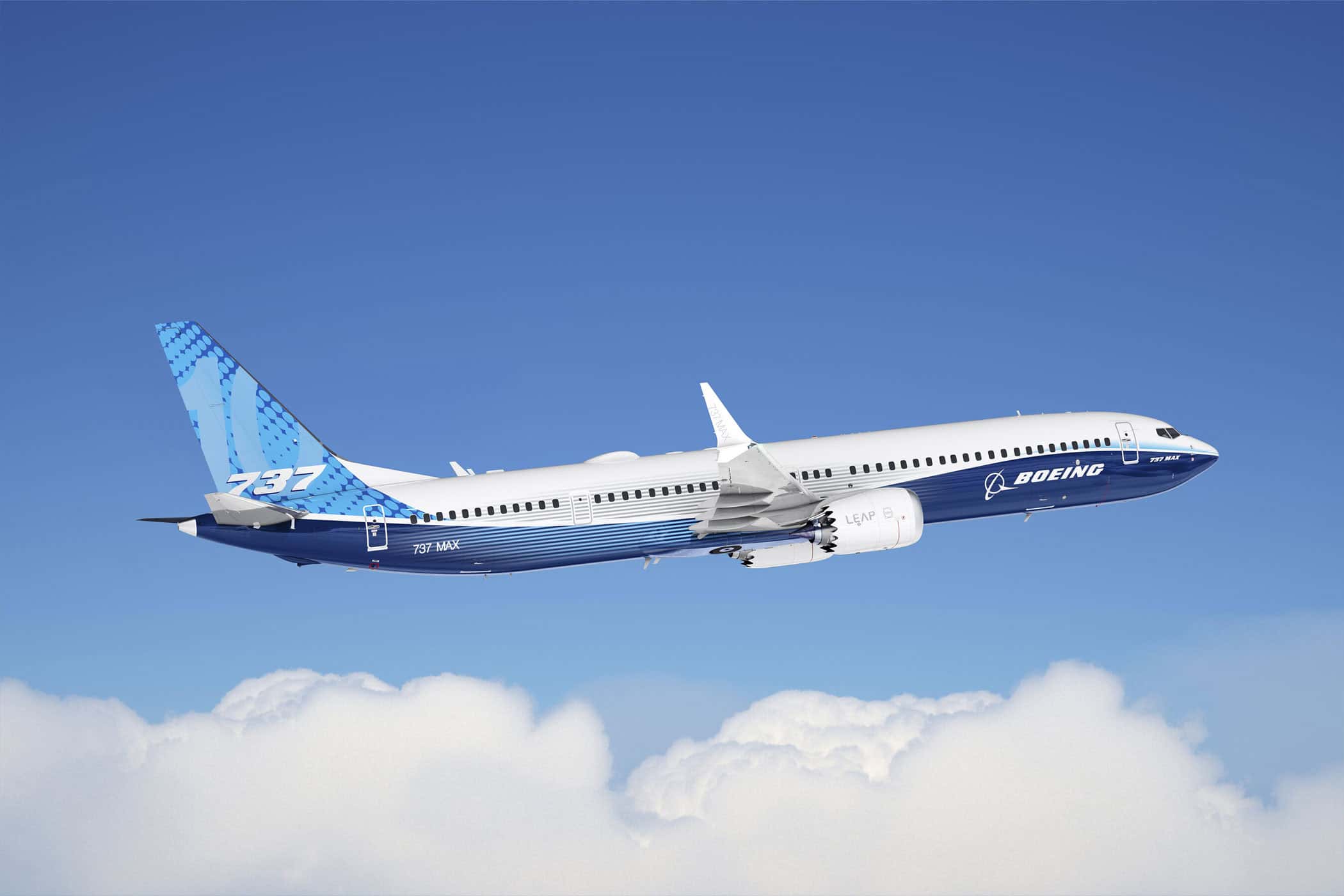
The American Federal Aviation Administration (FAA) has recently certified the Boeing 737-10, the largest model in the 737 MAX family to date. This decision paves the way for Boeing to begin delivering these aircraft in the coming months. With the approval of the amended type certificate for the 737-10, Boeing completes its 737 MAX portfolio – a series recognized as the most efficient and flexible line of single-aisle commercial aircraft in its segment. This model combines increased capacity with enhanced safety features and is considered a milestone in commercial aviation. The following analysis examines the significance of this certification, the key characteristics of the 737-10, and its impact on airlines worldwide.
Advanced Safety Technologies and the Certification Process
The FAA’s certification of the 737-10 marks a significant milestone in aviation regulation. Under the Aircraft Certification, Safety, and Accountability Act (ACSAA) – in effect since 2020 – this model was subjected to an exceptionally rigorous review. The legislation mandates additional documentation regarding safety assessments and requires that human factors be taken into careful consideration. The certification process for the 737-10 encompassed more than 1,000 test flights and over 3,000 hours of flight and ground testing, supported by tens of thousands of pages of technical documentation and intensive rounds of coordination with FAA experts. This detailed procedure underscores the efforts made to ensure the highest safety standards.
The 737-10 incorporates significant safety enhancements, including an improved angle-of-attack system, which will become standard across all models in the 737 MAX family. This technology assists pilots during critical flight attitudes, reduces risks, and helps prevent incidents. The development team’s approach – characterized by the rigorous validation of all systems and methodical testing – ultimately strengthens confidence in the aircraft’s operational capability and safety.
Performance and Efficiency of the Boeing 737-10
The largest model in the 737 MAX family accommodates up to 230 passengers in a maximum-density seating configuration – a significant increase in capacity compared to the smaller variants. At the same time, the 737-10 boasts very low per-seat costs, making it the most cost-efficient aircraft among single-aisle jets. With a range of approximately 3,100 nautical miles (around 5,740 kilometers), it outperforms many of its competitors and requires no auxiliary fuel tanks to extend its range. This combination of capacity, range, and cost-effectiveness makes the 737-10 an attractive model for airlines with demanding route networks.
Darüber hinaus sorgt die 737-10 dank technischer Innovationen für einen CO2-Ausstoß, der etwa 20 Prozent unter dem vorheriger Modelle liegt, was ebenfalls eine spürbare Reduktion des Treibstoffverbrauchs bedeutet. Dieser Umweltvorteil spielt in Zeiten verstärkter Nachhaltigkeitsanforderungen eine zentrale Rolle für Fluggesellschaften und unterstützt sie beim Erreichen ihrer Klimaziele.
Bedeutung der 737 MAX Familie für die Luftfahrtindustrie
The 737 MAX family comprises a comprehensive portfolio of jet models with seating capacities ranging from 135 to 230 passengers. This allows airlines to configure their fleets flexibly and optimally in line with specific market requirements. The 737-7, 737-8, 737-8-200, and 737-9 round out the series, offering a diverse range of performance and capacity characteristics tailored to various flight profiles and airport environments.
The 737-7, for instance, stands out for its long range of up to 3,800 nautical miles and its ability to deliver exceptional performance under extreme conditions, such as at high-altitude or hot-weather airports. The 737-8, meanwhile, serves as a versatile short- to medium-haul jet with efficient operating costs. The 737-9 offers increased seating capacity and a range that falls between those of the other variants.
With over 7,350 orders for the 737 MAX family and nearly 2,500 aircraft delivered by September 2026, the level of demand underscores the significant confidence the industry has in the program. More than 1,500 of these orders are for the 737-10, highlighting the strong market need for this larger model. Consequently, the final certification of the 737-10 provides airlines with a wide range of options to address diverse infrastructure and route requirements.
The Interplay of Innovation, Customer Focus, and Environmental Considerations
The market launch of the 737-10 serves as an example of innovative product development that integrates technological advancements with economic requirements and sustainability considerations. In this process, Boeing consistently aligns its offerings with the needs of customers and the network strategies of airlines worldwide, providing a range of single-aisle aircraft capable of accommodating varying passenger volumes and route lengths. Its operational economic efficiency and favorable cost structures make this aircraft particularly attractive to many operators.
In parallel, the company is integrating modern safety systems and environmental measures that meet – and in some cases exceed – current regulatory requirements. This responsible approach is reflected in Boeing’s corporate philosophy, which is founded on safety, quality, and integrity. Overall, the 737-10 strengthens the company’s competitiveness and positions Boeing as a leading provider in the short- and medium-haul jet segment.
Conclusion
The FAA certification of the Boeing 737-10 marks a significant milestone for both Boeing and the aviation industry. The aircraft stands out for its capacity, efficiency, and modern safety features, making it an attractive model for airlines worldwide. By fully implementing new certification standards, the 737-10 underscores Boeing’s commitment to the highest safety benchmarks.
In this way, the model serves as an ideal complement to the already established 737 MAX family, offering a wide range of options for various market segments. Advancements in technology and sustainability set new standards and assist airlines in addressing future challenges, such as growing passenger numbers and stringent environmental regulations.
In this way, the model serves as an ideal complement to the already established 737 MAX family, offering a wide range of options for various market segments. Advancements in technology and sustainability set new standards and assist airlines in addressing future challenges, such as growing passenger numbers and stringent environmental regulations.