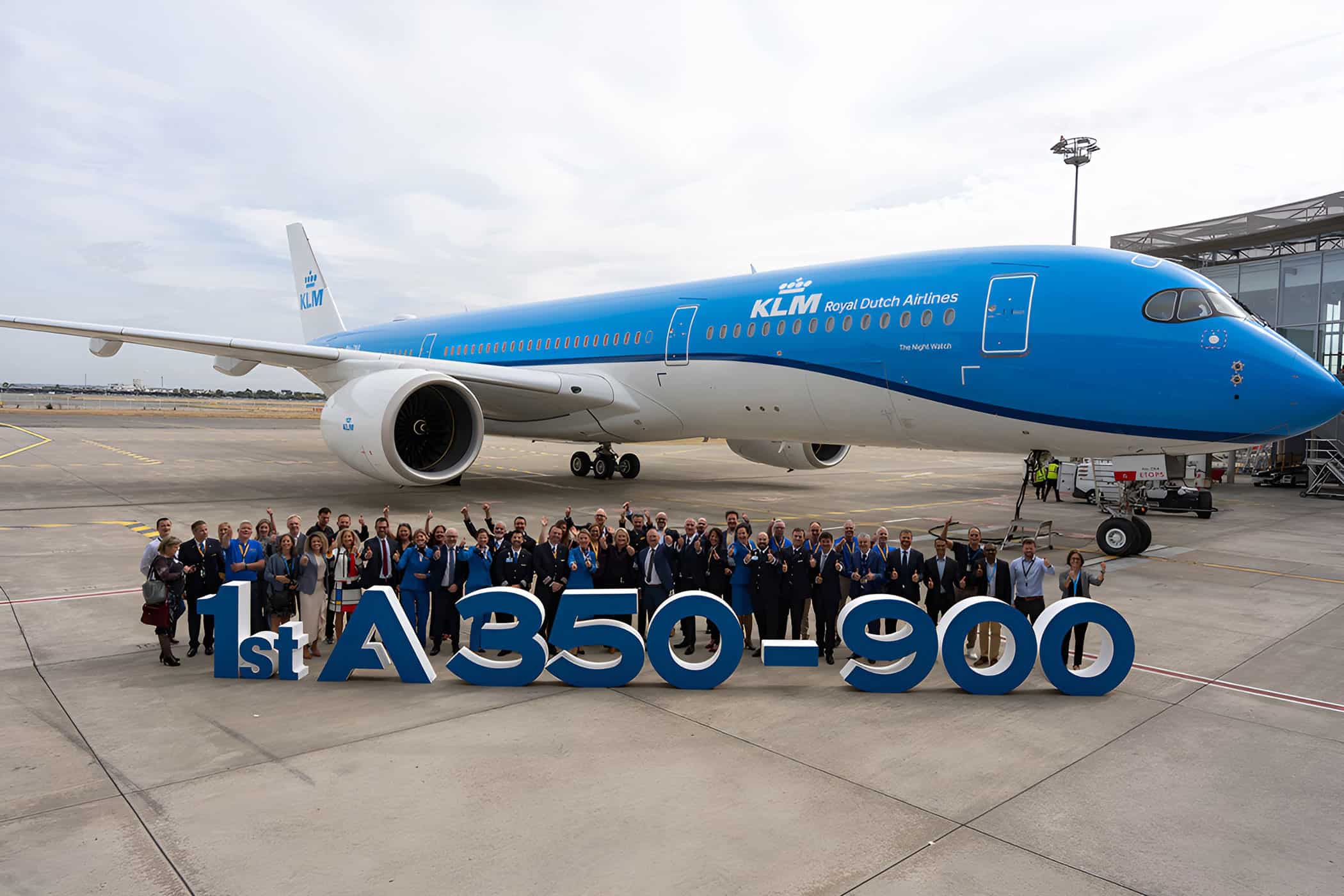
Introduction of KLM’s Fleet Renewal
KLM marks a significant step forward in the modernization of its intercontinental fleet with the delivery of its first Airbus A350-900. On October 2, 2026, the aircraft – considered one of the most modern in aviation – landed at Amsterdam Airport Schiphol for the first time. This move represents not only a technical advancement but also underscores the airline’s commitment to enhanced passenger comfort and environmental sustainability. With the A350-900, KLM is simultaneously introducing a significant reduction in fuel consumption and noise emissions – factors of great importance to both passengers and local residents living near the airport.
Airbus A350: Operational Scope and Routes
The new Airbus is primarily deployed on long-haul flights, commencing scheduled operations with a flight to Toronto, followed by destinations such as Montreal and African locations including Kilimanjaro, Dar es Salaam, Nairobi, and Zanzibar. This selection of destinations underscores KLM’s strategic focus on serving major economic and cultural hubs with modern, efficient aircraft. Integration into the existing network is proceeding gradually to ensure a smooth transition. Designed for long-haul operations, the Airbus A350-900 offers a sustainable solution for international flights thanks to its extended range and optimized fuel efficiency.
Corporate Philosophy and Environmental Responsibility
Marjan Rintel, the airline’s President and CEO, highlights the importance of this milestone. With this fleet renewal, KLM is positioning itself as a leader not only in customer satisfaction but also in environmental responsibility. The airline is pursuing ambitious goals to reduce the environmental impact of air travel. The acquisition of the Airbus A350 – which consumes 25 percent less fuel and reduces noise emissions by approximately 40 percent compared to previous models – aligns perfectly with this strategy. Through these innovations, the airline is closely aligning itself with global efforts to operate more sustainably and prioritize environmental protection.
Cultural anchoring through aircraft names
A distinctive feature of KLM’s introduction of this new aircraft type is the choice of names for the planes. Inspired by famous Dutch artworks, the names given to the A350 fleet enhance the airline’s cultural identity. The first A350 was named after Rembrandt van Rijn’s “The Night Watch” – one of the Netherlands’ most significant artworks and a symbol of its national culture. This masterpiece draws countless visitors to Amsterdam’s Rijksmuseum every year, bolstering its global renown. The second aircraft is set to be named “Girl with a Pearl Earring”, referencing the famous painting by Johannes Vermeer, which is internationally regarded as an iconic image of Dutch art. This naming strategy underscores the airline’s strong connection to its home country and its artistic heritage.
Passenger Experience Enhancements
The Airbus A350 offers a significantly improved travel experience. The cabin is among the quietest in its class, contributing to a more pleasant in-flight environment. Passengers benefit from optimized seating comfort, modern in-flight entertainment, and an appealing cabin atmosphere that makes long-haul flights more enjoyable. The aircraft feature a modern World Business Class (WBC) that sets new standards for luxury and spaciousness. The recent certification of the WBC seats by the European Union Aviation Safety Agency (EASA) confirms their quality and safety, ensuring their introduction into regular service.
The seating configuration comprises a total of 331 seats: 271 in Economy Class, 26 in Premium Comfort Class, and 34 in World Business Class. This mix enables the efficient serving of diverse customer segments with individual needs.
Technological advantages and environmental aspects
The Airbus A350 is equipped with innovative technologies that drastically reduce fuel consumption and minimize the environmental footprint of flights. In addition to improved aerodynamics and more efficient engines, advanced cabin technology contributes to noise reduction – a benefit that serves not only passengers but, in particular, residents living near airports. Integrating such modern aircraft helps the aviation industry keep pace with stricter environmental regulations and societal expectations.
Reducing CO2 emissions is also a key focus. By deploying the A350, KLM is making a significant contribution to lowering emissions on its most important long-haul routes. This is an essential step towards a more sustainable aviation industry.
Extensive investments and fleet strategy
KLM’s comprehensive fleet renewal program involves an investment of seven billion euros. In addition to integrating the Airbus A350 for long-haul routes and the A350F for cargo operations, the airline is also modernizing other aircraft types. The fleet includes the Airbus A321neo for short- and medium-haul routes, as well as the Embraer E2 fleet operated by KLM Cityhopper for flights within Europe. Furthermore, the strategy includes the acquisition of Boeing 787 aircraft to optimally serve various market segments.
This wide-ranging renewal underscores the long-term plan to create a modern, efficient, and flexible fleet in order to meet the demands of global air travel while simultaneously pursuing economic and environmental goals.
Conclusion: Reduction of emissions and noise
The entry into service of KLM’s first Airbus A350 marks a significant step forward in the airline’s ongoing development. By focusing on environmental friendliness, comfort, and cultural connection, KLM is making a clear statement within the aviation industry. The selected destinations and the well-planned fleet renewal reflect a strategic vision of harmoniously combining customer satisfaction with sustainability. At the same time, the airline is contributing to the reduction of emissions and noise – factors that play an increasingly important role in a global context.
In the long term, the integration of this state-of-the-art long-haul aircraft will strengthen KLM’s competitiveness and promote sustainable air travel. The Airbus A350 serves as a key element of a comprehensive modernization strategy that combines economic success with responsible action regarding the environment and society. By blending Dutch cultural heritage with technological innovation, KLM creates a unique travel experience that will set new standards for the future.