Introduction
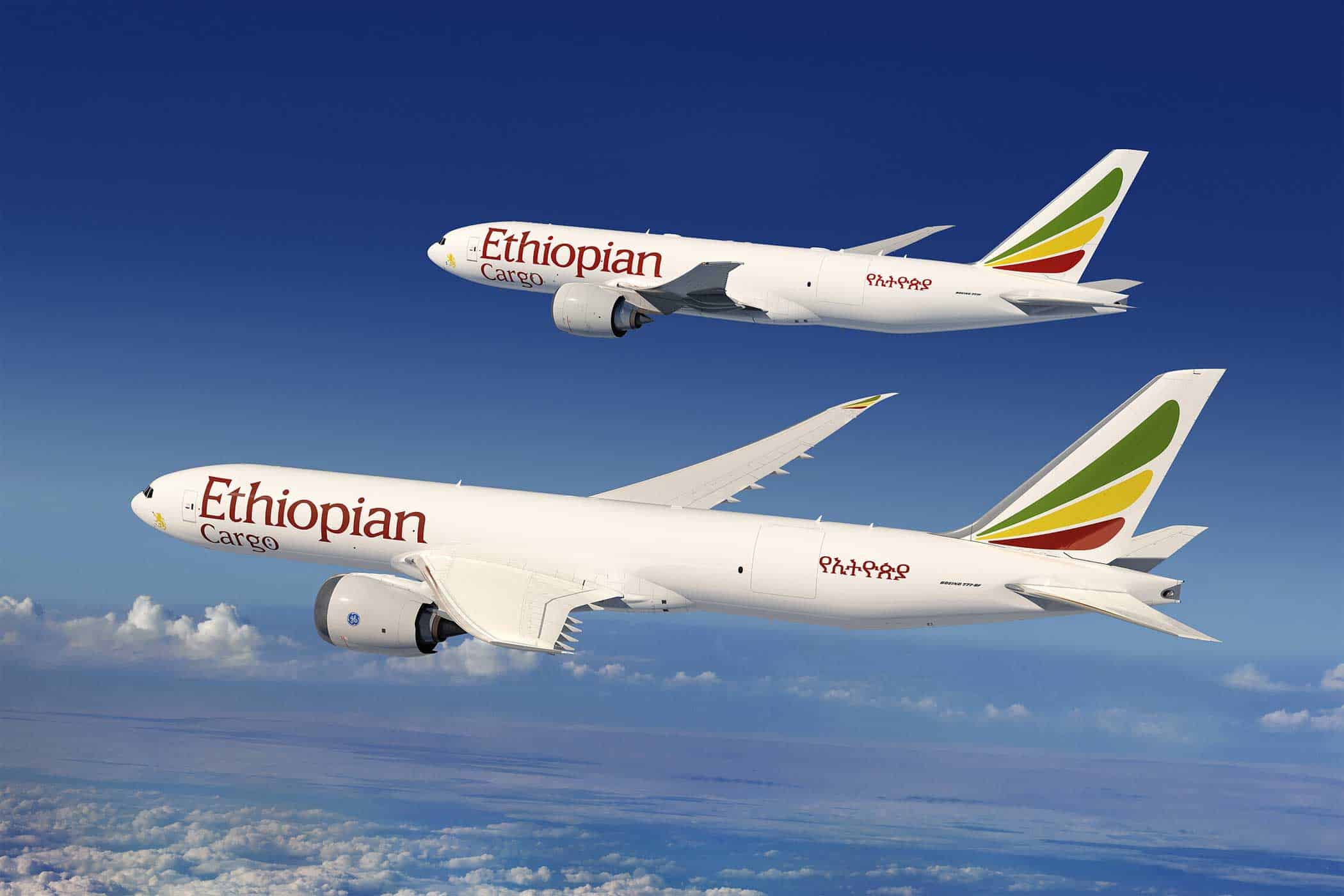
Ethiopian Airlines has made a significant strategic decision to further consolidate its position as a leading player in the African and global air cargo markets. By ordering eight Boeing 777-8 Freighters and two Boeing 777 Freighters, the airline is investing in state-of-the-art aircraft technology that not only increases transport capacity but also maximizes efficiency and environmental sustainability. This move underscores the importance of air cargo within the global supply chain and the growing demand for sustainable, high-performance solutions in the freight sector.
Expanding cargo capacity with state-of-the-art aircraft
The airline, known for expanding its global network, is significantly enlarging its fleet with this order. The new Boeing 777-8 Freighters — Boeing’s most advanced cargo aircraft — stand out due to a maximum structural payload of up to 118 tonnes and a unique combination of range and efficiency. This opens up new markets and routes that could not previously be served economically using conventional freighters.
At the same time, the proven Boeing 777 freighters — with their established reliability and productivity — ideally complement the fleet. In doing so, Ethiopian Airlines is pursuing a well-conceived fleet strategy designed for high utilization, fuel efficiency, and operational flexibility.
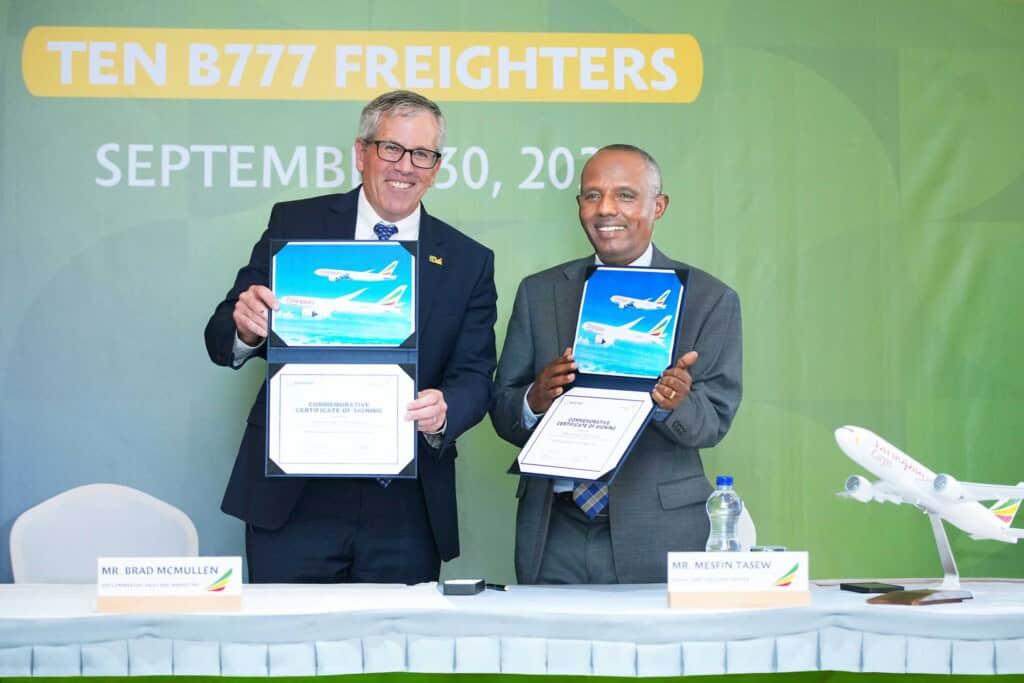
This investment marks a milestone, particularly as Ethiopian Airlines has become the first African carrier to order the latest 777-8 Freighter. Integrating these state-of-the-art freighters boosts not only capacity but also operational flexibility, enabling the airline to meet the growing demands of the global air cargo market.
Significance for global air cargo and Africa’s logistics network
By expanding its fleet, Ethiopian Airlines enhances its ability to transport more goods between strategically important continents — including Africa, Asia, Europe, and North America. This expansion reflects the steadily rising demand for air cargo, which is crucial for supply chain innovation and trade.
The combination of innovative aircraft technology and geographical location positions Ethiopia as a major hub for the transport of goods between Africa and international markets. The ordered Boeing 777-8 and 777 freighters offer a sustainable solution — featuring improved operating costs per tonne and reduced fuel consumption — that also meets the environmental demands of modern logistics.
The ongoing partnership between Ethiopian Airlines and Boeing further reinforces confidence in their long-standing collaboration and the joint development of aviation technology specifically aimed at increasing cargo volumes and optimizing routes.
Fleet Strategy and Future Outlook
Ethiopian Airlines’ current fleet comprises twelve Boeing 777 freighters, two Boeing 767 freighters, and four Boeing 737-800SF aircraft. The new orders will significantly expand this fleet, enabling a more differentiated and efficient approach to the market.
The use of shared features between the 777-8F and the 777F — such as fuselage cross-sections, aisle configurations, and the capability to transport outsized cargo — significantly enhances operational efficiency. Such technical commonalities reduce complexity in maintenance and training, positively impacting operational flexibility and cost structure.
Through these investments, Ethiopian Airlines will not only further strengthen its competitiveness in the cargo sector but also emerge as a pioneer in sustainable air cargo technology in Africa. The increased payload capacity and range open up opportunities in growing international trade and critical supply chains.
Conclusion
Ethiopian Airlines’ decision to acquire eight Boeing 777-8s and two Boeing 777 freighters marks a significant step forward for the global air cargo industry. These state-of-the-art freighters enable a substantial increase in transport capacity and operational efficiency, while simultaneously offering environmental benefits through reduced fuel consumption and the lowest operating costs per tonne transported.
This fleet expansion further strengthens Ethiopian Airlines’ role as a key hub for international air cargo. The close collaboration with Boeing underscores the aviation industry’s trend of combining innovation with proven technology to meet the challenges of globalized supply chains.
Overall, through its latest investments, the African airline is further integrating into the global logistics network and setting benchmarks for efficiency, sustainability, and market dynamics. This strategic expansion will play a pivotal role in meeting the growing demands for modernity and capacity within the global cargo market.