Introduction to the Evolution of Air Cargo through Innovative Aircraft Technology
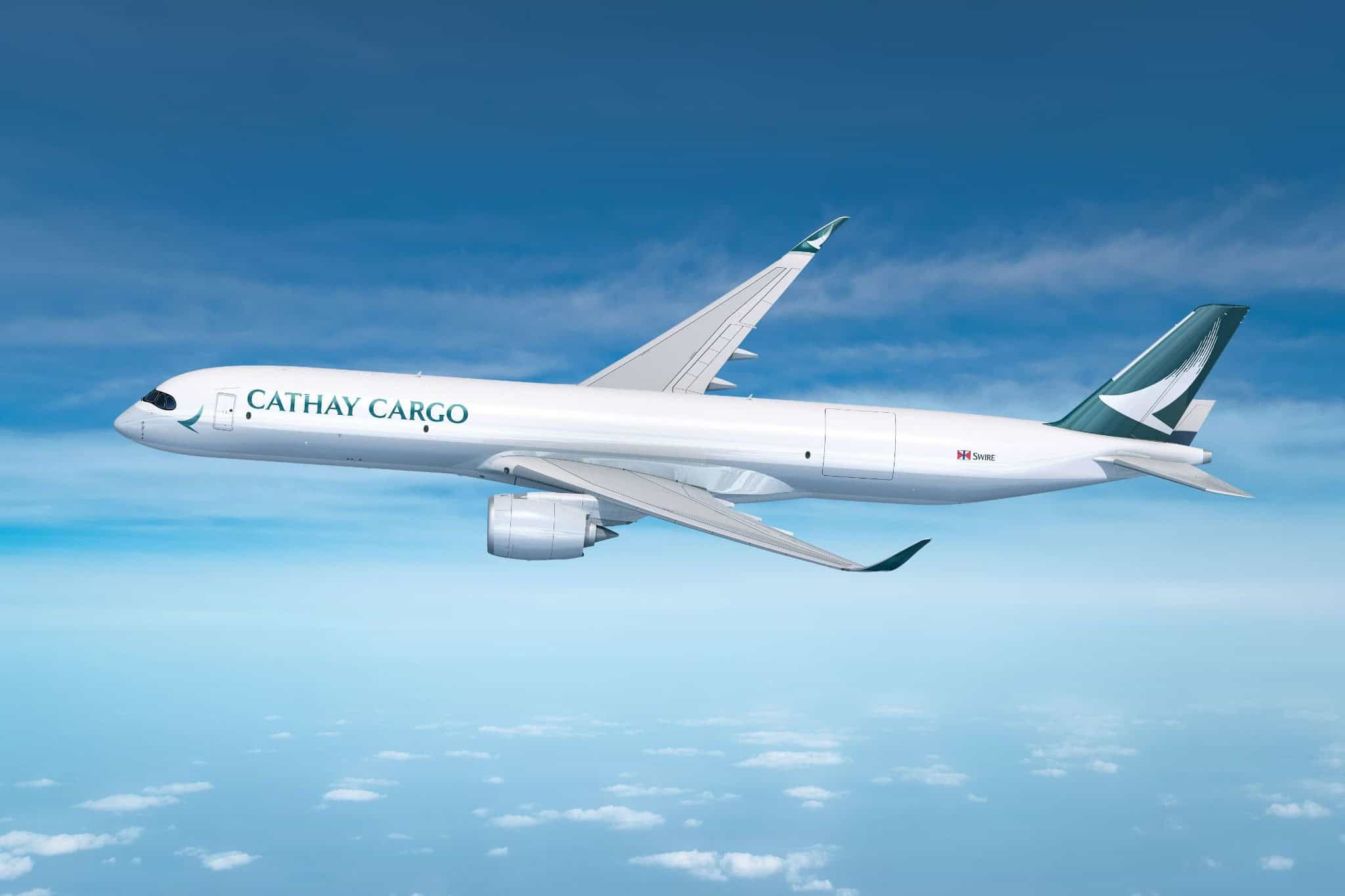
The air cargo industry faces increasing demands that call for both greater efficiency and environmental sustainability. In this context, the Hong Kong-based Cathay Group is strengthening its global position by expanding its fleet with modern cargo aircraft. Its recent investment in additional Airbus A350Fs provides the company with the opportunity to expand transport capacities while simultaneously reducing its environmental impact. As part of the new generation of cargo aircraft, the A350F represents a milestone in many respects – one that is set to shape the future of the air cargo market.
This strategic decision not only reflects confidence in the long-term growth of the air cargo industry but also supports Cathay Cargo’s ambitious goals to establish itself as a leading provider in the sector. The integration of the A350F into the existing fleet promises enhanced operational efficiency and a steadfast commitment to the sustainable technologies the industry requires for decarbonization.
Technological Advancements and Efficiency of the Airbus A350F in Air Cargo
The A350F serves as a technical benchmark for modern cargo aircraft, meeting the dynamic demands of international trade with impressive range and payload capacity. Its ability to transport up to 111 tons of cargo over distances of up to 8,700 kilometers enables its deployment on long-haul routes that are essential to today’s globalized economy. This combination of range and payload facilitates efficient, non-stop connections between continents, thereby optimizing delivery times and reducing the need for intermediate stops.
A significant advantage lies in the material composition: over 70% of the aircraft structure consists of advanced materials, reducing the overall weight by approximately 46 tons compared to competing models. This has a direct impact on fuel consumption and emissions. Through the use of Rolls-Royce Trent XWB-97 engines, the A350F achieves a significant reduction in fuel consumption – by up to 20% – compared to predecessor models with similar payload and range capabilities.
These efficiency gains are essential for reducing the ecological footprint of air freight and meeting the targets of international climate protection agreements. The fact that the A350F is the only new freighter to fully comply with ICAO standards for CO₂ emissions effective 2027 underscores the forward-looking nature of this aircraft. Furthermore, the model can initially be operated on up to 50% Sustainable Aviation Fuel, with the long-term goal of increasing SAF usage to 100% by 2030 – a crucial measure for advancing sustainable aviation.
Cathay Group and Its Visionary Fleet Strategy in the Spotlight of the Air Cargo Industry
Cathay Cargo’s decision to expand its fleet with two additional Airbus A350Fs demonstrates a clear intent to significantly boost the efficiency and capacity of its air cargo operations. Across the entire network, this modernization enables greater flexibility and allows for an expanded customer base. Enhanced connectivity at its home hub plays a pivotal role in this process – not only by making existing routes more economically viable but also by opening up new connections.
The Cathay Group benefits from the high compatibility of the A350F with Airbus models already in service. This operational and technical commonality facilitates integration into existing workflows, reduces training requirements and maintenance costs, and contributes to smooth flight operations. This move is part of a long-term strategy through which the company reduces its environmental footprint while simultaneously meeting customer expectations with efficient service and sustainability.
The extensive customer base that has already ordered the A350F – comprising over 100 firm orders from 14 customers worldwide as of April 2026 – demonstrates that this technological development is gaining recognition throughout the air cargo industry. It meets both economic and environmental criteria that are crucial for future success in the air cargo sector.
Future Prospects and Challenges in the Operation of the Airbus A350F
With an eye toward the future, the A350F offers a platform for continuous innovation. The ability to transition fully to sustainable aviation fuels supports decarbonization goals and will contribute to reducing global emissions in the transport sector. Regulatory requirements and society’s growing environmental awareness also play a role in this context, urging aviation companies to continuously improve their environmental performance.
One challenge lies in the availability and economic scalability of Sustainable Aviation Fuel—potential that can only be fully realized through increased production and infrastructure. Companies such as Cathay Cargo are playing a pioneering role in this regard by already equipping their fleets with the latest aircraft that support and advance these technologies.
Furthermore, adapting to the global market – characterized by fluctuations in demand, geopolitical uncertainties, and technological changes – constitutes another key issue. However, the A350F opens up new opportunities for cargo airlines to diversify their offerings and thereby respond more resiliently to market shifts.
Conclusion: Sustainable Expansion and Innovation in Air Cargo
The Cathay Group’s fleet expansion with the Airbus A350F exemplifies the need to balance innovation and sustainability. The development of modern aircraft technologies not only leads to economic efficiency but also represents a step toward more environmentally friendly air transport.
With the A350F, Airbus offers an aircraft that meets the demands of a dynamic global cargo market while adhering to the strictest environmental standards. For Cathay Cargo, the integration of these aircraft signifies a strengthening of its market position as well as a reliable contribution to reducing emissions in global air freight operations.
These advancements are groundbreaking for the entire air cargo industry, demonstrating how technological innovations – combined with bold investments in sustainable mobility – can profoundly shape the future of global logistics. The combination of long range, high capacity, and environmental responsibility sets new standards for international air transport, enabling the forward-looking and responsible design of global supply chains.