Introduction of the A350F aircraft into the Atlas Air fleet
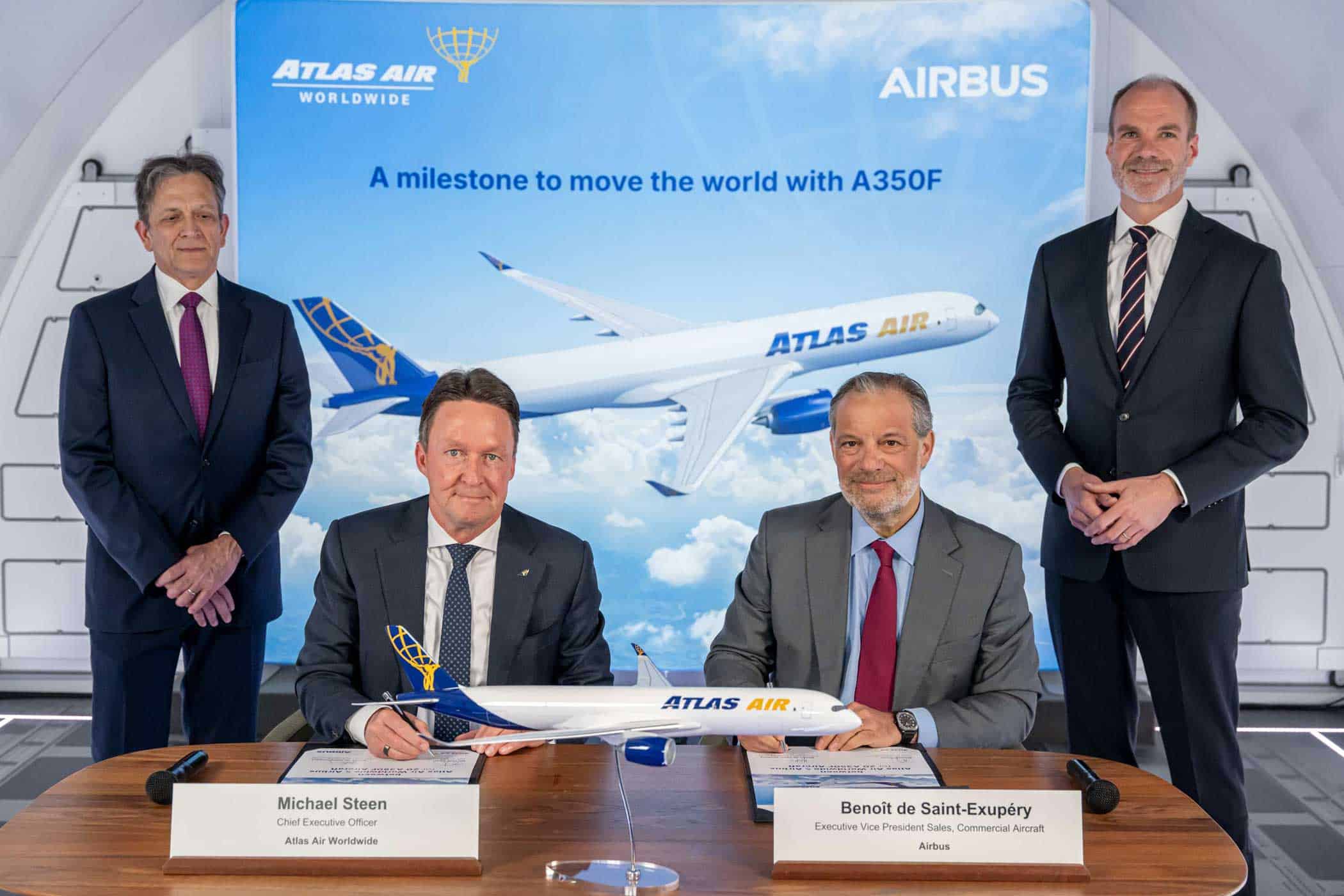
In the dynamic world of air freight logistics, fleet modernization and efficiency play a crucial role in business success. A significant development in this sector is the recent order for 20 Airbus A350F freighters by Atlas Air Worldwide Holdings, Inc., a leading US company headquartered in New York. This order not only marks the largest single order for the latest, fuel-efficient Airbus A350F, but also positions Atlas as the largest operator of this aircraft type worldwide.
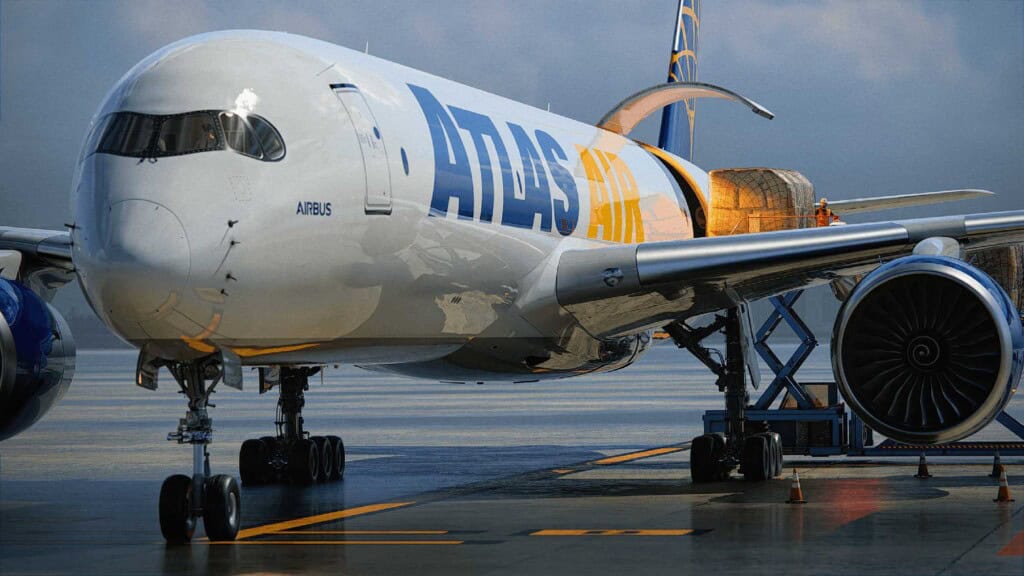
The introduction of the A350F aircraft into the Atlas Air fleet represents a significant step towards growth and sustainable air freight logistics. Thanks to its versatile capabilities, Atlas Air, as an outsourced partner in air logistics, is ideally positioned to leverage the cutting-edge performance features of this innovative freighter design globally and to serve diverse business models and markets.
Importance of the Airbus A350F for Atlas Air
With the acquisition of the Airbus A350F, Atlas Air underscores its commitment to maintaining one of the most modern and environmentally friendly widebody cargo aircraft fleets in the industry. Michael Steen, CEO of Atlas Air Worldwide, emphasizes that the A350F offers enhanced payload and range advantages, as well as an outstanding sustainability profile. It is a reliable aircraft that can provide optimal service to both existing and new customers worldwide.
The A350F offers numerous advantages through its technical design, improving efficiency in air freight. For example, the aircraft boasts the largest main deck cargo door in the industry, which is particularly important for loading and transporting standard pallets and containers. The fuselage length and cargo capacity are specifically optimized for these standard sizes, significantly simplifying handling.
A key feature of the A350F is the use of over 70% advanced materials in its construction. This results in a 46-ton reduction in takeoff weight compared to other models, increasing fuel efficiency and minimizing environmental impact. Furthermore, the A350F is the only cargo aircraft to meet the stricter ICAO CO₂ emission standards, which will become mandatory from 2027. This underscores Atlas Air’s commitment to sustainability and the new aircraft’s role in the future of air freight.
Technological innovation and market influence
The Airbus A350F represents a new generation of freighter aircraft thanks to state-of-the-art technology and innovative materials. Its efficiency is remarkable not only in terms of fuel consumption but also in terms of operational flexibility. The aerodynamic design and the use of Rolls-Royce engines offer an outstanding combination of performance and environmental friendliness. Furthermore, Atlas Air’s partnership with Airbus and Rolls-Royce expands the company’s range of leading manufacturers, opening up additional options for fleet development.
The introduction of the A350F into the fleet also offers economic advantages for Atlas Air, as it significantly reduces fuel consumption relative to payload. This is of crucial importance in the context of rising fuel prices and increasing environmental regulations. Furthermore, the A350F’s greater range enables longer direct flights, contributing to improved network planning and fewer stopovers – a competitive advantage in the global air freight market.
The order for 20 aircraft clearly signals Atlas Air’s optimistic outlook for the future of air freight. This supports global trade and supply chains serving over 300 destinations in 90 countries. The company thus remains a leading player in outsourced air logistics services and strengthens its position against competitors.
Sustainability and future prospects in air freight
Environmental sustainability is becoming increasingly important in air freight. With its fleet modernization, Atlas Air is clearly positioning itself as a pioneer in sustainable logistics. The Airbus A350F plays a crucial role in this, as it not only meets ICAO emissions standards but also significantly reduces the CO₂ footprint compared to older aircraft types.
These sustainability aspects will increasingly appeal to customers and supply chain partners in the future who want to integrate environmental protection into their business models. Atlas Air supports its customers in achieving their own sustainability goals by providing a modern and efficient fleet that can flexibly adapt to the requirements of different air freight segments.
Furthermore, modern aircraft like the A350F are ideally suited for operation in demanding and rapidly changing markets. The ability to transport a wide variety of cargo types safely and efficiently contributes to both the growth and the reduction of the overall environmental footprint of the aviation industry.
Conclusion: Modern aircraft technology and environmental responsibility go hand in hand
Atlas Air Worldwide’s decision to acquire the Airbus A350F reflects a strategic focus on growth, technological innovation, and sustainability in international air freight. The integration of 20 state-of-the-art freighters of this type into its fleet not only represents a record number but also reinforces Atlas Air’s position as a leader in outsourced air freight logistics.
This step demonstrates how modern aircraft technology and environmental responsibility can go hand in hand to better meet the demands of global supply chains. Improved fuel efficiency, increased cargo capacity, and compliance with future emissions standards make the Airbus A350F a key component of Atlas Air’s strategy.
With its modernized fleet, Atlas Air is able to serve its customers even more reliably and efficiently while fulfilling its environmental commitments. This strengthens its competitiveness and supports the company’s long-term development in a constantly changing global market.
More about the Airbus A350F