Introduction
Modern aircraft are increasingly being equipped with advanced systems that enhance not only comfort but, above all, safety. At the heart of the latest developments is an innovative feature recently certified by both the European Union Aviation Safety Agency (EASA) and the Federal Aviation Administration (FAA): an automatic landing system designed specifically for emergency situations. This system is found in one of today’s leading single-engine turboprop aircraft, a model distinguished by technological innovation and the highest safety standards. It combines proven technology with state-of-the-art electronic cockpit components, thereby setting new benchmarks for aircraft reliability and operational safety.
The following section explains the operation and significance of this innovative safety feature, which enables a safe landing even in extreme situations. The text also highlights the aircraft’s technical specifications; with its combination of a powerful turboprop engine and the capability to use sustainable fuels, it represents a step toward environmentally friendly aviation.
Advanced safety technology for critical situations
One of the key challenges in aviation is dealing with unexpected emergencies in which the pilot becomes incapacitated. The automatic landing system employed here provides a solution that is unique to date: the system automatically detects potential pilot incapacitation and immediately takes control of the aircraft. It is activated either manually at the push of a button or automatically in the event of a lack of pilot input. Subsequently, it continuously analyzes a wide range of data, such as the current flight status, navigational position, and the aircraft’s surroundings.
The intelligent software then autonomously calculates the optimal airport for landing. Criteria for this include runway length, prevailing wind and weather conditions, remaining fuel, and geographical proximity. At the same time, the system plans a safe approach route that takes into account obstacles and terrain – a complex task previously reserved for experienced pilots. During the approach, the system controls all relevant aircraft systems – including flaps, landing gear, and lighting and de-icing systems – to ensure a safe landing.
At the same time, the system automatically handles communication with air traffic control. It transmits vital status updates and alerts them to the unusual situation in order to protect both the aircraft itself and other aircraft. This combination of autonomous control and automated radio communication minimizes risk and ensures the aircraft lands safely, even in critical situations.
Technical features and proven performance
The foundation of this single-engine turboprop’s performance is its reliable engine. For decades, the model in question has been regarded as one of the most robust and dependable in the aviation industry. With tens of thousands of units worldwide and hundreds of millions of flight hours, it boasts an outstanding track record that has been repeatedly proven in practice. This engine family is synonymous with high efficiency, reliability, and an excellent maintenance profile – qualities that are essential, particularly in the business and regional aviation sectors.
Beyond its sheer performance, the aircraft also impresses with its environmental friendliness. Compared to twin-engine competitors, it generates significantly lower CO₂ emissions. Furthermore, it is designed to operate using a combination of sustainable aviation fuels known as SAF blends. This opens up new possibilities for sustainable flying without compromising on range or flexibility.
With this technical configuration, the aircraft not only meets modern standards for flight performance and operating costs but also sends a clear signal regarding responsible aviation in the era of climate change.
Significance and impact on flight safety
The introduction of a certified automatic landing system represents a milestone in aviation safety. The aircraft’s ability to land autonomously in emergency situations significantly enhances safety for passengers and crew. This innovation creates an additional safety net, particularly in the single-engine segment – a category traditionally valued for its simplicity and reliability.
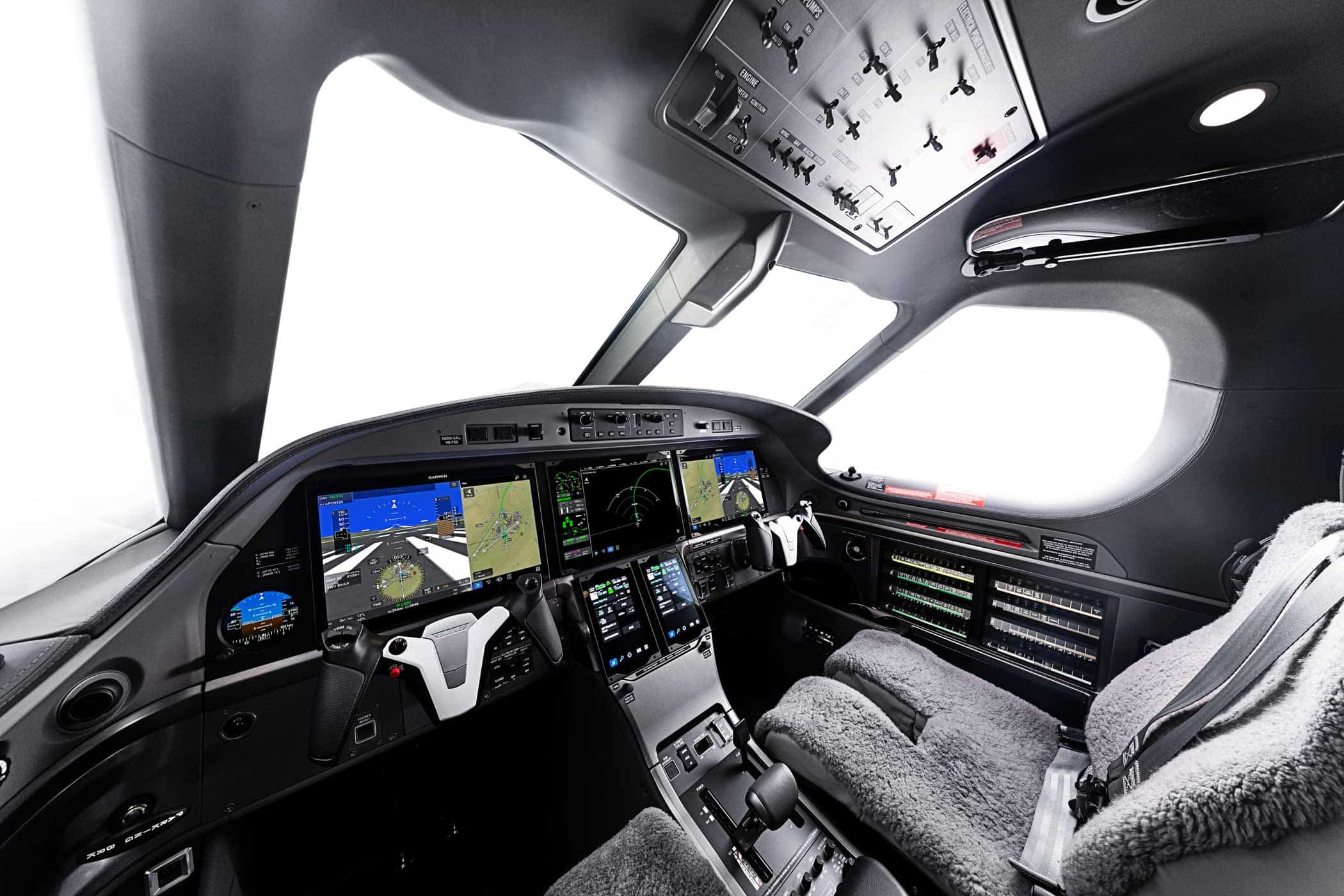
Furthermore, the use of modern, integrated cockpit systems based on the latest technologies enhances pilots’ situational awareness while enabling seamless interaction with assistive systems. This leads to a reduction in stressful situations and an improvement in overall operational safety.
Certifications from international aviation authorities confirm the system’s reliability and effectiveness. They reinforce confidence in the combination of advanced electronics and proven propulsion technology. Consequently, this generation of aircraft impresses not only with its innovative features but also by meeting the highest regulatory standards.
Aligning flight operations with sustainability through the use of SAF blends also contributes to long-term environmental compatibility – a factor of particular importance given the increasingly stringent requirements regarding the carbon footprint of global commercial aircraft.
Conclusion
In summary, the combination of advanced automated safety systems, a propulsion system that is both powerful and environmentally friendly, and a highly sophisticated cockpit establishes this aircraft as a leader in its class. The integration of a certified automatic landing system achieves a new level of flight safety capable of saving lives, particularly in critical scenarios.
The engine’s proven technology, combined with innovative control software and the use of sustainable fuels, meets the requirements of modern aviation companies and private owners who prioritize efficiency and safety. Certifications from renowned aviation authorities confirm the quality and reliability of this new generation of aircraft.
It is clear, then, that this innovative model redefines the standards for single-engine turboprops and offers pilots and passengers the highest levels of safety and performance – a significant step forward for civil aviation and a clear commitment to responsible, sustainable flying.