Introduction
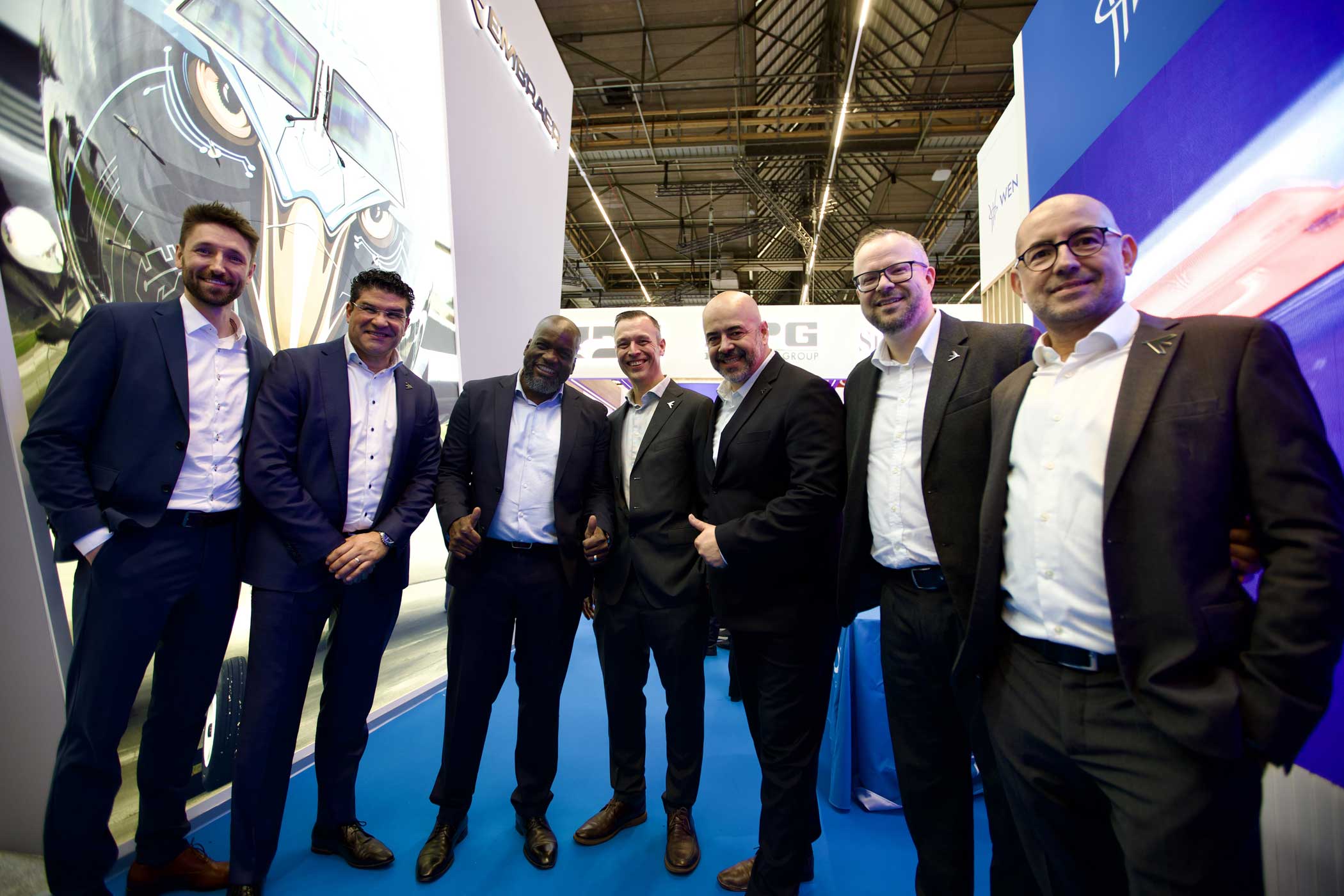
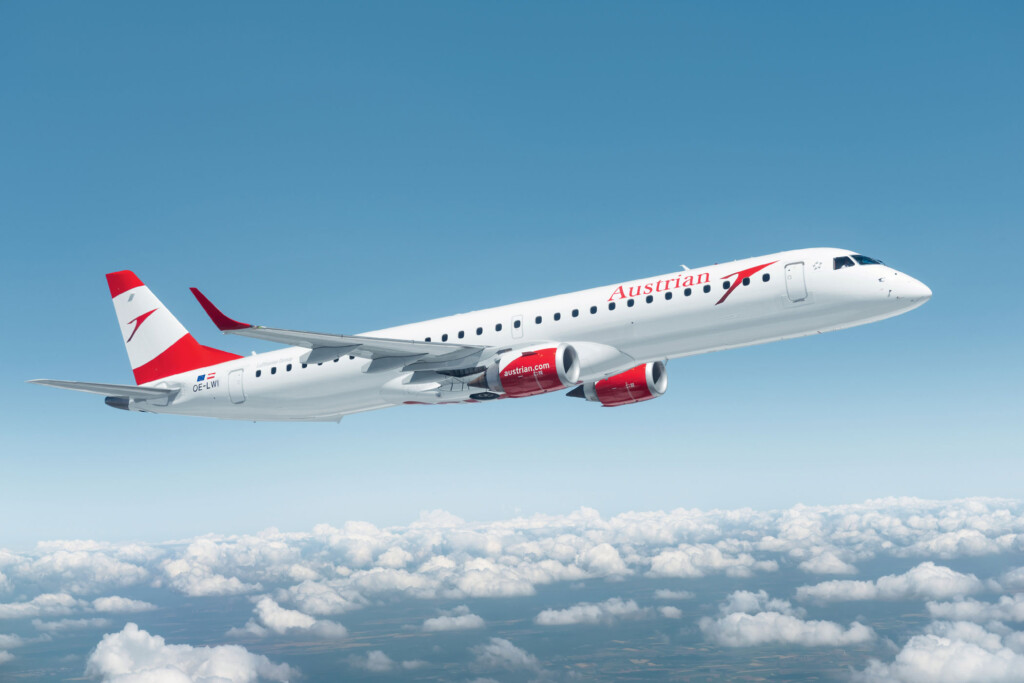
The continuous availability of modern aircraft fleets is crucial for airlines to ensure efficient and reliable operations. In this context, Embraer and Austrian Airlines have entered into a significant agreement regarding a “Component Pool Program,” specifically designed to support the Austrian carrier’s 13 E195-series aircraft. This program marks an important milestone in reducing maintenance costs while maximizing the operational readiness of the fleet. Through this pool program, Embraer provides a comprehensive solution that facilitates the availability of spare parts, as well as their repair and overhaul, within an innovative framework.
The collaboration between a leading aircraft manufacturer like Embraer and a renowned airline underscores the importance of efficient maintenance strategies within the aviation sector. By utilizing specialized services such as the Component Pool Program, airlines can enhance their fleet performance through optimized component management methods. Consequently, this partnership not only provides benefits to Austrian Airlines but also sets benchmarks for after-sales service offerings across the industry.
The Component Pool Program: Scope and Benefits
The Component Pool Program, implemented by Embraer for Austrian Airlines, encompasses over 300 different aircraft components. These components are accessible via a network of inventory locations and repair facilities designed to ensure aircraft availability during flight operations. The program’s structure offers innovative solutions – such as “Advanced Exchange” as well as repair and overhaul services – which collectively lead to a significant reduction in downtime.
A core element of the program is the simplification of component management. Unlike traditional models, in which airlines are often required to maintain their own extensive inventories, pooling provides centralized access to spare parts. This approach not only reduces storage costs but also minimizes logistical requirements and the associated costs of tied-up capital. Embraer’s technical expertise and global service support ensure that the performance and quality of the spare parts meet the highest standards.
Furthermore, the program ensures guaranteed service levels, allowing for transparent monitoring and management of maintenance processes. The collaborative partnership between Embraer and Austrian Airlines provides a flexible and scalable solution tailored to the airline’s specific requirements.
Impact on Fleet Availability and Cost Efficiency
Integrating such a pool program has a direct effect on an airline’s operational efficiency. The availability of spare parts and their rapid provision are often critical factors for maintaining flight schedule stability. Maintenance-related delays frequently lead to flight cancellations or schedule disruptions, which not only compromise customer service but also result in economic consequences.
By minimizing operational downtime through Embraer’s Component Pool Program, Austrian Airlines is able to improve the punctuality and reliability of its E195 fleet. This makes a significant contribution to customer satisfaction – a crucial factor in the competition for passengers.
Furthermore, reducing inventory levels – and the capital tied up therein – enables more efficient use of an airline’s resources. Savings in the total cost of component maintenance have a positive impact on financial metrics. This sustainable maintenance approach also helps extend the service life of aircraft, thereby safeguarding long-term investments.
Outlook: The Role of After-Sales Services in Aviation
As the global Embraer fleet continues to grow, the company’s after-sales service portfolio is becoming increasingly important. The Component Pool Program is one example of a customer-oriented solution designed to help airlines meet the complex demands of modern flight operations. The development of customizable service packages helps to optimize maintenance and repair activities, combining flexibility with cost-efficiency.
Future trends in the aviation industry point to an increased focus on digitized and automated maintenance processes. Embraer’s service and support network leverages innovative technologies that facilitate preventive maintenance and enable continuous monitoring of aircraft condition. Such developments make the integration of “pool programs” even more effective, contributing significantly to the modernization of the entire aviation infrastructure.
This enables airlines like Austrian Airlines to remain competitive in a dynamic market environment and to offer their passengers the highest standards in terms of safety, comfort, and reliability.
Conclusion
The implementation of the Component Pool Program between Embraer and Austrian Airlines marks a significant advancement in the field of fleet support. By combining technical expertise, efficient inventory and spare parts management, and tailored repair and overhaul services, the operational readiness of the E195 jets is substantially increased. This leads to a sustainable reduction in maintenance costs and strengthens the airline’s economic position.
In an industry characterized by increasing demands for punctuality, safety, and cost-efficiency, this innovative program serves as a strategic tool for ensuring stable and competitive flight operations. At the same time, the collaboration underscores the importance of after-sales services as an integral component of modern aviation solutions.
Future developments could be based on digital enhancements and improved integration into service networks, with the aim of further shortening maintenance cycles and ensuring even higher levels of aircraft availability. Overall, this partnership demonstrates how innovative component solutions and efficient maintenance strategies in the aviation sector are setting new standards and providing airlines with decisive advantages.
It is to be expected that programs such as the one from Embraer will increasingly become the industry standard in the coming years, allowing airlines worldwide to benefit from optimized operations and significant cost savings.