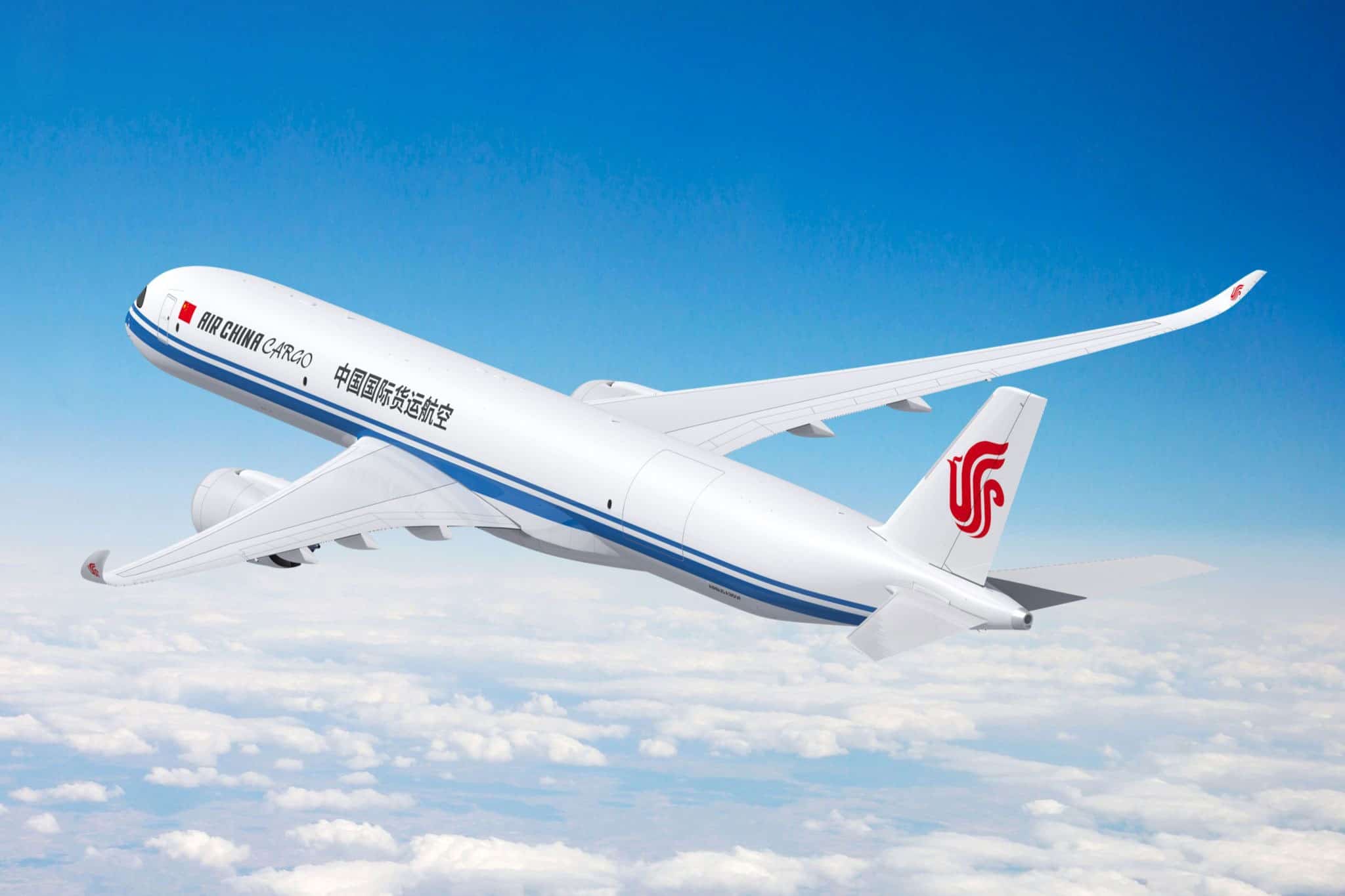
Modernization and Expansion of Transport Capacities at Air China Cargo
Air China Cargo is currently undergoing a phase of significant expansion and modernization of its cargo aircraft fleet. By signing a purchase agreement with Airbus for four additional A350F freighters, the company is increasing its total number of orders for this aircraft model to ten. Six A350F aircraft were originally ordered as early as November 2025. This investment is part of a strategic realignment aimed at optimizing the fleet structure and increasing transport capacity to meet the demands of the international air cargo market. In doing so, Air China Cargo lays a solid foundation for stable long-term development.
Strategic Importance and Fleet Integration
The decision to acquire additional A350F freighter aircraft reflects confidence in the quality and innovative strength of Airbus. The A350F is considered the most modern freighter aircraft on the market and is specifically designed to meet the evolving needs of the global air cargo industry. Air China Cargo began introducing Airbus freighters to the market in late 2023 and currently operates a fleet of eight Airbus A330-200P2F aircraft. The addition of the A350F will ideally complement the existing fleet, enhancing its capabilities – particularly on long-haul and medium-to-long-range routes.
The A350F stands out thanks to its exceptional range capabilities of up to 8,700 kilometers with a maximum payload of 111 tons. The aircraft is constructed from over 70% advanced materials, making it 46 tons lighter than competing models. This results in improved fuel efficiency and lower operating costs. The integration of the A350F fleet represents a significant enhancement of Air China Cargo’s flexibility and capacity – a factor of particular importance in a high-demand international air cargo market.
Environmental Friendliness and Technological Innovations
The A350F is powered by the latest Rolls-Royce Trent XWB-97 engines, which enable a reduction in fuel consumption and CO₂ emissions of up to 20% compared to older generations of aircraft. This complies with the strictest standards set by the International Civil Aviation Organization (ICAO) for 2027. Furthermore, the aircraft is capable of operating on up to 50% Sustainable Aviation Fuel (SAF) from day one. Airbus even plans to enable the use of 100% sustainable aviation fuel by 2030, which will contribute significantly to reducing the ecological footprint.
The combination of maximum efficiency, eco-friendly technology, and long range makes the A350F a future-proof solution for the air cargo industry. These advantages are directly aligned with the need of airlines and cargo operators to operate a fleet that is both sustainable and economical – one that meets both growing market demands and stricter environmental regulations.
Outlook and Significance for the Global Air Cargo Market
As of the end of April 2026, the A350F has already recorded 101 orders from a total of 14 customers worldwide. This significant sales volume underscores the appeal and competitiveness of this model within the air cargo industry. By expanding its fleet with four additional aircraft, Air China Cargo strengthens its position as a major player in international cargo transport and positions itself for sustainable growth.
In the long term, the use of modern cargo aircraft – such as the A350F – enables efficiency gains that translate into lower operating costs and higher utilization across all flights. At the same time, the company can demonstrate to environmental stakeholders its willingness to actively contribute to the reduction of emissions. Combined with the existing Airbus A330-200P2F aircraft, this creates a versatile fleet that can be deployed flexibly on both secondary and primary traffic routes.
In summary, the investment in the four additional A350F aircraft represents a logical response to the dynamic developments in the international air cargo market. It strengthens Air China Cargo’s position and sets new standards for modern air freight operations in terms of economic efficiency, range, and sustainability.