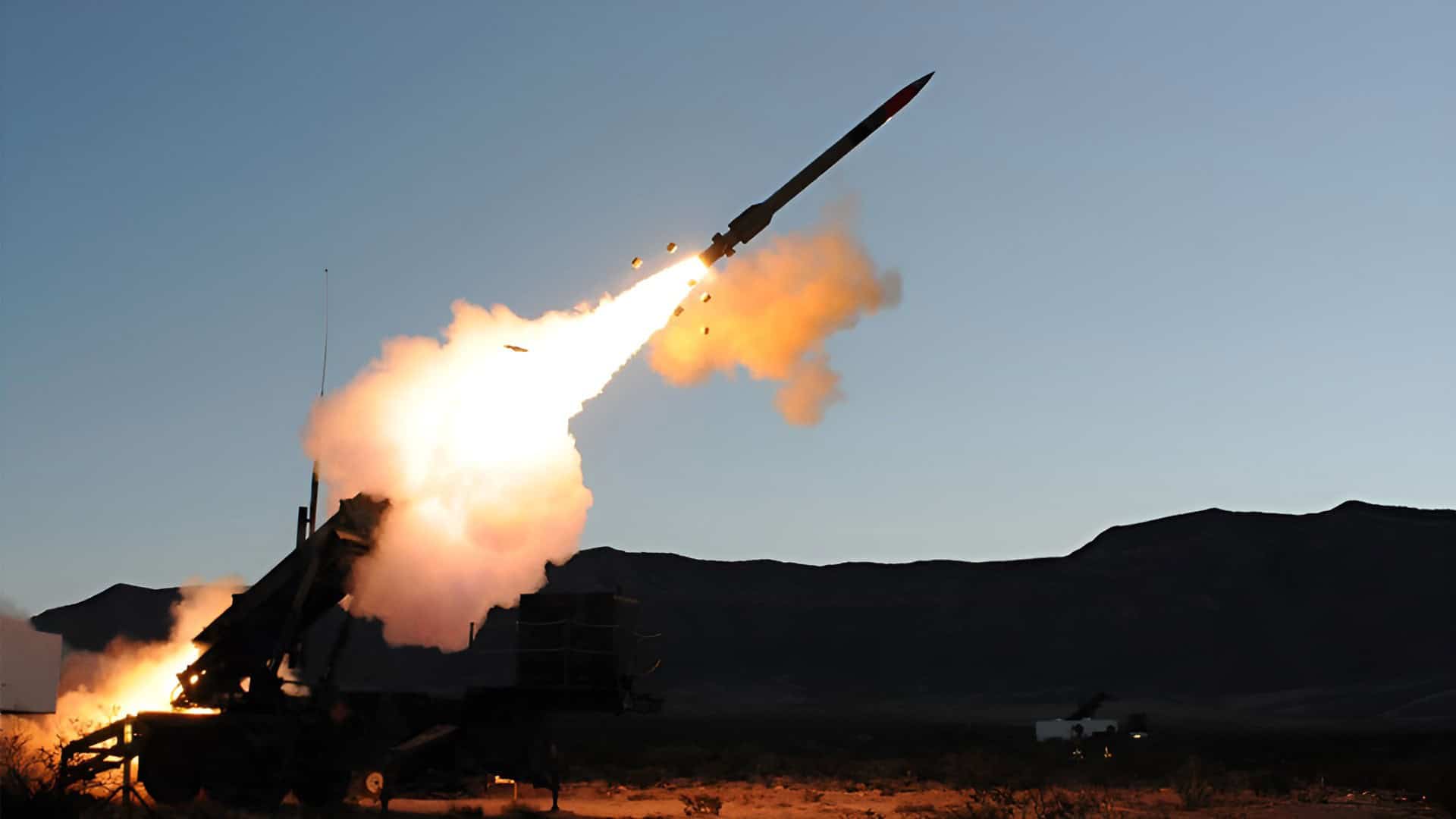
Growing Importance of PAC-3 MSE Seekers in Modern Air Defense
In a significant development within the defense sector, Boeing has been awarded a seven-year contract aimed at substantially expanding production capacity for PAC-3 Missile Segment Enhancement (MSE) seekers. This component plays a pivotal role in the defense system by enabling Patriot interceptors to effectively detect and intercept complex, highly advanced threats. The initiative is part of a broader strategy to boost production output and thereby strengthen the operational capabilities of the armed forces. A key focus is supporting the Pentagon’s procurement reform – known as the Acquisition Transformation Strategy – which is designed to ensure the rapid and efficient acquisition of critical technologies.
The development and manufacture of PAC-3 MSE seekers is not handled solely by Boeing; the process also entails modernizing supply chains and strengthening supplier relationships to make production more flexible, cost-efficient, and resilient. Factors such as automation technologies and improved manufacturing processes contribute significantly to a higher first-pass quality rate, thereby decisively enhancing system reliability.
Increased Production and Impact on the Huntsville Industrial Hub
The investments associated with the contract will enable a tripling of the production rate for PAC-3 MSE seekers over the next seven years. This represents a massive expansion of manufacturing capacity and simultaneously strengthens the industrial base in Huntsville, Alabama. New jobs are being created there—both directly in production and indirectly within the supplier companies and service sectors linked to the value chain.
This increase in production makes a significant contribution to the “Arsenal of Freedom” – a concept describing the U.S. capacity to supply high-quality defense equipment in large quantities to ensure both homeland defense and support for international allies. At the same time, the initiative embodies the ambition not only to technologically strengthen the defense system of the future but also to make production and supply chains more resilient in the face of global challenges.
Technological Advancements and Strategic Importance of the PAC-3 MSE System
PAC-3 MSE seekers are highly advanced sensor technologies that enable Patriot interceptor systems to efficiently address both conventional and emerging threats. These include not only conventional hostile aircraft but also ballistic missiles, hypersonic missiles, and cruise missiles. The technology enables precise target acquisition and tracking, allowing the interceptor missiles to be deployed with greater precision and, consequently, greater effectiveness.
A focus on quality and innovation is crucial to ensuring the performance of defense systems. Innovations and investments in state-of-the-art manufacturing facilities and automated processes enable higher production speeds while maintaining the strictest quality standards. This is of vital importance given the global security environment, as threats are evolving rapidly and require continuous adjustments in defense technology.
Close cooperation with key suppliers also boosts the agility of the production chain and ensures that suppliers can respond quickly to demand. Modern control mechanisms and process optimizations help minimize waste and delays, ultimately contributing to more robust and sustainable manufacturing.
Conclusion: Strengthening defense capabilities and future prospects
The substantial contract volume with Boeing underscores the strategic importance of PAC-3 MSE seekers for national and international security. The significant expansion of production capacity not only addresses current defense-related challenges but also lays the groundwork for future requirements. This measure supports the implementation of the Pentagon’s Acquisition Transformation Strategy by making production faster, more efficient, and more resilient.
For the Huntsville region, the contract represents an economic boost that offers new opportunities to hundreds of skilled professionals and solidifies the area’s status as a key pillar of defense technology. For Boeing, it affirms its role as a leading provider of aerospace systems, continuously driving innovation and prioritizing the highest standards of quality.
Overall, the initiative strengthens the ability of the United States to provide effective protection using state-of-the-art technologies while simultaneously securing the competitiveness of its defense industry. It thus exemplifies the combination of technological advancements, strategic planning, and the expansion of industrial capacity to protect national interests and ensure international stability.