Introduction to the significance of the flap replacement program
The aviation industry faces constant challenges, particularly regarding aircraft maintenance and operational efficiency. A particularly critical component in this context is the landing gear, which ensures, among other things, the safe takeoff and landing of the aircraft. The introduction of a specialized exchange program for the Boeing 737 MAX landing gear marks a significant step forward, as this measure increases aircraft availability while simultaneously reducing maintenance costs. Boeing’s Landing Gear Exchange Program – now expanded to include the latest generation of the 737 MAX – represents an innovative solution that offers both economic and operational benefits to airlines worldwide.
Implementing such a program is not only a technical feat but also a key tool for enhancing operational reliability and reducing flight downtime. In this context, Boeing’s collaboration with renowned airlines like American Airlines plays a pivotal role in establishing new approaches to maintenance and spare parts supply within the aviation industry.
Expansion of landing gear component exchanges for the Boeing 737 MAX
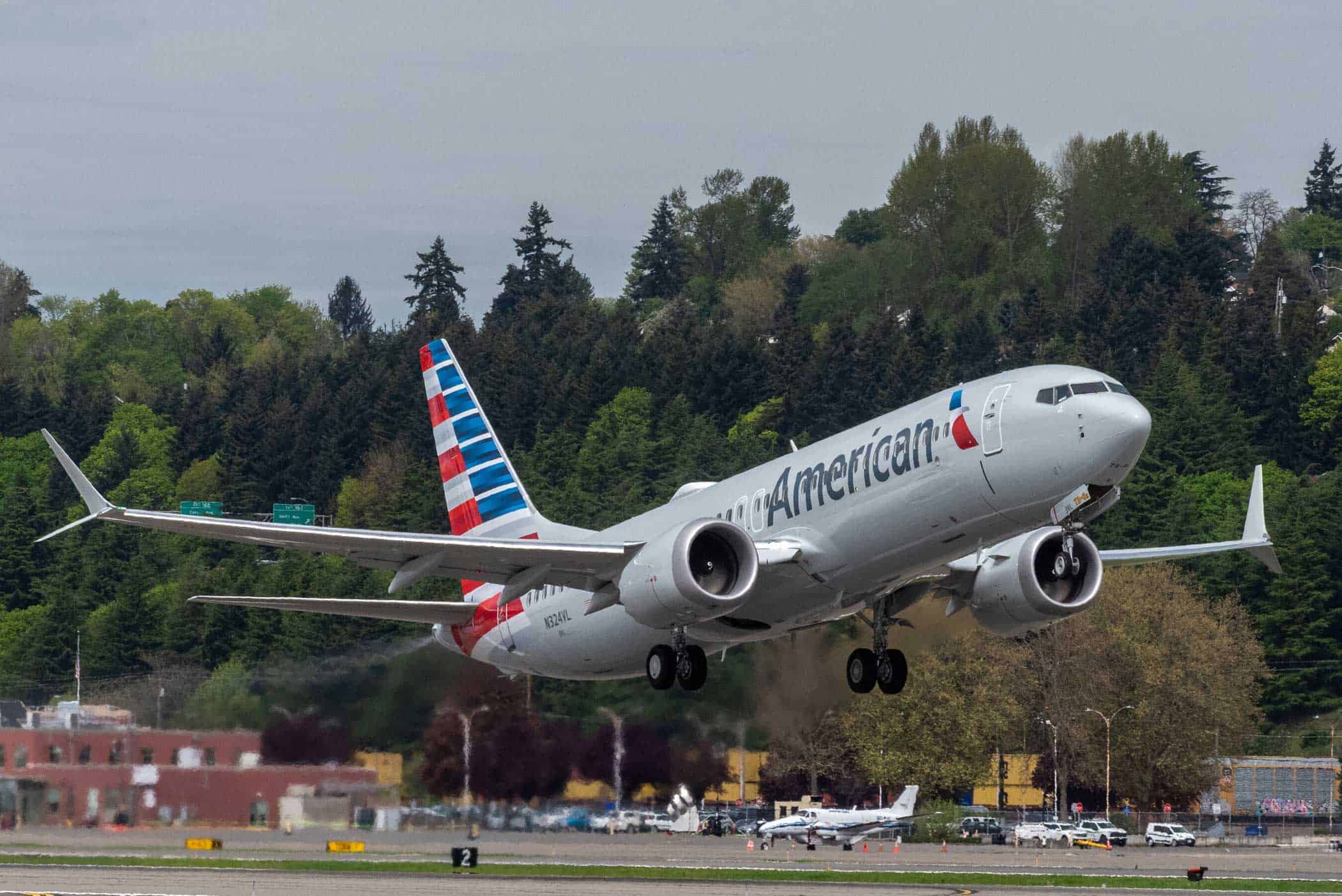
As the latest variant of a popular single-aisle aircraft family, the Boeing 737 MAX presents specific maintenance and spare parts requirements. The recent successful landing gear replacement – carried out through a collaboration between Boeing and American Airlines – highlights the effectiveness of the expanded exchange program. This process involves the complete overhaul and certification of main and nose landing gear assemblies, which are supplied as ready-to-install units. This approach minimizes aircraft downtime and reduces the need for operators to maintain extensive spare parts inventories.
The service offering encompasses not only the technical refurbishment of the landing gear but also comprehensive testing and adherence to all quality and safety standards. Customers benefit from a reliable solution characterized by full certification and high-quality overhaul. Furthermore, the program enhances the predictability of maintenance intervals and facilitates the integration of these tasks into operational flight schedules.
Expanding global overhaul capacities and collaborating with certified maintenance partners further improves geographic availability and significantly shortens lead times. The strategic goal is to provide customers with broader access to immediately available landing gear components and to make the exchange process more efficient.
Economic benefits and operational optimizations through the exchange program
Landing gear exchange goes far beyond the mere supply of spare parts, significantly impacting airlines’ operational efficiency and cost structures. The option of “forward exchange” – whereby overhauled landing gear assemblies are swapped on-site for components requiring replacement – eliminates lengthy repair times on the aircraft. This minimizes the risk of unexpected, costly breakdowns or groundings, a factor of particular importance in airline operations.
Furthermore, airlines can reduce the capital tied up in inventory by no longer needing to stock large quantities of expensive spare parts. Instead, the program allows them to reserve exchange units, thereby freeing up funds for other operational investments. Boeing’s handling of technical overhauls, implementation of service documentation, and coordination with suppliers relieves the burden on airlines and provides them with greater planning certainty.
This strategic shift in maintenance logistics fosters the sustainable optimization of fleet availability and supports effective asset management. Operators also benefit from improved aircraft utilization metrics and a more stable cost structure regarding aircraft maintenance.
Concluding remarks on innovations in landing gear management for modern aircraft
Boeing’s commitment to continuously adapting existing maintenance programs to technical and economic developments is exemplified by the recent success of the landing gear exchange program for the 737 MAX. The expansion of this service represents a milestone that enables airlines to optimize their operations while simultaneously maintaining the highest standards of quality and safety.
This initiative not only addresses immediate challenges regarding spare parts supply but also fosters long-term operational resilience and cost-efficiency. By combining technical innovation, global infrastructure, and close collaboration with industry partners, it is setting new standards in aircraft maintenance.
The use of such programs highlights the importance of a holistic approach to aircraft management, in which quality, availability, and cost optimization go hand in hand. Looking ahead, the continued development of these programs will significantly influence the maintenance strategies of modern aircraft fleets worldwide and serve as a model for similar initiatives in other areas of aviation.
In conclusion, the success of the exchange program for the Boeing 737 MAX landing gear not only underscores its technical reliability but also yields lasting economic benefits. This contributes to strengthening the competitiveness of airlines and fosters more efficient and safe air travel on a global scale.