A milestone in the aviation history of Kazakhstan
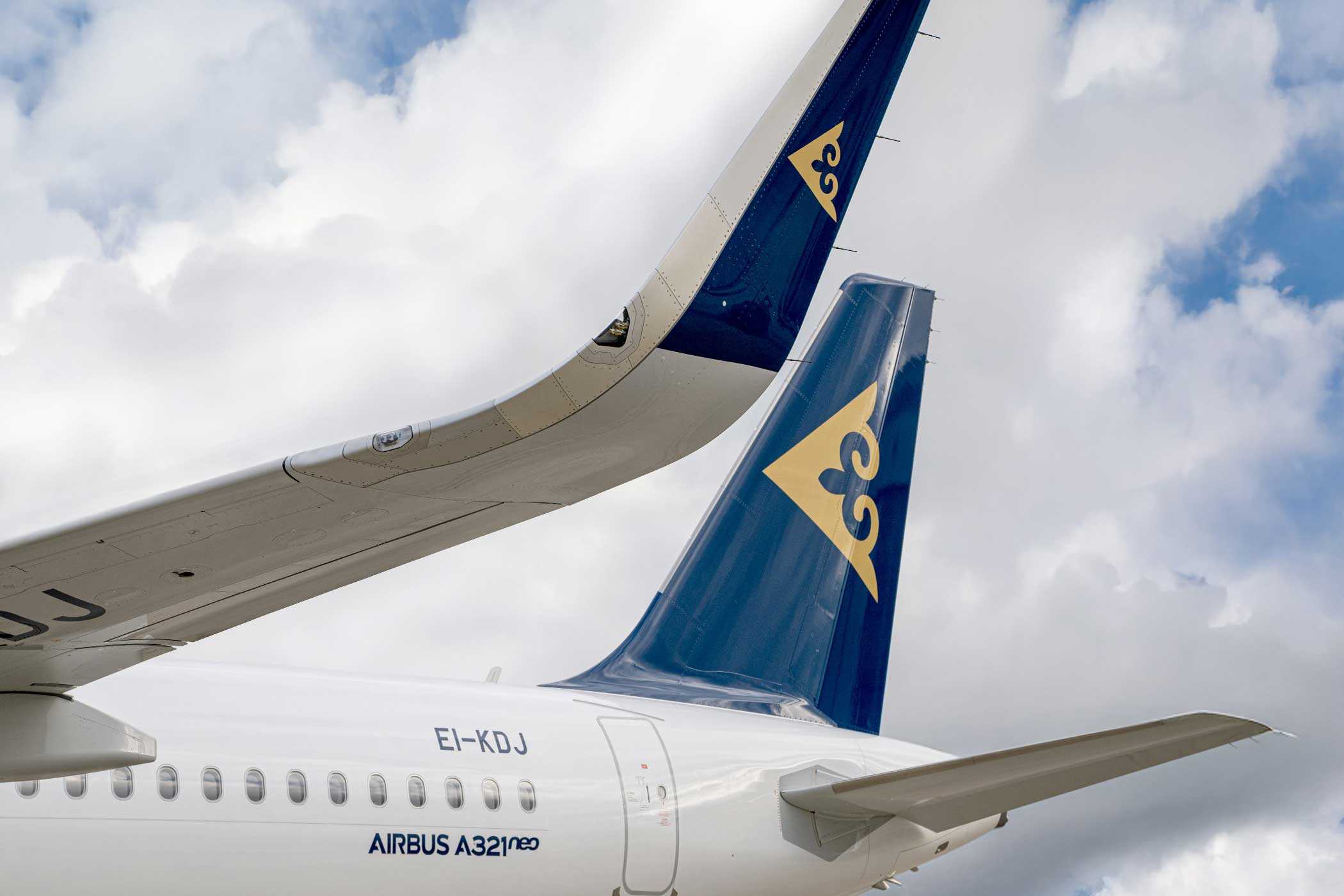
The partnership between Air Astana and Airbus now spans over two decades and marks a significant chapter in Kazakhstan’s aviation development. Since February 2006, when Air Astana put its first aircraft from the Franco-European manufacturer into service, the relationship between the two companies has steadily deepened. This step has contributed significantly to the modernization and expansion of the Kazakh airline’s fleet. Continuous investment in the Airbus fleet not only supports increased efficiency and environmental sustainability but also ensures the satisfaction of numerous passengers.
Fleet expansion and modernization
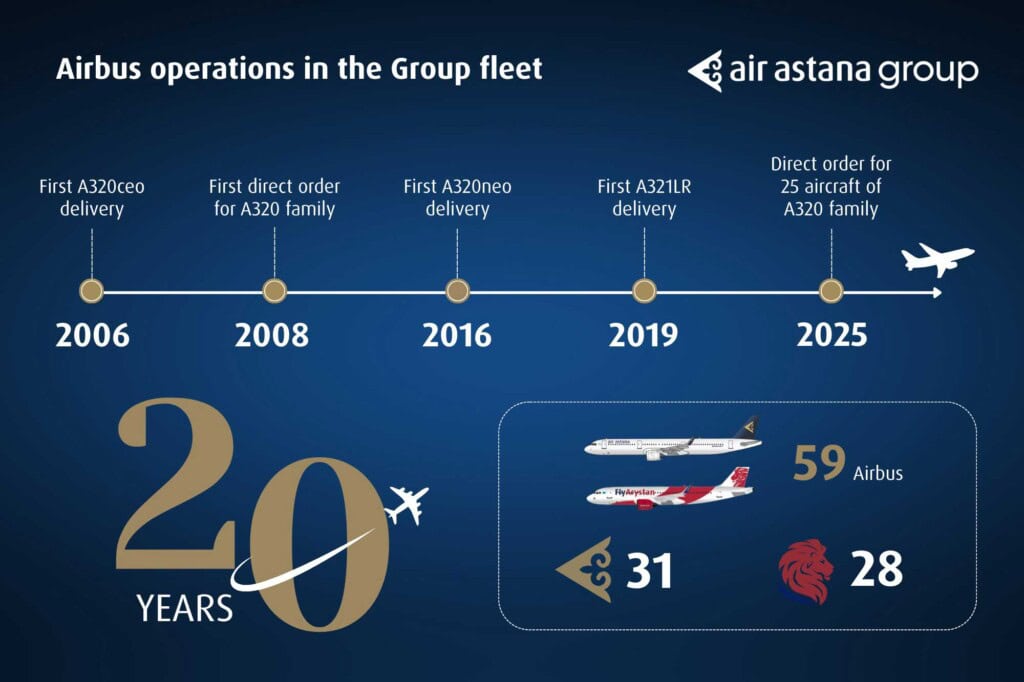
Over time, Air Astana significantly expanded its Airbus fleet, which today comprises almost 60 aircraft. The strategic decision to invest in new Airbus A320 family aircraft reflects a long-term commitment to continuous development and performance improvement. Of particular note is the first direct order placed in 2008, which was followed years later by the first deliveries in 2012 and 2013. This order represented a significant milestone, as it was the first direct order placed with Airbus since Kazakhstan’s independence in 1991. This event symbolizes the progress of Kazakhstan’s aviation industry and its integration into global air transport.
Of particular importance was the introduction of the Airbus A320neo in 2016. Air Astana was one of the first operators worldwide to put this model into service with improved fuel efficiency. The A320neo family represents the latest technologies in terms of fuel consumption and emissions, contributing to the airline’s sustainable development. By operating such advanced aircraft, Air Astana positioned itself as a pioneer in the fight against climate change in air transport.
Expansion of the route network using modern aircraft
The introduction of the Airbus A321LR in 2019 opened up new opportunities for Air Astana, particularly for long-haul flights. This aircraft impressed with its range and efficient performance, enabling the airline to expand its route network. One of the most notable connections is the approximately nine-hour nonstop route from Almaty to London, one of the longest routes operated with this narrow-body aircraft type. This connection symbolizes not only technological advancements but also the increased demand for intercontinental flights from Kazakhstan.
The choice of fleet composition, which today consists predominantly of Airbus aircraft, underscores the airline’s confidence in the manufacturer’s quality and reliability. With 41 A320/A321neo family aircraft and 18 A320/A321ceo series aircraft, Air Astana boasts a modern fleet that can flexibly respond to market demands. The recent shareholder approval for the purchase of an additional 25 Airbus A320 family aircraft reinforces its strategy of renewal and growth.
Sustainability and passenger comfort are the focus
In recent years, Air Astana has focused not only on increased fleet turnover but also on environmental sustainability and passenger comfort. The aircraft from the Airbus A320neo family offer significant improvements in fuel efficiency, which not only reduce operating costs but also substantially lower CO2 emissions. At the same time, passenger cabins are being modernized to ensure greater comfort and improved in-flight services. This is a crucial factor for Air Astana to remain competitive in an increasingly competitive aviation market.
The flexible deployment capabilities of the Airbus narrowbody models enable the airline to operate a wide variety of routes economically. This helps the airline expand its reach while simultaneously meeting the individual needs of its passengers.
Future prospects of the partnership model
The long-standing cooperation forms a solid foundation for future schedules and fleet development at Air Astana. The investment in modern aircraft will align with the airline’s sustainability strategy and strengthen its competitiveness. This strategic commitment will not only ensure Air Astana remains well-positioned to meet growing demand for air travel, but will also establish it as a pioneer in the region for environmentally conscious aviation.
This successful partnership illustrates how technological innovation and close cooperation between airline and aircraft manufacturer can work together harmoniously. The commitment to efficiency and comfort will continue to shape the image of aviation in Central Asia.
Conclusion: Flexible deployment options and expansion of the route network
The partnership between Kazakhstan’s leading airline and Airbus impressively demonstrates how sustainable development and innovation are impacting the aviation industry. From the acquisition of the first Airbus A320 in 2006 to the latest investments in the A320neo family, it reflects strategic growth focused on modern technology, extended range, and enhanced passenger comfort. The continuous fleet renewal underscores Air Astana’s commitment to efficiency and environmental awareness, which are crucial factors in today’s air travel sector.
With a fleet of nearly 60 Airbus aircraft and future investments in additional planes, Air Astana remains an example of successful collaboration in the global aviation industry. The innovative aircraft types enable flexible deployment options and contribute significantly to the expansion of the route network. This allows the airline to further solidify its position as a major player in international air transport and meet the growing demands of the market.
More about Air Astana
Air Astana Group expands fleet with Airbus A320neo to 60 jets
Die Air Astana Group, führend in Zentralasien, hat ihre Flotte mit der Einführung eines weiteren Airbus A320neo auf 60 Flugzeuge vergrößert. Diese Expansion unterstützt…
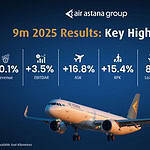
Air Astana’s business figures show revenue growth and robust performance
The aviation industry constantly faces multiple challenges that impact growth, profitability, and capacity planning. In 2025, a Kazakh aviation company that…