63rd aircraft in the Air Astana Group fleet
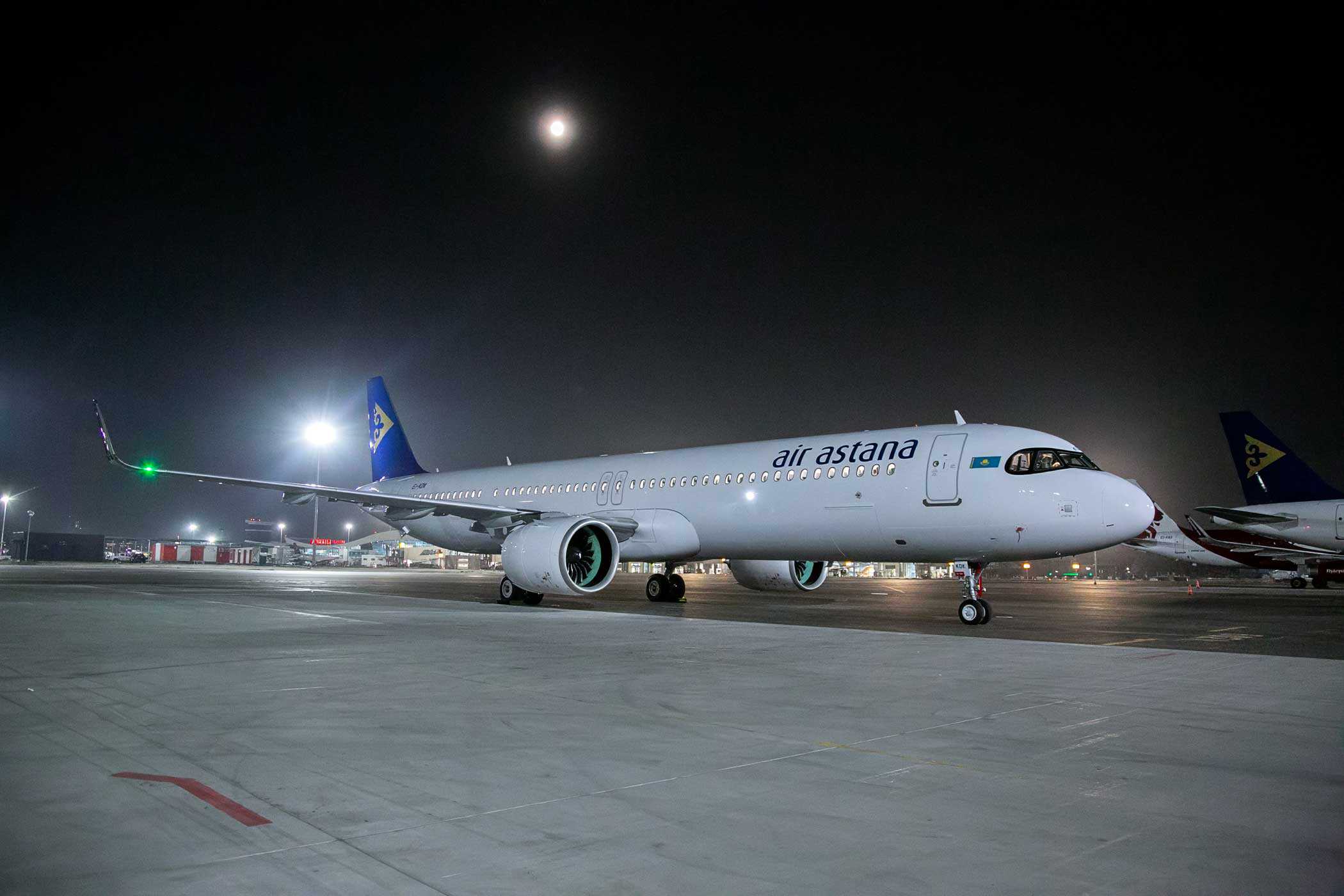
The aviation industry is increasingly under pressure to deploy more efficient and environmentally friendly aircraft to meet global challenges such as climate change and rising demand. In this context, Kazakhstan’s Air Astana has taken a significant step by taking delivery of the latest Airbus A321neo directly from the Airbus factory in Hamburg. This aircraft represents the 63rd addition to the Air Astana Group’s fleet and is a key element in its strategy to expand capacity and develop its extensive route network. This modern jet reflects the airline’s balance of technological advancement, sustainable flying, and customer-centric service philosophy.
Fleet strategy and fleet homogeneity at Air Astana
Air Astana pursues a clear fleet strategy focused on homogeneity and efficiency. The focus on Airbus aircraft enables the airline not only to optimize operations but also to achieve high reliability, which is crucial for its competitive advantage in both national and international markets. The integration of the Airbus A321neo perfectly complements this strategy, as the jet belongs to the latest generation of aircraft and offers significant technological improvements.
Fleet homogeneity simplifies, among other things, the planning of maintenance and personnel training. When aircraft of the same type are used, airlines can leverage synergies that translate into lower operating costs and improved service quality. At Air Astana, the fleet of 63 aircraft, including the low-cost subsidiary FlyArystan and the full-service airline, enables flexible and demand-driven deployment planning. This allows for efficient coverage of both domestic Kazakhstani routes and regional and international routes.
Technical advantages of the Airbus A321neo
The Airbus A321neo is a pioneer in fuel efficiency and environmental sustainability. With advanced engines and aerodynamic improvements, the aircraft boasts significantly reduced CO2 emissions compared to its predecessors. For airlines like Air Astana, this represents a crucial contribution to meeting international environmental standards and supports the sustainable development of air travel.
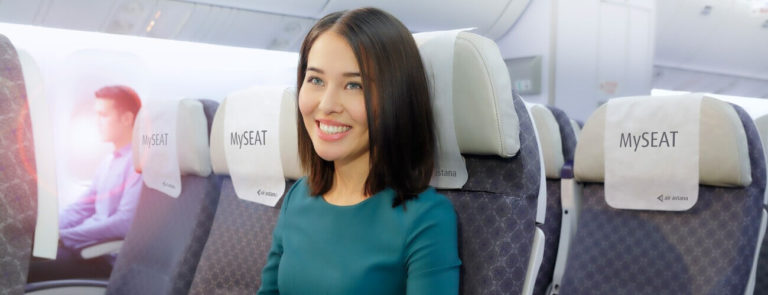
Furthermore, the A321neo enhances the passenger experience through modernized cabin concepts that offer greater comfort and quieter operation on board. Larger windows, optimized seat layouts, and quieter engines increase comfort on short- and medium-haul flights. Its capacity also meets the demands of growing markets, as the aircraft can be flexibly used for various route lengths and seating configurations.
The introduction of the A321neo into Air Astana’s fleet exemplifies the company’s commitment to combining state-of-the-art technology with economic efficiency, without losing sight of environmental aspects and customer satisfaction.
Strategic importance for the route network and capacity expansion
With the new aircraft, Air Astana is expanding its capacity not only quantitatively, but also qualitatively. The aircraft enables its use on various national and international routes, including key routes in Central Asia and the Caucasus, as well as long-haul connections to Europe and Asia. This diversification supports the airline’s goal of playing a significant role as a transport hub in the region while simultaneously meeting the travel needs of its growing population.
Air Astana is using the A321neo to dynamically expand its route network and increase frequencies on high-demand routes. The aircraft’s versatility facilitates its deployment on short- and medium-haul routes, optimizing fleet utilization. Furthermore, this move strengthens the airline’s position as a competitive provider in a market dominated by international and regional competitors.
The integration of modern jets into flight operations also sends a signal to investors and partners of the Air Astana Group, which is listed on both the Kazakh and London Stock Exchanges. Through transparency and innovation, the group secures long-term competitive advantages and builds confidence in the future viability of its business models.
Air Astana Group: Marktposition und Auszeichnungen
With a fleet of 63 aircraft and an extensive route network, the Air Astana Group is one of the largest airline groups in Central Asia and the Caucasus. The group operates both a full-service airline and a low-cost carrier called FlyArystan, which has been growing steadily since its founding in 2019 and is expanding access to affordable flights in the region.
Air Astana’s success is also reflected in its awards: it has been recognized as the best airline in Central Asia and the Commonwealth of Independent States (CIS) by the consulting firm Skytrax 14 times in a row. Additionally, it received five stars in the major airline category from the Airline Passenger Experience Association (APEX). These accolades underscore the airline’s continuous investment in improving service quality, customer experience, and operational efficiency.
A commitment to quality and sustainability is part of the company’s strategy, which focuses on innovation as well as environmental and social responsibility. The new aircraft complements this profile with its future-oriented technology and its positive impact on the fleet’s environmental footprint.
Sustainable expansion of Air Astana
The addition of the Airbus A321neo to Air Astana’s fleet marks a significant milestone for the airline and the entire Central Asian aviation region. This aircraft represents a modern and sustainable growth strategy that prioritizes fuel efficiency, environmental considerations, and passenger comfort. By expanding its capacity and extending its route network, Air Astana can meet the increasing demands of air travel while further solidifying its excellent reputation as a leading airline in Central Asia.
The strategic focus on a homogeneous Airbus fleet supports the efficiency and reliability of operations, while the diverse capabilities of the A321neo enable optimal adaptation to changing market conditions. This allows the Air Astana Group to remain a significant player both regionally and internationally, while also prioritizing innovation and sustainability as driving forces behind its success. The combination of proven services and future-oriented technology ensures the airline’s competitiveness in the demanding global air transport market.
In the future, Air Astana’s sustainable expansion will continue to be supported by such investments in modern aircraft, benefiting both passengers and the environment. The airline is thus making a significant contribution to the development of aviation in Central Asia and beyond, and exemplifies how economic and environmental interests can be reconciled.
More about Air Astana