Introduction to fleet modernization at Air Canada
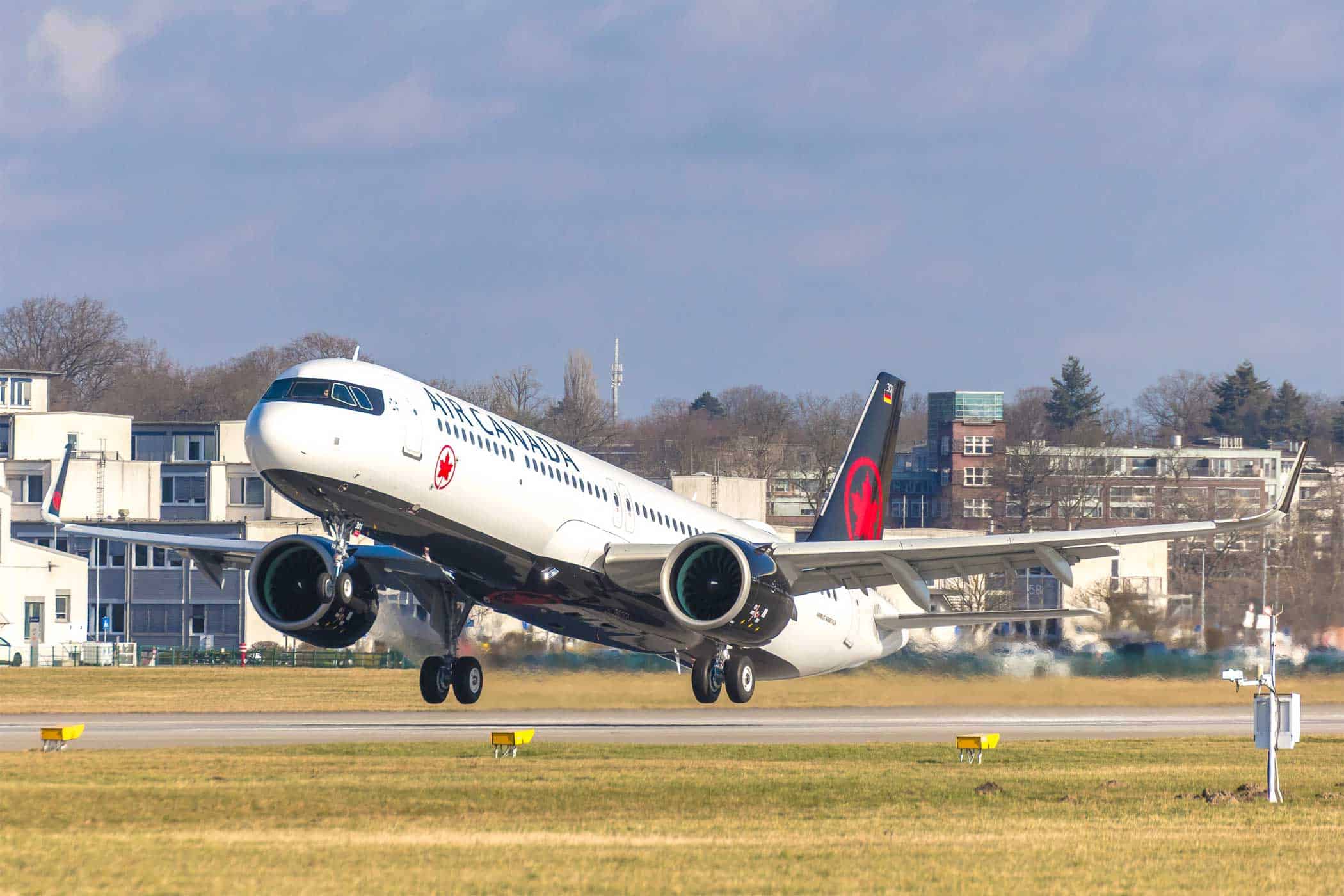
Air Canada has taken a significant step in its long-term fleet modernization strategy with the delivery of the first of 30 ordered Airbus A321XLRs. This aircraft type, leased from SMBC Aviation Capital, will play a crucial role in bridging the gap between short-haul narrow-body aircraft and wide-body long-haul jets. The deployment of the A321XLR will enable Air Canada to efficiently expand its route network, launch new routes, and operate existing routes more economically. As the first airline in Canada to use this aircraft model, Air Canada marks a significant step forward in innovation for the domestic aviation industry.
Technical features and cabin comfort of the Airbus A321XLR
The Airbus A321XLR is an evolution of the proven A320neo family, specifically optimized for range and cargo capacity. Equipped with new Pratt & Whitney GTF engines, the aircraft achieves an exceptional range of up to 4,700 nautical miles, enabling long-haul operations, including transatlantic flights. At the same time, it offers 30% lower fuel consumption per seat compared to its predecessors, as well as reduced NOx emissions and lower noise levels. Air Canada has designed the aircraft’s cabin with an innovative two-class layout suitable for both transcontinental and transatlantic flights. The premium section features 14 fully lie-flat seats in a 1-1 configuration, providing every passenger with direct aisle access, while the economy section offers 168 seats.
Another key feature is the newly introduced Airspace interior design, which boasts state-of-the-art in-flight entertainment technology, including Bluetooth audio and extensive seat connectivity. The large overhead luggage compartments have been redesigned to offer 60% more storage space than conventional models. Advanced ambient lighting further enhances the overall travel experience and actively helps reduce passenger jet lag.
Economic and environmental importance for Air Canada’s network
The introduction of the A321XLR not only gives Air Canada the opportunity to significantly expand its route network, but also has a positive economic impact. The increased range enables, for example, nonstop connections from Montreal and Toronto to European destinations such as Berlin, Toulouse, and Edinburgh, which were previously not directly accessible. This opens up new market segments, particularly secondary cities, which can be reached without a stopover and are therefore more attractive to both business and leisure travelers.
Furthermore, the new generation of aircraft helps to reduce operating costs and increase efficiency, which is of great importance given the increasing demands for fuel efficiency and environmental regulations. Airbus has also accelerated the certification of the A321XLR for operation with up to 50% Sustainable Aviation Fuel (SAF), an important step towards greener aviation. Airbus also plans to design its aircraft for 100% SAF operation by 2030, underscoring the importance of the A321XLR for sustainable fleet development.
With over 500 orders through March 2026, this model is also a great success in the market and represents an important building block in Air Canada’s fleet renewal strategy. The existing Airbus fleet of 136 aircraft and a further 61 on order, including the modern A350 series, demonstrate Air Canada’s long-term commitment to this brand and its technological advancements.
Conclusion on the importance of the Airbus A321XLR for Air Canada
The delivery of the first Airbus A321XLR marks a strategic milestone in the further development of the Air Canada fleet. This aircraft will allow the airline to efficiently expand its long-haul capacity and tap into new markets, bringing both economic and environmental benefits. The combination of long range, modern cabin amenities, and improved environmental performance optimally positions Air Canada in the growing competition on transcontinental and transatlantic routes.
Furthermore, by deploying a sustainably designed aircraft, Air Canada is sending an important signal for the responsible use of resources and the future of aviation. In summary, the Airbus A321XLR represents the next evolutionary stage of modern aircraft technology for the airline and will significantly contribute to its success and competitiveness in the North American and international air transport markets. The close collaboration with Airbus and the investment in this aircraft family are based on solid foundations and underscore the ambition to expand market leadership through innovation and sustainability.
More about Air Canada