Introduction to Fleet Modernization at SAS
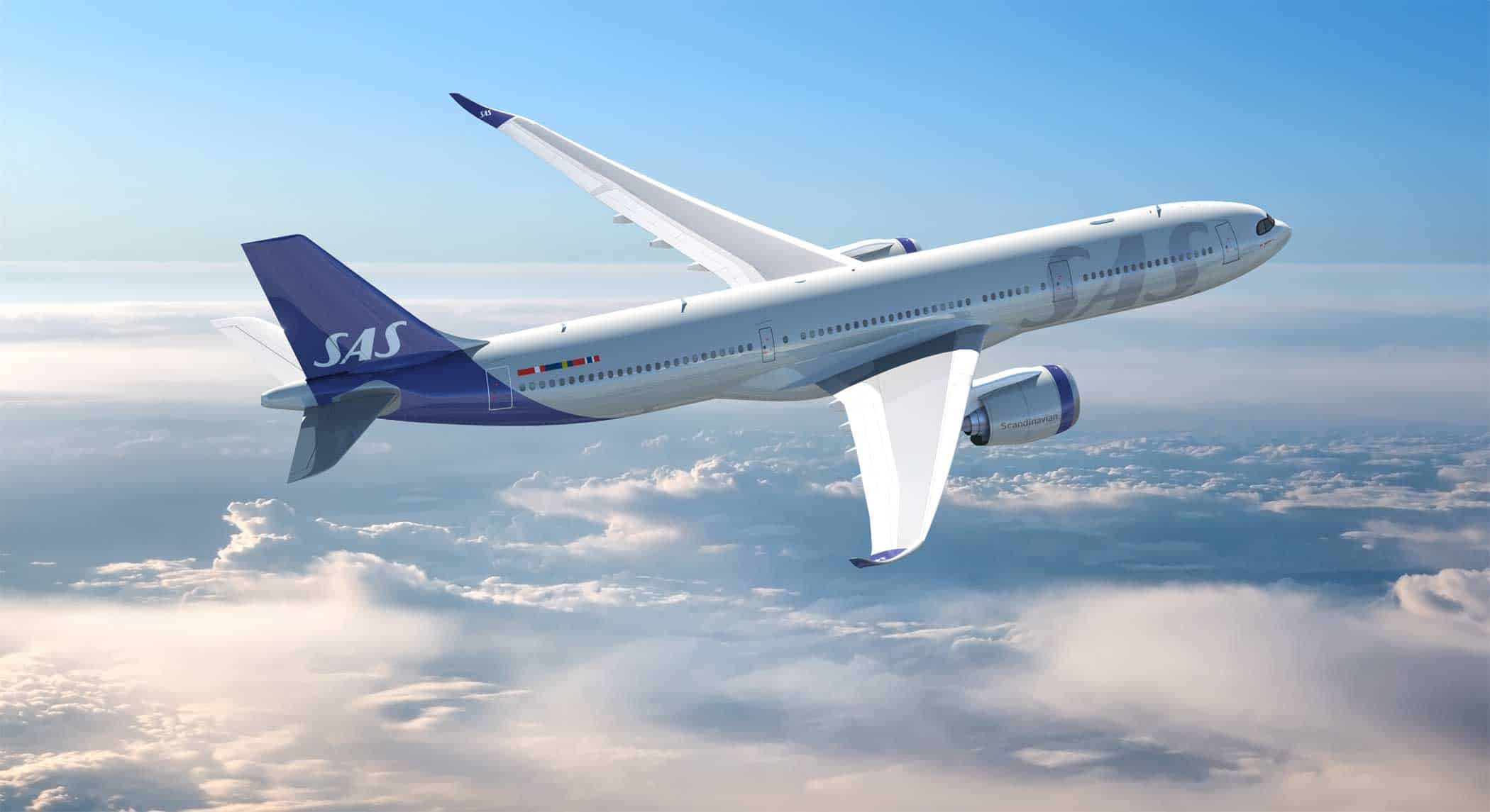
The Scandinavian airline SAS has taken a significant step in its fleet strategy by placing a firm order for 18 Airbus A330-900 aircraft. This move is central to a long-term strategy aimed at renewing and modernizing the airline’s fleet. The contract was signed in Copenhagen by SAS CEO Anko van der Werff and Benoît de Saint-Exupéry, Airbus’s Executive Vice President of Sales. This event marks not only an investment in new aircraft but also an enduring partnership between the manufacturer and the airline – one grounded in technological innovation, cost-efficiency, and environmental responsibility.
The introduction of the A330-900 supports SAS in the targeted expansion of its international route network. This makes it possible to significantly increase capacity on existing high-frequency routes and add new destinations to the schedule. This expansion is closely linked to the airline’s heightened requirements regarding efficiency, comfort, and sustainability.
Technological advancements and efficiency of the A330-900
The Airbus A330-900, part of the A330neo family, is a state-of-the-art long-haul aircraft equipped with advanced Rolls-Royce Trent 7000 engines. These engines belong to the latest generation and enable a non-stop range of up to 8,100 nautical miles (15,000 kilometers). One of the fleet’s most significant achievements is a reduction in fuel consumption, CO2 emissions, and operating costs of around 25 percent compared to older models and competing aircraft from the previous generation.
These advantages make the A330-900 one of the most cost-effective and environmentally friendly options for long-haul passenger air travel. Its advanced design and optimized aerodynamics also contribute significantly to extending maintenance intervals and minimizing the environmental footprint. From SAS’s perspective, this offers significant potential to both increase operational efficiency and pursue environmental goals in air travel.
Another key to the A330neo’s success is its modern cabin interior, known as “Airspace.” This cabin ensures not only a high level of comfort for passengers and crew but also features innovative in-flight entertainment systems, enhanced lighting concepts, and efficient use of cabin space. This enables SAS to maintain a high-quality flight experience and meet the needs of diverse customer profiles.
Sustainability and Future Prospects in Air Transport
With the acquisition of the Airbus A330-900, SAS also aims to enhance environmental sustainability. The ability of these aircraft to operate using up to 50 percent Sustainable Aviation Fuel (SAF) represents a significant step forward. Airbus is actively working to ensure full compatibility with 100 percent sustainable aviation fuel by 2030. This commitment underscores the importance of decarbonization in commercial aviation – a priority increasingly demanded by both airlines and customers.
In addition to the use of sustainable aviation fuel, the deployment of the A330-900 enables a significant reduction in pollutant emissions through technical innovations. With this procurement decision, SAS positions itself as a pioneer in European aviation, combining environmental goals with economic viability. Furthermore, expanding fleet capacity through new, eco-friendly technologies boosts competitiveness and ensures a high level of service.
Summary and Outlook
With its substantial order of 18 Airbus A330-900s, SAS underscores its strategic focus on a modern and sustainable fleet. Integrating these aircraft enables not only a significant increase in efficiency and a reduction in environmental impact but also an expansion of the international route network, resulting in greater flexibility and comfort for passengers.
The combination of state-of-the-art technology, enhanced customer service provided by the Airspace cabin, and the use of sustainable aviation fuels positions SAS for the future in the global aviation market. Ongoing digitalization, coupled with environmental responsibility, is shaping the company’s evolution into an attractive and reliable airline.
In conclusion, the order for the Airbus A330-900 sends a clear signal of innovation and progress. This investment not only strengthens SAS’s economic stability but also represents a significant contribution to responsible and sustainable growth within the aviation sector. The implementation of this project will provide a major impetus for the entire industry and serve as a model for the integration of new technologies and eco-friendly concepts.