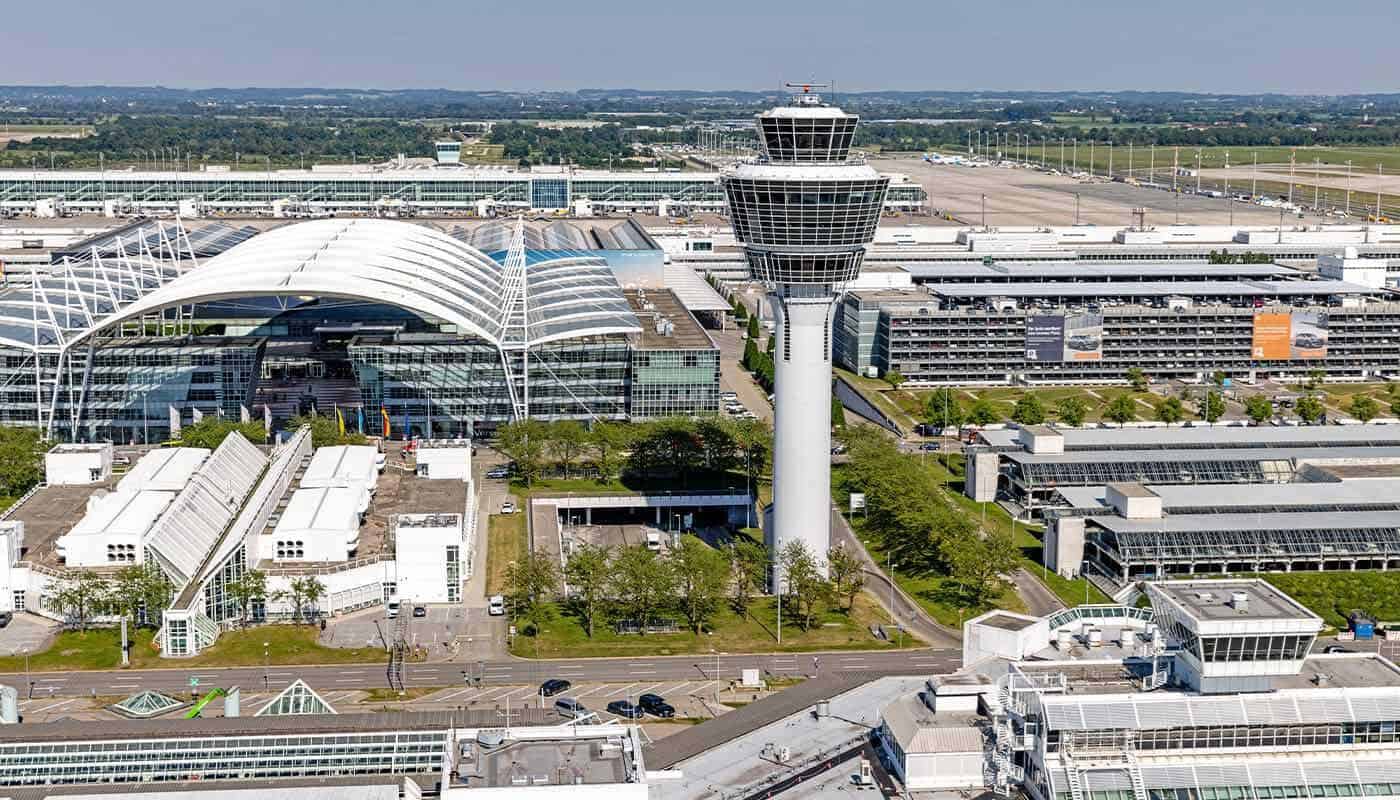
Expansion of flight connections between Munich and Bangkok
The Thai airline Thai Airways plans to significantly expand its existing flight services from Munich. Starting in mid-December 2026, three additional weekly non-stop flights between Munich and Bangkok will be introduced, bringing the total number of flights to ten per week. This expansion responds to growing demand for air travel between Germany and the Asia-Pacific region. The new services will be operated using modern Boeing 787-9 Dreamliner aircraft, while the existing daily flights are flown with the Airbus A350-900.
This expansion of the route network underscores Munich Airport’s strategic importance as an international hub. The expansion not only creates additional capacity for passenger traffic but also increases flexibility for travelers flying between Europe and Asia. Furthermore, it strengthens Bavaria’s vital connection to Thailand and other destinations in East Asia and Australia that are accessible via the Bangkok hub.
Modernization of the aircraft fleet and deployment of new aircraft
The integration of the Boeing 787-9 Dreamliner into Thai Airways’ fleet represents a technological advancement. These aircraft are known for superior fuel efficiency and enhanced passenger comfort, positively impacting both the travel experience and the environmental footprint. The Dreamliner features modern cabin amenities, such as improved air circulation, reduced noise levels, and more spacious seating configurations.
The Airbus A350-900, already in service on existing daily flights, complements the offering with similar benefits in terms of efficiency and comfort. The coordinated use of both aircraft types enables Thai Airways to optimally align capacity with demand and ensure a reliable flight connection.
This modern fleet supports the airline’s positioning as a leading provider within the route network connecting Europe and Southeast Asia. It also demonstrates ongoing investment in technological innovations and sustainable aviation solutions, in light of rising demands regarding environmental and comfort standards.
Significance of Munich Airport for international air traffic
The expansion of flight connections by Thai Airways reflects the growing importance of Munich Airport in global air travel. With its favorable geographical location, the airport serves as a hub for numerous international flight routes and as a gateway to Asia.
The additional connections to Bangkok not only provide passengers with direct travel options but also facilitate onward flights to other destinations throughout the Asia-Pacific region. The Bangkok hub offers extensive connecting opportunities to Australia, Southeast Asia, and other parts of Asia, making Munich Airport a key component of Thai Airways’ European route network.
The Chairman of the Executive Board of Flughafen München GmbH emphasizes the strategic importance of this development: the expansion of flight services by Thai Airways strengthens the airport’s position as a competitive hub in international aviation and enhances its appeal to passengers and business partners alike.
Economic and tourism impacts of the flight network expansion
Increasing the number of weekly flights also has a positive economic impact on the region. More direct connections between Munich and Bangkok boost business travel, facilitate tourism, and strengthen economic ties between Germany and Thailand. Improved accessibility supports companies in expanding international business relationships and offers flexible travel options for professionals.
In terms of tourism, the Free State of Bavaria, in particular, benefits from the improved connectivity, as an increasing number of travelers take the opportunity to discover the cultural and scenic attractions of both countries. Closer integration with the Asian market leads to an immediate rise in visitor numbers and supports various economic sectors surrounding Munich Airport, including the hospitality and catering industries, retail, and service providers.
In the long term, this development contributes to strengthening Munich as an international aviation hub and solidifies the airport’s role as a key node in a globally interconnected flight network.
Strategic Perspectives and Challenges for Thai Airways and Munich
Thai Airways’ decision to offer additional services from Munich is part of a comprehensive strategy to expand and diversify its flight portfolio. Given the rising demand for long-haul travel to the Asia-Pacific region, this capacity expansion represents a proactive response to market needs.
In addition to operational benefits, this development positions the airline within the competitive European landscape, particularly vis-à-vis other international carriers serving the Asian market. This expansion strengthens Thai Airways’ presence in Germany and creates advantages through closer integration into the European air transport network.
However, increasing capacity also entails challenges, such as those related to flight safety, ground logistics, operational coordination between the aircraft types in use, and demand planning. Furthermore, environmental considerations are central, as the aviation industry faces increasing pressure to find sustainable solutions for CO2 emissions. In this context, the use of modern, fuel-efficient aircraft is a key component of the strategy.
Future prospects for air traffic between Europe and Asia
The expansion of flight connections between Munich and Bangkok exemplifies a general trend in aviation that reflects increasing globalization and mobility. Rising passenger numbers and growing economic integration between Europe and Asia are continuously creating new opportunities for airlines and airports.
Innovative technologies, improved flight systems, and increasingly close cooperation between national and international partners will further enhance the attractiveness and efficiency of such connections. For Munich Airport, this means consolidating its role in a dynamic air transport market.
In the long term, such growth is expected to be accompanied by the further development of infrastructure at Munich Airport in order to meet capacity and service quality requirements. Cooperation between the airline, the airport operator, and other stakeholders will play a crucial role in ensuring sustainable growth.
Conclusion: Improved international networking
The expansion of the Thai airline’s flight services from Munich marks a significant step in air travel between Germany and Asia. By adding weekly flights and deploying modern aircraft, the airline is responding to rising demand while simultaneously strengthening Bavaria’s connectivity with the dynamic Asia-Pacific region.
Munich Airport benefits from this development through improved international connectivity, economic stimulus, and increased appeal as an aviation hub. At the same time, the industry is addressing the challenges of sustainability and efficiency in aviation – areas where innovative aircraft models such as the Dreamliner and the A350-900 offer important solutions.
Overall, the expansion of flight connections highlights the importance of dynamically adapting to changing market needs and underscores the role of modern air transport infrastructure as a key factor in economic and tourism development across Europe and beyond.