Introduction
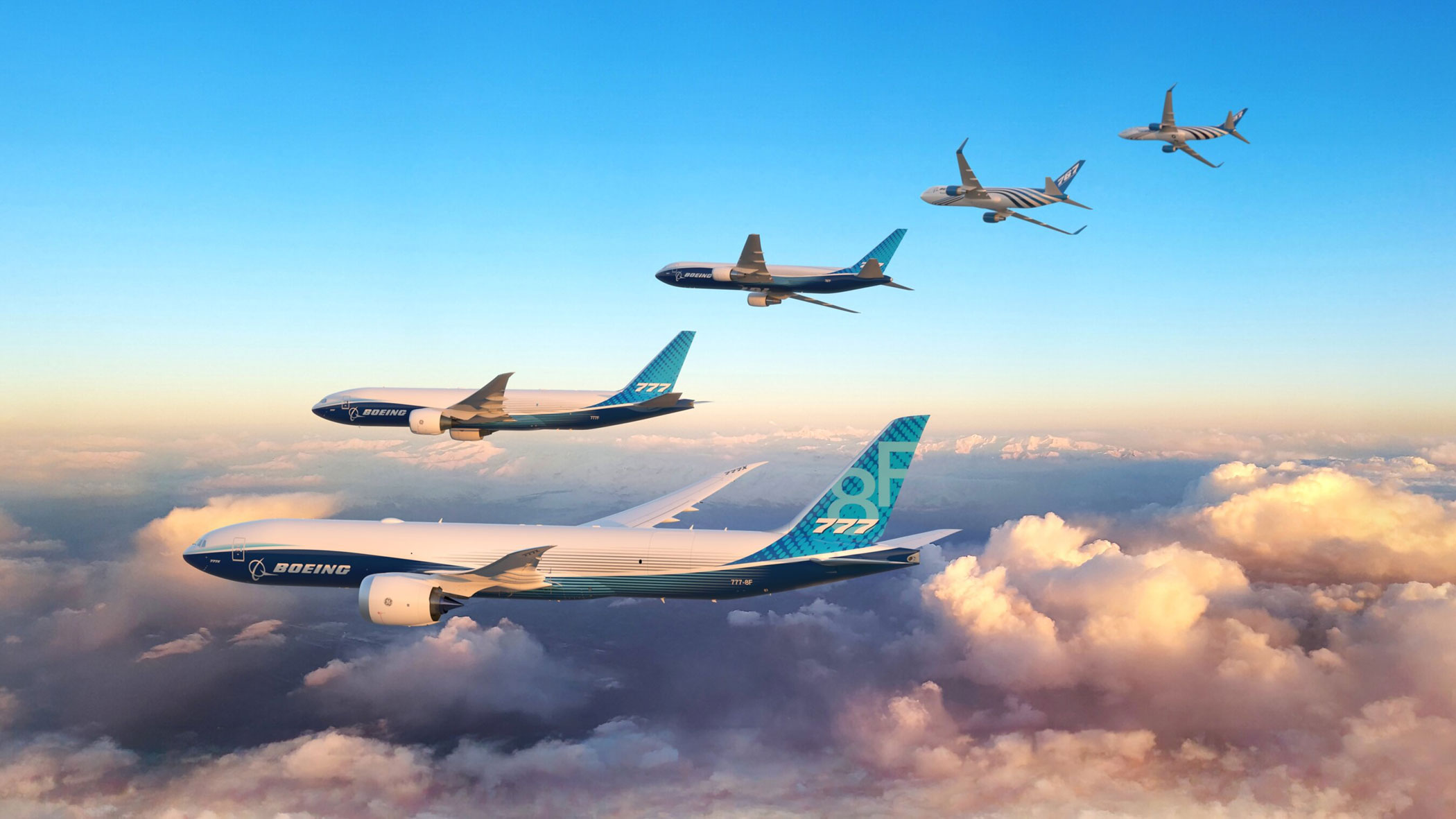
The air cargo industry is undergoing a profound transformation, driven by several key trends. In particular, the diversification of supply chains, the expansion of online retail, and the demand for technology products — especially in the field of artificial intelligence (AI) — are acting as powerful catalysts for growth. A recent outlook forecasts that global air cargo traffic will double over the next two decades. In tandem with this massive surge in volume, the number of freighter aircraft will need to increase significantly; the global fleet of cargo planes is expected to exceed 4,000 units by 2045. This growth is taking place against the backdrop of an increasingly complex global trade landscape, shaped by geopolitical influences and shifting trade routes.
Key Factors in Air Cargo Growth
The robustness and adaptability of the air cargo industry have become particularly evident in recent years. Despite a range of challenges — including political tensions and trade uncertainties — the sector reached a new record level of traffic in 2025. This growth of approximately five percent compared to the previous year underscores the sector’s resilience and its capacity to adjust to changing conditions.
A key growth driver is the increasing relevance of e-commerce. Direct-to-consumer sales rely on fast and reliable deliveries, which can only be achieved on a large scale through air freight. At the same time, the share of technologically sophisticated products — particularly those incorporating AI components — is steadily growing. Such products are characterized by high value, fragility, and time sensitivity, making them especially well-suited for air transport. By 2025, air freight had become the preferred mode of transport for more than 70 percent of all AI-related goods.
Furthermore, the increasing diversification of global supply chains requires flexible and rapid transport solutions. Companies are seeking reliable ways to minimize risks stemming from geopolitical shifts or logistical bottlenecks—a fact that continues to underscore the role of air freight.
Expansion of the freighter fleet and structural changes
Against the backdrop of this increase in traffic, expanding the capacity of the air cargo fleet has become a key priority. Forecasts indicate that the number of freighter aircraft will rise from approximately 2,400 in 2025 to over 4,000 by 2045. To accommodate this growth and replace aging aircraft, nearly 3,000 new or converted freighters will be required. About two-thirds of these will be converted passenger aircraft, while the remainder will consist of newly manufactured units.
The approximately 67 percent increase in the size of the fleet reflects not only rising traffic volumes but also technological advancements and demands for greater efficiency and sustainability. Older, less efficient cargo aircraft are being replaced by more modern models in order to lower operating costs and reduce emissions.
In addition to dedicated freighters, passenger aircraft — which offer cargo capacity in their holds — continue to play a role. Approximately one-third of air cargo revenue is generated by operators that combine both passenger and freight services. This hybrid fleet structure enables broad market coverage and provides the flexibility to address a wide range of transport requirements.
Another trend is the growing importance of express services. Integrators — providers that handle time-critical, parcel-based shipments — are expected to capture a larger market share, accounting for nearly a quarter of global air freight traffic. This development is closely linked to the growth of e-commerce and necessitates specific logistical concepts and capacities.
Strategic Importance and Challenges of Air Freight
The speed and adaptability of air freight represent essential strategic advantages, which are indispensable in a global economy characterized by uncertainty and rapid change. Air freight can be dynamically rerouted and serves as a critical pillar for supply chain resilience and security. In the context of global disruptions, this flexibility is a fundamental tool for maintaining production and supply chains.
At the same time, the industry continues to face various challenges. Environmental considerations and the pressure to reduce emissions demand innovative solutions in propulsion technologies and operational processes. New regulatory frameworks and societal expectations are driving the aviation sector toward greater sustainability. Furthermore, operators and manufacturers must navigate geopolitical volatility, trade restrictions, and economic fluctuations.
Shifting trade routes — most notably the significant role of Asia as both a market and a production hub, accounting for approximately 60 percent of global air freight volume — necessitate a rethink of route planning and fleet deployment. Adjustments to logistics and infrastructure will be essential to accommodate future traffic volumes.
Significance for the Economy and Trade
Although air freight accounts for less than one percent of global trade volume by weight, it represents roughly one-third of the total value of trade. This underscores the importance of air freight for the transport of high-value, perishable, or time-sensitive goods. From pharmaceuticals and electronic components to luxury items, air freight is indispensable to many industries.
In financial terms, air carriers with cargo operations — including both dedicated cargo airlines and passenger airlines — generate the majority of revenue in this segment. With estimated earnings of approximately 170 billion US dollars in 2025, the industry demonstrates its economic significance not only to the transport sector but also to the broader economy.
Expanding the freighter fleet not only supports the growth of air cargo but also fosters innovation and employment within the aviation industry. The development of more efficient aircraft and modern technologies indirectly benefits passenger aviation and the environment as well.
Conclusion
Forecasts for the next two decades paint a dynamic picture of the global air cargo industry. A doubling of air cargo volume, coupled with a substantial expansion of the freighter fleet, reflects both the sector’s growth potential and its adaptability. Driving factors such as e-commerce, technology-intensive products, and more diversified supply chains are fundamentally altering requirements for capacity and route planning.
The air freight market remains an essential component of global trade flows, offering indispensable advantages in terms of speed, security, and flexibility. At the same time, all industry stakeholders must continuously address challenges arising from technological innovations, sustainability requirements, and geopolitical uncertainties. With a strategically expanded fleet and a flexible network structure, the air freight sector is well-positioned to continue fulfilling its key role in the global economy.