Introduction to innovative training approaches
The aviation industry is subject to continuous evolution, encompassing both technological innovations and heightened demands regarding safety and efficiency. Modern training methods are becoming increasingly important, particularly in the field of helicopter pilot training. The integration of advanced simulation systems makes it possible to realistically simulate a wide range of flight scenarios, thereby sustainably enhancing pilot qualifications. The primary focus is on improving training quality and strengthening the operational competence of flight crews. The use of state-of-the-art technology allows for efficient training schedules and minimizes risk during the training process.
Advanced Training Systems for Pilot-Specific Challenges
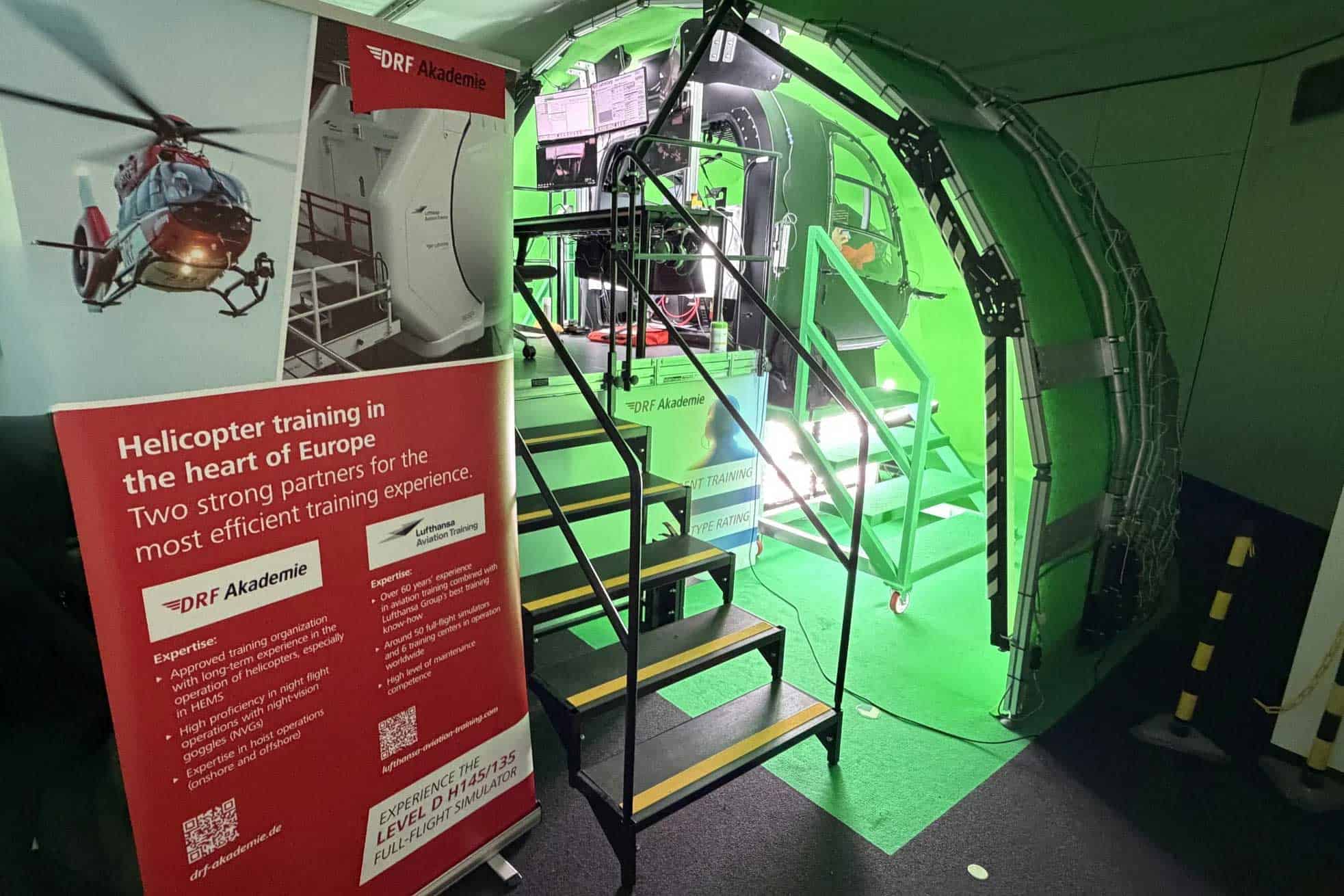
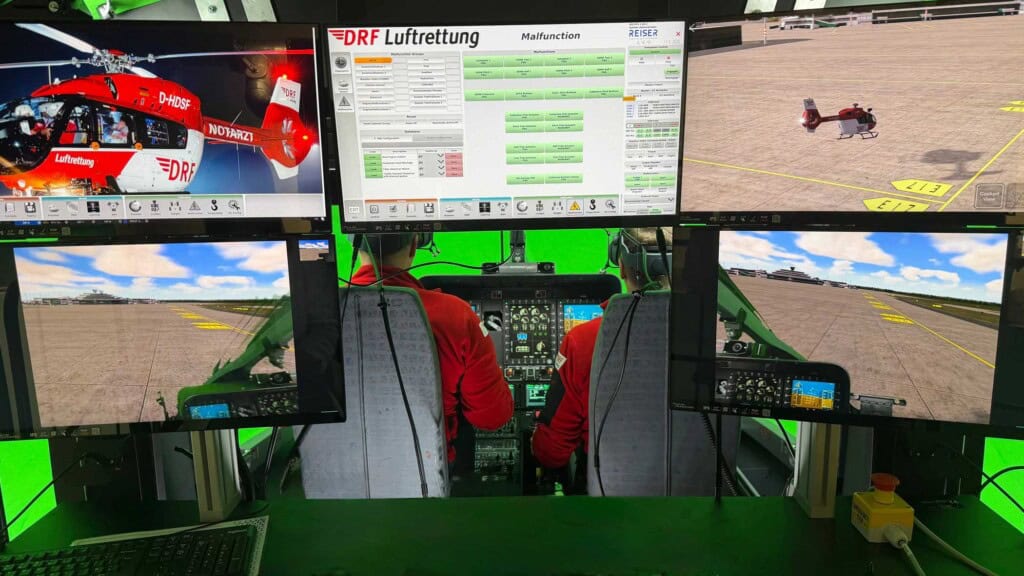
State-of-the-art Flight Training Devices (FTDs) provide the modern foundation for realistic pilot training. The Airbus H145 D3 model, in particular, leverages the latest avionics software to offer diverse capabilities for realistically simulating the complexities of flight operations. The high-fidelity replication of cockpit instruments creates a robust training environment suitable for standard procedures as well as unusual and emergency situations. Additionally, a cutting-edge mixed-reality system enhances training with immersive scenarios that foster not only technical handling skills but also decision-making and cockpit crew cooperation. This training environment plays a vital role in developing multi-crew coordination skills, which are essential for safety-critical multi-crew flights.
The training offerings benefit from the device’s certification for specific MCC training, creating a new dimension of training opportunities on the H145 platform. The simulator thus serves as a flexible resource that proves its value in both initial pilot training and the qualification of experienced crews. Its adaptability to diverse training requirements enhances the efficiency and effectiveness of the training.
Strategic Partnerships as the Foundation for Quality Training
The integration of the modern simulator represents not only a technological innovation but also the result of strategic partnerships. Collaborating with an established training organization like Lufthansa Aviation Training (LAT) at a major aviation hub offers numerous advantages. Combining infrastructure, technical expertise, and operational experience creates an interconnected training environment characterized by high availability and flexible capacity. This makes it possible to consolidate various training programs – ranging from initial training to recurrent training – at a single central location and leverage synergies.
Hosting and operating the FTD ensures professional support, encompassing stable operation and continuous maintenance. Close collaboration between technology partners and training providers ensures the ongoing evolution of the training portfolio and improves alignment with changing operational requirements.
Subject-matter and technical cooperation to ensure future-readiness.
The partnership with a specialized manufacturer of simulation technology guarantees that the training devices are not only technically precise but also innovative. Combining a highly detailed cockpit replica with modern visualization systems enables the accurate and realistic simulation of complex flight operations. This combination of technical excellence and regular software updates is crucial for meeting the rising demands of helicopter training.
For training organizations, this provides a solid foundation for optimally preparing pilots for demanding flight operations. This enhancement in quality contributes to increased safety and risk minimization. Furthermore, the capacity for innovation strengthens competitiveness and boosts customer confidence in the training programs offered.
Impact on pilot training and operational practice
The transition to advanced simulator technology marks a significant step forward in pilot training. These realistic exercises facilitate practical learning that fosters not only technical skills but also the pilots’ cognitive and social competencies. In particular, training for multi-crew operations enhances communication and decision-making processes – capabilities that are indispensable in an operational environment.
Furthermore, the increased flexibility and scalability of training capacities allow for the efficient training of more pilots. This paves the way for demand-oriented qualification that addresses operational challenges, thereby enhancing the operational readiness of air rescue services and other helicopter operators. The ability to integrate IFR-related training scenarios rounds out the training program, preparing flight crews for demanding missions under diverse conditions.
Conclusion: Future-oriented training strategies in aviation
Expanding the training portfolio through the use of a state-of-the-art flight training device represents a significant advancement in helicopter training. The combination of innovative simulation and visualization technology, strategic location selection, and strong partnerships creates high-quality training solutions that meet both the requirements of pilots and the operational needs of flight operators.
These investments play a key role in raising safety standards and enhancing training efficiency. At the same time, they improve the flexibility and adaptability of training programs in response to changing conditions and technological developments. The close integration of theory and practice establishes a solid foundation for sustainable skills development and secures the future viability of the aviation industry.
Utilizing modern training programs strengthens the ability to master complex flight situations, optimize team decision-making, and ensure operational excellence. This is a crucial factor for success and safety in air rescue services and beyond.