Introduction to the new integrated combat training system
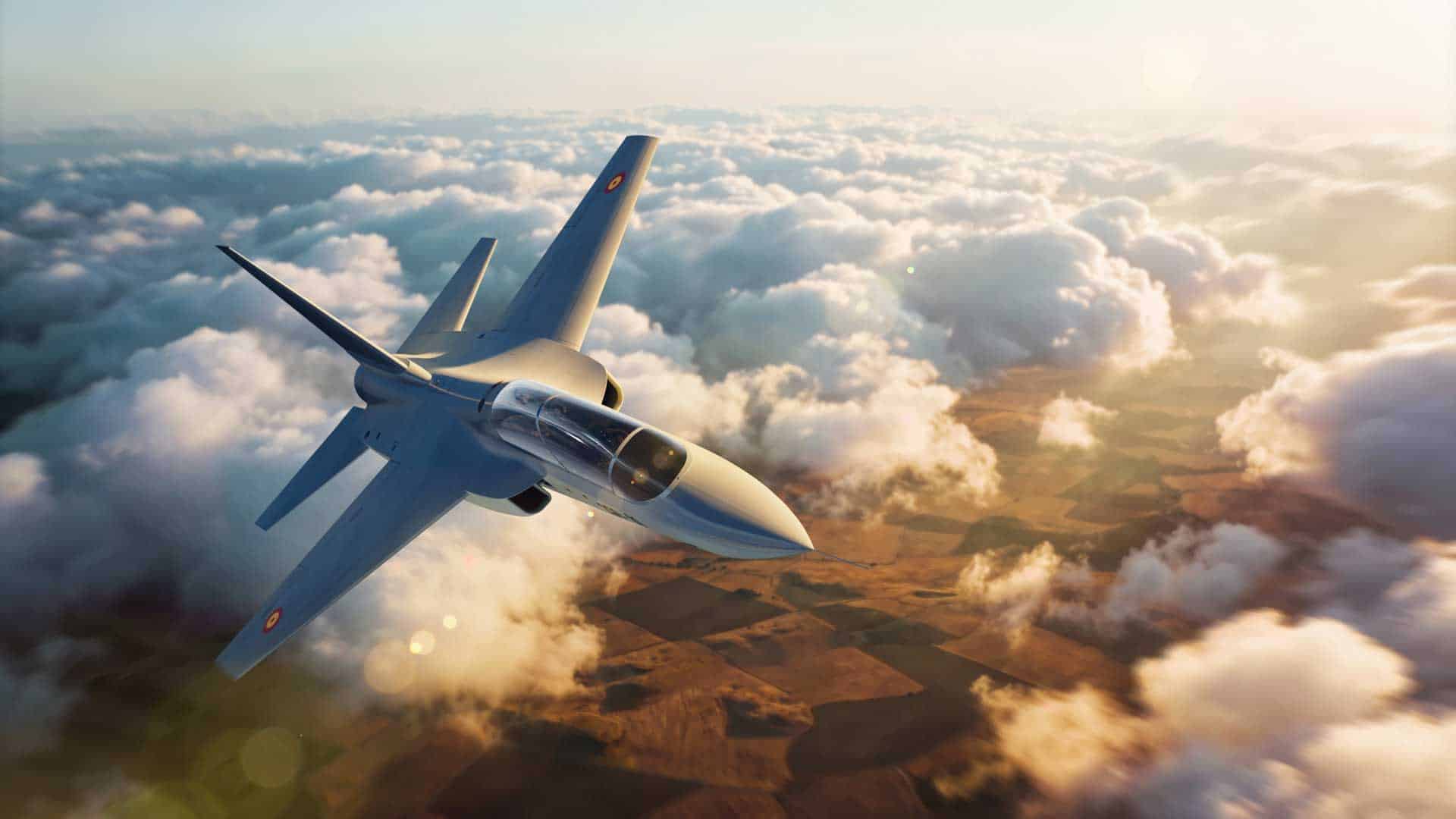
The modernization of the Spanish Aerospace Forces is taking a significant step forward with the new Integrated Combat Training System (ITS-C). This system, developed by an Airbus-led consortium of Spanish companies, aims to replace the aging fleet of F-5 fighter jets while ensuring a 60% national industrial share. The project, for which the contract was awarded in December 2025, represents a milestone in the strategic modernization and technological sovereignty of the Spanish defense industry.
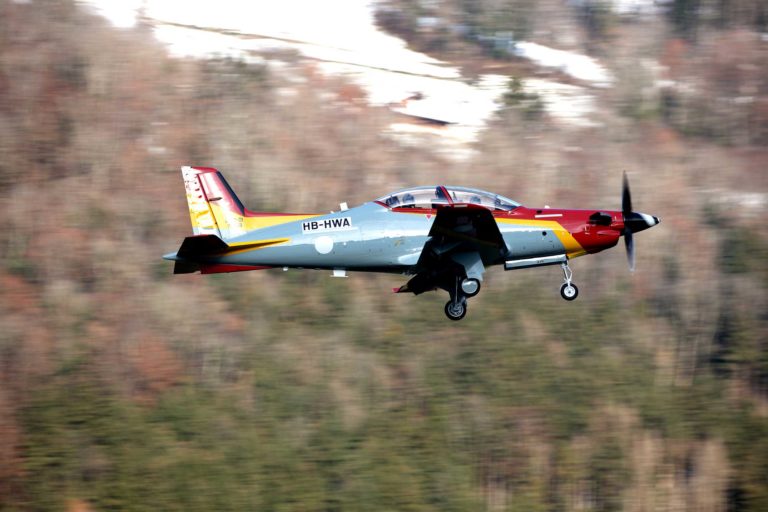
The program builds on a joint development agreement between Airbus as the prime contractor and Turkish Aerospace (TA) as the manufacturer of the HÜRJET training aircraft. The focus is on the comprehensive further development of advanced pilot training for Spanish fighter pilots. This includes adapting the 30-aircraft fleet to national specifications under the designation SAETA II, as well as providing an integrated service package for operations and maintenance.
Progress and national integration in the training system
The ITS-C project encompasses not only the technical upgrade of the aircraft but also the infrastructural redesign of the training center for the Flight and Attack Academy at the Talavera la Real Air Base in Extremadura. This center will be equipped with state-of-the-art simulators developed in collaboration with the technology company Indra. The facility guarantees efficient logistical support for the operation and maintenance of both the aircraft and the synthetic training systems, ensuring maximum fleet availability.
Particular emphasis is placed on technological sovereignty, which is strengthened by the nationalization component. This means that key technology and development components will originate from Spanish production. Marta Nogueira, Managing Director of Airbus Defence and Space for Spain, emphasized at the presentation that the program generates three strategic successes for Spain: the transfer of key technologies, profound industrial value creation, and the guarantee of sustainable independence for future maintenance and development processes.
The Spanish Secretary of State for Defense, Amparo Valcarce, emphasized the importance of national industry. She underscored its role in creating jobs, knowledge, and industrial opportunities across the entire value chain. Furthermore, she described the Spanish industry’s capacity to develop complex systems, which further strengthens strategic autonomy in defense and reduces critical dependencies.
Implementation phases and technological priorities
The implementation of the ITS-C is divided into two main phases. The first phase is expected to start in 2028 and focuses on the delivery of 21 aircraft. One of these aircraft will serve as a prototype for Airbus to implement the integration of state-of-the-art avionics and mission technology. In parallel, the development of a ground-based training system will be advanced, which is scheduled to be operational by the start of the 2029-2030 academic year.
In the second phase, all 21 aircraft initially delivered, as well as the remaining nine ordered aircraft, will be adapted to Spanish standards. The associated simulators will also be updated to the new versions. Delivery of the completed SAETA II fleet and the associated training system is planned for the period between 2031 and 2035.
This technical and logistical transformation requires close cooperation among all participating companies and places high demands on maintenance and constant operational readiness. At the same time, it significantly strengthens independence from external suppliers of critical defense technologies.
Strategic sovereignty and the role of Spanish industry
The ITS-C project strengthens Spain’s technological sovereignty by having Spanish industry, under the guidance of Airbus, assume responsibility for the maintenance, upgrades, and future development of the fleet. This goes far beyond the mere manufacturing of primary components and electrical wiring. Spanish industry is undertaking essential tasks in integrating key national technologies for avionics and mission systems.
Among the participating companies are renowned firms such as GMV, which handles tasks related to inertial navigation systems and GPS, as well as the provision of mission computers. Sener is responsible for the DataLink communication system, while Aertec is in charge of developing remote interface modules. Grupo Oesía contributes audio management, and Orbital supplies the VMDR mission recorder, which captures and analyzes critical flight data. Indra, in turn, is involved in the integration of the “Friend or Foe” identification system, which plays a crucial role in air combat detection and delimitation.
National participation in these key technologies ensures not only high quality and adaptability, but also long-term availability and controllability of all systems for Spain. Thus, the ITS-C not only creates technological progress, but also a prerequisite for strategic independence in the defense sector.
Concluding remarks and outlook
The Integrated Combat Training System (ITS-C) represents a significant development in military pilot training and defense strategy for Spain. It combines equipment modernization, enhanced national industrial competitiveness, and strengthened technological sovereignty in a comprehensive concept. Close cooperation between Airbus, Spanish companies, and international partners is creating a state-of-the-art training system that meets current and future security requirements.
The use of state-of-the-art simulators, the technical upgrade of the fleet to the SAETA II standard, and local responsibility for maintenance and further development form the foundation for sustainable and independent air combat training. National industry benefits not only economically, but also in terms of innovation and technology transfer, which in the long term enhances Spain’s defense capabilities.
Overall, this program marks a crucial step towards reducing critical dependencies on third-party states and promoting strategic autonomy. At the same time, it raises pilot training to an advanced level that meets the challenges of modern combat and defense missions.
With the timely implementation of all project phases in the coming years, the ITS-C is expected to become a model for integrated, industry-oriented, and sovereign defense systems in Europe. The combination of advanced technology, comprehensive national participation, and long-term operational capability not only ensures the program’s success but also contributes to the stability and security of regional and global defense architecture.
More about the Spanish Air Force