Introduction
As part of the ongoing development of military helicopter technologies, NATO’s NAHEMA agency, responsible for the NH90 program, has signed a groundbreaking contract with NHIndustries. NHIndustries is a consortium comprising Airbus, Leonardo, and GKN Aerospace. The aim is to conduct a comprehensive architectural study for the so-called NH90 Block 2 upgrade. This project marks a significant step in the modernization and optimization of the NH90, one of Europe’s most advanced tactical multi-role helicopters.
The study focuses on structural improvements, modularized avionics, reduced system diversity through increased configuration harmonization, and improved maintenance processes and performance characteristics. It also includes enhanced capabilities in cooperative warfare, improved networking, and cooperation between manned and unmanned aerial vehicles.
The significance of the NH90 platform
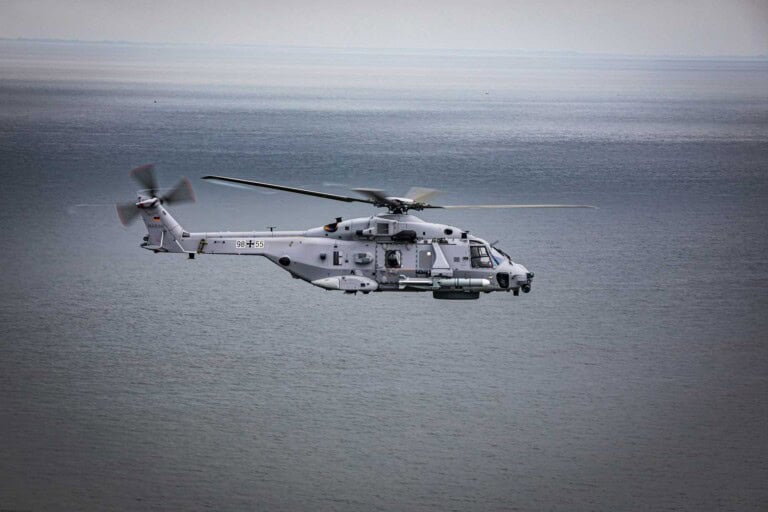
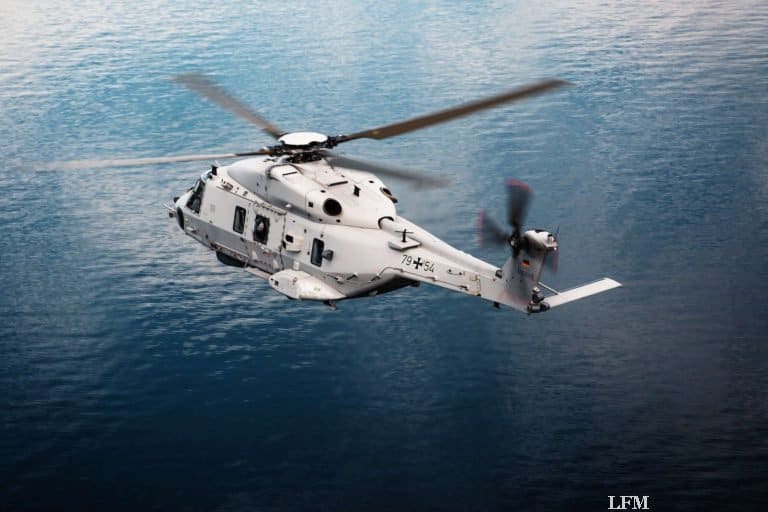
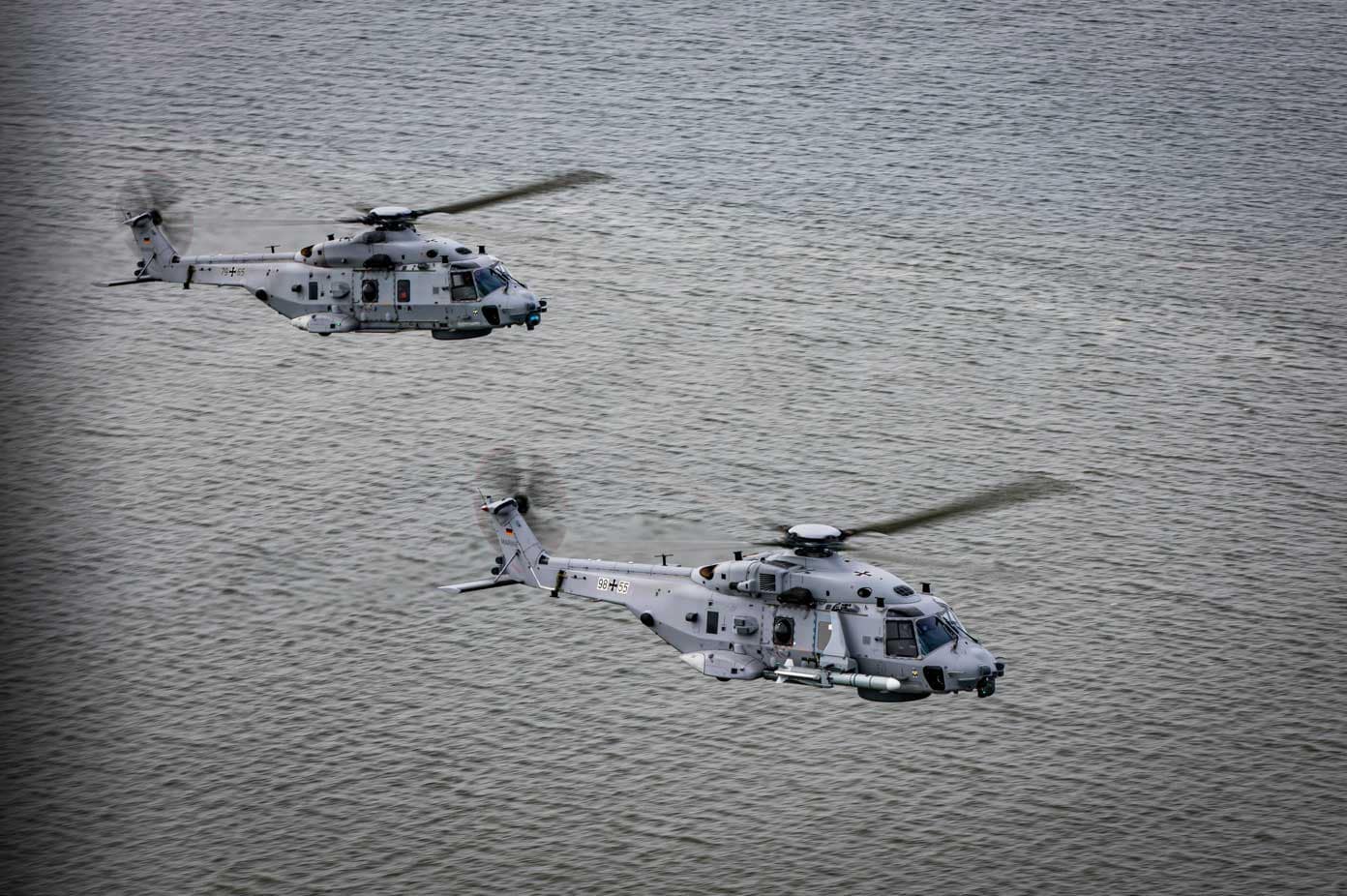
Since its introduction, the NH90 has become an indispensable element of the security and defense structures of participating nations. An impressive total of over 500,000 flight hours demonstrates the reliability and maturity of this platform. The two variants, the Sea Tiger for maritime operations and the NH90 Standard 2 for tactical missions, set current standards in terms of performance and operational flexibility. Upgrades already implemented, such as the Block 1 program, have significantly enhanced the helicopter’s capabilities and increased its operational readiness.
The new NH90 Block 2 Upgrade builds on these successes and represents an evolutionary development designed to ensure that the NH90 continues to play a central role in European defense for decades to come. Particular emphasis has been placed on operational reliability, rapid maintenance, and technological advancements to meet the increased demands of modern battlefields.
Details of the NH90 Block 2 architectural study
The two-year architectural study, initiated by NAHEMA, aims to comprehensively review the NH90’s performance and define new design options for the future. The study considers current operational requirements as well as longer-term perspectives extending to at least 2040. It also incorporates experience gained from the Block 1 program to ensure seamless industrial continuity. Of particular importance is the modular avionics development, which allows for greater configuration flexibility while simplifying compatibility between different systems. This modular structure enhances maintainability and reduces operating costs. Furthermore, standardizing configurations is a key aspect for reducing logistical complexity and improving interoperability between different user states.
Furthermore, the NH90 Block 2 program addresses advanced technologies in the field of collaborative combat, enabling improved networking and data integration of various platforms within the battlespace. In this context, crewed-uncrewed teaming is gaining increasing importance in minimizing risks and expanding operational capabilities. This study is also being conducted in parallel with the European Next Generation Rotorcraft Technologies (ENGRT) developments. This synchronization ensures that future technological innovations can be integrated into the NH90 system quickly and efficiently.
Strategic importance for European security and defence
The NH90 Block 2 upgrade is not only a technical enhancement but also a significant element in ensuring strategic sovereignty in Europe. The participating nations and NAHEMA control the program requirements to guarantee a long-term, independent, reliable, and high-performance defense capability. In light of increasingly complex security challenges, modern, versatile helicopters play a crucial role. The ability to adapt the NH90 to new threat scenarios through continuous modernization significantly strengthens defense capabilities and promotes the integration of multinational operations.
The development and implementation of the NH90 Block 2 system also demonstrates the high value placed on cooperation between industry and defense authorities. The participation of renowned defense companies such as Airbus, Leonardo, and GKN Aerospace—coupled with the political support of NATO member states—ensures a stable supply situation and advanced technological development. Beyond pure defense capability, this program also promotes innovation and industrial expertise in Europe.
Future prospects and technological innovations
The further development of the NH90, with targeted improvements in avionics, cooperation, and maintenance, represents a good example of the future-oriented adaptation of military systems within the framework of digital transformation. In particular, the increased use of modular systems and the integration of network-enabled sensors and data processing components enable the platform to offer flexible and multifunctional operational capability.
A key element is the implementation of crew-unmanned teaming technologies, which allow manned helicopters to operate alongside drones and unmanned systems. This opens up new tactical options, such as for reconnaissance or support roles, without increasing personnel risk. The improved connectivity of systems also enables the use of shared 3D data spaces for situational awareness and target identification.
In parallel, the program will help reduce maintenance costs through optimized diagnostic and repair processes, thereby increasing helicopter availability and minimizing life cycle costs. By consistently implementing such optimization potential, a country’s armed forces can operate effectively and consistently even in demanding operational environments.
Conclusion
The NH90 Block 2 architecture study for the NH90, initiated by NATO’s NAHEMA program manager, underscores the enduring importance of this platform for European defense. The planned structural and technological advancements will significantly contribute to enhancing operational capability, increasing mission flexibility, and strengthening the sovereignty of the participating nations. The combination of proven technologies and innovative concepts such as modular avionics and crew unmanned teaming reflects the modern approach that is becoming increasingly important in aviation development.
By building on the successes of the Block 1 program while simultaneously setting future-oriented requirements for the helicopter, the study ensures that this important defense platform will continue to play a key role in the European security landscape beyond 2040. Industrial continuity, technological innovation, and a clear focus on networked warfare form the basis of this development. This will make the NH90 a modern, high-performance multiplier for security, capable of meeting the diverse challenges of modern operations.
This advanced modernization is a crucial step in meeting the changing conditions on the battlefield while simultaneously ensuring the competitiveness and autonomy of the European defense industry. The program not only strengthens military effectiveness but also has a positive impact on economic and technological development in Europe by intensifying cooperation between leading companies and governments and opening up long-term prospects for research and innovation.
More about the NH90