Introduction
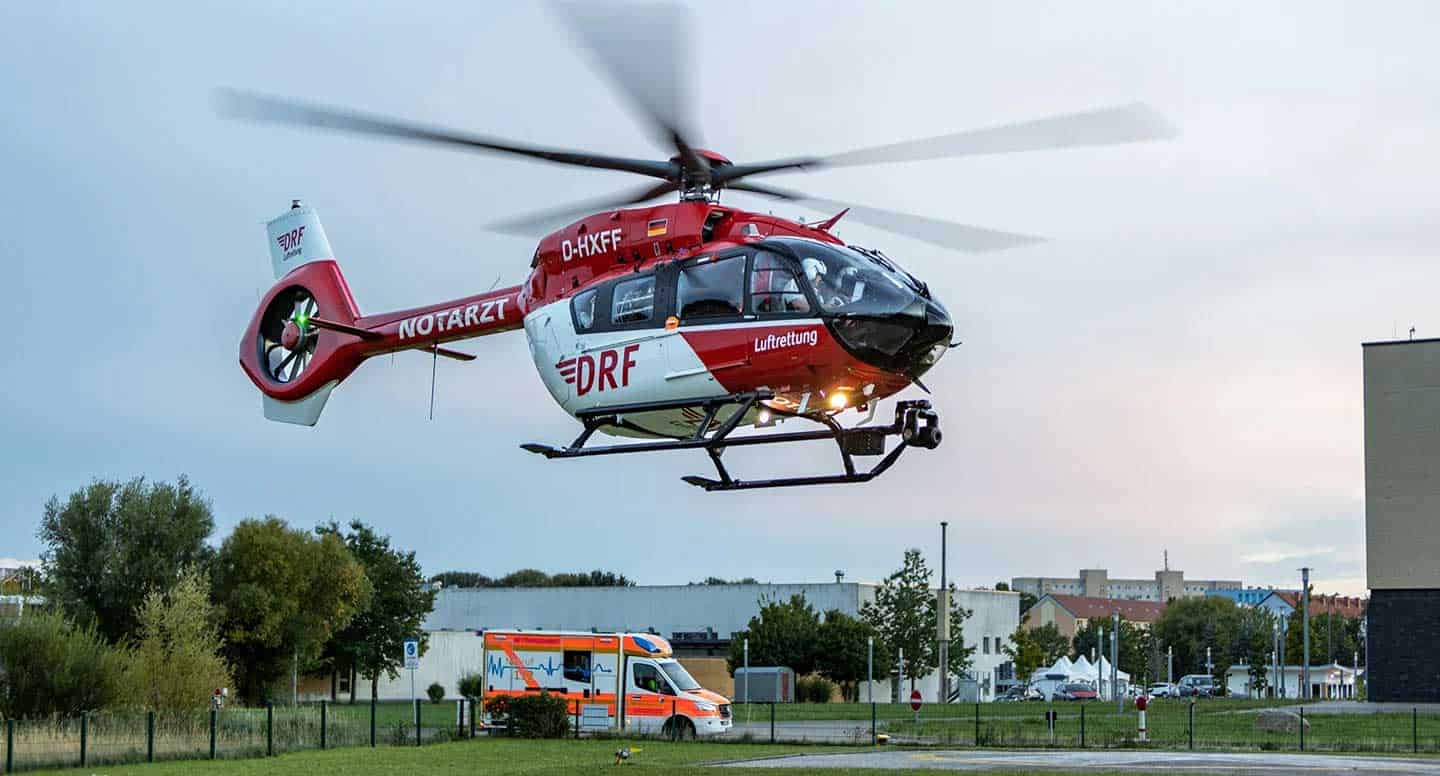
Emergency medical services constitute an essential component of public services of general interest in Germany. They are anchored in round-the-clock emergency response systems – including air rescue services and fire departments – which together ensure virtually comprehensive initial care in emergencies. In light of current federal reform efforts aimed at optimizing emergency care, key issues such as reliable funding and the appropriate involvement of those with organizational responsibility are increasingly coming into focus.
The successful modernization of the system depends crucially on the involvement of the stakeholders who ensure the provision of services on a daily basis. The legislative process offers a significant opportunity to sustainably secure and further develop the quality and effectiveness of emergency medical services in Germany.
Financial Certainty as the Foundation for Operational Capability
Emergency medical services in Germany must be available nationwide on a continuous, round-the-clock basis, regardless of the actual number of call-outs. This constant availability entails high costs, largely driven by factors over which service providers have only limited control. Key among these are trends in collectively agreed wages, the growing strain caused by the shortage of skilled personnel, and rising expenditure on vehicles and medical equipment. Furthermore, requirements regarding quality, safety, and technical equipment are constantly increasing, which also drives up the necessary funding.
Given these challenges, robust and long-term reliable funding is essential. Only with sufficient resources can costs related to personnel, operational readiness, day-to-day operations, training, and investment be adequately covered. Such a funding structure not only ensures full operational capability but also fosters innovation and the maintenance of high quality standards in emergency medical services. In this context, efficiency must not be reduced merely to cost savings, as these could otherwise jeopardize the availability and quality of care.
Recognizing emergency medical services as a complex system – one requiring the interplay of various stakeholders and technologies – underscores the need for legal regulations that address these specific requirements. It is crucial that reimbursement rates are not subject to rigid caps; this ensures the flexibility needed to respond to economic developments and thereby guarantees the long-term sustainability of emergency services.
Involving service providers in decision-making: the key to practical relevance
The planned reform envisages the creation of a nationwide expert body for emergency medical services. Among other things, this body is intended to develop framework recommendations for the entire emergency medical service system, thereby fostering greater integration and uniform quality standards. This idea is generally met with broad approval, as nationwide coordinated management can contribute to greater efficiency and increased professionalism.
However, the composition of this body is of central importance to ensure it accurately reflects emergency medical service practices. The organizations and institutions that currently collectively provide nearly 100 percent of emergency medical services in Germany – including recognized aid organizations, contracted air rescue services, and fire departments – must not only be consulted but also represented with full voting rights. Only by incorporating the perspectives of those directly involved in operations can it be guaranteed that the standards developed are realistic, feasible, and conducive to quality.
This participatory approach fosters acceptance of the reforms and ensures a coordinated implementation that meets the needs of both patients and emergency personnel. Consequently, involving service providers in the decision-making process is not merely a democratic imperative but also a pragmatic prerequisite for sustainable improvements.
Progress through Networking and Digitalization
Beyond financial and organizational aspects, the ongoing reform offers opportunities for technological and structural innovations. In particular, there is an opportunity to further improve patient routing through the use of modern dispatch centers. Dispatching emergency resources based on actual need, combined with efficient operational management, can reduce response times and optimize resource utilization.
Moreover, digital connectivity enables faster information exchange between dispatch centers, emergency services, and hospitals, significantly enhancing the quality of medical care. Another advantage is the reduction of unnecessary bureaucracy, which often ties up time and resources without yielding direct benefits for patients or emergency personnel. Focusing on essential processes can thus ease the workload of professionals and make the overall delivery of care more efficient.
Representatives of major non-profit service providers – including renowned organizations such as ADAC Air Rescue, the Arbeiter-Samariter-Bund, and the German Firefighters Association – actively contribute their professional expertise to legislative processes. Their efforts aim to ensure an emergency medical service that remains rapidly available, comprehensive in coverage, and quality-assured for the population in the future.
Conclusion
The ongoing reform of emergency medical services in Germany is a complex undertaking that affects multiple levels. Central to this process are the demand for sustainable and reliable funding for emergency medical services and the involvement of the organizations that actually provide the care. Acknowledging specific challenges – such as wage trends, the shortage of skilled personnel, and technical equipment – is just as important as establishing a practical and dynamic legal framework.
At the same time, the reform efforts offer an opportunity to significantly improve the quality and efficiency of emergency medical services through better networking, innovative digital solutions, and streamlined processes. Including air rescue organizations, fire departments, and other service providers as voting members in the future expert committee is a crucial step toward ensuring the reform is practical and effective.
Through the collaboration of policymakers, service providers, and other stakeholders, an emergency medical service can be created that meets the heightened demands of the 21st century and ensures – on a lasting basis – that people in distress receive rapid, professional assistance. In this way, emergency care remains an integral part of a modern, high-performing healthcare infrastructure in Germany.