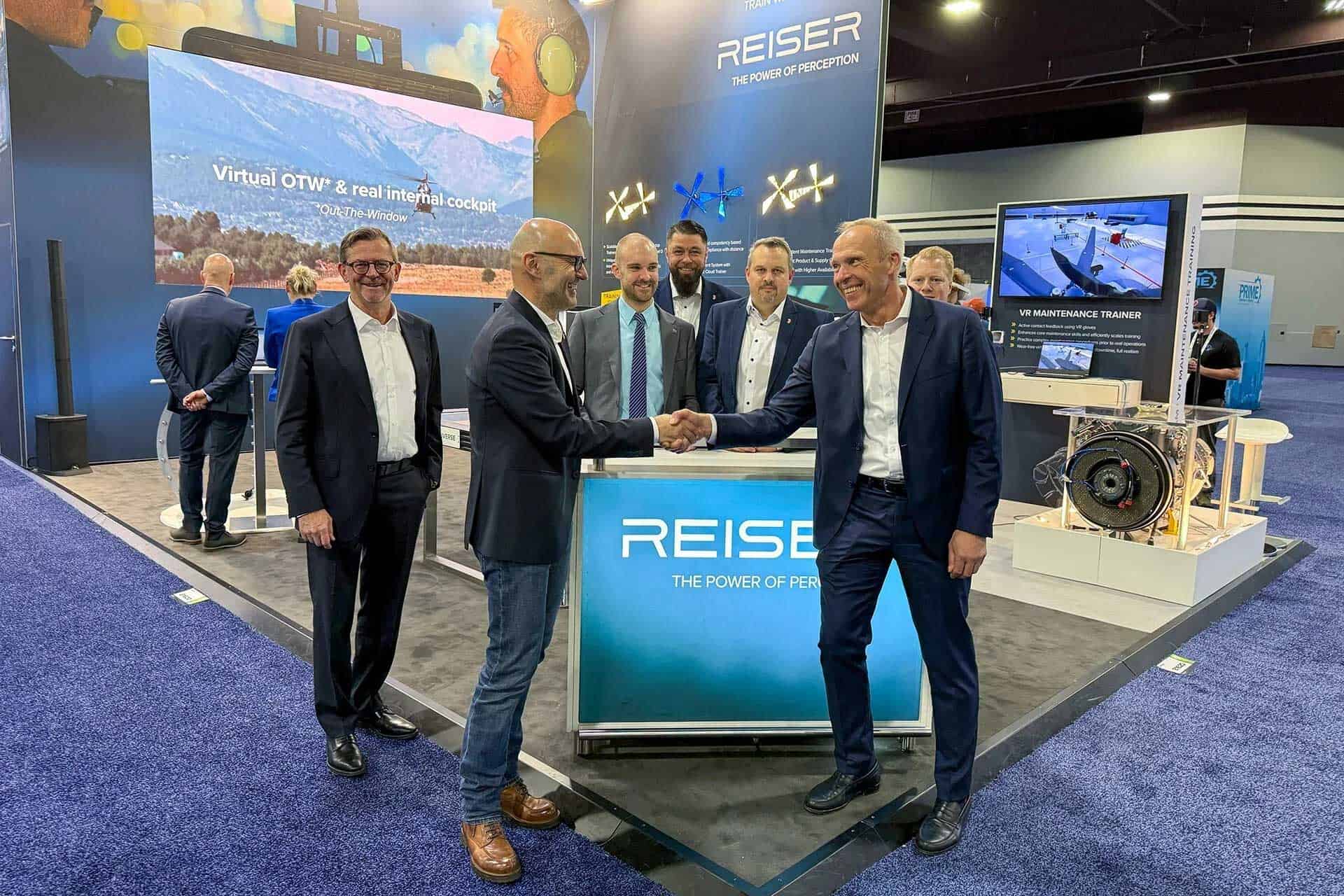
Introduction to the importance of high-performance simulators in air rescue
Against the backdrop of the increasing demand for qualified pilots and the ongoing technological developments in the aviation industry, pilot training is gaining in importance. Effective and realistic training, particularly in the field of air rescue, requires state-of-the-art technology and close cooperation between training organizations and simulation companies. The DRF Academy, an integral part of DRF Air Rescue, is now investing in another cutting-edge simulator for the Airbus H145 D3. This Level 3 Flight Training Device (FTD) was recently certified by the relevant aviation authority and represents a significant step towards raising training standards and ensuring the operational readiness of helicopter pilots.
The acquisition of the H145 D3 simulator is not just a technical upgrade, but also represents a competitive advantage in the training of crews responsible for demanding rescue missions at 32 locations across Germany. At the same time, the close cooperation with Reiser Simulation and Training (RST) expands the possibilities for designing flight training programs that are flexible, efficient, and practical. This strengthens operational excellence and guarantees the highest possible safety and quality in air rescue.
Technical innovations and training opportunities of the new simulator
The new simulator faithfully replicates the Airbus H145 D3 helicopter variant with the advanced Avionics Software Version 10. This level of detail is crucial, as pilots train in realistic simulations of complex cockpit situations that can be vital in an emergency. The Level 3 Flight Training Device offers comprehensive functions that accommodate various flight conditions, electronic systems, and cockpit interfaces. The device’s design enables realistic simulations of diverse scenarios, from routine flights to emergency situations and demanding rescue missions.
Of particular note is the integration of a mixed-reality system, which opens up expanded visual and interactive training possibilities. This system makes it possible to combine training content with virtual elements, creating an even more immersive experience for the pilots. This allows for realistic practice of flight maneuvers, system malfunctions, and multi-crew coordination, strengthening reaction times and team communication in critical situations.
The training benefits from the planned Multi-Crew Coordination (MCC) certification, which allows for the specific training of multi-person flight crews in cooperative procedures. MCC training is essential for the effective interaction between pilot and co-pilot and a crucial component of safety during complex flight operations. The simulator bridges the gap between state-of-the-art training requirements and the demands of aviation authorities.
Integration into existing training environments and benefits for the air ambulance service
The new H145 D3 simulator ideally complements the existing training portfolio of the DRF Academy. It is located alongside the already established H145/H135 Full Flight Simulator Level D, which is operated by Lufthansa Aviation Training in Frankfurt. This synergy allows for coordinated and comprehensive pilot training that includes both realistic flight experience and advanced systems training.
Furthermore, the simulator can be integrated into the hoistAR winch simulator, significantly expanding training in the deployment and operation of rescue winches. This step increases the flexibility of training programs and enables even more realistic preparation for the specific requirements and hazards of helicopter rescue missions.
The implementation of the new training equipment also brings direct benefits for DRF Luftrettung itself, one of the largest air rescue organizations in Europe. Thanks to the modern fleet, the training level for the crews is maintained at a future-proof standard, which directly impacts the quality of missions and patient safety. This ensures long-term operational readiness at the 32 stations distributed throughout Germany.
Partnership-based cooperation and strategic importance for pilot training
The development and rapid commissioning of the simulator are being carried out in close cooperation between the DRF Academy and Reiser Simulation and Training (RST). This partnership reflects a shared commitment to technical innovation and operational excellence in pilot training. RST contributes extensive expertise in the development of highly precise simulation technologies that are precisely tailored to the needs of the air rescue industry.
The decision to accelerate the acquisition of the simulator and put it into operation in Frankfurt as early as the beginning of June demonstrates the intense competitive and coordination pressures involved in providing high-quality training opportunities. At the same time, it underscores the willingness to invest in innovative training solutions that go far beyond traditional forms of education. The focus is on sustainable and future-proof development that meets the ever-increasing demands of the industry.
The introduction of the new training device is an exemplary model of how new standards can be set through the close integration of technology, training, and operational safety. This is essential to meet the complex demands placed on air rescue pilots with the highest quality and to ensure optimal, comprehensive patient care in emergencies.
Conclusion: Setting the course for future training quality and operational safety
The acquisition and integration of the Airbus H145 D3 Flight Training Device Level 3 by the DRF Academy is a milestone in the training of modern helicopter pilots. Thanks to the customized and innovative simulation system, training opportunities are raised to a new level of quality, realistically reflecting operational practice and comprehensively preparing pilots for demanding rescue situations.
This investment reflects the increasing demand for high-performance training modules that utilize digital technologies such as mixed-reality systems while simultaneously meeting regulatory approval requirements for MCC training. Furthermore, it enhances the efficiency and flexibility of training programs in air ambulance services, directly contributing to improved patient safety and operational readiness.
The cooperative partnership between DRF Akademie and Reiser Simulation and Training exemplifies how innovative and collaborative partnerships can successfully implement and continuously develop state-of-the-art training concepts. The new capacities enable the air rescue organization to proactively address the challenges of a dynamic and safety-critical industry and meet the high demands of current and future air rescue operations.