Introduction to sustainable fuel production for aviation
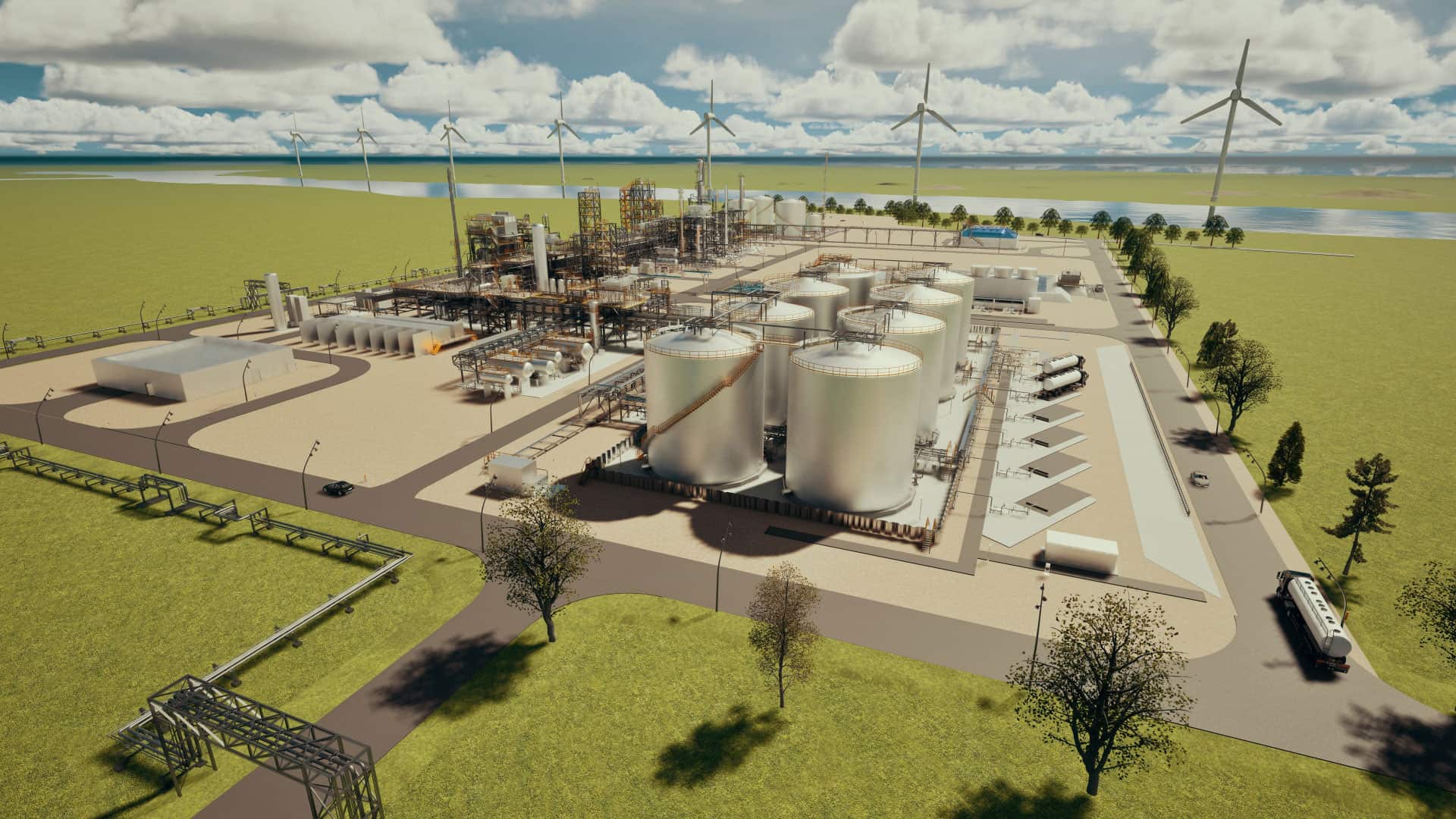
The aviation industry faces the challenge of improving its carbon footprint and sustainably reducing CO₂ emissions. In this context, Sustainable Aviation Fuel (SAF) is gaining increasing importance. The sustainable production and use of alternative fuels is one of the most promising measures for minimizing the environmental impact of air traffic. A pioneering project is the start of construction on the first specialized factory in the Netherlands, near Delfzijl. This plant, designed for large-scale production, is expected to supply around 100,000 tons of alternative fuel annually from 2028 onwards. The realization of this production facility exemplifies the significant step the region is taking towards sustainable aviation.
Partnerships and investments as the foundation of production
Strong cooperation between industrial companies, airlines, and research institutions is crucial for the success of alternative fuel production projects. KLM is a pioneer in the field of alternative fuels and is both a co-founder and shareholder of SkyNRG, the world’s leading provider of sustainable aviation fuels. Since SkyNRG’s founding in 2009, KLM has been actively involved in market development. In addition to its financial investment, KLM has provided a long-term purchase guarantee for the sustainable fuel. This commitment significantly strengthens the economic planning for expanding production capacity and was essential for the successful financing of the new plant.
Investments in sustainable fuels complement KLM’s commitment to fleet renewal, which involves deploying modern, more fuel-efficient aircraft to reduce emissions. Taken together, these measures form a comprehensive sustainability strategy that will improve the company’s long-term carbon footprint.
Environmental benefits of Sustainable Aviation Fuel compared to conventional kerosene
Although sustainable fuels release a similar amount of CO₂ during flight operations as conventional aviation gasoline, the decisive advantage lies in the fuel’s entire life cycle analysis. This means that from raw material extraction and production to use in the engine, the CO₂ footprint is at least 65 percent lower. This reduction potential stems primarily from the use of renewable or recycled raw materials in production, which absorb CO₂ during their growth or allow for the closing of carbon cycles during recycling. Therefore, the widespread use of alternative fuels effectively contributes to significantly reducing net greenhouse gas emissions in air transport, which is crucial for achieving climate protection goals.
Challenges and political support for infrastructure development
Building a specialized factory involves complex requirements, ranging from obtaining numerous permits to securing the necessary funding. The lengthy permitting process underscores the need for close collaboration between industry and the public sector. Political support plays a key role in creating a framework that promotes and makes marketable investments in sustainable technologies. The Netherlands has set an ambitious goal of achieving a 14 percent blend of sustainable fuel by 2030. To reach this target, measures are needed to stimulate both supply and demand.
Recent market research shows that a large majority of the population supports using revenue from air passenger duty to finance the transition to more environmentally friendly air travel. This public support is a positive signal for policymakers to launch active support programs that assist both airlines like KLM and producers like SkyNRG in their efforts.
The importance of shared responsibility for sustainable aviation
The implementation of alternative fuel production exemplifies the shared responsibility of airlines and industry. The partnership between KLM and SkyNRG demonstrates how collaboration opens up new opportunities for sustainable innovation. The start of construction on the factory near Delfzijl clearly shows that ambitious investments in sustainable aviation fuels are feasible in Europe. This is not merely a technological or economic project, but a step that challenges the fundamental structure of aviation and shapes its future viability.
However, this progress alone is not enough to meet global demand for sustainable aviation fuel. Further expansion plans and scaling at the European level are needed to ensure widespread availability and sustainably reduce costs. Only then can alternative fuels become an integral part of the fuel mix for airlines and airport infrastructure.
Outlook on the future of sustainable aviation fuels
The commissioning of the first specialized factory in the Netherlands marks the beginning of a new era in sustainable aviation. Annual production of 100,000 tons from 2028 onwards will make a significant contribution to reducing greenhouse gases in air transport while simultaneously strengthening the industry’s innovative capacity. The combination of technological development, industrial cooperation, and political support forms the basis for making the aviation world more climate-friendly.
Alongside increased production, further strategic measures must be implemented in parallel. These include improving the efficiency of aircraft and flight operations, promoting research and development in the field of alternative propulsion technologies, and establishing clear regulatory frameworks. Only through an integrated approach can the transformation of aviation into a more sustainable sector be achieved.
Conclusion: Sustainable progress in aviation
The start of construction on the factory in Delfzijl is a significant milestone on the path to a more environmentally friendly aviation industry. Through close collaboration between airlines like KLM and specialist companies like SkyNRG, groundbreaking steps are being taken that will enable the large-scale use of alternative fuels. This progress demonstrates that sustainable innovation is possible when industry, policymakers, and society pursue common goals.
The production and use of sustainable fuels makes a significant contribution to sustainably reducing CO₂ emissions from air transport. At the same time, continued commitment is needed to expand the supply in Europe and make it more attractive and accessible in the long term. The broad public support for government subsidies underscores the societal acceptance and the urgency of consistently driving the transformation in aviation.
Overall, this project provides an example of the opportunities that arise from combining technological innovation, economic will and political action to make air travel more environmentally friendly and to make aviation fit for the future.
More about SAF
SAF distribution: Airbus promotes sustainable aviation fuel
Airbus is taking an important step towards promoting the use of sustainable fuels by testing a new “Book and Claim” approach.
Sustainability in aviation: Research on climate reduction
The European Aviation Safety Agency emphasizes the importance of sustainable fuels for reducing the climate impact of air transport. Airbus is leading the EU project PACIFIC.