Progress in pilot training at Air Astana Group
The Air Astana Group has made significant progress in the advanced training of its pilots, notably with the opening of a second full flight simulator for Airbus aircraft at its Flight Training Centre in Astana. This step underscores the airline’s commitment to increasing the safety and efficiency of flight operations through modern training technologies. Expanding training capacity will allow the airline to significantly increase the number of pilots completing comprehensive simulation training while maintaining the high quality of that training.
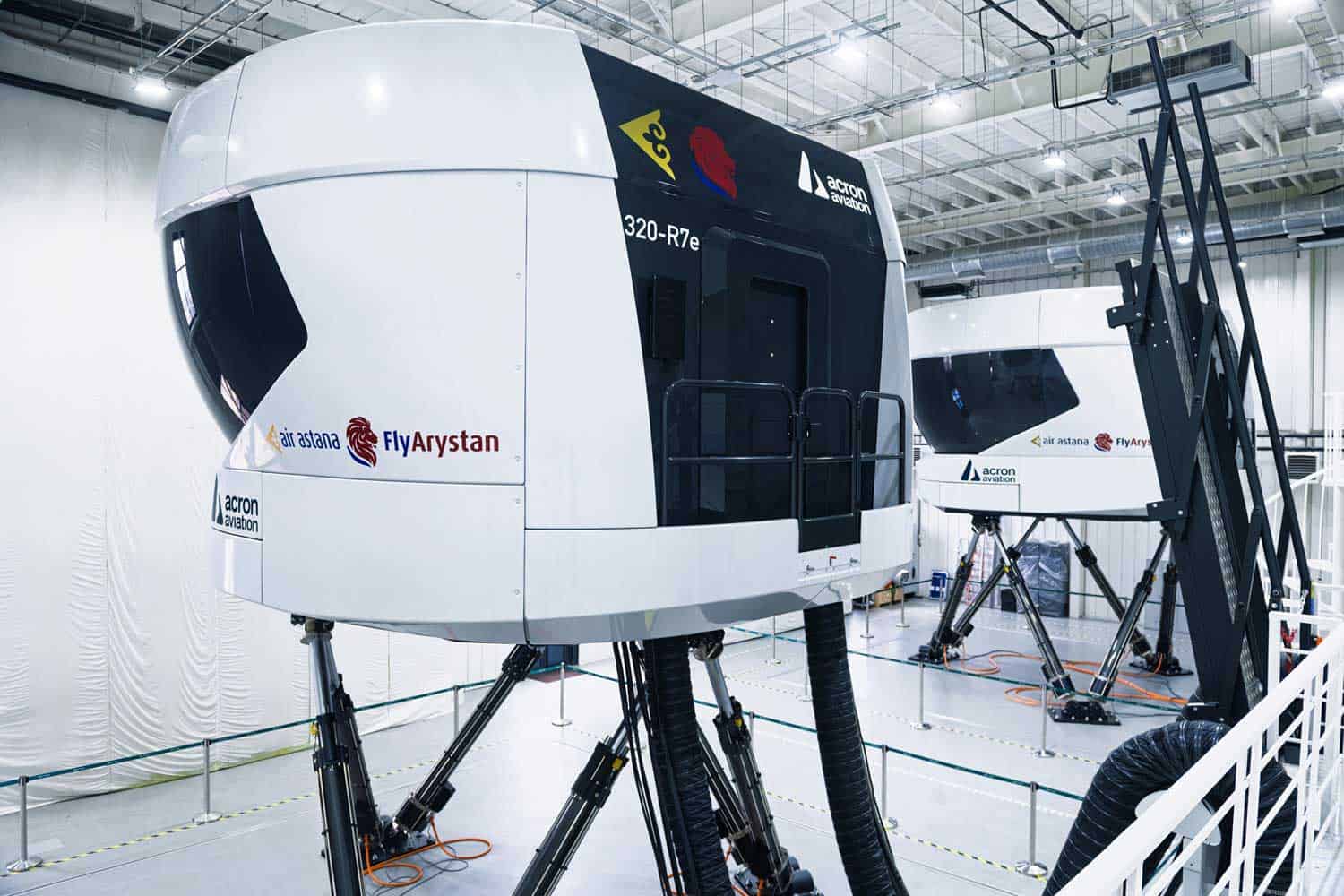
The acquisition of the Reality7e simulator from Acron Aviation brings innovative features to the training center, ensuring authentic and immersive training. This makes Air Astana a leader in the Central Asian aviation region in the use of advanced simulator technology. This simulator exemplifies the high standards of pilot training within the Air Astana Group.
Technological features of the Reality7e simulator and certifications
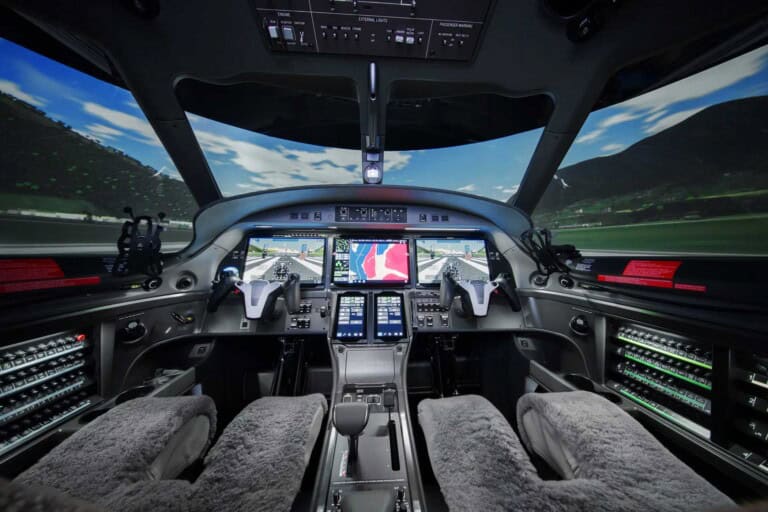
The new system features a motion platform with six degrees of freedom, allowing for a realistic simulation of flight conditions. This technical equipment is crucial for preparing pilots for diverse flight environments, including turbulence, complex landing conditions, and emergency situations. Extensive data acquisition enables precise simulation of aerodynamic properties and interactive aircraft systems, allowing even details of ground contact to be realistically depicted.
It is particularly noteworthy that the simulator has been certified by both the European Aviation Safety Agency (EASA) and the Kazakhstan Civil Aviation Authority. This underscores the high quality and safety standards for which Air Astana stands. With this dual certification, the group is unique in its region and sets benchmarks for aviation training alongside other key players.
Since the introduction of the first Reality7e simulator in 2023, more than 600 Airbus pilots from Air Astana and FlyArystan have regularly and successfully completed extensive training and semi-annual safety tests. This model not only enhances technical expertise but also improves pilots’ responsiveness to unforeseen situations.
Importance of the Air Astana Group in regional aviation
The Air Astana Group is the largest airline group in Central Asia and the Caucasus, measured by fleet size and annual revenue. Its fleet comprises 63 aircraft, operated by both the full-service airline Air Astana and its subsidiary FlyArystan, a low-cost carrier. This combination enables a wide range of flight services, including scheduled flights, point-to-point connections, transit flights, and short- and long-haul services.
Furthermore, the group plays a significant role in air freight and is a key link for national and international routes in regions such as Central Asia, the Caucasus, the Middle East, India, and Europe. This versatility demands efficient and robust pilot training to meet the diverse operational requirements.
Air Astana has earned an outstanding reputation through numerous awards. It has received the title of “Best Airline in Central Asia and CIS” at the Skytrax World Airlines Awards 14 times in a row. Furthermore, the airline has been awarded five stars in the large airline category by the Airline Passenger Experience Association (APEX). Its listing on prestigious exchanges such as the Kazakh Stock Exchange, the Astana International Stock Exchange, and the London Stock Exchange strengthens its financial position.
Full Flight Simulator: Advantages and impact of expanded simulator capabilities
The introduction of a second full flight simulator significantly increases training capacity and allows for greater flexibility in pilot training planning. This leads to more efficient use of time resources and supports the continuous training of new pilots as well as the regular refresher courses for experienced crew members.
Improved training success directly impacts operational safety, which is of particular importance for airlines in sensitive regions such as Central Asia. Modern simulators reduce the costs associated with real-world flight training and also allow for the execution of complex emergency and extreme scenarios that would be difficult or impossible to train for in actual flight operations.
Furthermore, this technological upgrade also enhances the attractiveness of the Air Astana Group as an employer and partner in the aviation industry. It offers pilots state-of-the-art training, which has a positive impact on employee retention and the recruitment of qualified professionals.
Future outlook for the Air Astana Group and its training initiatives
In light of rising passenger numbers and the increasing complexity of air traffic, the Air Astana Group plans to further expand its investments in training and safety technologies. The focus will be on the continuous modernization of simulators and the integration of new training concepts that increasingly incorporate digital and virtual reality.
The group will also maintain its dual-certified training center in Astana and may acquire additional simulators to meet future aviation needs. The increasing adoption of Reality7e technology in Central Asia demonstrates Air Astana’s ambition to position itself as a reliable and innovative player in the international aviation landscape.
This development not only benefits the individual airline, but also strengthens aviation safety and technical expertise throughout the region. The Air Astana Group thus makes a significant contribution to the sustainable development of civil aviation in Central Asia and beyond.
Conclusion: Dual certification by EASA and the Kazakhstani Civil Aviation Authority
The Air Astana Group has taken a significant step forward in pilot training with the expansion of its Flight Training Centre and the integration of a second Reality7e Full Flight Simulator. By utilizing state-of-the-art technology and achieving dual certification through EASA and the Kazakh Civil Aviation Authority, the Group ensures a particularly realistic and safe training environment. These measures strengthen the Air Astana Group’s position as a leading airline group in the region and contribute to the sustainable improvement of aviation safety.
The combination of efficient training methods, stringent safety standards, and a diverse fleet enables the company to successfully meet the challenges of international air travel. Thus, the Air Astana Group relies on both technological advancement and a stable economic foundation, making it a role model for aviation companies in Central Asia and beyond.
More about pilot training