Fascination with flying
Flying fascinates many people, and those interested in aviation often ask themselves: “How do I become a pilot?” A career as a pilot promises adventure, responsibility, and the opportunity to discover the world from above. But before you can climb into the cockpit, thorough training is necessary, encompassing both theoretical and practical knowledge. In this blog post, you’ll learn in detail how pilot training works, what costs you can expect, how long the training lasts, and what challenges it entails.
How does pilot training work?
Pilot training is divided into several steps that build systematically upon one another. A fundamental distinction is made between training for a private pilot license (PPL), a commercial pilot license (CPL), and an airline transport pilot license (ATPL).
1. Theoretical training
The first step on the path to becoming a pilot is theoretical training. Here you will learn the fundamentals of aviation, including aerodynamics, meteorology, navigation, air law, and aircraft technology. This part is very intensive and comprises hundreds of hours of instruction as well as preparation for comprehensive exams.
2. Practical flight training
Parallel to or following the theoretical training, practical flight training takes place at flight schools. You will accumulate flight hours under the guidance of experienced flight instructors. During this time, you will learn how to safely control an aircraft, take-off and landing procedures, emergency procedures, and how to perform various flight maneuvers. The minimum number of flight hours varies depending on the license and type of training.
3. Simulator training
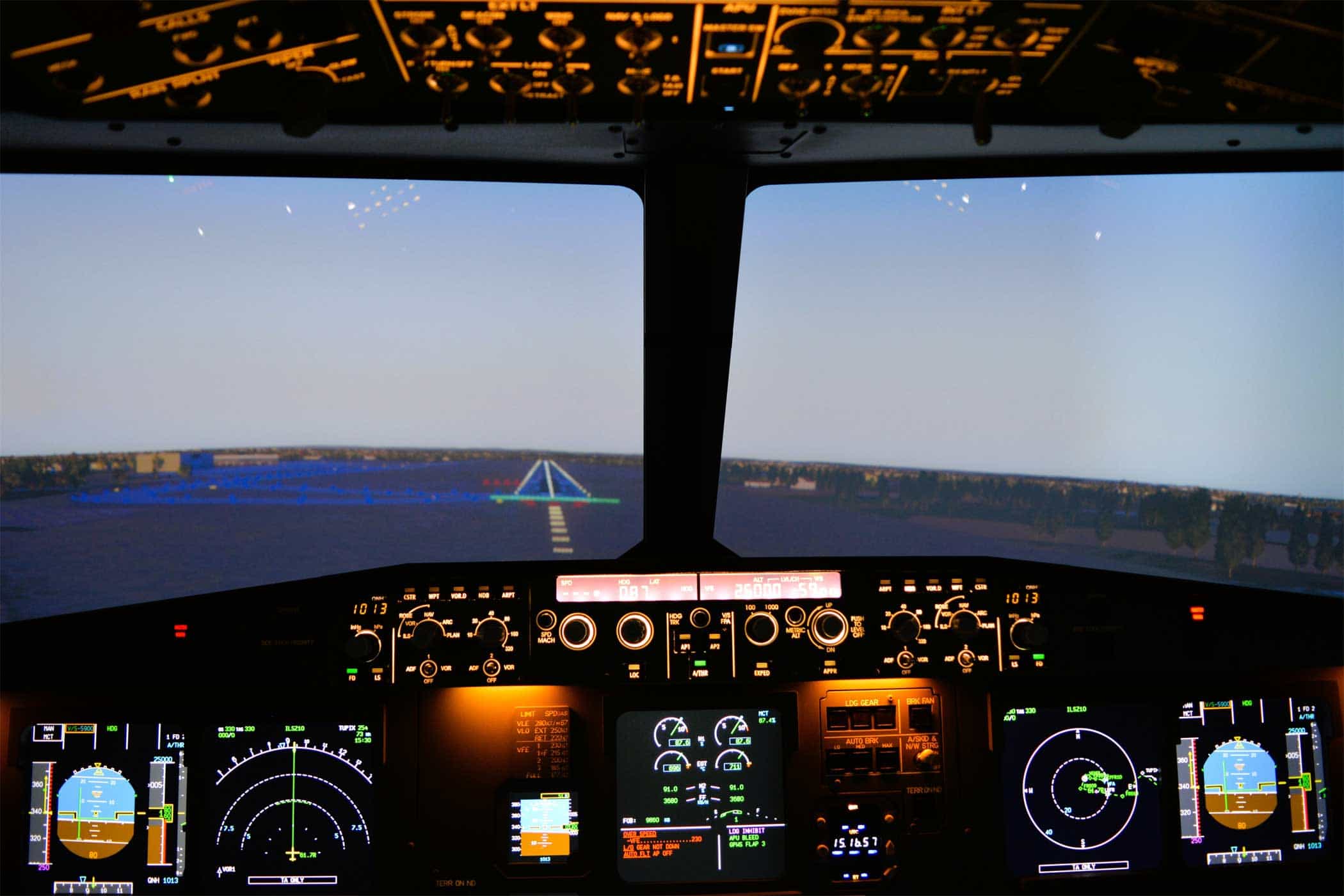
In addition to real flight training, simulator training is also a mandatory part of the program. State-of-the-art flight simulators make it possible to practice important situations under controlled conditions without taking risks, such as how to behave in different weather conditions or emergencies.
4. Exams
Finally, you must pass the theoretical exams and the practical exam (check flight) to obtain your pilot’s license.
What are the costs associated with pilot training?
Pilot training is expensive, as it requires high-quality equipment, materials, flight hours, and qualified instructors. On average, the cost of a private pilot’s license can range from €8,000 to €15,000, while a commercial pilot’s license can easily cost €40,000 to €80,000 or more, depending on the scope and the school.
The exact costs depend on several factors, including:
- Type of flight school (private or state-run)
- Type of aircraft (e.g. single-engine or multi-engine)
- Number of flight hours required (may vary depending on training progress)
- Costs for teaching materials and examination fees
- Cost of living during training
Some aspiring pilots finance their training through loans, scholarships, or sponsorship from airlines.
How long does pilot training take?
The duration varies considerably depending on the desired license and individual circumstances. A private pilot’s license typically takes about 6 to 12 months with full-time study. A commercial pilot’s license adds another 1 to 2 years.
Those working directly towards an airline pilot’s license, for example to join an airline, should expect a training period of two to four years. In addition to the actual training time, factors such as weather, aircraft availability, and individual learning speed also play a role.
Is pilot training difficult?
Pilot training is considered demanding. It requires a good grasp of concepts, technical understanding, discipline, and resilience. The combination of extensive theoretical instruction and intensive practical training is challenging both mentally and physically.
Exams, such as those for the theory sections or the check flight, demand precise knowledge and skills. In addition, various medical examinations are required, as pilots must be in good health. Stressful situations in the cockpit must also be handled professionally.
Nevertheless, the training is quite manageable for people with a strong passion for aviation and high motivation. Many student pilots find the training to be an exciting and rewarding experience despite the challenges.
Other important aspects of pilot training
Subsequent further training
Basic training is often followed by further training, for example on larger aircraft types, so-called type ratings, as well as further training to become a captain.
Career development opportunities
Many pilots start as captains of smaller aircraft and can later advance to airlines or develop further in specific areas of aviation.
Conclusion
A pilot’s career is fascinating, challenging, and requires a great deal of commitment. If you want to begin pilot training, you should be aware of the demands: the training is time-consuming and expensive, requires intensive learning and practice phases, and involves physical and mental tests. But with the right preparation and a passion for flying, you can make your dream of becoming a pilot come true.
Call to action
Are you ready to take your first step towards the cockpit? Contact flight schools to find out about entry opportunities and start your journey into the fascinating world of aviation today! If you need further information, please contact us at pilot@luftfahrtmagazin.de.