This site is also available on:
 Deutsch
Inhaltsverzeichnis
Airbus Aliaca: Introduction to the further development of SMDM for the Navy
- The Airbus Aliaca is a revolutionary system that expands the operational capabilities of the Navy.
- Thanks to the Airbus Aliaca, reconnaissance capability is significantly increased.
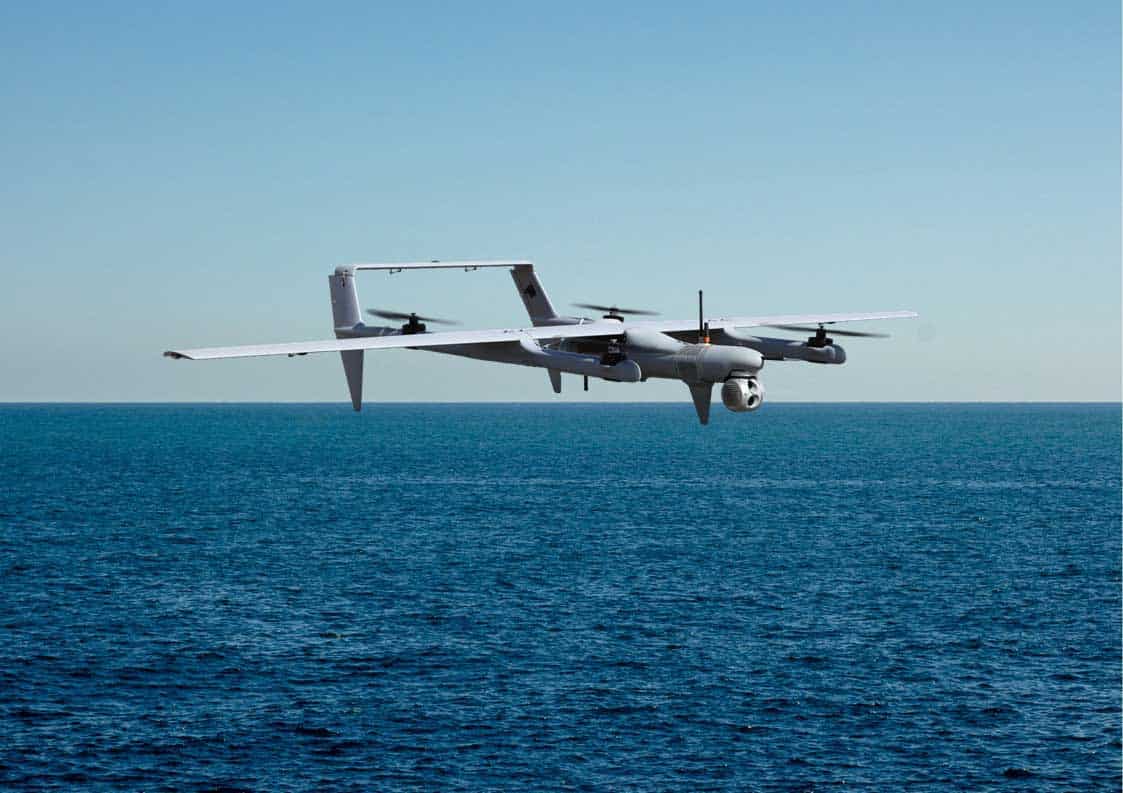
The French defense procurement agency, the Directorate General for Defence (DGA), has taken a significant step in modernizing its unmanned aerial vehicle (UAV) systems for the Navy. The new version of the SMDM, known as the “Onboard Mini Aerial Drone System for the Navy,” will introduce vertical takeoff and landing (VTOL) capability. This technological innovation is based on the proven Aliaca platform from Airbus Helicopters, which has been in extensive use by the French Navy since 2022. With an order for a total of 34 systems, the DGA demonstrates its confidence in the capabilities of this unmanned aerial system, which, among other things, represents an efficient expansion of reconnaissance capabilities. Deliveries of the VTOL-capable system are scheduled to begin in May 2026, following the completion of a comprehensive qualification campaign.
- The new Airbus Aliaca VTOL version is an important advancement in technology.
- The Airbus Aliaca will allow the Navy to operate more efficiently.
- Integrating the Airbus Aliaca into existing systems is straightforward.
Technical features and improvements of the Airbus Aliaca VTOL version
- The operational possibilities of the Airbus Aliaca are continuously being expanded.
- The Airbus Aliaca will allow the Navy to set new standards.
- The Airbus Aliaca represents a crucial innovation for maritime operations.
The new variant of the Aliaca drone combines the advantages of a fixed-wing aircraft with the flexibility of a multicopter. Equipped with four propellers, the system enables vertical takeoff and landing, while during operation it utilizes the efficient propulsion of a fixed wing. This hybrid configuration significantly optimizes both range and operational flexibility. Key technical characteristics include a maximum takeoff weight of 25 kilograms, a wingspan of 3.5 meters, and an overall length of approximately 2.1 meters. With a flight time of two hours and an operational range of up to 50 kilometers, the drone meets a wide range of tactical requirements.
- The quality of the Airbus Aliaca ensures improved operational readiness.
The sensor system consists of highly advanced gyro-stabilized electro-optical and infrared (EO/IR) equipment, enabling precise reconnaissance and monitoring. This is complemented by a switchable Automatic Identification System (AIS) that detects ships within a radius of several hundred kilometers. This combination significantly improves early situational awareness and the ability to respond to threats or special events.
Compared to previous SMDM versions, the VTOL configuration results in faster operational readiness and reduces logistical requirements, as it eliminates the need for complex takeoff and landing facilities. Operation remains via the proven ground station, which has gained recognition for its user-friendliness and efficiency. This preserves familiar interfaces, facilitating integration into existing operational concepts.
Potential applications and operational significance of the new systems
- The Airbus Aliaca is a crucial step in maritime aviation technology.
Since 2022, the SMDM has established itself as an important component of various French Navy vessels. The equipment is used on deep-sea patrol boats (PHM), overseas patrol boats (POM), and surveillance frigates, thus covering a wide range of applications. The system plays a particularly important role as “remotely stabilized binoculars,” significantly improving situational awareness. Additionally, since 2023, the system has also been used to support search and rescue operations in the English Channel waters.
With the introduction of the VTOL-capable variant, the operational fleet will be further expanded, as new ship types will now be equipped with this technology. The focus will be on tasks such as tactical situational awareness, combating illegal activities, traffic and coastal surveillance, search and rescue operations, and the detection of suspicious behavior. A long-term goal is also to operate from land-based bases to complement the coastal surveillance network and further enhance maritime security.
Supply and operational planning benefit from the modular concept and low logistical burden, enabling a flexible response to rapidly changing operational situations. This supports the French Navy in effectively expanding its maritime surveillance strategy and being able to act quickly in various scenarios.
Qualification process and future career prospects
Comprehensive testing of the VTOL system took place on land and at sea from late 2024 to 2025. Following the successful introduction of the VTOL version in April 2025, the system will enter a further qualification phase with the DGA (German Aerospace Center) starting in early 2026. This phase includes land and sea tests to officially confirm its operational capability. The parallel development of the fixed-wing version for at least another seven years ensures continuity of operational capabilities and avoids technological gaps.
The development of the VTOL-SMDM highlights the progress made in tactical mini-drones for maritime applications, which impress with their versatility and technical robustness. The elimination of special take-off and landing systems further expands the range of applications and thus the future user base.
Furthermore, these advances align with a global demand for flexible, reliable, and lightweight unmanned aerial systems that can be used by maritime forces from various nations for diverse tasks. The French Navy is thus ideally positioned to meet the demands of modern maritime surveillance and security, demonstrating how technological innovations can be integrated into existing operational structures.
Importance for surveillance, security operations and search and rescue services
The introduction of the VTOL version of the SMDM represents a significant milestone in the development of unmanned maritime aerial vehicles. This system combines modern fixed-wing technology with vertical takeoff and landing capabilities, opening up new perspectives for the French Navy in terms of flexibility and operational performance. Thanks to extensive testing and an upcoming qualification phase, the system is expected to be gradually integrated into active service starting in 2026.
The ability to operate from a wide variety of ship types and later also from land bases underscores the system’s versatility and importance for maritime tasks such as surveillance, security operations, and search and rescue. The Aliaca VTOL thus makes a significant contribution to increasing the efficiency and optimizing the operational capabilities of modern navies.
Overall, the development of this drone exemplifies the trend toward establishing small, agile, and technologically advanced unmanned systems in military applications. With this innovation, the French Navy positions itself as a pioneer in the effective use of unmanned aerial systems for monitoring and securing maritime areas. This advanced technology enables the acquisition of high-quality, real-time tactical information, which will significantly improve decision-making in future maritime operations.
More information about Airbus Aliaca can be found at https://www.airbus.com/en/products-services/defence/uas/aliaca.
This might interest you:
 State taxes on air transport: impacts on the economy and mobility
 New aviation fuel Swift 100R at Mönchengladbach Airport
 Kooperation zwischen Flughafen Hahn und Aktau International Airport
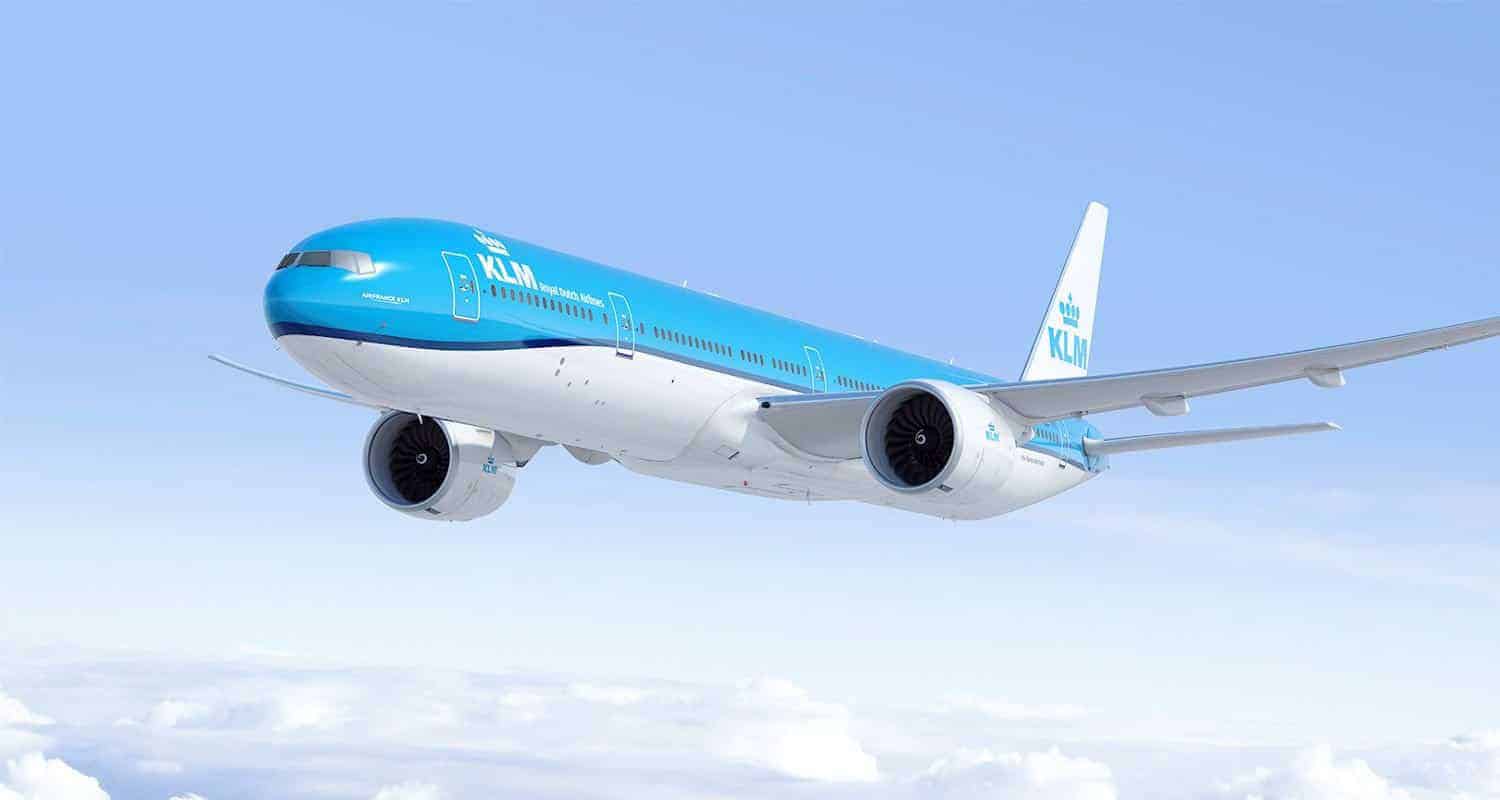 KLM celebrates 105 years of connection to Bremen and Hamburg
 Expansion at the Steven F. Udvar-Hazy Center: News for aviation enthusiasts
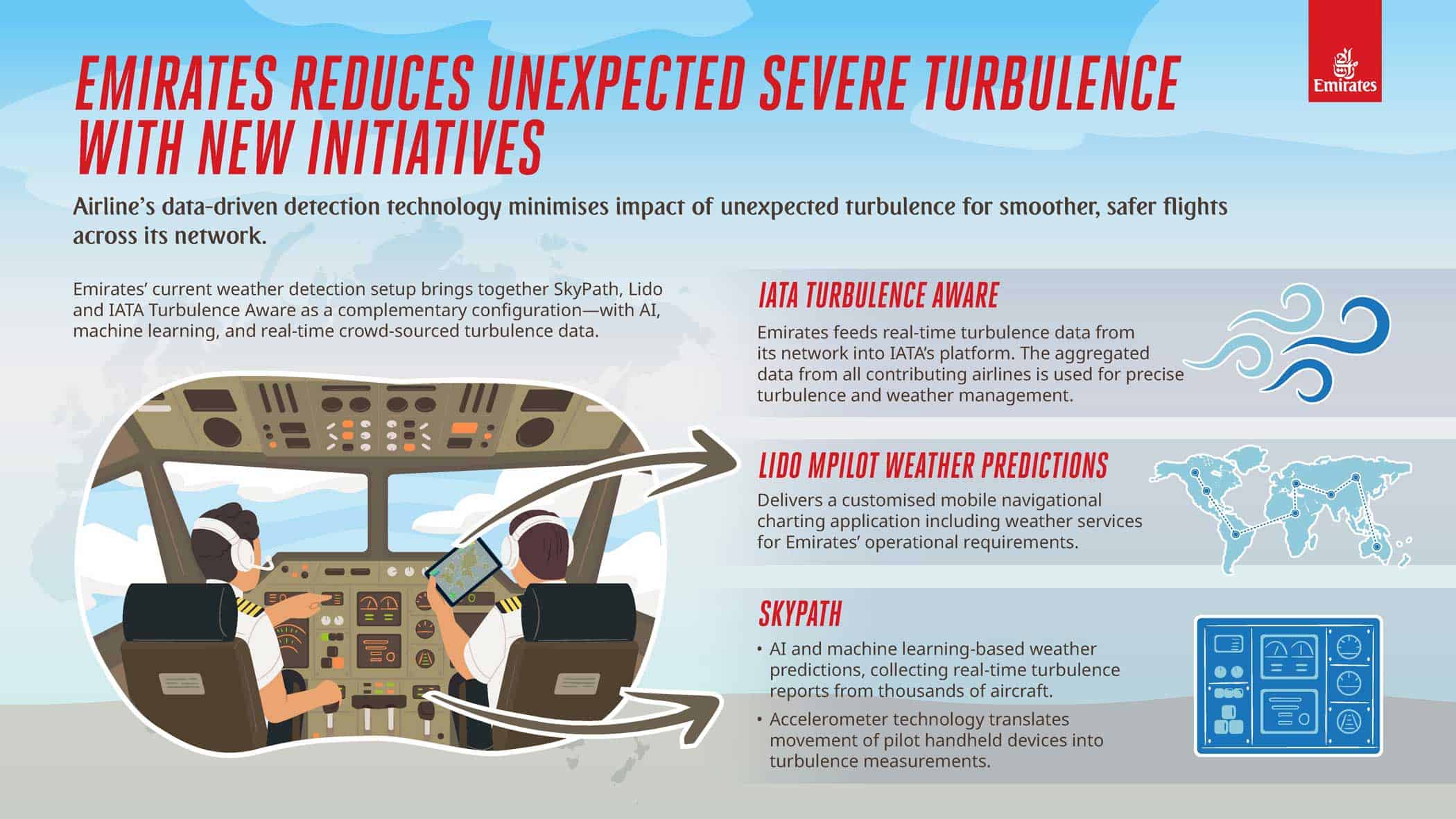 Emirates’ innovative approaches to minimizing turbulence in air traffic
 Weitere NEWS:

Delta Air Lines expands its fleet with Airbus A330neo and A350 (28.01.2026)
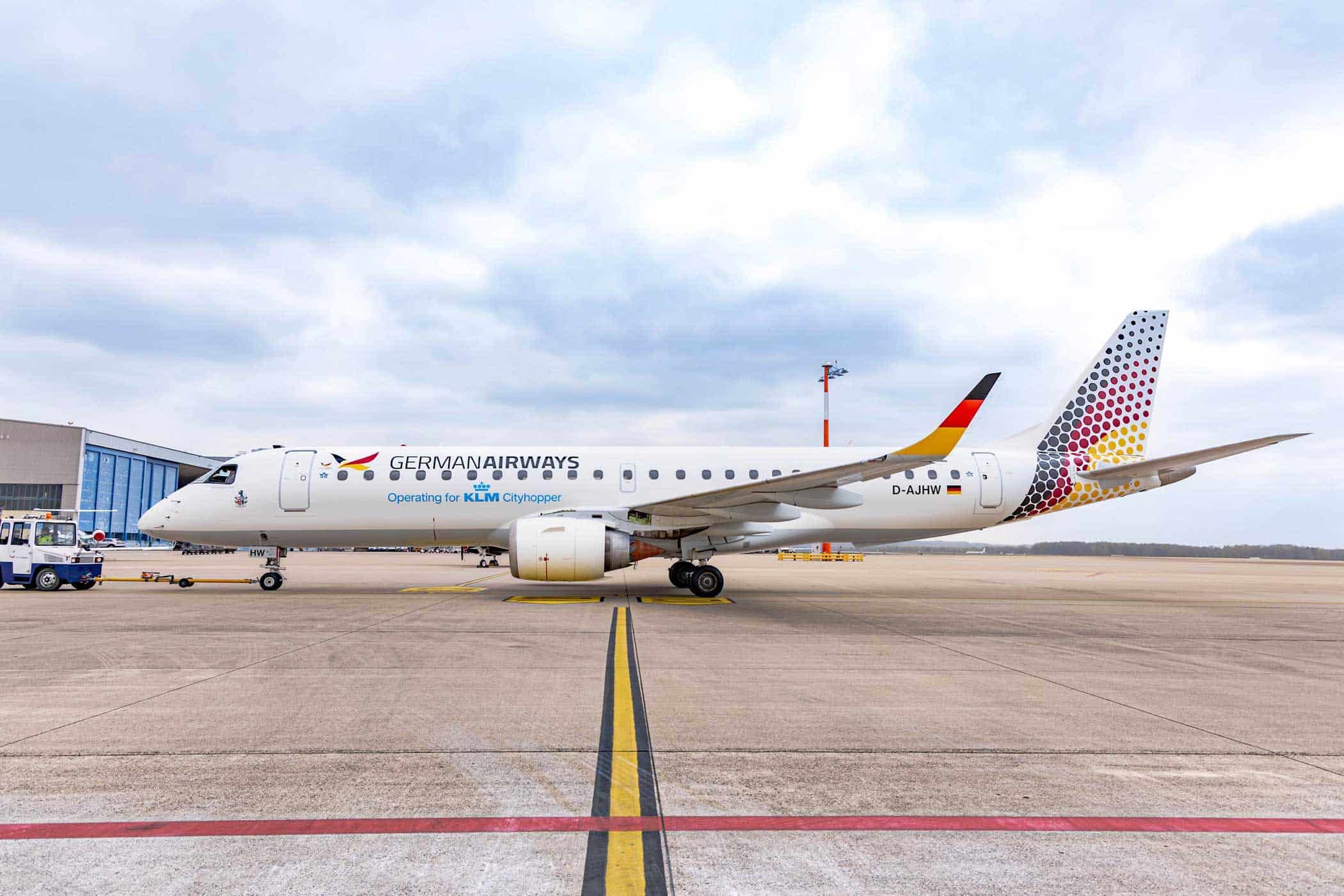
German Airways expands its fleet with Embraer E190 and strengthens its European network (30.01.2026)
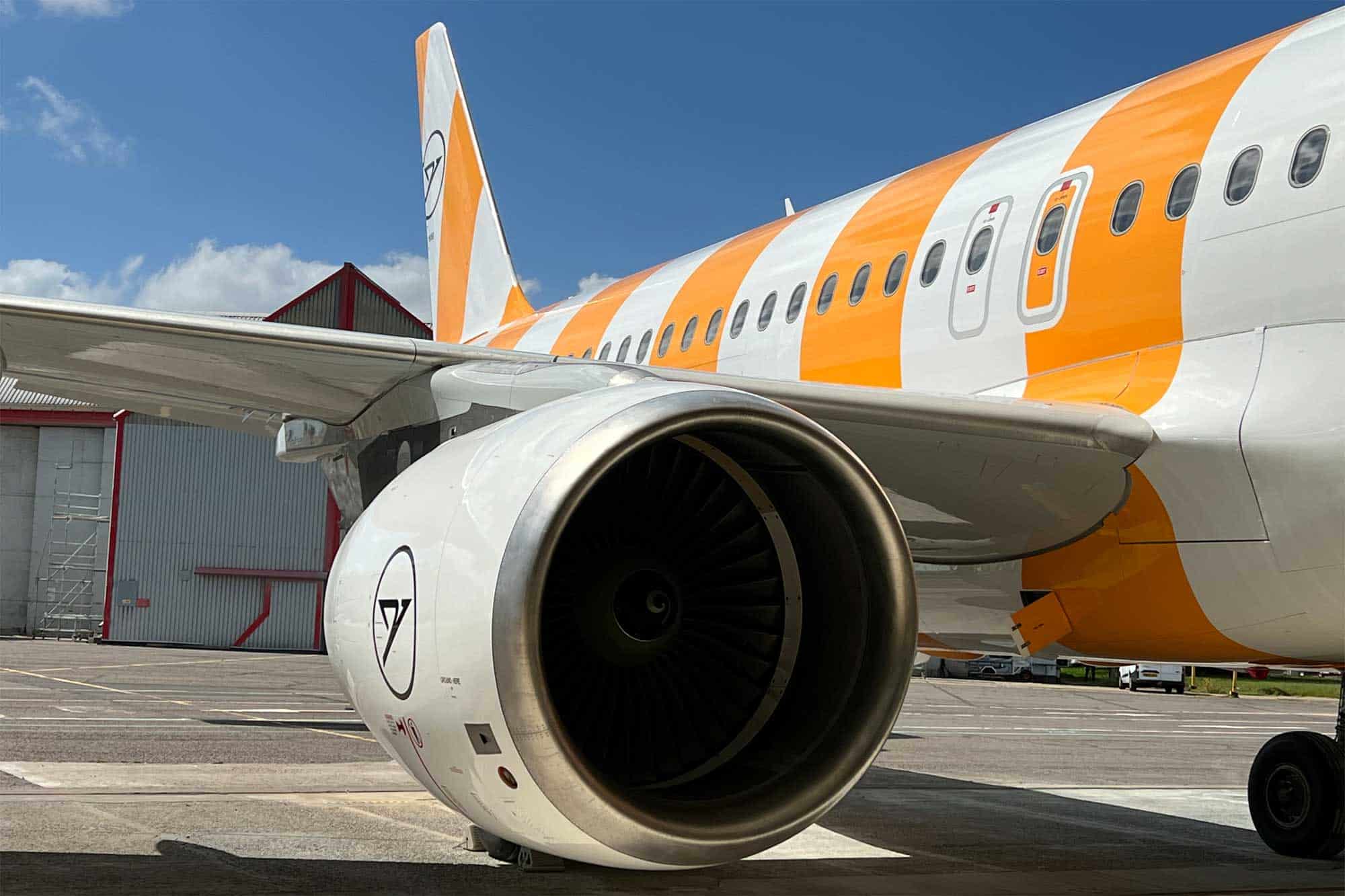
Condor: Daily flight connection Frankfurt Cairo from May 2026 (29.01.2026)

Air India expands its fleet with 30 Boeing 737 MAX aircraft (29.01.2026)

Eurofighter milestone with over one million flight hours (29.01.2026)

Etihad Airways: Official partnership with the Abu Dhabi Gold Cup (02.02.2026)