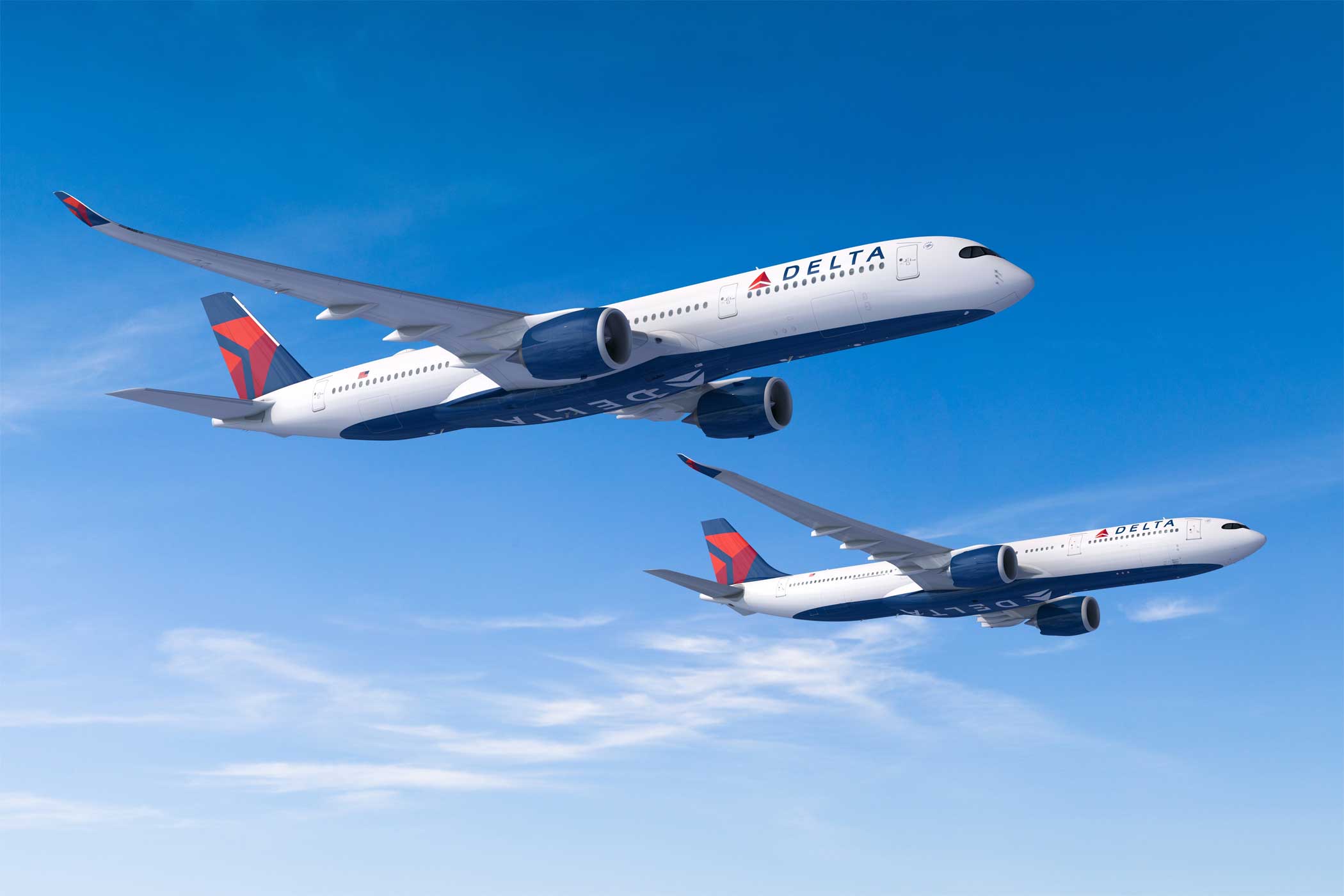
16 Airbus A330-900 aircraft and 15 Airbus A350-900 aircraft
Delta Air Lines is taking a significant step toward expansion and sustainability with its order of 31 modern wide-body aircraft. The investment includes 16 Airbus A330-900s and 15 Airbus A350-900s, further expanding Delta’s diverse fleet. Upon delivery, the company’s long-haul fleet will grow to 55 A330neos and 79 A350s. This modernization is part of a long-term strategy to develop new long-haul routes while simultaneously increasing operational efficiency and pursuing environmental goals through technologically advanced aircraft.
Importance of fleet expansion
By expanding its international network reach, Delta Air Lines is leveraging its competitive advantage in the global air travel market. The latest models in the Airbus A330neo and A350 families offer not only greater range but also increased capacity and state-of-the-art cabin amenities – key factors for long-haul comfort and passenger satisfaction. CEO Ed Bastian emphasizes that this investment not only enhances existing services but also enables long-term cost savings through more efficient operating methods. The close collaboration with Airbus underscores the strategically important partnership between the manufacturer and the airline.
Advanced technology and sustainability are the focus
The selection of these specific aircraft models is based on their superior performance, taking into account operating costs and environmental impact. The Airbus A330neo is powered by the latest Rolls-Royce Trent 7000 engines and is designed for a maximum range of 8,100 nautical miles, or approximately 15,000 kilometers. Compared to older generations, the A330neo reduces fuel consumption, CO2 emissions, and operating costs by around 25 percent.
The A350, considered the world’s most modern wide-body aircraft, surpasses these figures even further with a range of up to 9,700 nautical miles (approximately 18,000 kilometers) and also a 25% reduction in the aforementioned parameters compared to previous-generation competitor models. Both aircraft families benefit from lightweight materials and aerodynamically optimized fuselages, resulting in outstanding fuel efficiency and reduced CO₂ emissions.
Furthermore, the aircraft are capable of running on sustainable aviation fuel (SAF) – currently up to 50 percent, with the goal of achieving full SAF compatibility by 2030. This step strengthens Delta and Airbus’s efforts to make air travel more environmentally friendly.
Setting new standards in the flight experience
Delta Air Lines is also aiming to improve the passenger experience with the introduction of these Airbus models. The “Airspace” cabin, used in both the A330neo and the A350, is equipped with state-of-the-art features. It provides a comfortable and quiet atmosphere during the flight and contributes to a more pleasant journey through innovative lighting concepts, increased space, and a more tranquil environment.
In addition to the benefits for passengers, crews also profit from the ergonomically designed workspaces and improved operating systems. These factors increase crew efficiency and thus raise safety standards and service on board.
Thanks to the high capacity and range of these aircraft, new international markets can be accessed and existing connections expanded. With this fleet modernization, Delta is contributing to the further networking of global destinations and strengthening its international competitiveness.
Airbus and Delta: A strategic alliance
The partnership between Delta and Airbus is long-standing and characterized by numerous aircraft orders across a wide range of product families, from the compact A220 to the innovative A350-900. Delta’s current backlog of Airbus aircraft comprises approximately 200 planes, including the larger A350-1000 variant.
Benoît de Saint-Exupéry, Airbus EVP Sales, emphasizes that Delta’s renewed purchase decision for the A330neo and the A350 underlines the confidence and excellent performance of the Airbus widebody family. These aircraft meet the need for range, capacity, and comfort to support expansion into new markets and thus connect more people around the world.
As of the end of December 2025, the A350 family has over 1,500 sales orders from 67 customers, while the A330 family has received more than 1,900 orders worldwide. This strong demand confirms market acceptance and underlines Airbus’s technological lead in the wide-body aircraft segment.
Environmental protection and sustainable aviation as a guiding principle
In times of growing environmental challenges, the aviation industry is under increasing pressure to reduce its environmental impact. Delta’s investment in fuel-efficient aircraft with the integrated capability to use sustainable fuels underscores its commitment to greener aviation.
The use of Sustainable Aviation Fuels (SAF) and efficient engines are key components in reducing CO2 emissions for airlines. The future use of up to 100 percent sustainable aviation fuels by Airbus aircraft is considered a milestone in the fight against climate change. At the same time, this technology enables airlines to better comply with regulatory requirements and improve public acceptance of air travel.
In addition to the direct environmental benefits, the new aircraft also bring economic advantages for Delta. Improved fuel economy leads to lower operating costs and makes flight routes more economically attractive, thereby increasing competitiveness on international routes.
Intercontinental aviation is characterized by collaborative and future-oriented initiatives
Delta Air Lines’ decision to expand its fleet with 31 modern wide-body aircraft from Airbus reflects a strategic focus on growth, sustainability, and a superior passenger experience. The Airbus A330neo and A350 models combine advanced technology, impressive range and capacity, and innovative cabin designs that redefine comfort and efficiency in air travel.
This fleet renewal positions Delta ideally to tap into new markets while pursuing economic and environmental goals. Airbus, with its highly sought-after aircraft families, demonstrates how innovation and environmental protection can go hand in hand to meet the challenges of modern aviation.
The future of intercontinental aviation will be significantly shaped by such collaborative and forward-looking initiatives, which prioritize both economic and sustainability aspects. Delta Air Lines and Airbus thus exemplify the industry’s evolution in the 21st century and are making a substantial contribution to the transformation of global air travel.