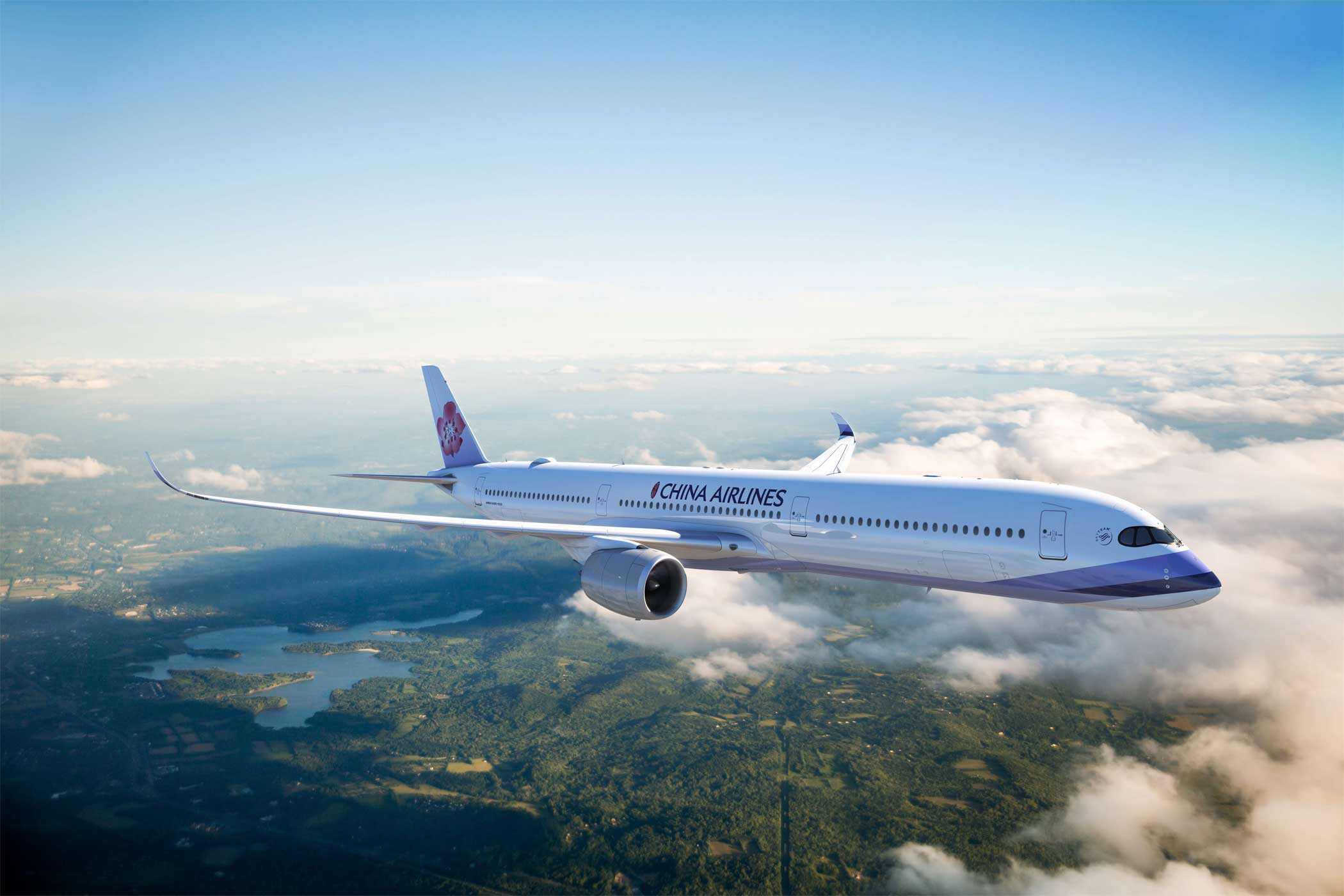
Introduction to the expansion of the long-haul fleet
Here you will learn how Taiwanese airline China Airlines recently expanded its fleet with a significant order for five additional Airbus A350-1000 aircraft. This brings its total order for the type to 15 units, complementing its existing fleet of 15 Airbus A350-900 jets currently operating on long-haul routes worldwide. This decision sends a clear signal of China Airlines’ commitment to sustainable and future-oriented development in the long-haul aviation sector.
The commitment to fleet modernization is a top priority. It demonstrates the importance of efficiency, passenger comfort, and environmental considerations in the airline’s strategic growth plans. The deployment of the latest generation of Airbus aircraft will particularly enhance competitiveness and the travel experience on long-haul routes.
The following sections will explain the technological advantages offered by the A350 family, what the emission savings will look like in concrete terms, and what impact this decision may have on global air traffic and the sustainable development of the industry.
Technological advances and efficiency of the Airbus A350 family
The Airbus A350 represents the state of the art in widebody aviation and was specifically designed to cover distances of up to 9,800 nautical miles, or 18,000 kilometers, nonstop. The aircraft’s technical features and aerodynamic characteristics set new standards in efficiency and comfort.
It is characterized by innovative materials and state-of-the-art engine technology. The use of lightweight materials significantly improves fuel efficiency and reduces operating costs and CO2 emissions by around 25 percent compared to its predecessors or competitors. The latest generation of Rolls-Royce engines, in particular, contribute significantly to this optimization.
Furthermore, the exclusive cabin, called Airspace, offers state-of-the-art features to enhance comfort for both passengers and cabin crew. These include an improved cabin climate, reduced noise levels, and cutting-edge entertainment systems, significantly improving the travel experience. This technological innovation, combined with a focus on sustainability, ensures that the A350 aircraft will play a crucial role in the further development of commercial aviation.
Sustainability and future prospects in aviation
Particular emphasis is placed on the sustainable operation of the aircraft. The A350 is already capable of using up to 50 percent Sustainable Aviation Fuel (SAF), which significantly reduces the climate footprint of a single flight. Airbus is even going a step further and plans to make its entire aircraft range capable of running on 100 percent SAF by 2030.
This measure is part of the global transformation within the aviation industry towards a more environmentally friendly future. For you as a stakeholder in air transport, this presents both significant opportunities and challenges, as processes, infrastructure, and business models will need to be adapted.
China Airlines and other airlines operating the A350 are contributing to a more climate-friendly air travel sector through the use of sustainable fuels and more efficient aircraft. The global market confirmed this trend with nearly 1,500 orders for the A350 family from 66 customers by the end of November 2025, underscoring the high regard for this technology.
Impact and significance of fleet expansion for China Airlines
The decision to order five more Airbus A350-1000 aircraft is more than just an expansion of the fleet – it represents a significant milestone in China Airlines’ long-term growth strategy. Increasing passenger capacity while simultaneously improving operating costs and enhancing environmental awareness creates a solid foundation for the company’s future in international competition.
They benefit from more efficient resource utilization, which translates into lower operating costs. At the same time, the airline remains competitive with state-of-the-art technology and first-class service. This is particularly crucial for long-haul flights, where comfort and range are of paramount importance for customer satisfaction and economic success.
Furthermore, the close partnership with Airbus, strengthened by this follow-up order, underscores confidence in the performance and reliability of the A350 series. This close cooperation allows China Airlines to consistently pursue its network ambitions and expand its market position in the long term.
Conclusion: The path to a modern and sustainable long-haul fleet
By adding five more A350-1000 aircraft, the Taiwanese airline is sending a clear signal for innovation, comfort, and environmental responsibility in air travel. The fleet expansion reflects its commitment to utilizing modern technologies to benefit both economically and environmentally.
Investing in the latest generation of Airbus A350 aircraft sustainably strengthens long-haul capacity and promotes an enhanced passenger experience thanks to advanced cabin concepts and more efficient engines. The combination of reduced emissions, the use of sustainable fuel, and modern aerodynamics offers a way to significantly minimize CO2 emissions in air transport.
This means you benefit not only from comfortable and efficient technology, but also from a clear focus on future environmental requirements. China Airlines’ position as a pioneer in sustainable long-haul flights is thus strengthened, while simultaneously ensuring competitiveness and service quality in a demanding market.
This development exemplifies how modern aviation companies integrate innovative solutions to successfully meet the challenges of the 21st century.