Home Blog Page 6

United Airlines has new destinations in Europe in Croatia, Italy, Scotland and Spain

0

United Airlines will continue its route network expansion in the summer of 2026. From its Newark/New York hub, it will serve four new cities in Europe: Split, Croatia; Bari, Italy; Glasgow, Scotland; and Santiago de Compostela, Spain. United will also launch a daily nonstop service between Washington Dulles International Airport and Reykjavik, Iceland. This strengthens the airline’s position as the US carrier with the most cross-Atlantic destinations, bringing the total to 46. United is also expanding its offerings to Asia with new flights between Newark/New York and Seoul, South Korea. On the route from Newark/New York to Tel Aviv, Israel, the frequency will increase to up to 18 flights per week.

With this year’s network expansion and additional route announcements, United will offer nearly 3,000 round-trip international flights per week by summer 2026. Worldwide, United will operate over 850 flights per day to and from more than 150 international destinations next year. The airline is the only US carrier to serve 41 of these destinations.

More information on the new routes to Europe (subject to regulatory approval):

New York/Newark – Split/Croatia: United plans to launch the route on April 30, 2026. Three flights per week will then be served by a Boeing 767-300ER to Croatia’s second-largest city. United will be the only airline connecting Split with the United States and currently offers nonstop flights to Croatia (seasonally Newark/New York – Dubrovnik).

New York/Newark – Bari, Italy: Starting May 1, 2026, United will fly four times a week to the capital of the Apulia region with a Boeing 767-300ER. This will expand the airline’s service to Italy to up to 15 daily flights to six destinations next summer.

New York/Newark – Glasgow/Scotland: Daily seasonal service to Glasgow will begin on May 8, 2026, with a Boeing 737-MAX8. United already flies to Edinburgh year-round and is the largest carrier between the US and Scotland.

New York/Newark – Santiago de Compostela, Spain: United will be the first airline to launch three-week seasonal direct flights with a Boeing 737-MAX8 between the United States and the capital of the northwestern Spanish region of Galicia, starting May 22, 2026. Santiago de Compostela will be the sixth destination in Spain.

Washington Dulles – Reykjavik/Iceland: The new route to Reykjavik is the third route United offers between the US and Iceland. Starting May 21, 2026, the airline will operate a Boeing 757-200 on daily flights from Washington Dulles.

United Airlines summer destinations
United Airlines summer destinations (© United Airlines)

Expansion of flight services to South Korea

Beginning September 4, 2026, United will launch daily service between Newark, New York, and Seoul, South Korea, with a Boeing 787-9 Dreamliner, complementing its existing twice-daily service to South Korea from San Francisco.

Up to 18 flights per week from New York to Tel Aviv/Israel in summer

The current twice-daily frequency on the Newark/New York to Tel Aviv route will be expanded to include a third flight (four times a week) starting March 28, 2026. The additional service will be operated by a Boeing 787-9 Dreamliner. United will thus offer up to 18 flights per week on this route. Passengers can also continue to fly to Tel Aviv four times a week from Chicago O’Hare and three times a week from Washington Dulles.

Airbus consolidates tactical drone portfolio for modern defense

0

Introduction to the further development of tactical unmanned aerial systems

The rapid development of tactical unmanned aerial systems (UAS) has significantly increased the importance of these technologies for defense and security. Recognizing this momentum, Airbus has consolidated its small and medium-sized UAS systems from the Survey Copter, Aliaca, and Capa-X offerings into a comprehensive portfolio, which will be managed by the Airbus Helicopters division. The goal is to be able to offer defense and security customers targeted and efficient, consistent solutions, while intensifying collaboration between the helicopter, defense, and space divisions. This consolidation is not only a strategic step but also a reflection of the growing importance of drone technologies in modern military and parapublic applications.

The importance of unmanned aerial systems for modern operations

Unmanned aerial vehicles offer indispensable capabilities for real-time reconnaissance and surveillance. Their ability to deploy high-resolution sensors for ISTAR (Intelligence, Surveillance, Target Acquisition, and Reconnaissance) operations makes them crucial tools for long-term ISR (Intelligence, Surveillance, and Reconnaissance) missions. These capabilities primarily benefit maritime and expeditionary forces, but also enable precise target acquisition on the battlefield. In addition, unmanned systems perform connecting tasks in parapublic areas of operation, such as firefighting or police work, where comprehensive surveillance and rapid deployment are crucial.

The integration of Aliaca and Capa-X into the Airbus Helicopters portfolio creates synergies by combining innovative strength and technical expertise. The close integration with manned helicopters using HTeaming technology multiplies the operational possibilities: The UAS systems can significantly extend the sensor range, enabling individual crews to detect threats early and respond in a targeted manner – a capability that significantly increases effectiveness in complex mission scenarios.

Portfolio development and technical specifications of tactical drones

Survey Copter, based in Pierrelatte, southern France, has many years of expertise in the development and maintenance of light tactical drone systems for civil and military applications. Since 1996, it has delivered over 300 unmanned systems to national and international users. Airbus Helicopters is building on this foundation with a diverse product range that reflects current defense requirements.

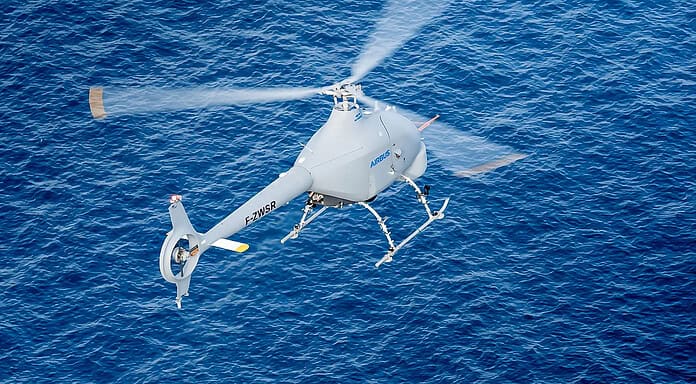
The Aliaca system is a 25-kilogram UAS capable of carrying a payload of up to 3 kilograms for up to six hours, and has established itself as a robust imaging tool for reconnaissance and decision support. The Flexrotor, also weighing 25 kilograms, enables even greater range and endurance, but can carry payloads of up to 8 kilograms for up to 12 hours. For particularly demanding and variable missions, the Capa-X is available. It weighs 120 kilograms and can carry a payload of up to 20 kilograms, and can be flexibly adapted to different operational areas and mission profiles. This range is complemented by the VSR700, a discreet 750-kilogram drone specifically designed for maritime operations, cargo transport, and combat tasks. This sophisticated portfolio covers a wide range of modern operational requirements and offers users new options for reconnaissance, surveillance, and operational flexibility.

Advanced UAS technologies in defense and space

Complementing its consolidated offering of small and medium-sized drones, Airbus is developing a range of other multi-mission unmanned systems in the Defence and Space sector, based on technological versatility and strategic importance. Of particular note is the Eurodrone, a next-generation large-wing, long-range, remotely piloted aircraft system that contributes to strengthening European defence capabilities and strategic sovereignty. Furthermore, the advanced tactical UAS SIRTAP is used for demanding day and night reconnaissance missions over land and sea. The solar-electric stratospheric platform Zephyr represents a unique High Altitude Platform Station (HAPS) enabling long-term surveillance at high altitudes. Airbus also offers target training drones relevant for training purposes and simulating threat scenarios.

In addition, Airbus has developed connected solutions for the interaction of manned and unmanned aircraft. Crew-uncrewed teaming allows aircraft and helicopter crews to take control of tactical UAS in real time. This innovative approach significantly extends the operational range of sensors beyond direct line of sight and enables significantly more efficient use of manned platforms by enabling UAS to perform critical tasks for which manned aircraft are not optimally suited.

Conclusion: Groundbreaking integration for flexible and powerful drone systems

The consolidation of the Survey Copter, Aliaca, and Capa-X UAV portfolios under the leadership of Airbus Helicopters underscores the Group’s strategic focus on providing needs-based and scalable solutions for modern defense. This integration contributes to the creation of a center of excellence that not only provides a wide range of light and medium tactical drones but also fosters synergies in further development and support.

The diverse applications range from naval and land operations to specialized roles in observation and target acquisition on the battlefield. These systems are also increasingly valued in tasks such as law enforcement and firefighting. With the simultaneous development of large and sophisticated UAS technologies within the Defence and Space Division, Airbus reflects a consistent commitment to innovation that will have a lasting impact on the defence industry.

Crew-uncrewed teaming also deserves special attention. It not only enhances combat and surveillance capabilities but also revolutionizes the integration of manned and unmanned systems in an operational environment. This strategic direction makes Airbus a leading provider in a dynamically developing segment of the defense market and represents an important step toward future-oriented, networked aviation systems.

Quantum communication: From aircraft to ground stations and the quantum internet

Quantum communication via mobile platforms: A milestone for the future

In the world of modern communications, the secure transmission of information represents an essential cornerstone. With increasing interconnectedness and the growing importance of digital data, the risk of unauthorized access by third parties is also growing. Quantum communication offers innovative possibilities for fundamentally improving the security and integrity of data transmission. Particularly noteworthy are the recent successes in transmitting single photons from an aircraft to a ground station, paving the way for a quantum-secure communications network.

This experimental flight project focuses on two central challenges: First, it involves the generation and targeted emission of individual photons — the light-quantized particles—from a moving aircraft, which is already a technical feat. Second, these individual photons must be captured and precisely detected on the ground without losing their quantum mechanical properties. Scientists from various renowned institutes have now proven that this is not only technically feasible but also robust enough to establish multiple quantum channels. This opens up perspectives for quantum key distribution and the construction of a global quantum internet.

Highly complex quantum key distribution technology in practice

Quantum key distribution (QKD) is considered the heart of quantum-secure communication. By using single photons as transmission carriers, quantum cryptographic keys can be generated that make eavesdropping by third parties virtually impossible. The technology utilizes fundamental principles of quantum physics, such as the uncertainty principle and the principle of entanglement, to make any manipulation or eavesdropping attempts immediately detectable.

The latest experiments, conducted as part of the QuNET initiative funded by the German Federal Ministry of Research, Technology and Space, demonstrate practical progress in this field. The German Aerospace Center (DLR), the Max Planck Institute for the Science of Light (MPL), the Friedrich-Alexander University Erlangen (FAU), and several renowned Fraunhofer institutes participated in the project. By combining modern optical communication terminals with innovative detection methods, the reliable transmission of individual photons from an aircraft
to a ground station was possible.

The aircraft, a modified Dornier 228, served as a mobile hub from which quantum information was transmitted. On the ground, a specially developed mobile receiving terminal, the so-called QuBUS from Fraunhofer IOF, received the signals. To optimize the experimental conditions, an ion trap was installed in the MPL laboratory to analyze the quantum mechanical states of the photons.

The results achieved were impressive: They succeeded in setting up and repeatedly measuring various quantum channels, guiding the photons to the test site through a fiber optic connection, and detecting the complex states at the ion trap. These steps demonstrate the high quality and precision of the overall system and mark a significant advance on the path to practical quantum communication systems.

Overcoming large distances thanks to novel quantum communication networks

A crucial problem in the implementation of quantum-safe communication technologies lies in range. Currently, quantum states can only be reliably transmitted over distances of a few hundred kilometers using optical fibers, as losses and decoherence severely impair transmission quality. The use of satellites or mobile platforms such as aircraft, however, opens up the possibility of transmitting quantum information terrestrially over arbitrarily large distances.

Florian Moll of the DLR Institute of Communications and Navigation emphasizes that in the long term, satellites will serve as essential nodes in quantum networks. Aircraft provide an important intermediate stage: They can act as portable, mobile connection points, thus expanding the infrastructure for a global quantum network.

However, the use of communication systems in the air requires sophisticated technology to counteract external interference while still preserving the integral quantum properties of photons. The current flight experiment with the modified Dornier 228 underscores how technical challenges can be overcome: precise tuning of the photon wavelength, robust transmission channels, and advanced detectors enable clear signal detection.

The flexibility of the protocols used is also important. Novel and configurable algorithms for quantum key distribution allow adaptation to changing conditions and ensure communication even under challenging atmospheric conditions. The experiment thus lays a foundation for quantum-based communication networks that will connect quantum memories and quantum computers in the future.

Consequences for secure digital infrastructure and the quantum internet

The demonstration of such quantum communication technologies is not only another scientific achievement, but also has far-reaching practical implications for security and data protection. Quantum key distribution is particularly important for governments and authorities, as it can effectively protect sensitive information from attacks.

In addition to government applications, secure communication is gaining importance in various areas of life: From critical infrastructures such as power grids and transportation systems to private data transmission, information needs to be protected against attempts at eavesdropping and manipulation in the long term. On this basis, a trustworthy digital society can emerge.

Furthermore, the technology is a building block for the future quantum internet, which will enable quantum computers and storage devices to be connected worldwide and quantum information to be transmitted. By building such a network, previously unsolvable problems in information processing can be addressed and novel technologies developed.

Experiments like the current flight tests demonstrate that the path to such complex quantum networks is technically feasible. The results provide important insights into the efficiency of quantum channels and the stability of quantum protocols under real-world conditions, significantly advancing future developments.

Conclusion: A significant step towards quantum-secure communication on a global level

The successful transmission of individual photons from an aircraft to a ground station, as well as their capture and analysis using an ion trap, represents a significant advance in quantum technology. The experiments conducted as part of the QuNET initiative set new standards for the practical implementation of quantum-secure communication and simultaneously open up new possibilities for the construction of global quantum networks.

The integration of mobile platforms as nodes within quantum networks, coupled with precise instrumentation and flexible communication protocols, provides a solid technical foundation for applications beyond limited fiber optic ranges. Satellites and aircraft will thus become key factors in the future fabric of quantum-based infrastructures.

These developments are of great importance both for cybersecurity and for scientific and economic advances. They promise to complement traditional communication channels with innovative and secure concepts and usher in a new era of digital networking. The participation of numerous leading research institutions further underscores the interdisciplinary nature and high relevance of this future-oriented field.

Overall, the latest experiments mark a significant step forward toward the quantum internet and quantum key distribution, which will fundamentally transform and secure future communication. They demonstrate that the use of photons in conjunction with state-of-the-art measurement technology and sophisticated protocols is already practical and technologically mature enough to meet the high requirements for security and performance.

Quantum communication: From aircraft to ground stations and the quantum internet

Quantum communication via mobile platforms: A milestone for the future

In the world of modern communications, the secure transmission of information represents an essential cornerstone. With increasing interconnectedness and the growing importance of digital data, the risk of unauthorized access by third parties is also growing. Quantum communication offers innovative possibilities for fundamentally improving the security and integrity of data transmission. Particularly noteworthy are the recent successes in transmitting single photons from an aircraft to a ground station, paving the way for a quantum-secure communications network.

This experimental flight project focuses on two central challenges: First, it involves the generation and targeted emission of individual photons — the light-quantized particles—from a moving aircraft, which is already a technical feat. Second, these individual photons must be captured and precisely detected on the ground without losing their quantum mechanical properties. Scientists from various renowned institutes have now proven that this is not only technically feasible but also robust enough to establish multiple quantum channels. This opens up perspectives for quantum key distribution and the construction of a global quantum internet.

Highly complex quantum key distribution technology in practice

Quantum key distribution (QKD) is considered the heart of quantum-secure communication. By using single photons as transmission carriers, quantum cryptographic keys can be generated that make eavesdropping by third parties virtually impossible. The technology utilizes fundamental principles of quantum physics, such as the uncertainty principle and the principle of entanglement, to make any manipulation or eavesdropping attempts immediately detectable.

The latest experiments, conducted as part of the QuNET initiative funded by the German Federal Ministry of Research, Technology and Space, demonstrate practical progress in this field. The German Aerospace Center (DLR), the Max Planck Institute for the Science of Light (MPL), the Friedrich-Alexander University Erlangen (FAU), and several renowned Fraunhofer institutes participated in the project. By combining modern optical communication terminals with innovative detection methods, the reliable transmission of individual photons from an aircraft
to a ground station was possible.

The aircraft, a modified Dornier 228, served as a mobile hub from which quantum information was transmitted. On the ground, a specially developed mobile receiving terminal, the so-called QuBUS from Fraunhofer IOF, received the signals. To optimize the experimental conditions, an ion trap was installed in the MPL laboratory to analyze the quantum mechanical states of the photons.

The results achieved were impressive: They succeeded in setting up and repeatedly measuring various quantum channels, guiding the photons to the test site through a fiber optic connection, and detecting the complex states at the ion trap. These steps demonstrate the high quality and precision of the overall system and mark a significant advance on the path to practical quantum communication systems.

Overcoming large distances thanks to novel quantum communication networks

A crucial problem in the implementation of quantum-safe communication technologies lies in range. Currently, quantum states can only be reliably transmitted over distances of a few hundred kilometers using optical fibers, as losses and decoherence severely impair transmission quality. The use of satellites or mobile platforms such as aircraft, however, opens up the possibility of transmitting quantum information terrestrially over arbitrarily large distances.

Florian Moll of the DLR Institute of Communications and Navigation emphasizes that in the long term, satellites will serve as essential nodes in quantum networks. Aircraft provide an important intermediate stage: They can act as portable, mobile connection points, thus expanding the infrastructure for a global quantum network.

However, the use of communication systems in the air requires sophisticated technology to counteract external interference while still preserving the integral quantum properties of photons. The current flight experiment with the modified Dornier 228 underscores how technical challenges can be overcome: precise tuning of the photon wavelength, robust transmission channels, and advanced detectors enable clear signal detection.

The flexibility of the protocols used is also important. Novel and configurable algorithms for quantum key distribution allow adaptation to changing conditions and ensure communication even under challenging atmospheric conditions. The experiment thus lays a foundation for quantum-based communication networks that will connect quantum memories and quantum computers in the future.

Consequences for secure digital infrastructure and the quantum internet

The demonstration of such quantum communication technologies is not only another scientific achievement, but also has far-reaching practical implications for security and data protection. Quantum key distribution is particularly important for governments and authorities, as it can effectively protect sensitive information from attacks.

In addition to government applications, secure communication is gaining importance in various areas of life: From critical infrastructures such as power grids and transportation systems to private data transmission, information needs to be protected against attempts at eavesdropping and manipulation in the long term. On this basis, a trustworthy digital society can emerge.

Furthermore, the technology is a building block for the future quantum internet, which will enable quantum computers and storage devices to be connected worldwide and quantum information to be transmitted. By building such a network, previously unsolvable problems in information processing can be addressed and novel technologies developed.

Experiments like the current flight tests demonstrate that the path to such complex quantum networks is technically feasible. The results provide important insights into the efficiency of quantum channels and the stability of quantum protocols under real-world conditions, significantly advancing future developments.

Conclusion: A significant step towards quantum-secure communication on a global level

The successful transmission of individual photons from an aircraft to a ground station, as well as their capture and analysis using an ion trap, represents a significant advance in quantum technology. The experiments conducted as part of the QuNET initiative set new standards for the practical implementation of quantum-secure communication and simultaneously open up new possibilities for the construction of global quantum networks.

The integration of mobile platforms as nodes within quantum networks, coupled with precise instrumentation and flexible communication protocols, provides a solid technical foundation for applications beyond limited fiber optic ranges. Satellites and aircraft will thus become key factors in the future fabric of quantum-based infrastructures.

These developments are of great importance both for cybersecurity and for scientific and economic advances. They promise to complement traditional communication channels with innovative and secure concepts and usher in a new era of digital networking. The participation of numerous leading research institutions further underscores the interdisciplinary nature and high relevance of this future-oriented field.

Overall, the latest experiments mark a significant step forward toward the quantum internet and quantum key distribution, which will fundamentally transform and secure future communication. They demonstrate that the use of photons in conjunction with state-of-the-art measurement technology and sophisticated protocols is already practical and technologically mature enough to meet the high requirements for security and performance.

Strong Martian winds and dust devils: Insights thanks to deep learning and camera technology

Introduction to the Martian atmosphere and its phenomena

Despite its thin atmosphere, Mars represents a remarkably dynamic meteorological system that has long fascinated scientists. In particular, the movement of dust and winds on the surface of the Red Planet plays a crucial role in the climate, weather patterns, and the distribution of suspended particles in the atmosphere. Recently, a comprehensive analysis of scientific image data from European Mars missions yielded entirely new insights into the speed and behavior of so-called dust devils and their accompanying winds on Mars. These rotating columns of dust, known on Earth but significantly larger and more intense in their Martian variant, can occur with considerable wind speeds of up to 160 kilometers per hour – faster and more violent than previously thought.

The combination of modern camera technology and machine learning enabled an international team of researchers led by the University of Bern to capture these dust phenomena across the entire planet and analyze them in detail. The HRSC and CaSSIS cameras played a key role in this. Furthermore, this research provides important foundations for refining future climate models, which are of great importance not only for scientific exploration but also for planned robotic and manned Mars missions.

Use of advanced camera systems and methods

The study was based primarily on image data from two European camera systems: the High Resolution Stereo Camera (HRSC) on board ESA’s Mars Express mission and the Color and Stereo Surface Imaging System (CaSSIS) on the ExoMars Trace Gas Orbiter. These instruments complement each other perfectly, providing not only high-resolution images but also the ability to capture time-shifted and stereoscopic images. This allows the three-dimensional structure of the Martian surface to be precisely captured and the movement of atmospheric phenomena to be documented.

The study analyzed over 50,000 satellite images using a state-of-the-art deep learning approach to systematically identify dust devils. This automated image analysis enabled comprehensive mapping and classification of these rotating vortices, which are otherwise difficult to detect. Stereo images of approximately 300 dust devils were then analyzed to determine their direction of motion and speed. The combination of these data sources and the machine-based methods represents an innovative example of modern planetary science, where technology and algorithmic methodology go hand in hand.

The resolution of the cameras is sufficient to detect even comparatively small dust vortices with a diameter of a few dozen meters, thus documenting even small-scale atmospheric phenomena. This level of detail is crucial for a precise understanding of wind dynamics on the Martian surface.

Insights into the speed and significance of Mars dust devils

The analysis of the data revealed that dust devils and the winds surrounding them on Mars can reach astonishing maximum speeds of up to 44 meters per second, equivalent to approximately 160 kilometers per hour. These values ​​are significantly higher than previous ground measurements, which typically showed wind speeds below 50 kilometers per hour, with occasional peaks of around 100 kilometers per hour.

These new findings indicate that the winds on Mars that cause and surround dust devils create different conditions than previously thought. They are significantly stronger and thus much more important for dust transport and atmospheric dynamics. The high wind speeds raise the possibility that much more dust is stirred up by wind movements and introduced into the atmosphere than previously calculated.

Precise observations of where and when the winds are strong enough to dislodge dust from the surface allow researchers to adapt future climate models and simulate corresponding processes more precisely. Understanding dust cycles is crucial, as disturbed dust significantly influences the Martian climate and drives phenomena such as global dust storms, among others.

Cartographer Antonia Schriever from the DLR Institute of Space Research reports that identifying and measuring the dust devils in the HRSC data for training the algorithms was a complex and challenging task. However, the discovery that these whirlwinds are so large and fast clearly rewarded their efforts. Dr. Daniela Tirsch, head of the HRSC experiment, emphasizes that the HRSC’s ability to capture different image channels slightly offset in time was crucial for reliably recording the speed and direction of the dust devils for the first time.

Impact on the dust cycle and the Martian atmosphere

The powerful dynamics of dust devils have far-reaching consequences for the dust cycle on Mars. The high wind speeds and rotating vortices effectively stir up dust particles, which can then be transported long distances in the thin Martian atmosphere. These processes likely contribute significantly to the Martian atmosphere remaining so rich in fine dust, while also allowing regular dust storms to develop, which have global impacts on the climate.

Previous assumptions estimated this effect to be significantly lower, so the new study results significantly enhance our understanding of Martian winds and their interaction with dust. In particular, the observations that stronger non-vortex winds transport considerable amounts of dust into the atmosphere had previously been underestimated.

By analyzing data spanning nearly two decades—from the beginning of HRSC operations in 2004 to more recent images from the CaSSIS camera—scientists were able to identify long-term patterns and trends for the first time. These long-term data are valuable because they provide insights into seasonal and interannual changes in the Martian atmosphere.

This more precise insight into the dust cycle not only supports scientific understanding but also impacts practical considerations for future Mars missions. Dust can impair the function of robots and instruments and also poses a risk to human astronauts. Therefore, in-depth knowledge of wind and dust conditions is essential for exploration planning and safety.

Conclusion and significance of the research

The new findings on Martian winds and dust devils expand the picture of a dynamic and complex weather system on the Red Planet, one that appears significantly more powerful and diverse than previously thought. The combination of state-of-the-art imaging with HRSC and CaSSIS and innovative deep learning methods enables scientists to precisely analyze invisible phenomena such as wind movements using visible dust devils, thereby drawing important conclusions about the Martian atmosphere.

This represents a significant advance for planetary science and provides essential data for climate models that can enable and improve human and robotic exploration of the planet in the long term. The international and interdisciplinary collaboration, as well as the ability to combine high-tech instruments and machine intelligence, exemplify how modern research is conducted successfully.

The insights gained into atmospheric dynamics and the dust cycle increase the chances of making Mars missions safer and more efficient and advance our understanding of one of the most important control elements in the Martian climate. At the same time, they stimulate new questions, such as the long-term development of the Martian weather and the role of dust clouds in the planetary atmosphere.

The study of dust devils and winds on Mars therefore remains a central topic for future research, promising even deeper insights through the continuous development of imaging and analysis techniques. This underscores the importance of continuous missions and extensive image data acquisition for the exploration of our neighboring planet.

Autumn holidays from Dortmund Airport: Popular destinations and tips

0

Diverse travel offers for the beginning of autumn

The start of the fall break in North Rhine-Westphalia marks the beginning of a popular vacation season for many travelers. Dortmund Airport expects approximately 180,000 passengers to use the diverse flight connections between now and October 26. This season offers travelers a wide range of destinations suitable for different vacation needs – from classic beach holidays to cultural and city breaks to culinary discoveries.

The variety of options is impressive: a total of 35 destinations in 19 different countries are available to choose from. Before the switch to the winter flight schedule, the full range of summer destinations is available once again. This makes autumn particularly attractive for those who want to escape the cold, wet weather or prefer the milder temperatures for outdoor activities.

Autumn holidays: City trips as a trend in autumn

City breaks are becoming increasingly popular, especially in autumn. The streets are generally less crowded, and the pleasantly cool, yet not too cold, atmosphere invites long walks and explorations. Budapest is a prime example in this regard: its impressive architecture, romantic location on the Danube, and famous thermal baths offer a unique combination that attracts many visitors, especially during the quieter season. Flights to the Hungarian capital are available five times a week from Dortmund, making them easy to integrate into a wide variety of travel plans.

Even further east lies Yerevan, one of the oldest cities in the world, which exudes its late summer charm with temperatures around 20 degrees Celsius in October. For travelers seeking to combine cultural highlights with a pleasant climate, the Armenian capital is an excellent choice. Its historical significance, charming streets, and diverse culinary offerings contribute to enriching visitors in many ways.

Those looking for warm weather, however, will usually find perfect conditions on the Turkish Riviera and the Aegean Sea. Places like Antalya and Izmir still reach temperatures around 25 degrees Celsius even in mid-October and also offer about seven hours of sunshine a day. This combination allows for a beach holiday, outdoor activities, or relaxing hours in cafés and restaurants. With up to four daily flights to Antalya and three weekly connections to Izmir, Dortmund Airport has a strong presence in this popular region.

Planning and preparation for a stress-free trip

Getting to the airport is crucial for a relaxed start to your vacation. We recommend allowing sufficient buffer time and arriving at the airport at least two and a half hours before departure. Especially during peak passenger times, such as during school holidays, wait times at check-in and security checks cannot be ruled out.

Airport security is a top priority. Therefore, travelers should pack their carry-on luggage to comply with security regulations and allow for screening as quickly as possible. Limiting the items you carry to the essentials will facilitate screening. It’s important to prepare electronic devices such as laptops or tablets separately and keep them handy.

The regulations regarding liquids remain binding: Each person is allowed to carry a maximum of one 1-liter liquid bag containing items that may not exceed 100 milliliters each. This regulation will be strictly enforced to ensure safety standards.

The importance of Dortmund Airport in regional travel

As a regional airport, Dortmund Airport plays a significant role in travel in North Rhine-Westphalia and the Ruhr region. It not only provides access to popular summer and winter destinations, but also contributes significantly to easing travel congestion and providing travelers with many attractive options.

With a combination of short- and medium-haul flights, the airport appeals to a variety of vacationers. These include families planning a beach holiday, business travelers, and culture vultures wanting to experience a city like Budapest or Yerevan. This broad offering is also reflected in the variety of airlines operating at the airport, catering to different needs and budgets.

Investments in infrastructure and services at Dortmund Airport are continuously expanding to accommodate rising passenger numbers. The availability of parking facilities, public transport connections, and additional services such as lounges and left luggage facilities also sustainably increase the airport’s attractiveness.

Conclusion: Use the autumn holidays for a variety of travel experiences from Dortmund Airport

The fall break in North Rhine-Westphalia marks an exciting time for many travelers who use Dortmund Airport as their base for their vacation. With a comprehensive selection of 35 destinations in 19 countries, the entire spectrum of diverse travel options is available, from relaxing beach holidays to exciting city trips to cultural explorations.

City breaks are particularly popular in autumn due to the pleasant climate and lower visitor numbers. Destinations like Budapest or Yerevan invite you to explore and linger, while the Turkish Riviera, with Antalya and Izmir, continues to offer temperatures around 25 degrees Celsius and plenty of sunshine – ideal for anyone looking to enjoy a warm late autumn.

For a pleasant and stress-free journey, arriving at the airport early is just as important as observing security regulations, especially during hand luggage checks. These measures help ensure a smooth process at the airport and avoid unpleasant wait times.

Overall, Dortmund Airport is an excellent destination for autumn holidaymakers who value a diverse range of destinations, easy accessibility, and a safe and comfortable departure. With proper planning, nothing stands in the way of a successful holiday season.

Winter air traffic: Flight schedule changes at Memmingen Airport

0

Calm handling of flight cancellations at Allgäu Airport

Memmingen Airport, a major commercial airport in the Allgäu region, is increasingly the focus of reports about planned flight cancellations by major airlines such as Ryanair. While these reports generate short-term attention, the airport operators remain calm, stating that the changes in question primarily concern frequency reductions and have little significant impact on overall flight capacity. The strategic direction follows a long-term plan that allows for flexible responses to fluctuations in demand. According to management, these adjustments are not drastic cuts in the current economic situation, but rather an accompanying measure to optimize flight capacity. Memmingen Airport continues to plan for a stable passenger number of around 3.5 million until the end of the year, with the losses due to the adjustments being only within a manageable range of 30,000 to 40,000 passengers.

Dynamic strategy for winter flight schedules and its background

Ryanair has reduced several flight connections, while leaving the overall structure of its route network virtually unaffected. One exception is the complete cancellation of the connection to Riga, while flights to Tel Aviv are temporarily suspended due to the political situation in the region. These changes reflect the airlines’ rapid response to seasonal and geopolitical challenges. Particularly during the low-demand periods from mid-November to mid-December and from mid-January to mid-February, capacities are being adjusted to remain more economically efficient. This approach is part of a comprehensible adaptation to fluctuations that have been exacerbated by the pandemic-related changes in travel behavior. A striking contrast is the winter season around Christmas, when high passenger volumes are expected, prompting many airlines to expand flight offerings. These seasonal fluctuations are typical of aviation and require flexible planning, which is routinely handled at the Memmingen site.

Importance of low-cost airlines and airport impacts

The role of low-cost airlines such as Ryanair and Wizz Air is essential for Memmingen Airport, as these providers, with their dynamic frequency adjustment, significantly determine passenger flows. These airlines possess a high degree of agility, enabling them to respond quickly to changes in demand, which in turn presents the airport with operational challenges, which are nevertheless viewed as part of normal operations. The addition of new destinations such as Lamezia Terme demonstrates that, despite reductions in capacity, growth potential is being recognized and utilized. At the same time, maintaining the four aircraft stationed at the site guarantees a secure basis for continuity in flight offerings. Also of great importance are the flights that play a particularly important role in winter tourism and serve tourist connections, particularly with customers from England and Poland. The unchanged or even increased capacity provision in this segment is a positive signal for the regional economy and tourism.

The economic environment is influenced by the debate surrounding the air traffic tax, which the airport management considers to be a hindrance to the competitiveness of Germany as an aviation location. The demand for the repeal of this tax reflects the desire to maintain international attractiveness and maintain connection to the global network. This political dimension complements the purely business-oriented perspective on flight schedules and passenger numbers and highlights the complexity of the challenges facing Memmingen Airport.

Customer protection and flexibility for passengers

For passengers whose originally booked flights are canceled, Memmingen Airport, in cooperation with the airlines, offers customer-friendly solutions. These primarily include free rebooking on alternative flights to the same destination or a full refund of the flight price. These measures are intended to counteract uncertainty and ensure customer satisfaction, even during schedule changes. Transparent communication about the current situation and the options offered is a further sign of the airport’s commitment to maintaining a high level of service. Especially during the winter season, when many trips involve tourist destinations, passenger trust is crucial to the airport’s success as a regionally important transport hub.

Regional significance and outlook

Memmingen Airport serves not only as a transport hub but also as a driving force for tourism and the economy of the entire region. The closer linking of flight connections with seasonal travel needs is particularly evident in the adjusted winter flight schedules, which respond to the demand of ski tourists from abroad. The targeted expansion of the route network with new destinations such as Lamezia Terme underscores the effort to provide attractive connections for travelers while simultaneously strengthening regional connections in international air traffic. Despite short-term reductions, the airport remains focused on long-term growth and flexibly adapts its services to evolving market conditions. These strategies form the basis for maintaining and further developing the airport as an important component of the infrastructure in southern Germany.

In conclusion, the apparent flight cancellations at Memmingen Airport do not represent a profound change, but rather a stronger focus on realistic operating conditions. The mix of flexible capacity management, customer protection, and regional economic development is considered a balanced approach to both overcome short-term challenges and secure long-term prospects. Continuous monitoring of market developments and sustainable adjustment of flight schedules ensure that Memmingen Airport continues to function as a reliable partner for passengers and businesses, even in a dynamic environment.

Air Astana expands international flight schedule with new routes

Air Astana is continuing its growth strategy by significantly expanding its international route network this fall. As the leading airline in Central Asia and the Caucasus region, it is responding to growing demand in the Middle East and Asia by offering new connections and increasing the frequency of existing flights. This development reflects growing interest in economic, cultural, and tourism exchange between Kazakhstan and the important international markets in the Middle East and Asia. The expansion of the flight schedule includes not only return routes but also new routes with high passenger potential.

Expansion of flight offerings in the Middle East

Since September, weekly flights from Almaty to Jeddah have resumed with two connections per week, complemented by an additional route from Shymkent to Jeddah, operated once a week. These operational decisions reflect strong demand from business travel, religious tourism, and family connections between Kazakhstan and Saudi Arabia. Furthermore, starting in late October, services will be expanded: Almaty will have two flights per week and Shymkent will have one flight per week to Medina, a city of significant cultural and religious significance. In addition, there are newly initiated routes from Astana and, for the first time, from Aktau, serving Jeddah and Medina every two weeks. This strategic airport selection ensures increased connectivity and convenience for diverse passenger groups.

Strengthening connections to Asian holiday destinations

In addition to its services in the Middle East, Air Astana is turning its focus to tourist hotspots in Asia. From the end of October, there will be three weekly flights from Almaty to the Maldives’ capital, Malé, with a frequency increasing to up to five flights per week during peak season. This increase corresponds to the increased demand for luxury beach holidays and exotic relaxation experiences, which are attracting increasing numbers of customers. Vietnam is also gaining more attention: the route from Almaty to Phu Quoc, one of Vietnam’s most popular holiday islands, will initially be offered five times a week and from December even daily, maximizing flexibility for travelers. The capital of Kazakhstan, Astana, is also establishing closer ties and now offers three flights per week to Phu Quoc, which will suit both business travelers and tourists.

Expansion of existing routes and modern fleet strategy

For public and private travelers, Air Astana is also increasing frequencies to other strategically important destinations. The route from Almaty to Dubai will be expanded to twelve flights per week, almost double the previous seven. Similarly, the frequency between Astana and Dubai will increase to ten flights per week. This underscores Dubai’s role as an international trade and tourism center, serving as a hub for travelers from Kazakhstan. Furthermore, the airline is increasing its flight offerings from Almaty to Bangkok and Phuket, both highly attractive tourist destinations in Thailand, to seven flights per week each. This rollout demonstrates a targeted commitment to expanding air traffic between Central Asia and Southeast Asia and promoting exchange.

All these routes are operated with state-of-the-art Airbus A320neo or Airbus A321LR aircraft. These aircraft offer both efficiency in the air and comfort for passengers, reinforcing Air Astana’s image as a progressive and customer-focused airline.

Significance of the route extension for regional networking

The expansion of Air Astana’s international flight connections is not only a growth step for the airline, but also a stimulus for the entire region. Kazakhstan benefits from improved connections to important economic and tourism markets. Connections with the Middle East and Southeast Asia support economic diversification and cultural exchange. These stronger connections enable new business relationships and facilitate passenger transit, contributing to the development of air transport hubs in Central Asia. In particular, the new flight routes from Aktau and Astana to Saudi Arabia demonstrate the regional expansion of the airline’s air transport strategy, which extends far beyond its current boundaries.

Tourism and economic implications

The increased flight availability to destinations such as the Maldives, Vietnam, Dubai, Thailand, and Saudi Arabia reflects rising tourism flows from Central Asia and creates new options for business travelers and international collaborations. By increasing frequencies, Air Astana is fostering more dynamic interaction between origin and destination regions, significantly contributing to economic growth and the diversification of the Kazakh economy. In particular, the use of modern aircraft models promotes sustainability and flight safety and reflects the commitment to providing quality-oriented services. As a result, increased passenger and cargo traffic could also stimulate local service industries.

Outlook and strategic perspectives

In light of ongoing globalization and evolving travel needs, Air Astana is positioning itself as a significant bridge between Central Asia and emerging regions of the world. The recent adjustments to its route network and the integration of new and expanded connections are part of a long-term strategy to consolidate its market position. At the same time, customer service, technology deployment, and environmental sustainability are being further enhanced to meet increasing demands. The decision to operate with modern Airbus A320neo and A321LR aircraft is a further sign of the company’s commitment to combining efficiency with customer comfort while reducing its ecological footprint.

Conclusion: Strengthening the airline’s international presence

Air Astana’s extensive route expansion this fall marks a significant step in strengthening the airline’s international presence and demonstrates its role as a leading force in air transport between Central Asia, the Middle East, and Asia. Resuming and increasing frequencies on lucrative routes will provide improved connectivity, serving both tourism and business needs. At the same time, Air Astana is leveraging modern aircraft technologies to promote sustainable growth and meet the needs of discerning passengers. The strategic expansion of the route network not only secures competitive advantages for the company but also opens up new opportunities for the entire region in the areas of trade, tourism, and intercultural exchange.

Emirates opens hospitality center in Dubai for flight attendant training

0

In the highly competitive aviation industry, service quality and customer loyalty are crucial factors for an airline’s success. Emirates, one of the world’s leading airlines, has opened a state-of-the-art training facility in Dubai that sets a completely new standard in cabin crew training. The Emirates Centre of Hospitality Excellence was designed to place the art of exceptional hospitality at the heart of its training and ensure that cabin crew receive the highest level of service expertise, not just in terms of technical skills. This initiative is groundbreaking in the aviation world and underscores the importance Emirates places on an outstanding service culture.

This exclusive training center combines innovative design with state-of-the-art technology and offers an inspiring learning environment for Emirates’ nearly 25,000 cabin crew members. In addition to a spacious restaurant and lounge area, the facility also includes state-of-the-art training rooms and dedicated kitchens to impart practical skills in a hands-on environment. By the end of this year, over 10,000 employees are expected to have completed the new training center, demonstrating the central focus on quality and continuous training at Emirates.

Cabin Crew Training: Modern Training Concept and Partnerships

The Centre of Hospitality Excellence sets standards by redefining service with a Michelin-starred approach. The courses train both new and experienced flight attendants in various aspects of fine dining, extending far beyond simple service procedures. These include professional guest interaction, complex table service, and intensive customer awareness. The training is based on a holistic concept that emphasizes the four pillars of excellence, attentiveness, innovation, and passion – values ​​that shape hospitality at Emirates.

Since 2020, Emirates has been working closely with the renowned École hôtelière de Lausanne, one of the world’s leading hospitality schools. This collaboration aimed to develop innovative training strategies that would lead to a sustainable improvement in guest service in the aviation industry. The results are clear and directly feed into the tailored training programs, which have since been successively expanded and refined.

Thomas Ney, Emirates’ DSVP for Service Delivery, emphasizes the focus on creating a genuine connection between crew and passengers. Only through intensive training and practical experience can the goal of providing passengers with unforgettable experiences on board be achieved. Practical training is a key factor, allowing flight attendants to experience all facets of the Emirates experience firsthand.

Exclusive training offers and culinary highlights

A particularly innovative component of the new training program is the opportunity for cabin crew to participate in exclusive gourmet meals, not just theoretically but also as guests. Under the guidance of Emirates’ master chefs, they gain insights into the specialties served in First and Business Class. This method promotes an understanding of ingredients, presentation, and flavor combinations, reinforcing the authenticity of the service.

The facility’s culinary center features a specially designed training kitchen that combines elements of a fine-dining restaurant with the realities of onboard dining. There, experienced chefs teach flight attendants the art of presentation, focusing on the visual presentation of the dishes as well as flavor and texture compositions. This training ensures that the food served not only delights the palate but also presents a visual experience.

Another focus is on developing highly qualified service skills that go beyond the norm. The special “Art of Service” course not only teaches classic techniques such as the stylish use of cutlery and targeted wine service, but also provides a deeper understanding of the interpersonal aspects of hospitality. Flight attendants are trained to read nonverbal cues, listen attentively, and recognize individual needs in order to create tailor-made experiences. Particular attention is also paid to savoir-être – a posture of presence, composure, and emotional intelligence that is essential for a high-quality service culture.

Promotion through wine courses and innovative learning formats

In addition to traditional service and culinary training, the new center also serves as a venue for wine tastings and advanced seminars. The L’art du Vin program, launched in 2024 at the Emirates Cabin Crew Training Center in Dubai, offers three graduated wine courses based on different knowledge levels. From beginners to experienced sommeliers, flight attendants expand their knowledge of wine origins, wine characteristics, and food pairing, leading to even more competent recommendations on board.

These innovative learning formats integrate practical tastings with theoretical knowledge, significantly increasing the crew’s ability to advise on onboard wine selection. This not only contributes to the quality of service but also enhances the level of enjoyment and experience for passengers.

Emirates Cabin Crew: Diversity and Continuous Development

Emirates’ cabin crew is considered one of the most diverse and competent in the world. The airline offers comprehensive basic training to employees from over 140 nations, who speak more than 70 languages, at the renowned Emirates Crew Training Centre in Dubai. There, all new flight attendants undergo an intensive eight-week course covering numerous topics – from corporate culture to safety and emergency procedures, first aid, and comprehensive service training.

In addition to theoretical instruction, participants participate in practical exercises, many of which are conducted in full-motion simulators covering all Emirates aircraft types. These realistic training sessions support the early development of skills critical to everyday flight operations. Continuous professional development throughout their careers also ensures that their skills are continually expanded and adapted to changing requirements.

In addition, the newly opened Crew Zone at the Emirates Group Headquarters is a further component of employee support. It offers 24-hour facilities that combine workshops, wellness offerings, and interactive spaces to support and support the crew in a variety of ways.

Conclusion

With the opening of the Emirates Centre of Hospitality Excellence, the airline has taken a decisive step toward significantly enhancing the quality and professionalism of its cabin crew. The combination of state-of-the-art infrastructure, innovative training programs, and the integration of proven concepts from the world of luxury hotels and restaurants sets new standards for flight attendant training.

The commitment to excellence, attentiveness, innovation, and passion is reflected in the entire training philosophy and contributes to ensuring Emirates delivers the highest level of customer service. In addition to technical and safety-related training, a special focus is placed on fostering human skills and the art of hospitality, ultimately contributing to an unparalleled flight experience.

The integrated programs on culinary enjoyment, service art, and wine knowledge enhance the crew’s ability to create authentic and personalized service experiences that meet the high expectations of passengers. Continuous employee development ensures that Emirates remains a benchmark in cabin crew training and service culture.

The comprehensive, practical training models and the innovative learning environment make the Emirates Centre of Hospitality Excellence a role model in the international aviation industry and reflect the airline’s high standards of consistently providing the best in service and hospitality.

State taxes on air transport: impacts on the economy and mobility

The aviation industry in Germany faces critical challenges that affect not only airlines, but also the economy, trade, and individual mobility. The international airline association BARIG (Board of Airline Representatives in Germany) has urgently called on the German government to reconsider and reduce the financial burden caused by government-imposed costs and fees for air transport. This argument is based on the observation that high costs significantly impair the competitiveness of German airports and airlines, thereby impacting national economic performance and accessibility to global markets.

Michael Hoppe, BARIG Chairman and Executive Director, emphasizes that the current location costs in Germany are one of the main reasons for the relocation of air traffic abroad, which in the long term will result in considerable damage to both economic dynamism and mobility in Germany.

Economic consequences of high location costs in air transport

The German air transport system is a significant economic factor, as it ensures connections to international business and trade centers. Declining flight movements and the withdrawal of aircraft significantly impact connectivity. Every time a medium-haul jet leaves Germany, the German economy loses approximately €70 million in added value per year. This loss results not only from lost direct revenue for airlines, but also affects suppliers, service providers, tourism, and, above all, export-oriented SMEs that rely on fast and efficient connections.

The loss of 60 aircraft since 2019, which were relocated abroad, clearly illustrates a development that goes beyond purely business decisions and has structural implications for Germany’s attractiveness as an air transport hub. The resulting disconnection from important economic centers around the world makes it difficult to establish new trade relations or maintain existing ones. Logistical challenges and restricted mobility also hamper research and innovation, as international exchange via air transport plays a central role in the globally interconnected economy.

Tax and fee burden as a competitive disadvantage

Since 2019, there has been a drastic increase in taxes and fees in German air transport. These charges now total approximately €4.4 billion annually, an amount that has almost doubled compared to previous years. The air transport tax, in particular, represents a significant cost factor, as it is rarely seen anywhere else in Europe at this level and is only levied in seven of 31 European countries.

This tax burden is a major reason for the declining competitiveness of German airlines and airports, as it increases the price of airline tickets and forces airlines to face higher operating expenses. For passengers, this translates into higher prices and limited flight connections. The result is that Germany is falling behind other European and international markets, while air traffic in many other countries is growing and flourishing.

The high tax and fee burden also impacts investments in infrastructure projects and innovations that would be necessary to modernize and expand air transport infrastructure. Without financial relief, there is a risk that German air transport will lose its strategic importance in the long term.

Demands and recommendations for action for the Federal Government

Given the negative impact on the economy and mobility, BARIG is calling for sustainable relief from aviation costs in Germany. The federal government is called upon to critically review existing taxes and fees and develop models that do not place unnecessary burdens on air transport, but rather provide targeted support.

A reduction in the air traffic tax or a restructuring of the fee structure could help strengthen the competitiveness of German airlines and the attractiveness of airports. Furthermore, the number of flight movements could be expected to increase again, which could improve connectivity to important international markets.

In addition to financial relief, investments in sustainable technologies and infrastructure in air transport should also be specifically promoted to ensure environmental efficiency and future viability. This holistic approach could stabilize and further develop German air transport in the long term, which in turn would have a positive impact on the country’s economy and mobility.

Conclusion: Airline association BARIG calls for urgent political intervention

The current government burdens on air transport pose a significant challenge for the German economy and mobility. They not only lead to a shift of air traffic abroad, but also impair Germany’s connectivity and competitiveness as an aviation hub. The constant increase in taxes and fees has significantly exacerbated the situation since 2019 and is negatively impacting all stakeholders in air transport.

The airline association BARIG therefore calls for urgent political intervention to strengthen Germany as a hub for aviation through reduced site costs and a targeted subsidy policy. Only through such relief can air transport continue to serve as a driver of economic growth, innovation, and mobility and contribute to the sustainable development of an export-oriented economy. Ensuring adequate connectivity remains a key element for Germany’s long-term competitiveness and international integration.

Reusable spacecraft: DLR’s ATHEAt flight experiment

Introducing the future of reusable space technologies

The space industry is at the beginning of a new era in which the reuse of spacecraft components is becoming increasingly important. The goal is to significantly increase the economic efficiency of space transportation vehicles through multiple uses and, at the same time, to use resources more efficiently. The German Aerospace Center (DLR) plays a key role in this by developing cutting-edge technologies and testing them through sounding rocket flight experiments. One of these projects is the ATHEAt project, which set a significant milestone in hypersonic flight research on October 6, 2025. The experiment reached speeds exceeding Mach 9 and thus temperatures of more than 2,000 degrees Celsius, conditions similar to those of re-entry into the Earth’s atmosphere. This process yielded essential measurement data that is crucial for the further development of aerodynamic and aerothermodynamic technologies as well as for the improvement of heat protection systems.

The ATHEAt flight experiment: structure and scientific objectives

The technical implementation of the ATHEAt flight experiment was carried out by a 13.5-meter-long sounding rocket with two propulsion stages, developed specifically for this project by the DLR team at the Mobile Rocket Base (MORABA). The first stage, “RED KITE,” is a powerful solid-fuel engine developed in collaboration with Bayern-Chemie, while the second stage is powered by a Canadian “Black Brant” rocket motor. This combination enabled a long-duration flight with high Mach numbers at a relatively low altitude – ideal for investigating the extreme conditions at hypersonic speeds.

The sounding rocket carried a complex scientific payload in the forward section, which included numerous sensors. Over 300 sensors, including infrared cameras, laser scanners, and radiation thermometers, were installed to record aerothermal loads. A modular data acquisition system developed by DLR transmitted the real-time data wirelessly to the ground stations of DLR and Andøya Space. The large-area sensor network enabled precise analysis of the flight parameters and temperature distributions. Of particular note are the movable flaps made of fiber-reinforced ceramic, which were flown on a lower body for the first time. These flaps are crucial for future spacecraft control technologies, as they enable aerodynamic adjustments under extreme conditions.

Importance of fiber-reinforced ceramics and cooling technologies

A central component of the experiment is the use of a self-developed fiber-reinforced ceramic on the missile’s forebody. This material is characterized by a combination of exceptional thermal resilience, mechanical stability, and low weight. Its ability to withstand temperatures exceeding 2,000 degrees Celsius and the resulting aerothermal influences makes the ceramic particularly suitable as a material for heat protection systems for reusable space transportation systems.

During the ATHEAt flight, two cooling experiments were also conducted to investigate how active cooling systems can be integrated and optimized on such surfaces. Since cooling at high reentry velocities represents an immense challenge, these findings form the basis for innovative approaches to temperature management. The movable flaps also serve as aerodynamic control surfaces, even under extreme heat conditions, which is of great importance for the controllability of future spacecraft.

Advances in aerodynamics, aerothermodynamics and re-entry

One of the most complex aspects of developing reusable space transportation systems is overcoming the aerothermodynamic challenges of re-entry into the Earth’s atmosphere. DLR focuses on specifically closing technology gaps that have emerged worldwide by combining flight experiments like ATHEAt with numerical simulations, detailed design, and ground component testing. This integrative approach is a strategic core of German space research.

The reentry phase is characterized by its dramatic aerodynamic changes and extreme temperatures, which require highly resilient materials and innovative cooling technologies. Tests at hypersonic flight speeds, such as those in the ATHEAt project, allow these conditions to be simulated in a realistic manner. This makes a significant contribution to improving the design of heat protection systems and adapting them to the requirements of innovative space transportation vehicles. They also provide important insights into the control capabilities of these systems, which can be specifically supported by movable, heat-resistant flaps.

The role of MORABA and the Andøya Space launch site

The realization of such complex flight experiments requires not only innovative hardware but also extensive expertise in planning, support, and launch. DLR maintains MORABA, a specialized unit focused on conducting suborbital sounding rocket missions and drawing on several decades of experience. MORABA not only managed the design and integration of the two-stage launch vehicle but was also responsible for mission planning and in-flight monitoring.

For the launch of the ATHEAt rocket, the company collaborated with Andøya Space in Norway, a highly advanced launch site offering optimal geographical and logistical conditions for high-altitude, hypersonic research flights. The combination of MORABA’s long-standing expertise and Andøya Space’s technical infrastructure ensured a smooth launch and a safe and scientifically successful mission.

Conclusion: Future-proof space travel through innovative experiments

The ATHEAt flight experiment marks a significant advance in the development of modern space technologies. By providing in-depth insights into aerothermodynamic phenomena at high Mach numbers and temperatures above 2,000 degrees Celsius, the project provides valuable data that advances the development of reusable space transportation systems. The extensive measurements, the specially developed data acquisition system, and the innovative material and control concepts make it possible to sustainably address key challenges in the reusability and controllability of spacecraft.

In particular, the successful integration of the fiber-reinforced ceramic and the movable flaps under extreme loads demonstrates the potential of materials research and aerodynamic control. This makes the ATHEAt experiment a prime example of the effective integration of basic research, applied technology development, and practical testing.

Combined with the capabilities of modern simulation technologies and the valuable infrastructure of the DLR Mobile Rocket Base and the strategic location of Andøya Space, the project provides the foundation for future space systems that are not only technically powerful but also more economically and ecologically sustainable. The insights gained will have an impact far beyond the ATHEAt project and strengthen the competitiveness of the space industry in an international context.

The experiment thus represents an important building block for achieving the ambitious goals of the next generation of space travel in terms of reusability, safety and efficiency – in the spirit of sustainable and future-proof space technology.

Sweden orders four Embraer C-390 Millennium multi-role aircraft

Advanced aviation technology for Europe’s security

The Kingdom of Sweden recently acquired four C-390 Millennium multi-role aircraft from Embraer, a groundbreaking decision for the modernization of its defense forces and the expansion of its tactical airlift capabilities. This important event is embedded in a trilateral partnership between Austria, Sweden, and the Netherlands that promotes joint procurement, interoperability, and long-term cooperation around the C-390 Millennium platform. The agreement, which also includes seven additional purchase options, opens the possibility for other European countries to invest in the same innovative aviation technology.

The handover of the new aircraft took place at Uppsala Air Base in the presence of the Commander of the Swedish Air Force, Major General Jonas Wikman, and Minister of Defence Pål Jonson. Representatives of defence ministries from other C-390-operating nations, including the Netherlands, Brazil, Austria, Portugal, Hungary, and the Czech Republic, also participated. This festive occasion underscores the project’s importance to the European defence landscape and the support of the NATO alliance.

Strategic cooperation and European synergies

Sweden’s decision to invest in the C-390 Millennium represents a significant step toward strengthening operational capabilities and promoting interoperability among NATO member states. Through cooperation with the Netherlands and Austria, which have already expanded their fleets by a total of nine aircraft in 2024, Sweden becomes part of a growing strategic alliance focused on increased efficiency and joint training programs. These alliances enable partners to optimize the lifecycle costs of equipment and better utilize existing resources.

Minister Pål Jonson emphasized that the introduction of the C-390 Millennium marks a milestone in the modernization and strengthening of the Swedish Air Force, increasing both operational capability and improving cooperation with European partners. President of Embraer Defense & Security, Bosco da Costa Junior, expressed pride in welcoming Sweden to the C-390 operator family, citing the aircraft’s outstanding technology, which enables a wide range of demanding missions anytime, anywhere.

C-390 Millennium: Proven performance and versatile capabilities

Since entering service with the Brazilian Air Force in 2019, the C-390 Millennium has repeatedly demonstrated its reliability and capabilities. The prototype fleets of the Portuguese and Hungarian Air Forces, which began operations in 2023 and 2024, respectively, confirm its high level of operational readiness, with a mission capability of 93% and a completion rate of over 99%. The C-390 boasts an impressive payload capacity of up to 26 tons, setting it apart from other medium military transport aircraft. Furthermore, with a top speed of 470 knots and an extended range, the aircraft offers advantages for a wide range of operational scenarios.

The versatility of the C-390 is demonstrated by its ability to perform various mission types, including the transport and airdrop of cargo and troops, medical evacuations, search and rescue, firefighting, and humanitarian assistance. It can also operate on temporary or unpaved runways such as compacted earth or gravel, underscoring its flexibility in inaccessible terrain. Variants of the aircraft with aerial refueling capabilities, known as the KC-390, have proven their effectiveness in both refueling other aircraft and conducting aerial refueling, thus playing a key role in modern air operations.

Involvement of Sweden: Perspectives for the European security architecture

Sweden’s involvement in the C-390 partnership not only supports national security but also contributes to enhanced European defense cooperation. The cooperation promotes the exchange of best practices and the harmonization of operational procedures, strengthening cohesion among NATO member states and European defense partners. According to Gijs Tuinman, Dutch Minister of Defense Procurement, the C-390 is a strategic asset that significantly enhances the operational capabilities of partner nations and enables a new level of security in Europe.

Furthermore, the implementation of the C-390 will create a modern infrastructure designed to last for several decades and meet future requirements. Austrian Lieutenant General Harald Vodosek emphasizes that the cooperation with Sweden in this area will set new standards in efficiency and interoperability, especially for the most complex missions that will be faced in the future.

Conclusion: Integration of the C-390 Millennium aircraft into the Swedish Air Force

The integration of the C-390 Millennium aircraft into the Swedish Air Force represents a significant step forward in the European defense landscape. This investment not only enhances national military capabilities but also underscores the importance of joint European initiatives to strengthen security and the coordinated use of state-of-the-art aviation systems. The diverse operational capabilities of these aircraft, combined with their high level of technical maturity and the sustained cooperation of all nations involved, make the C-390 Millennium a cornerstone of the future defense strategy.

At a time when securing European air sovereignty and rapid response capability in international missions are top priorities, this modern transporter offers the necessary flexibility and capability. The increasing cooperation between the participating countries creates synergies in training, logistics, and maintenance, which will reduce costs and increase effectiveness in the long term. Overall, the introduction of the C-390 in Sweden marks an important step towards a more interconnected and resilient European defense architecture, based on cutting-edge technology, that will meet the challenges of the coming decades.

Share buyback program at Airbus SE: strategies, impacts and framework conditions

0

Introduction to the Airbus SE share buyback program

Airbus SE, a leading aerospace company, announced significant share buyback transactions in 2025 as part of a comprehensive share buyback program. This program, officially announced on September 8, 2025, is primarily designed to support future employee participation plans and share-based compensation systems. Authorization for these buybacks was granted at Airbus SE’s Annual General Meeting on April 15, 2025, where the members of the Executive Board were mandated to repurchase up to 10% of the issued share capital.

The share buyback program is embedded in a regulatory environment defined by Regulation (EU) No. 596/2014, better known as the EU Market Abuse Regulation. The goal of these regulations is to ensure transparency and prevent market manipulation in such capital market activities. The initiation and implementation of the buybacks represent a strategic measure intended to both optimize the company’s capital structure and contribute to long-term value creation.

Regulatory framework and significance of the EU Market Abuse Regulation

Regulation (EU) No. 596/2014 is a central component of European financial market regulation and comprehensively governs the handling of insider information and market manipulation. Airbus SE operates under strict guidelines to avoid any conflicts of interest and ensure fair trading of shares. This includes, for example, the disclosure requirements for all transactions covered by the buyback program, which must be reported to the stock exchange promptly.

The share buyback program was thus not only designed with strategic foresight but also implemented in compliance with all legally required standards. The Executive Board’s responsibility is underpinned by the explicit approval of shareholders at the Annual General Meeting, ensuring a high level of transparency for investors. This strengthens confidence in the Group’s corporate governance and financial market integrity.

Strategic objectives of the Airbus share buyback

The primary goal of the buyback program is to promote employee ownership in the company. By purchasing its own shares, Airbus secures the necessary volume to grant stock options and other share-based compensation, which is crucial for retaining qualified specialists and executives. Another goal is to stabilize the company’s equity base and increase share profitability through a diversified capital structure.

The market reaction to such programs is often positive, as share buybacks can have a signaling function, demonstrating management’s confidence in the future business prospects. Furthermore, a lower free float often boosts share prices, attracting investors and increasing the stock’s attractiveness. Airbus therefore also uses this measure as a means of long-term capital market communication.

Financial and economic impacts and future prospects

The financial consequences of a share buyback are diverse. On the one hand, the buyback leads to a reduction in cash and cash equivalents, which can impact short-term liquidity. On the other hand, the reduced number of shares outstanding improves earnings per share, which can increase earnings per share and thus increase the company’s value.

In the long term, by strengthening employee loyalty through stock options, Airbus fosters a sustainable corporate culture that encourages innovation and a sense of responsibility. This investment in human capital contributes to competitiveness in a dynamic market environment and supports the company in achieving its ambitious growth targets.

In addition, the share buyback program offers flexibility in capital allocation, as it enables the Executive Board to act inductively depending on the market and company situation. Should the economic environment change, the ability to stop or adjust buybacks allows for an agile response to challenges and opportunities.

Conclusion: Importance of the buyback program in the context of corporate finance and employee motivation

The share buyback program launched by Airbus SE is a significant step toward optimizing its capital structure and promoting employee participation. In compliance with the EU Market Abuse Regulation, the company ensures that the transactions are fair, transparent, and in line with the interests of all shareholders.

At the same time, it should be emphasized that such programs must be viewed multidimensionally: They are not merely financial instruments, but also a means of strengthening corporate culture and motivating employees. Combining capital market strategies with employee participation plans reflects modern, sustainable corporate management that focuses on long-term value creation and social responsibility.

Overall, this measure distinguishes Airbus as a pioneer in combining economic efficiency with social innovation. Through the share buyback program, the company not only supports its own competitiveness but also contributes to the stability and attractiveness of the European aviation sector.

The ongoing implementation of the buyback strategy is therefore being watched with great interest by analysts, investors and employees, with compliance with legal regulations and clear communication being key success factors.

Aggregated display (per day and market)

Name of the issuerIssuer’s identification codeTransaction dateIdentification code of the financial instrumentTotal daily volume (in number of shares)Daily weighted average purchase price of shares (EUR)Market (MIC code)
Airbus SEMINO79WLOO247M1IL05129.09.2025
NL0000235190

42,000
196.5504XPAR
Airbus SEMINO79WLOO247M1IL05130.09.2025NL000023519036,998195.9523 XPAR
Airbus SEMINO79WLOO247M1IL05101.10.2025NL00002351907,823197.1908XPAR
Airbus SEMINO79WLOO247M1IL05102.10.2025NL000023519010,000201.9988XPAR
Airbus SEMINO79WLOO247M1IL05103.10.2025NL000023519010,000203.8884XPAR
TOTAL      106,821197.5871

Drone defense: Neutralization of unwanted drones in sensitive areas

The presence of unwanted drones near sensitive locations such as airports, critical infrastructure, or major events poses an increasing security challenge. While the rapid proliferation and technical advancement of drone technology opens up numerous civilian and commercial applications, it also leads to new security risks. Unwanted drones can be used not only for surveillance but even as tools for attacks. Against this backdrop, the German Aerospace Center (DLR) has initiated intensive research to develop and optimize technologies for drone detection and counter-drone protection. The goal is to develop effective measures that can detect unwanted drones early, reliably neutralize them, and thus minimize potential threats to people and infrastructure.

Advances in detecting and tracking unwanted drones

The first step in effective drone defense is the rapid and precise detection of the aircraft. Modern systems utilize a multi-sensor concept that combines radar, acoustic, optical, and radio frequency sensors. These sensors enable the detection, classification, and real-time tracking of individual drones and swarms of drones. The data collected by the sensors is fed to a situation center, where it is compiled and evaluated to generate a clear situation overview. There, not only is a drone identified, but its navigation route and possible intentions are also analyzed. Particularly in areas with critical infrastructure, reliable situational awareness is of paramount importance for ensuring protection and security. The technical challenge lies in reliably detecting and tracking drones even in complex urban environments or when subject to interference from other electronic devices.

The importance of precise detection is also underscored by the increasing number of drone deployments in various fields. Unmanned aerial vehicles are used for the delivery of goods, disaster relief operations, and infrastructure inspections, making it necessary to differentiate between permitted and unpermitted flights. DLR is therefore working on innovative sensors and algorithms that enable this distinction in real time while minimizing the error rate. The integration of artificial intelligence supports the evaluation of large amounts of data and thus improves the accuracy of drone detection.

Technological solutions for drone defense

In addition to detection, the effective disarming or neutralization of unwanted drones is a focus of research and development. DLR is employing various measures that can be adapted to the situation and security situation. Of particular note are interceptor drones, which operate autonomously and specifically locate, track, and neutralize hostile or disruptive aircraft.

DLR’s interceptor drones are equipped with modern sensors that allow them to identify drones in their surroundings and perform precise flight maneuvers. Tested scenarios have shown that such an interceptor drone is capable of capturing a foreign drone in mid-air or causing it to crash through targeted collisions. This procedure is one of the most effective methods, as it allows unwanted drones to be immediately and physically disabled without causing damage to the surrounding area.

Another important approach is the use of jamming signals, such as targeted jamming technologies that affect the drones’ navigation or communication signals. This can disrupt the GPS signal or interrupt the radio connection to the remote control, forcing the drone to land automatically or terminate its flight. This technology enables contactless and risk-minimized neutralization, particularly in densely populated or highly sensitive areas.

The CUSTODIAN project brings together various DLR research indices for the development of holistic systems for the detection, interception, and neutralization of drones. These technologies have already been successfully deployed at the National Test Center for Unmanned Aerial Systems in Cochstedt and offer numerous opportunities for continuously improving drone defense.

Challenges and perspectives in drone defense

Despite significant progress in detection and neutralization, numerous challenges remain. The diversity of drone types with different flight profiles, size scales, and features makes a universally applicable solution difficult. Furthermore, operational areas such as airports demand high security standards, where even the smallest malfunctions can have catastrophic consequences. Therefore, the operation of interceptor drones and jamming systems requires precise coordination and integration into existing security concepts.

Another problem is the legal situation, as the interception and jamming of drones can have far-reaching consequences for air traffic and data protection law. Authorities, operators, and researchers are in close dialogue to develop appropriate regulations that ensure the protection of the public and critical facilities while simultaneously allowing for innovative technologies.

Research at DLR also places a special emphasis on drone resilience to interference, as even legally licensed unmanned aircraft must be protected from disruption. The Drone Competence Center at Cochstedt Airport offers optimal conditions for testing the use of a wide variety of drones under realistic conditions and for further developing targeted countermeasures.

In the long term, drone defense systems are expected to become increasingly automated and networked. This will enable reliable detection and neutralization not only of individual drones but also of swarms. The integration of advanced artificial intelligence and big data analytics will contribute significantly to success. Furthermore, synergies will be leveraged by combining civilian and military defense strategies to cover a broad range of threats.

Conclusion

The neutralization of unwanted drones is a complex and dynamic issue that is becoming increasingly relevant given the growing importance of unmanned aircraft. The measures are based on a multi-stage approach, beginning with comprehensive detection and situational awareness through to targeted and safe neutralization. The German Aerospace Center (DLR) is making an important contribution to the development of innovative technologies that can be used at airports, near critical infrastructure, or at major events. Interceptor drones, defense systems with jamming signals, and a powerful sensor and situation awareness system together form an effective protection concept.

Through intensive research, practical testing, and ongoing dialogue with authorities and public and private stakeholders, drone defense is constantly being improved. The result is flexible and scalable solutions that meet the diverse requirements of modern security architectures. In this way, DLR not only ensures airspace security but also contributes to sustainably strengthening trust in unmanned aviation technologies.

Starlink Wi-Fi on United Airlines: Revolutionary Internet connection on board

0

Introducing the new era of onboard Wi-Fi

The aviation industry is experiencing a remarkable evolution in digital connectivity and passenger experience with the introduction of Starlink Wi-Fi on board aircraft. United Airlines is leading the way in this innovation and is driving the implementation of this high-speed internet across its entire fleet. The company recently received significant approval from the Federal Aviation Administration (FAA) to officially certify the Boeing 737-800 as the first aircraft type in its mainline fleet to use Starlink. This step marks the beginning of a comprehensive upgrade that will revolutionize the in-flight internet experience. Key highlights such as fast download speeds, stable connectivity, and consistent internet access are designed to enhance the passenger experience and set new standards in in-flight entertainment.

The rollout of Starlink on board began with the regional fleet, with the first deployment being on an Embraer 175, and more than half of that fleet recently being converted. The Boeing 737-800 was approved for use with Starlink approximately five months after its installation in the regional fleet, indicating United Airlines’ goal for a rapid and efficient expansion of its Wi-Fi offering. In the medium term, Starlink will be installed on all 16 different aircraft types in the regional and mainline fleet, ensuring that nearly every United flight can benefit from high-speed internet connectivity. A key advantage of Starlink technology is its simplified and faster installation, which requires less effort than conventional Wi-Fi systems and thus enables rapid modernization. This not only promotes customer satisfaction but also represents a competitive advantage for United Airlines, which is building one of the most modern Wi-Fi infrastructures in aviation.

The quality of the Wi-Fi offered on board is particularly impressive, thanks to its remarkable stability and high bandwidth, enabling speeds of up to 250 Mbps. This fast internet supports a wide range of online activities such as streaming movies and series, gaming, extensive downloads, and shopping during the flight, without any delays or connection problems. Passenger satisfaction is reflected in surveys in which over 90 percent of those who have used Starlink rated the performance and reliability positively. Another key advantage is the continuous internet availability, which does not begin when reaching cruising altitude but is available even before takeoff and remains constant until the aircraft leaves the destination. This allows passengers to optimally use their time both on the ground and in the air for work or entertainment. In addition, members of the Mileage Plus program benefit from free access to Starlink, which represents an attractive added value for loyal customers.

The introduction of Starlink Wi-Fi is being perceived as a true milestone in in-flight entertainment and digital service quality. Grant Milstead, Vice President of Digital Technology at United Airlines, emphasizes that the positive response from customers in the regional fleet was a key influence in the decision to expand the system to the main fleet. The fast and stable internet connection allows passengers to conduct their online activities without restrictions throughout the flight, thus significantly increasing comfort and satisfaction. The long internet access times and high speed set new standards for the on-board experience, which the airline uses as a significant competitive advantage. The integration of innovative technology like Starlink demonstrates United Airlines as a forward-thinking provider that consistently meets the needs of modern travelers.

The role of United Airlines in global air transport

United Airlines is one of the world’s leading airlines and operates an extensive route network from its US hubs, including San Francisco, Chicago, Denver, Houston, Los Angeles, New York/Newark, and Washington, D.C. As the largest provider based on available seat miles in North America, the company underscores its position as a major player in the aviation industry. The integration of modern technologies such as Starlink is part of its strategy to continuously drive innovation and improve its offerings for passengers. Through targeted investments in digital technologies and services, United Airlines is strengthening its reputation as a customer-focused and technologically advanced airline. In addition, the modernization of the fleet also opens up new potential for the frequent flyer program and the acquisition of new customers.

Future prospects and strategic importance of fast Wi-Fi

The long-term rollout of Starlink across the entire fleet underscores the strategic importance of fast and reliable Wi-Fi for United Airlines. The expansion of comprehensive high-speed internet on board will not only increase competitiveness but also enable new business models. For example, personalized services and digital sales offers can be expanded during the flight, opening up new revenue streams. Furthermore, the improved connectivity contributes to increased efficiency by networking operational processes and optimizing the exchange of information between cabin crew and ground stations. Positioning United Airlines as a provider of the “fastest internet in the sky” gives United Airlines a technological leadership position that is future-proof and meets the demands of modern passengers.

Official certification of the Boeing 737-800 by the FAA

The introduction of Starlink Wi-Fi on United Airlines is a groundbreaking step toward a new dimension of digital convenience in air travel. The official FAA certification of the Boeing 737-800 paves the way for the widespread expansion of high-speed internet across the entire fleet. The combination of rapid installation, high speed, high stability, and consistent access makes Starlink an outstanding solution for meeting the demands of modern travelers. The positive feedback from passengers confirms the high quality of the system and motivates United to further advance the digitalization of its services. As the largest airline in North America, United Airlines is setting standards with this technological innovation that will shape the future of in-flight entertainment and connectivity. Overall, these advances represent a significant improvement in the passenger experience and a strategic strengthening of its competitiveness.

Royal Thai Air Force expands fleet with H225 multi-purpose helicopters

0

Strategic importance of the new H225 for the Thai Air Force

Airbus Helicopters recently signed a significant agreement with the Royal Thai Air Force (RTAF) for the purchase of two additional H225 multi-role helicopters. These helicopters will significantly enhance the Thai Air Force’s capabilities in search and rescue (SAR) and emergency medical services (EMS). The acquisition of these new aircraft is a clear signal of Thailand’s continued commitment to national security and supporting humanitarian operations.

Since the first delivery in 2015, the RTAF has operated a fleet of H225M helicopters, which have proven exceptionally reliable in a wide variety of military and civilian missions. These aircraft are used for explosive ordnance search and rescue (CSAR) operations, as well as general rescue flights and troop transport. In addition, the RTAF maintains a fleet of H135 military training helicopters, highlighting the versatile and long-standing collaboration with Airbus Helicopters. The final outfitting and maintenance of the new H225 models will be carried out by Thai Aviation Industries (TAI), a local Airbus partner, whose expertise will ensure a smooth integration.

Expanding the capabilities of the Royal Thai Air Force with the new helicopters

Air Chief Marshal Punpakdee Pattanakul, Commander of the Thai Air Force, emphasized how indispensable the H225Ms have become for their operations in recent years. Referring to the latest additions to the helicopters, he emphasized that their design specifically for SAR and EMS missions will significantly improve the RTAF’s response capabilities in emergencies. The ability to handle diverse operational scenarios quickly and efficiently plays a key role in humanitarian assistance and disaster relief.

The diverse missions range from rescue in difficult terrain to medical evacuation to supporting military operations. The Air Force believes that the addition of the new helicopters will help increase the speed and quality of relief operations. The H225’s technological capabilities, including modern communications and navigation systems, will contribute to improved mission coordination.

Airbus Helicopters: A long-standing partner for military and civil aviation solutions

Olivier Michalon, Executive Vice President of Airbus Helicopters Global Business, expressed his delight at the confidence the Royal Thai Air Force has placed in the performance of the H225. He stated that the new order confirms the proven versatility and advanced capabilities of the H225 multi-role helicopters, which support not only military but also civil and humanitarian missions. The close collaboration between Airbus and the RTAF is considered a strategic partnership that continuously enhances the value of the deployed aircraft.

Approximately 360 H225 and H225M series aircraft are in service worldwide, accumulating nearly 980,000 flight hours, and are considered a mainstay in the air forces of numerous countries. Among them are France, the Netherlands, Hungary, Brazil, Mexico, Singapore, Malaysia, Indonesia, Iraq, and Kuwait. This broad international acceptance underscores the platform’s reliability and adaptability for a wide variety of mission profiles.

Technological and operational characteristics of the H225

The H225 is a powerful multi-role helicopter specifically designed to meet demanding requirements. It features a modern avionics system that ensures operational reliability even under complex weather and environmental conditions. The aircraft is not only suitable for military tasks such as CSAR or troop transport, but also plays a key role in rescue and medical missions.

Its robust construction, coupled with powerful turbines, also allows for operation in difficult terrain, which is a great advantage for rescue operations in Thailand’s mountainous regions. The helicopter also features a large cabin that can be optimized for transporting injured persons or emergency personnel. The integration of state-of-the-art communications equipment ensures improved communication with command centers and other units, improving the coordination of rescue and emergency response efforts.

Importance of the partnership with Thai Aviation Industries

The completion and upgrade of the new H225 multi-role helicopters by Thai Aviation Industries reinforces the role of local industrial partners in strengthening national defense and security structures. Through the cooperation with Airbus Helicopters, it was possible to establish expertise in the maintenance, repair, and modernization of aircraft, which not only promotes the RTAF’s self-reliance but also strengthens the regional economy and innovation capacity.

The technician training and knowledge transfer program, which runs parallel to the helicopter delivery, are intended to ensure long-term operational readiness and increase the efficiency of the fleet. This positions Thailand as an independent player in defense technology, meeting international standards while also demonstrating local expertise.

Expanded operational capabilities thanks to the new helicopter fleet

The additional equipment of these H225 helicopters significantly expands the range of operational capabilities of the Air Force. The aircraft are primarily used for SAR and EMS missions, which require a rapid and precise response to natural disasters, accidents, or military crises. The effectiveness of these operations depends significantly on the speed, reliability, and modern equipment of the aircraft deployed.

Furthermore, these helicopters perform important functions in peacetime, such as evacuations during natural disasters such as floods or earthquakes. The ability to deliver emergency medical supplies quickly to the scene provides vital support that can save lives. The new generation of the H225 also offers improved flight range and payload capacity, allowing for longer missions and the transport of larger teams.

The role of the H225 in international military cooperation

The widespread use of the H225 and H225M among numerous air forces worldwide also provides a platform for international cooperation and joint training. It facilitates the exchange of experiences and the standardization of operational procedures, which is particularly advantageous in multinational operations. Countries such as France, Singapore, and Malaysia express great satisfaction with the performance of these helicopters.

The shared use of such a system enables joint exercises in SAR, EMS, and troop transport, which are crucial for mission preparation and crisis intervention. This aspect is particularly important for Thailand to train its forces to international standards and increase response capacity in regional or global disasters.

Local safety and economic impacts of helicopter procurement

Investing in modern aircraft not only strengthens military capabilities but also has a positive impact on the economy and the public’s sense of security. The collaboration with TAI to complete the H225 secures local jobs and promotes technological innovation in the defense sector. Furthermore, civil rescue services indirectly benefit from the air force’s improved SAR and EMS capabilities.

The expansion of aviation resources also leads to improved national and regional disaster management. Thailand, which occasionally faces natural disasters such as floods, gains resilience as a result. This underscores the social importance of the new helicopters, whose use can immediately save lives and contribute to long-term stability in the region.

Future prospects and further development of helicopter technologies

The introduction of the new H225 helicopters marks a step toward the modernization of the air force, which continually relies on technological developments to meet future challenges. Airbus Helicopters continues to invest in research and development to increase the efficiency, environmental compatibility, and operational flexibility of its aircraft. Upgradeable avionics systems and improved engine technologies will continue to play a key role in future generations.

For the Royal Thai Air Force, this means that the collaboration with Airbus will not be limited to the current contract, but that a long-term strategic partnership is also planned. The integration of digital technologies and improved simulators for training and mission preparation are further prospects that will ensure the performance of the future helicopter fleet.

Impact on military deployment, disaster relief and humanitarian aid

The Royal Thai Air Force’s recent order for two additional H225 multi-role helicopters signals a significant upgrade of its search and rescue and emergency medical capabilities. The expansion of the existing fleet will enable the RTAF to respond to emergencies of all kinds more quickly, effectively, and with improved technology. The strong partnership with Airbus Helicopters and the involvement of local industrial partners such as Thai Aviation Industries ensure the sustainable use and optimization of the helicopter fleet.

This investment has far-reaching positive effects not only on military capabilities, but also on disaster relief and humanitarian aid, which is of great importance in an economically and security-sensitive region such as Southeast Asia. The powerful H225 helicopters are synonymous worldwide with modern, robust, and multifunctional flight solutions that enable air forces to successfully master their missions in a dynamic operational environment.

Overall, the integration of these multi-role helicopters not only strengthens Thailand’s national security but also promotes international exchange and cooperation in the field of military and civil aviation technologies, thereby consolidating Thailand’s role as a responsible player in the region.

Embraer and SNC strengthen defense sector with sale of A-29 Super Tucano

0

The defense industry is experiencing constant evolution through innovative technologies that improve both strategic flexibility and the efficiency of military operations. In this context, Embraer, a global leader in the aerospace industry, and SNC, a major player in the aerospace and national security sectors, have joined forces in a significant collaboration. At the Air & Space Forces Association (AFA) Air, Space & Cyber ​​Conference, an agreement for the sale of an A-29 Super Tucano to SNC was announced, which was reached against the backdrop of an upcoming Foreign Military Sales (FMS) process.

This partnership not only underscores the global significance of the A-29 Super Tucano as a multi-role combat aircraft, but also underscores the strategic importance of early investments in pilot training. The collaboration between Embraer and SNC spans over a decade and has contributed significantly to the delivery of nearly 50 of these light attack aircraft to air forces worldwide. The aircraft will be produced at Embraer’s modern manufacturing facilities in Jacksonville, Florida.

Technological advantages and military capability

The A-29 Super Tucano is characterized by a robust design that enables it to operate successfully in adverse conditions, such as unpaved runways or in difficult-to-access bases. These characteristics make the aircraft particularly suitable for front-line operations, in difficult terrain, and for a wide variety of military tasks. With over 600,000 completed flight hours, the model is at the top of its class and has established itself as a reliable partner in defense.

The aircraft fulfills a wide range of roles, from advanced pilot training and precision close air support to complex surveillance and reconnaissance missions. Its ability to act as a closely networked component in a wide variety of operations, such as JTAC (Joint Terminal Attack Controller) training and border surveillance, makes the Super Tucano an indispensable element in modern air forces. This versatility is further supported by low operating costs, allowing maximum efficiency even with limited budgets.

Strategic importance and global demand

The long-standing commitment of SNC and Embraer is reflected in the steady expansion of the A-29 Super Tucano’s international user base. The sustained strong demand, reflected, among other things, in the growing number of FMS customers, underscores the aircraft’s relevance in today’s security environment. According to executives from both companies, the investment already made offers the opportunity to significantly shorten the time to initial operational readiness while ensuring more intensive pilot training.

The A-29’s advanced avionics systems, enabling precise target acquisition and a comprehensive communications infrastructure, support the requirements of modern air combat techniques. The integration of an improved human-machine interface (HMI) optimizes the pilot’s interaction with the aircraft’s systems, increasing operational safety and effectiveness. Thanks to its reliability and manageable maintenance requirements, the Super Tucano offers not only strategic advantages but also economic efficiency throughout its entire lifecycle.

Future prospects and cooperation in the defense sector

The close cooperation between Embraer and SNC will continue to be of central importance to the aerospace and defense industry in the future. Given the ever-increasing complexity of modern military requirements, the partnership offers synergies that will ensure technological and operational leadership. The combined experience of nearly ten years of joint deliveries of multi-role combat aircraft provides a solid foundation upon which further developments and innovations will be built.

The recent deliveries of A-29 Super Tucano aircraft for the specialized requirements of the U.S. Air Force Special Operations Command’s (AFSOC) Combat Aviation Advisor (CAA) missions demonstrate the commitment of both companies to delivering tailored solutions for highly specialized missions. Continuous improvement of the aircraft platform and the expansion of training programs are intended to help meet the needs of air forces at home and abroad.

Further development of aviation equipment for military purposes

The announcement of the sale of an A-29 Super Tucano to SNC marks a significant step in the evolution of military aviation equipment. The aircraft combines a powerful combination of versatility, robustness, and modern technology, making it a preferred choice for a wide range of air forces worldwide. The collaboration between Embraer and SNC demonstrates how strategic partnerships can not only optimize procurement processes, but also shorten training times and improve operational capability.

Furthermore, the continued demand for the A-29 Super Tucano underscores the importance of such platforms in the context of global defense strategies. Efficient maintenance and low operating costs ensure the aircraft remains a cost-effective solution while meeting demanding mission requirements. Overall, the Super Tucano offers unique added value, establishing it as an integral part of modern aviation equipment and serving as a model for future developments in the field of light combat aircraft.

Automated 5G drone operations in disaster and rescue operations

Fast and precise situation assessment by automated drones in rescue operations

In acute emergencies such as forest fires, traffic accidents, or other natural disasters, time is of the essence for rescue workers. Emergency responders often lack clear and detailed information at the outset of an operation, especially if the area of ​​operation is difficult to access or confusing. To address this information gap and increase the effectiveness of rescue efforts, the German Aerospace Center (DLR), together with Vodafone, Frequentis, and the Rostock Fire Department, launched the ADELE funding project. ADELE’s innovative idea involves flying automated drones to the scene immediately after receiving an emergency call and transmitting high-resolution live images to the control center. This allows emergency responders to gain an initial, realistic picture of the situation before arriving on scene, significantly reducing their response time and enabling more targeted action.

The practical example of a complex exercise in the Rostock area on September 23, 2025, impressively illustrates the practical application of this technology. The drones automatically launched to the suspected location and provided valuable real-time information for assessing the situation even before the first emergency vehicles left the control center. A key aspect of this development is the integration of modern communication and control technologies, ensuring low-risk and efficient drone flights and consistent compliance with all legal requirements – particularly those regarding data protection.

Advanced system architecture and legal certainty for rescue drones

The technical component of ADELE includes not only the rescue drone’s high-resolution camera sensors, but also the complex planning and execution of flight routes. The expertise of the DLR Institute of Flight Guidance is reflected in a modular system based on state-of-the-art motion data analysis, enabling extremely precise flight control. This raises the quality of the aerial images and video streams to a level that is invaluable for rapid situation assessment.

At the same time, the project takes into account all necessary legal regulations and is fully GDPR compliant. This ensures that citizens’ data remains protected and that there are no legal risks for emergency services. Those responsible are aware that modern technologies can only achieve their full potential in rescue operations if trust and transparency are guaranteed for the public.

The central role of the system architecture is also evident in the integration of drone control into the established ASGARD and LifeX control center systems, which are standard equipment used by fire departments and police. This seamless integration enables the Automated Drone Dispatch System (ADD) to be connected via a special interface. In the event of an emergency call, the determined geocoordinates are automatically transmitted to the ADD, which then proposes optimal drone deployment planning and initiates the drone launch. This automated process saves valuable time and improves the entire process of deployment preparation and coordination.

5G technology as the backbone for fast and stable data transmission

Another key factor in the implementation of ADELE is the use of Vodafone’s 5G technology as the basis for real-time data transmission. The high-performance mobile bandwidths enable large amounts of data in the form of high-resolution videos and images to be transmitted to the control center without delay. This provides rescue workers with early and immediate decision-relevant information about the fire’s development, possible access routes, existing hazardous materials storage facilities, and the distribution of people in the area.

The introduction of 5G in combination with the DroNet platform provides the necessary stability and capacity to ensure reliable communications even in challenging environments. Vodafone is thus making a significant contribution to ensuring that state-of-the-art operational support through digitalization works. The Rostock Fire Department also benefits as a practical user of the system and, together with its partners, is developing reliable, practical solution components that sustainably improve everyday rescue operations.

In addition, this creates a model from which other emergency organizations and authorities can also benefit in the future, as open and standardized interfaces enable the further development and scaling of the technology.

Challenges and opportunities in integrating drones into control center communication

The safe and effective integration of drones into rescue operations presents technical and organizational challenges. The control of the aircraft must not only function smoothly but also simultaneously meet all safety requirements. Radio security, airspace surveillance, and real-time controllability play a key role.

However, the ADELE project demonstrates that these challenges can be successfully overcome with cross-system integration into control center systems such as ASGARD and LifeX. Thanks to the ADD’s automatic dispatching, incident commanders can quickly and easily decide whether and when drone deployment is appropriate. This creates a clear advantage in hectic operational situations.

Furthermore, acceptance among the emergency services themselves is of great importance. The practical project in Rostock demonstrates how useful digital tools are in supporting, rather than replacing, everyday work. The combination of routine control center communication, modern 5G technology, and the precise information provided by drones creates a new quality in disaster management.

Future prospects of modern drone systems for disaster relief

The ADELE funding project enables significant technological advances in protecting human life in emergencies. Automated drone flights, which launch immediately upon receipt of a call for help and provide control centers with real-time images, significantly improve the reconnaissance and assessment of emergency situations. The combination of sophisticated sensor technology, a sophisticated system architecture, 5G real-time communication, and integration into proven control center components sets new standards in disaster management.

The project participants demonstrate how innovative thinking and technical expertise go hand in hand to make emergency services processes more effective. The focus is not only on faster response times, but also on ensuring legal compliance and data protection – for responsible and efficient crisis management.

The practical trial in Rostock impressively demonstrates how cutting-edge technology can be directly integrated into public safety services. In the future, this solution could be expanded to other regions, thus making a significant contribution to managing disasters more quickly, minimizing risks, and ultimately saving lives. The development of automated drone deployments thus marks a significant step toward a digitized and networked operational environment that is equal to the challenges of the 21st century.

DEPA 2070 forecast: CO₂ savings despite doubling of air traffic

0

With the project “DEvelopment Pathways for Aviation up to 2070” (DEPA 2070), the German Aerospace Center (DLR) has presented a comprehensive analysis of future development paths in air transport. The aim was to systematically assess the technological, economic, and societal impacts of various aviation developments over a period of 50 years. Despite the expected growth in global air traffic, the results show that significant CO₂ savings are possible compared to 2025. In the conservative scenario, emissions per 100 passenger kilometers could be reduced by around 23 percent. In the progressive scenario, which considers the early deployment of hydrogen-based and battery-electric propulsion systems, savings of up to 89 percent are conceivable. A key component of both scenarios is the increasing use of sustainable aviation fuels (SAF). In combination with new aircraft technologies, these could enable the onset of more climate-friendly aviation as early as 2030.

“Aviation will remain a key economic driver in the long term – its growth will continue,” says Dr. Markus Fischer, DLR Executive Board Member for Aeronautics. “It is crucial that we succeed in reconciling climate protection with growth. The scenarios examined in DEPA 2070 show that CO₂-neutral air transport is possible if we set the course today and systematically advance new technologies.”

The results of DEPA 2070 provide an important basis for strategic decisions in air transport in the coming decades. The study enables authorities and policymakers, as well as the aviation industry and industry, to draw on well-founded scenarios and practical solutions to make air transport sustainable, competitive, and future-proof.

Development paths up to 2070

The project focused on two alternative future scenarios for different market segments, such as mainliners, regional aircraft, small aircraft, business jets, and supersonic aircraft. The conservative scenario assumes moderate, gradual technological progress. The progressive scenario, in contrast, assumes a more rapid market entry of new zero-emission technologies. Both scenarios were modeled taking into account projected growth in global air traffic, which is expected to double by 2070. In addition to findings from the previous study DEPA 2050, external factors such as population growth, energy prices, and geopolitical changes were also considered.

Doubling of value added and employment expected

In addition to the ecological aspects, economic and social effects were also examined. The global gross value added generated by air transport could double from the current level of around €1.1 trillion to approximately €2.2 trillion by 2070. The number of employees in the aviation sector is also expected to increase – from approximately 17 million today to more than 37 million worldwide.

New mobility solutions for shorter journeys

New mobility concepts also offer great potential. DEPA 2070 demonstrates how hybrid-electric short-haul aircraft, more efficient airport access, and supersonic connections could make travel more flexible and faster in the future. “Especially on intra-European routes, combinations of small regional aircraft and express connections could save an average of more than four hours of travel time compared to today’s travel chains,” explains study leader Alexandra Leipold from the DLR Institute of Air Transport. “These developments could not only increase the competitiveness of air transport but also improve accessibility to structurally weak regions.”

Future of aircraft fleets

The project evaluated new aircraft concepts from technical and economic perspectives for all categories defined by the International Civil Aviation Organization (ICAO) – from short-haul to long-haul. The results revealed a significantly growing demand for new aircraft – due both to the projected increase in demand and necessary fleet renewals. While sustainably produced aviation fuels are considered the most important technology in the conservative scenario, liquid hydrogen takes on the central role in the progressive scenario. The share of battery-powered and hybrid-electric aircraft remains limited, but grows significantly, especially in the progressive scenario – despite the range limitations that still exist today. They could therefore offer a viable alternative to car traffic in the future, especially for private and business travel.

Infrastructure in transition

The introduction of new technologies also brings new demands on airports and supply systems. Strategic decisions will be required in the coming years – for example, regarding the future use and distribution of hydrogen, SAF, or electricity at airports. While planning certainty is essential in the short term, the phase of concrete investments begins in the medium term. In the long term, it will be a matter of providing sufficient capacity for alternative energy sources and new aircraft types.

This transformation requires close and coordinated cooperation between all stakeholders in the aviation system. DLR researcher Alexandra Leipold emphasizes: “DEPA 2070 provides, for the first time, a comprehensive picture of possible future paths for aviation. In doing so, we are creating a robust foundation for political decisions, investments, and research. The major challenge now is to actively shape these scenarios and jointly develop viable solutions.”

Building on the findings of DEPA2070, the follow-up project “DEPA – ext.” (DEvelopment Pathways for Aviation – extended) has already been launched. This project will further investigate which uncertainty factors – such as capacity bottlenecks, global supply problems, or structural changes in the air transport network – could impact the air transport system by 2070.

Piper M700 Fury: One of the most modern single-engine turboprop aircraft in detail

0

The Piper M700 Fury is one of the most modern and capable single-engine turboprop aircraft on the market. An evolution of the proven Piper M-Series, it combines advanced technology, impressive performance, and superior comfort to provide an unparalleled flight experience for both pilots and passengers.

Detailed analysis and description of the Piper M700 Fury

The Piper M700 Fury is an outstanding single-engine turboprop aircraft that impresses with state-of-the-art technology, high performance, and extensive safety features. For pilots who value efficiency, comfort, and reliability, the M700 Fury is an excellent choice. Its versatility and informative, detailed design make it attractive to both professional pilots and private aviation enthusiasts.

In this comprehensive overview, we examine not only the technical details, but also the practical applications, training advantages, and current innovations of the Piper M700 Fury. The goal is to give you a complete picture of this impressive aircraft, providing you with sound information for your decisions as a pilot, flight school operator, or aviation enthusiast.

Through its detailed and informative approach, this blog provides not only facts but also relevant insights that help understand the potential and uniqueness of the Piper M700 Fury.

Technical specifications of the Piper M700 Fury

The Piper M700 Fury’s technical features are at the heart of its superior performance and reliability. Below, we’ll outline its key technical features:

Engine and drive

The Piper M700 Fury is powered by a Pratt & Whitney PT6A-42A turboprop engine, producing approximately 500 horsepower. This engine is known for its durability, ease of maintenance, and efficiency. It enables a top speed of approximately 300 knots (556 km/h) and a cruise speed of approximately 270 knots (500 km/h).

Flight services

With a maximum range of approximately 1,484 nautical miles (approximately 2,750 kilometers), the Piper M700 Fury is ideal for medium to long-distance flights. Its climb rate is impressive, reaching approximately 1,600 feet per minute, enabling rapid changes in altitude. The service ceiling is approximately 30,000 feet, allowing for high flexibility in route planning.

Hull and cabin

The aircraft is designed for up to six people, including the pilot and co-pilot. The cabin boasts a spacious design, improved soundproofing, and modern climate control to ensure comfort even on longer flights. The well-thought-out interior also supports efficient operation and ergonomics.

Piper M700 Fury - Cabin
Piper M700 Fury – Cabin (Source: Piper)

Avionics and controls

The Piper M700 Fury is equipped with the Garmin G3000 avionics package, which offers innovative features such as touchscreen operation, Synthetic Vision Technology, and automatic flight management. This equipment increases flight safety and significantly simplifies complex flight maneuvers and navigation.

Areas of application and advantages

Professional use

Thanks to its performance, the Piper M700 Fury is frequently used by professional pilots and in corporate fleets. It is ideal for business travel, as it enables the quick and comfortable transport of small groups over medium distances.

Pilot training

Flight schools benefit from the modern technology and safe flight characteristics offered by the Piper M700 Fury. The aircraft allows aspiring pilots to familiarize themselves with realistic turboprop flight characteristics and effectively hone their skills.

Leisure and private property

The Piper M700 Fury is also an attractive choice for private individuals who enjoy flying as a hobby. It offers space, performance, and technology at a high level, which increases flying enjoyment and safety.

Security features

Safety is a top priority for the Piper M700 Fury. The aircraft features several safety innovations, including:

  • An advanced emergency rescue system (ballistic parachute)
  • Automatic engine monitoring and diagnostic systems
  • Emergency procedures integrated into the avionics These features enable pilots to respond quickly and efficiently to unexpected situations and minimize risk.

Maintenance and operating costs

Despite its advanced technology, maintenance on the Piper M700 Fury is designed to remain efficient and cost-effective. Regular maintenance intervals are tailored to operational requirements, and the robust PT6A engine is known for its low failure rate and ease of maintenance. Operating costs are in line with comparable turboprops, underscoring its cost-effectiveness.

Comparison with other turboprops

Compared to other models in the same class, such as the Daher TBM 940 or the Pilatus PC-12, the Piper M700 Fury stands out for its balanced combination of performance, comfort, and modern avionics. While the PC-12 offers more space and the TBM 940 is valued for its exceptional speed, the M700 Fury scores with particularly user-friendly operation and impressive value.

Maintenance and service support

Piper Aircraft offers a comprehensive service network and maintenance programs to maximize the uptime of the M700 Fury. The availability of spare parts and support from certified workshops make it a reliable choice for pilots worldwide.

Conclusion

The Piper M700 Fury is an outstanding single-engine turboprop aircraft that impresses with state-of-the-art technology, high performance, and extensive safety features. For pilots who value efficiency, comfort, and reliability, the M700 Fury is an excellent choice. Its versatility and informative, detailed design make it attractive to both professional pilots and private aviation enthusiasts.

Airbus share buyback programs: impact on the stock market

0

Airbus reports share buyback transactions from 15 to 19 September

Airbus SE, known under the stock exchange symbol AIR, recently announced new share buyback transactions under Regulation (EU) No. 596/2014 of the European Parliament and of the Council of April 16, 2014, on market abuse (EU Market Abuse Regulation). These buybacks are part of a comprehensive program initiated on September 8 to support future employee share ownership plans and share-based compensation programs. The decision to buy back shares was approved by the Annual General Meeting of Shareholders on April 15, which authorized the Management Board to repurchase up to 10% of the issued share capital.

This report provides an overview of the key features and objectives of this buyback program, analyzes its impact on the stock market, and examines the underlying legal framework. It also explains how such a program fits into the strategic financial planning of an international corporation like Airbus.

Legal framework and supervisory requirements

The EU Market Abuse Regulation forms the legal basis under which Airbus conducts its share buybacks. This regulation primarily serves to prevent insider trading and market manipulation, thus ensuring fair and transparent trading on European stock exchanges. According to this regulation, every transaction carried out in this context must be clearly disclosed to provide market participants with complete information.

Airbus’s buyback program has been designed in compliance with this regulation, meaning that every step of the process is carried out in strict compliance with disclosure requirements. The announcement of share buybacks follows a defined process designed to ensure that no market distortions occur. This transparency builds investor confidence by allowing them to understand how the company is managing its equity.

The authority to repurchase up to 10% of the issued capital was explicitly approved at the Annual General Meeting, allowing shareholders to retain influence over the capital structure. This is consistent with common corporate governance practices that allow for balanced control over key financial decisions. Such a repurchase framework is strategically important for responding flexibly to market changes and creating financial flexibility for employee programs.

Financial analysis and impact on capital structure

The buyback transactions have a direct impact on Airbus’s capital structure. Buying back its own shares reduces the number of shares outstanding, which tends to increase earnings per share (EPS) as long as earnings remain the same. This can lead to an appreciation of the share price and is often a signal from management that the company believes in its future success.

Furthermore, such buybacks are a means of optimizing the equity ratio. By returning capital to shareholders, the equity-to-debt ratio is adjusted, which can impact the company’s creditworthiness and financing costs. Investors often view these measures as a sign of financial stability and well-managed risk management.

Another important aspect is the support of share-based compensation plans. By buying back shares, Airbus can effectively implement employee participation programs without increasing the dilution of existing shareholder holdings. This is particularly relevant in the competition for qualified talent, as such programs provide strong incentives and increase employee retention.

Market reactions and strategic importance

The announcement and implementation of share buyback programs is often viewed by the market as a signal of confidence. Investors view the repurchase of shares as an indication that management believes the stock is undervalued or expects stable cash flow. This can lead to positive share price performance and thus improve the company’s overall value.

Furthermore, such programs strengthen shareholder loyalty by stabilizing or increasing the value of their investment. Share price stability plays a key role for long-term investors and institutions, particularly for large, internationally operating corporations like Airbus.

Strategically, share buybacks are also a tool for adjusting the balance sheet structure to respond flexibly to economic fluctuations or market changes. Airbus uses this opportunity to balance both shareholder interests and its own long-term growth targets. This allows the company to remain competitive while simultaneously retaining employees through attractive employee participation programs.

Conclusion: Importance of share buybacks for modern companies

Share buyback programs, such as those used by Airbus, are now a central element of corporate financing. They not only offer financial benefits such as increasing earnings per share or optimizing the capital structure, but also fulfill strategic objectives. Supporting employee participation plans strengthens employee motivation and retention, which is becoming increasingly important given the global competition for skilled workers.

Compliance with legal regulations, in particular the EU Market Abuse Regulation, ensures that these programs operate transparently and in accordance with market requirements. This contributes significantly to stability and confidence in the capital market.

Through its buyback program, Airbus demonstrates how an international company uses strategic financial instruments to create long-term value for shareholders and employees. In times of economic uncertainty and changing market conditions, this flexibility becomes increasingly important and represents a competitive advantage.

Overall, Airbus’ current share buyback initiative demonstrates that the targeted use of capital measures is an important component of modern corporate management that takes into account both financial efficiency and social responsibility.

Aggregated display (per day and market)

Name of the issuer Issuer’s identification code Transaction date Identification code of the financial instrument Total daily volume (in number of shares) Daily weighted average purchase price of shares (EUR) Market (MIC code)
Airbus SE
MINO79WLOO247M1IL051
15.09.2025

NL0000235190


141,384

196.4372
XPAR
Airbus SE
MINO79WLOO247M1IL051
16.09.2025
NL0000235190
125,000
195.2214
XPAR
Airbus SE
MINO79WLOO247M1IL051
17.09.2025
NL0000235190
125,000
192.6088
XPAR
Airbus SE
MINO79WLOO247M1IL051
18.09.2025
NL0000235190
125,000
192.3073
XPAR
Airbus SE
MINO79WLOO247M1IL051
19.09.2025
NL0000235190
125,000
194.0179
XPAR


TOTAL

641,384
194.1778

Corendon Airlines increases capacity from Germany and Austria to Egypt and Spain

0

Expansion and strategic realignment at Corendon Airlines

For two decades, Corendon Airlines has established itself as a major player in the leisure airline market, and is now further strengthening its position with a massive capacity expansion for 2026. The German and Austrian markets, in particular, are experiencing a significant increase in their offerings. While flight capacity from Germany will increase by approximately 20 percent and from Austria by as much as 30 percent compared to the previous year from April to October 2026, the airline is keeping capacity in Switzerland virtually constant, coupled with logistical adjustments due to construction work at Basel Airport.

This capacity expansion will impact the entire flight portfolio, with Turkey, a traditional core market, experiencing moderate growth. Ideally, Corendon Airlines will significantly expand its offerings to Spain and Egypt. A capacity increase of approximately 90 percent is planned for Spain and over 150 percent for Egypt. Further growth is planned for Greece, where Heraklion is the most important destination. The high-growth routes and destinations are clearly geared towards their popularity as holiday destinations and the high demand in the German-speaking market.

Strengthening bases and fleet strategy

Corendon Airlines is paying particular attention to its four bases in Germany: Düsseldorf, Hanover, Cologne/Bonn, and Nuremberg. The number of aircraft stationed there will increase to a total of ten, double the number of aircraft compared to the previous year. Specifically, four jets will be temporarily stationed in Düsseldorf, and two each in Hanover, Cologne/Bonn, and Nuremberg. This measure will enable more efficient use of the fleet of 35 aircraft and contribute to increased capacity utilization and flexibility.

Christian Hein, Head of Sales & Marketing, emphasizes the airline’s sustainable development in recent years: The positive company performance and close cooperation with sales partners – be they travel agencies or tour operators – have laid the foundation for this expansion. Corendon Airlines’ presence in the German market is also of key importance, which is why it is further strengthening its local roots with a new office at Frankfurt Airport in the so-called House of Logistics and Mobility (HOLM). This office will serve as a new hub for planning and coordination with the goal of optimizing sales and service in this key source market.

Expansion of flight routes, frequencies and new seasonal periods

The growth in core routes is closely linked to the increasing flight frequencies to popular holiday destinations. For example, the weekly flights to Hurghada from Nuremberg, Düsseldorf, and Cologne/Bonn are increasing from three to an average of five. This reflects the continued high demand for Egyptian destinations. In addition, Corendon Airlines is opening seasonal routes for the entire 2026 summer season for the first time.

These include flights from various German cities such as Berlin, Hamburg, Leipzig, Munich, and Stuttgart, as well as from Linz and Vienna to Hurghada. In addition, the service to the Canary Islands is also growing: Las Palmas and Fuerteventura are served year-round from Hanover, and flights to Fuerteventura and Palma de Mallorca are available from Nuremberg. For Düsseldorf, Palma de Mallorca will be offered throughout the summer. Another new addition are the flights from Münster/Osnabrück to Heraklion, which complement the portfolio and provide another alternative for travelers from northwest Germany.

Introduction of new destinations in the winter flight schedule

Corendon Airlines is also strengthening its offerings for the winter of 2025/2026: For the first time, the Egyptian resort of Sharm el Sheikh will be represented in its flight schedule with flights from Düsseldorf, Hanover, and Nuremberg. This connection will be offered every Tuesday and Friday and complements the existing Egypt routes with an attractive winter option. The combination of the additional Egyptian destination with the already significantly expanded Hurghada offering reflects the strategic focus on sustainable growth markets and highly frequented tourist destinations.

Partnerships and market development

Corendon Airlines’ development is reflected not only in quantitative figures, but also in its structural collaboration with the travel industry, which acts as a central interface. Intensive cooperation with travel agency and tour operator partners ensures the best possible distribution of capacity and an attractive range of offerings for end customers. The integration of diverse sales channels and a sophisticated marketing strategy contribute to stable demand, especially in German-speaking markets.

Another focus is on fleet planning and its optimal deployment. The new fleet concentration at the German bases will positively impact flexibility in responding to seasonal fluctuations in demand while also supporting cost efficiency and sustainability goals. With a total of 35 aircraft, Corendon Airlines has a modern and diverse fleet capable of competently serving both short- and long-haul routes.

Future prospects and market potential

Corendon Airlines’ capacity increase and destination development demonstrate a clear focus on growth and market presence. The company is leveraging its twenty years of experience as a foundation to further gain a foothold in the highly competitive air travel market and consolidate its role as the preferred leisure airline.

New market opportunities outside of German-speaking countries are also playing a role. In addition to the still modest growth in Great Britain, a doubling of flight volume from Poland is planned, opening up new target groups and expanding Corendon Airlines’ geographical catchment area. This international diversification helps minimize the risks of individual markets and ensure sustainable company growth.

The increasing focus on Spain and Egypt reflects the tourism momentum and popularity of these destinations among German-speaking travelers. By expanding capacity and strategically strengthening its relevant bases, Corendon Airlines is positioning itself as a key hub offering high-quality flights and increased seat availability.

Conclusion

The upcoming year 2026 marks a year of significant growth for Corendon Airlines, with a clear focus on the needs and desires of holidaymakers from Germany and Austria. The targeted expansion of capacity, extensive offerings for Egypt and Spain, and the expansion of bases will create the conditions for improved service quality and greater customer satisfaction.

The investment in infrastructure at Frankfurt Airport also underscores the strategic ambition to further expand its position as a leading leisure airline. At the same time, with the new winter destination of Sharm el Sheikh, Corendon Airlines demonstrates an innovative approach to seasonal requirements and a keen sense for trends in the tourism industry.

Overall, the picture emerges of a dynamic company that, with a modern fleet, a clear market focus, and close integration with its sales channel, is poised for a continued successful future. The diverse routes and adapted fleet planning enable Corendon Airlines to respond flexibly to travel needs while simultaneously growing economically. This growth benefits everyone involved: the airline passengers, the partners in the travel industry, and ultimately the company itself, which can sustainably consolidate its position in the European market.

Emirates opens state-of-the-art training center for flight crew in Dubai

0

Introduction to Emirates’ new training center

Emirates Airlines is strengthening its leadership in the aviation industry with the opening of a state-of-the-art flight crew training center. This innovative center is a key component of the company’s growth strategy and will ensure that both current and future pilots can receive comprehensive training in the operation of the latest aircraft models, such as the Airbus A350 and the upcoming Boeing 777X. Spanning over 63,000 square feet, the facility represents not only cutting-edge technology but also a strong commitment to employee development and training within a thriving aviation hub in Dubai.

Advanced training technologies for pilots

The new training center features six simulator cabins, each equipped to enable full-fledged flight training scenarios. These simulators provide a more immersive training environment, allowing pilots to customize their cockpits and even create flight plans prior to training. An innovative feature is the Pilot Support Station (PSS), a tool developed internally by Emirates that facilitates preparation for practical training, significantly increasing training effectiveness. Digital recording of all training sessions enables detailed debriefing, allowing for precise analysis and improvement of pilot performance.

In addition to digital technology, the center relies on advanced 3D printing technologies capable of producing complex spare parts and training materials. This in-house production results in annual savings in the seven-figure range in dirhams, while ensuring high availability and quality of training equipment.

Expansion of capacities and highest quality standards

The two A350 full-flight simulators already in operation are just the beginning of a planned expansion. Four more simulators, including those for the Boeing 777X, are to be added in the coming years. With a capacity of up to 7,500 training hours per simulator and the ability to train up to 1,000 pilots annually, the total training capacity will be increased by more than half. In total, Emirates will provide 17 simulators for different aircraft types, enabling an impressive 130,000 training hours per year.

Of particular note is the qualification of the facility’s first A350 simulator, which was awarded a Level D certificate by the European Aviation Safety Agency (EASA) – the highest possible rating for flight simulators. Furthermore, this simulator complies with the latest Airbus A350 Standard 1.3 and passes this certification without any defects, an extremely rare occurrence in the industry.

Comprehensive training programs and comprehensive employee development

Emirates pilots undergo in-depth, competency-based training programs under the guidance of experienced instructors. In addition to theoretical instruction in modern classrooms, practical skills are reinforced through recurrent and retraining-related courses. The new training center thus complements the existing infrastructure, which also includes the Emirates Flight Training Academy, the Emirates Aviation University, and specialized centers for cabin crew and technical specialists. Together, they form a holistic development ecosystem that offers significant benefits for both employees and the entire aviation industry.

In addition, the airline is enjoying strong growth and is continuously seeking qualified pilots for programs such as Direct Entry Captains, Accelerated Command, and Non-Type Rated First Officers. These initiatives underscore Emirates’ commitment to developing and retaining top-level pilots to confidently meet the challenges of the global aviation industry.

Conclusion: A milestone for Emirates and aviation

The introduction of this state-of-the-art Crew Training Center marks a significant advance in aviation training. By combining cutting-edge technology, highly qualified instructors, and extensive training capabilities, Emirates not only ensures the professional competence of its flight crew but also positions itself as a pioneer in the use of innovative training methods. This strategic investment is a clear demonstration of its commitment to ensuring excellence in all aspects of aviation and further cementing Dubai as an international center for aviation and innovation.

With this progress, Emirates will create optimal conditions to meet the increasing demands of modern aviation while maximizing the safety and efficiency of its fleet. The investments in training equipment, technical innovations, and human resources development will contribute to the airline’s long-term sustainable competitiveness and significantly contribute to the company’s continued expansion and success.

Air Niugini puts A220-300 into service: Milestone for efficiency and sustainability

0

Air Niugini receives its first Airbus A220

Air Niugini, the national airline of Papua New Guinea, has taken a significant step in its fleet modernization by taking delivery of its first A220-300. This aircraft, leased from Azorra, marks Air Niugini’s entry as the 25th operator of the globally successful A220 aircraft type. The versatile jet now serves airlines on five continents and represents modern aviation technology focused on both efficiency and environmental sustainability.

The addition of the A220-300 to the fleet is not only a technological advancement, but also a symbol of the airline’s commitment to optimizing its operations while simultaneously improving the travel experience for passengers. With this order, Air Niugini is clearly positioning itself on the path to sustainable growth characterized by state-of-the-art technology and new standards in aviation.

Significant fleet modernization and design innovation

The A220-300, recently delivered from the Airbus final assembly line in Mirabel, completed an impressive route to Port Moresby, including stops in Vancouver, Honolulu, and Fiji. This route underscores the aircraft’s range and flexibility, ideally designed for international and regional operations. The “People’s Balus” designation reflects deep cultural roots and alludes to a distinct history and identity.

Particularly striking is the aircraft’s specially designed livery, dedicated to the 50th anniversary of Papua New Guinea’s independence. A dedicated team of 120 Airbus employees used eleven different colors and a special airbrushing technique to create an artistic and meaningful design. This visual statement not only reinforces national identity but also contributes to the aircraft’s perception as an ambassador of culture and progress.

Technological advances and sustainable efficiency

The A220-300 is equipped with state-of-the-art technologies that make it stand out in its class. The combination of the longest range of 6,700 kilometers and 25% lower fuel consumption compared to previous models makes it an economically and environmentally attractive aircraft. Its passenger capacity of 138 seats offers a flexible configuration suitable for both dense short-haul routes and longer international flights.

The aircraft is made of 40% advanced materials, resulting in a lighter fuselage and thus further reducing fuel consumption. Of particular note are the optimized aerodynamic features, such as the redesigned nose and tail, which minimize drag. In fact, the A220 boasts the smallest wetted surface area in its category, which contributes significantly to reducing fuel consumption.

The jet is powered by the latest Pratt & Whitney GTF™ engines, which are not only economical but also reduce CO2 emissions per seat by 25%. This performance contributes significantly to global efforts to make aviation more sustainable. Furthermore, the A220 is already capable of running on up to 50% Sustainable Aviation Fuel (SAF), with the goal of increasing this to 100% by 2030.

Significance for regional aviation and future prospects

The A220-300 will become the heart of Air Niugini’s regional and international flight operations. It combines high efficiency with superior passenger comfort and the flexibility to serve diverse routes within the region and beyond. The aircraft’s cost-effectiveness and environmental friendliness are ideally suited to meeting the challenges of modern aviation and the increasing demands of passengers.

This development fits perfectly with the airline’s long-term growth strategies and its ambitious goals regarding aircraft modernization and environmental protection. By integrating the A220-300, Air Niugini can not only reduce costs and adjust capacity, but also play a pioneering role in sustainable aviation.

By the end of August 2025, Airbus had booked over 940 orders for the A220 from more than 30 customers and delivered more than 440 aircraft. This impressive sales performance underscores the aircraft type’s strong market position. The jets serve over 1,800 routes to more than 480 destinations worldwide, successfully meeting the needs of the small medium-haul market.

Modernization and willingness to innovate

The first delivery of an A220-300 to Air Niugini marks a significant milestone for the national airline and the entire region. The aircraft combines innovative technology, outstanding efficiency, and sustainable propulsion options that meet the demands of modern aviation. The technology invested, with lightweight materials and state-of-the-art engines, ensures optimal use of resources and significantly reduces environmental impact.

Air Niugini’s strategy to modernize its fleet with modern jets like the A220 not only ensures competitiveness in domestic and international traffic, but also promotes sustainable growth and the expansion of its route network. The introduction of this aircraft type thus sets new standards for passenger comfort, operational efficiency, and more environmentally conscious aviation.

In an increasingly globalized market, Air Niugini’s integration of the Airbus A220-300 demonstrates how regional airlines can survive and thrive in the long term through targeted modernization and a willingness to innovate. This makes the aircraft a catalyst for new opportunities, sustainable development, and the expansion of safe and comfortable air transport connections in the Pacific region and beyond.

This development positions Air Niugini not only as a pioneer in the region, but also as an active contributor to the transformation of the aviation industry towards more climate-friendly and economical solutions.

Air Astana receives Five Star Award at APEX and Skytrax

0

Introduction to outstanding airline performance

In the globally competitive aviation industry, consistent quality and outstanding service are among the most important criteria for winning over travelers around the world. Air Astana has established itself as one of the leading airlines in this context, a fact clearly reflected in its recent honor. The airline has been recognized as a Five Star Major Airline by the Airline Passenger Experience Association (APEX) for the sixth time in a row, making it part of an exclusive group of top airlines that maintain this high standard. This award demonstrates the importance of consistently improving comfort, service, and entertainment for passengers worldwide, and demonstrates how Air Astana lives up to these expectations. In addition, the company has once again been honored with a prestigious Skytrax rating, further strengthening its position as an international quality brand.

The significance of the APEX Five Star Major Airline award

APEX’s Five-Star Major Airline designation is based on detailed and unbiased passenger feedback, providing a meaningful indicator of true customer satisfaction. Over one million flights from nearly 600 airlines were analyzed to evaluate the most important criteria. Only about seven percent of the total airlines assessed achieve this five-star status. The strict evaluation criteria include factors such as seat comfort, quality of service on board, the variety and quality of in-flight catering, and the entertainment system. These aspects are essential, especially in today’s aviation industry, as they directly shape the customer experience.

This renewed award demonstrates that Air Astana not only continually improves its standards but also succeeds in sustainably gaining and strengthening passenger trust. For management and employees, this is a validation of their hard work and an incentive to continue delivering excellent service. The focus on technological innovations in entertainment and culinary diversity reflects a modern understanding of customer service.

Air Astana’s commitment to onboard comfort and service quality

Passenger satisfaction is at the heart of everything Air Astana does. Comfortable seats are more than just a physical offering; they are part of a holistic experience. The expanded seating and ergonomic design are accompanied by continuous improvements to make long-haul flights more comfortable. In addition, attentive service from well-trained staff ensures personalized attention, making the onboard experience pleasant and relaxing.

But the culinary component also plays a crucial role. Air Astana places great emphasis on varied, high-quality meals that cater to cultural preferences and use fresh ingredients. The variety of meals allows it to meet the diverse needs of its international clientele and also accommodate special diets.

The modern in-flight entertainment system further contributes to the outstanding rating. With a wide selection of films, series, and music, as well as interactive elements, the airline succeeds in offering passengers a pleasant distraction that contributes to the overall positive experience. New technologies and digital innovations are continuously implemented to keep the experience up to date.

The role of Skytrax and international awards for Air Astana

In addition to the APEX award, Air Astana has also been rated for years by the renowned Skytrax platform, one of the most influential standards benchmarks for airlines and airports. The repeated award of four stars to the company underscores its consistent commitment to high quality in all relevant areas, both in service and operations.

This rating serves as a benchmark for many travelers when choosing an airline. Recognition by Skytrax not only enhances Air Astana’s brand image but also strengthens the trust of partners and customers worldwide. The combination of objective passenger feedback and quality audits creates a well-founded rating that distinguishes the airline from international competition.

Furthermore, Air Astana’s continued recognition signals that its investments in service improvements, sustainability, and fleet modernization are perceived positively by external parties. Global aviation markets today are sensitive to the reputation and reliability of airlines, which represents an important strategic component for Air Astana.

Conclusion: Air Astana as a synonym for first-class flight experiences

The airline’s consistent Five Star Major Airline Award from APEX and its ongoing recognition from Skytrax impressively demonstrate Air Astana’s position among the world’s leading airlines. Its focus on excellent service, innovative entertainment, and high standards of comfort leads to diverse and lasting customer loyalty. Through its strong passenger focus, the airline succeeds in consolidating and further disseminating its image as a premium provider.

The challenges of the international aviation market require continuous investment in quality and customer satisfaction. Air Astana consistently pursues this path, successfully meeting the high expectations of its passengers. Its established position as a Five-Star Major Airline reflects not only the recognition it receives from travelers, but also the dedication of all its employees, who make a significant contribution to this success. For travelers who demand the highest standards of travel experience and service, Air Astana is a reliable choice on a global scale.

Codesharing: Air Astana and Air India sign codeshare agreement

Air Astana and Air India, India’s leading global airline, have entered into a codeshare agreement. This agreement represents a significant step in the cooperation between these two airlines and will significantly enhance travel options between Kazakhstan and India. In particular, Air Astana passengers will benefit from improved connections to key destinations in India, including the metropolitan areas of Delhi and Mumbai.

Travel more comfortably between the two countries

This new codeshare agreement allows you to travel between the two countries more easily and comfortably, without the need to book separate tickets for different flight segments. With the new codeshare connections, you can now fly directly to Delhi or Mumbai via Almaty before continuing on to your final destination in India. This strategic partnership will not only expand passenger traffic capacity but also promote business relations and tourism exchange between Kazakhstan and India.

India is not only the world’s most populous country but is also experiencing strong growth in the travel market. Therefore, demand for flights between the two nations is expected to increase, which is particularly important for business travelers and tourists. Peter Foster, CEO of the Air Astana Group, expressed his delight at this significant codeshare partnership with Air India.

International route network

Air India has established itself as one of Asia’s oldest and most prestigious airlines, offering an extensive international route network as well as numerous domestic connections. This collaboration has the potential to significantly increase the attractiveness of travel to and from Kazakhstan.

In addition to services to Delhi and Mumbai, Air Astana plans to launch additional flights to popular Indian destinations such as Goa. This expansion will significantly enhance travel options for passengers and is a direct result of the positive response and growing demand generated by this partnership. From tourism to business inquiries, the new flights will cover a wide range of travel options and cater to the needs of different passenger groups.

Air India’s CEO, Campbell Wilson, emphasizes that this new codeshare agreement will lead to even better flight connections to Kazakhstan. He stresses the importance of the dynamic market and the huge tourism potential that Kazakhstan offers. Furthermore, the partnership between Air Astana and Air India will not only promote tourism but also intensify trade and cultural exchange between the two nations. This is particularly relevant in today’s globalized world, where international exchange and cooperation are becoming increasingly important.

Transfers via Almaty

The ability to travel from Almaty to 18 destinations in India and nine international destinations within the Air India network is a clear advantage for passengers of both airlines. At the same time, Air India customers can now also reach the many cities in Central Asia and China using Air Astana. Examples of these popular destinations include the Kazakh capital Astana, Bishkek in Kyrgyzstan, Tashkent in Uzbekistan, Dushanbe in Tajikistan, and Urumqi in China. For travelers from Germany, the codeshare agreement between Air Astana and Air India offers additional attractive connecting flights. Passengers will be able to travel from Frankfurt via Almaty for a quick and efficient journey to Delhi. There, they will have access to numerous connecting flights operated by Air India, taking them onward to various Indian cities. This direct connection is particularly advantageous for business or tourist purposes and significantly simplifies travel planning.

Overall, this groundbreaking agreement not only improves flight connections but also combines the strengths and expertise of two major airlines. This step will optimize the travel experience for passengers and provides numerous administrative and service benefits made possible by the collaboration between the two airlines.

Interline agreement

This codeshare agreement builds on an interline agreement the two airlines signed earlier this year. This earlier agreement has already helped expand passenger travel options. Air Astana passengers could travel conveniently to a variety of Indian destinations via its hubs in Delhi and Mumbai, while visitors from India had access to the many fascinating cities of Central Asia through Air Astana.

The codeshare agreement further enhances the synergies between both airlines, resulting in an even more efficient and customer-friendly travel experience. In summary, the codeshare agreement between Air Astana and Air India is a positive sign for travelers who want to explore both Kazakhstan and India. With the ever-growing demand for international flights and changing travel trends, this offering will only gain in importance. Future Air Astana and Air India flights will undoubtedly help bring the markets closer together, providing travelers with a hassle-free and enjoyable experience.

United Airlines expands flights to Tel Aviv starting in autumn

0

Expansion of United Airlines direct flights to Israel

United Airlines plans to significantly expand its flight offerings to Israel this fall. The airline will launch new direct flights from Chicago O’Hare and Washington Dulles Airports to Tel Aviv starting in November. This decision marks a strategic response to the growing demand from international travelers heading to Israel and reflects Israel’s status as a major travel destination. These services were last offered in 2023, and their reintroduction will help strengthen the airline’s offerings in the Middle East.

The connection between Washington, D.C., and Tel Aviv will launch on November 1st and will include four-times-weekly nonstop flights. Three-times-weekly flights from Chicago O’Hare Airport to Tel Aviv will follow one day later, starting November 2nd. This significantly increases the frequency of United Airlines’ direct flights, while it currently operates twice-daily flights between Newark, New York, and Tel Aviv. Overall, the airline is positioning itself as the leading provider of flights to this region among U.S. airlines.

Significance of the new flight routes for passengers and companies

The resumption of these important long-haul connections will enable business travelers, tourists, and members of diaspora communities to travel flexibly and conveniently between key US transportation hubs and Tel Aviv. By choosing two major airports, Chicago O’Hare and Washington Dulles, they meet the demand of passengers traveling from various parts of the United States.

The direct flights not only improve accessibility to Tel Aviv but also strengthen trade and economic relations between the two countries. Companies can plan business trips more efficiently thanks to the expanded flight options, thus promoting exchanges at various levels. Airlines like United play a key role here by providing connections that offer both time savings and convenience. This supports the continued integration of global markets.

United Airlines in international competition

United Airlines has an extensive network and has established itself as one of the world’s leading airlines. As the largest North American carrier measured by available seat miles, the company operates as a key player in global air travel. The reactivation of additional routes to Tel Aviv demonstrates its commitment to maintaining a dominant position in international competition.

By concentrating on strategic hubs—including Chicago, Denver, Houston, Los Angeles, New York/Newark, San Francisco, and Washington, D.C.—United can offer a wide range of connections to destinations worldwide. This is highly attractive to passengers, who benefit from a continuous route network with high standards. The increasing number of flights to Israel also reflects the company’s continuous adaptation to market needs and optimized fleet and resource planning.

Customer orientation and future prospects

United Airlines places great emphasis on customer service and safety. Passengers can look forward to modern aircraft, improved comfort, and a high-quality travel service offering when using the new routes. The airline also prioritizes sustainability and innovation to meet the challenges of air transport efficiently and responsibly.

In the future, United Airlines plans to further expand its presence in the Middle East market, focusing on partner collaboration and the integration of the latest technologies. The airline also provides transparent insights into career opportunities related to both its flight routes and internal company developments. The group is listed on the Nasdaq stock exchange under the symbol UAL, which also provides investors with a certain degree of guidance in evaluating the company’s performance.

Conclusion: Expansion and investment in global mobility and connectivity

United Airlines’ announcement to significantly increase flight frequency between the U.S. and Tel Aviv underscores the growing interest in this destination and the increasing importance of direct connections in international air travel. By strategically utilizing the flight infrastructure at Chicago and Washington D.C. airports, both leisure and business passengers will benefit from improved travel planning. This development not only strengthens the airline’s position but also promotes economic, cultural, and tourism relations between the U.S. and Israel.

Overall, United Airlines’ expansion of flight offerings symbolizes not only a logistical expansion but also a future-oriented investment in global mobility and connectivity. Travelers can thus look forward to comfortable and reliable flight services that will take them safely and efficiently to their destinations.

Air Côte d’Ivoire expands long-haul fleet with Airbus A330-900

0

Introduction to Air Côte d’Ivoire’s fleet expansion

Air Côte d’Ivoire recently took delivery of the first of two Airbus A330-900s, ushering in a new era in its fleet development. As the national flag carrier of the Republic of Côte d’Ivoire, the airline is a leading provider in the West and Central African region, with a remarkable route network of 22 destinations across the African continent. The integration of the A330neo marks a significant step, as it is the first widebody aircraft in its fleet, particularly suited to longer intercontinental routes. This modern aircraft model is specifically designed to combine high efficiency with excellent comfort, which is particularly important for Air Côte d’Ivoire’s emerging clientele, which increasingly includes long-haul international flights to Europe, the Middle East, and North America.

Expansion of the route network with A330neo series aircraft

The entry into the broad long-haul and capacity fleet with the Airbus A330-900 supports the airline’s ambitious growth plans. The new aircraft features a four-class configuration, ranging from First Class to Business Class, Premium Economy to Economy Class. This innovative cabin design, with just four seats in First Class, 44 seats in Business Class, an additional 21 seats in Premium Economy, and 173 seats in Economy Class, reflects both comfort and cost-effectiveness. Particularly noteworthy is the A330neo’s spacious interior and advanced Airspace cabin design, creating a pleasant travel atmosphere with impressively large storage compartments, optimized lighting systems, and innovative in-flight entertainment and connectivity solutions.

With the entry into service of these aircraft, Air Côte d’Ivoire will be able to expand its presence to European destinations. The route to Paris, the French capital, is expected to particularly benefit from the new widebody aircraft. Flights to the Middle East and North America are also planned, which should sustainably increase the airline’s international reach and appeal, while also aligning with the expectations of the global aviation market.

Humanitarian initiative and sustainability focus in the new fleet addition

The symbolic first A330neo flight from Toulouse to Abidjan not only welcomed the aircraft into the fleet, but also had a social component. Five tons of humanitarian supplies, including school supplies and other relief items, were carried. This cargo continues the airline’s tradition of supporting social projects through so-called charity flights in collaboration with the Airbus Foundation and the humanitarian organization Aviation Sans Frontières. The donated materials were handed over to local NGOs such as LifeShine and La Bienfaisance, which are committed to health and education projects in Abidjan. This action highlights the strategic role that air transport can play, not only economically but also socially.

Furthermore, Air Côte d’Ivoire is positioning itself in recognition of the growing importance of environmentally friendly aviation. The Airbus A330neo is already designed to run on up to 50 percent Sustainable Aviation Fuel (SAF). This not only underscores the technological advancement of Airbus aircraft but also aligns with global sustainability goals, which are increasingly gaining priority in the aviation industry. Airbus plans to fully certify its entire fleet for operation with 100 percent sustainable aviation fuel by 2030 at the latest. In this way, Air Côte d’Ivoire is actively contributing to reducing the ecological footprint of its flight activities and demonstrating its pioneering commitment to green aviation.

Conclusion and outlook for the future of aviation in West Africa

With the addition of the Airbus A330-900 to its fleet, Air Côte d’Ivoire is clearly demonstrating its commitment to expansion and adapting to the demands of international air travel. The new aircraft not only offer greater capacity and comfort, but also pave the way for the airline’s sustainable and socially responsible development. The diverse range of cabin classes, combined with a modern service concept, strengthens its competitive position in a highly competitive market.

Overall, the investment in the A330neo fleet is a strategic milestone for Air Côte d’Ivoire that goes far beyond mere fleet expansion. It opens up attractive opportunities for the African aviation market, particularly in terms of intercontinental connections and environmental sustainability. The company is thus setting new standards that will have a lasting impact on air transport in West Africa and beyond. The combination of state-of-the-art technology, social commitment, and environmental awareness makes Air Côte d’Ivoire a pioneer in the region and supports its ambition to play a leading role on the African continent and in the global network.

Career at Frankfurt Airport: Application phase for training and studies at Fraport

New perspectives for young talent at the important aviation location

At Frankfurt Airport, a major hub for international air traffic, a new training year begins with an impressive number of young talent. 99 apprentices and dual-study students are launching their careers this year on the expansive airport grounds in a total of 21 different professions. The program is aimed at young people between the ages of 16 and 40 and covers a broad spectrum of technical and commercial fields, as well as service-oriented disciplines. The importance of a solid technical education is clearly emphasized, as it forms the foundation for the smooth running of complex processes at the airport.

Fraport’s training offerings reflect a company committed to sustainable development and securing a future supply of skilled workers. The fact that all 46 positions in the technical apprenticeships have been fully filled underscores the importance of these disciplines for the airport infrastructure. Human Resources Director Julia Kranenberg emphasizes that this strength in technical areas is particularly important in the context of the current shortage of skilled workers. These measures will help ensure that the company can continue to offer excellent services in the long term, thus maintaining its position in international air traffic.

Diverse training portfolio for different career steps

The diversity of Fraport’s training program demonstrates the broad spectrum of career options available at the airport. From traditional skilled trades and technical professions to academically oriented dual degree programs, everything is represented. Interested parties can train in careers such as mechatronics technician, electrician, aviation management assistant, and IT specialist. Furthermore, professions with a social and practical focus, such as rescue workers and chefs, are also represented. This demonstrates the comprehensive range of opportunities available to young people at the Frankfurt airport.

The dual degree programs, including Air Traffic Management and Business Information Systems, help students gain practical experience alongside in-depth theoretical knowledge. This combination optimally prepares them for future challenges in the dynamic aviation industry. Julia Kranenberg emphasizes the company’s openness to diverse career paths. Whether a direct transition from school or a career changer, Fraport offers suitable prospects for every stage of life. The increasing number of applications – by almost 1,000 compared to the previous year – demonstrates the attractiveness of the apprenticeships and the company’s compelling strategic direction.

“Ready to Go” – Career preparation for individual success opportunities

To make the start of vocational training even more successful, Fraport offers the special “Startklar” career preparation program. This program is for young people who still have to meet certain requirements to begin regular training. Over a period of six months, they are optimally prepared, both professionally and personally, for the challenges ahead.

This initiative represents an important bridge to optimally support potential talents with incomplete educational backgrounds or a lack of practical experience, thus opening up equal opportunities for them in their training. The six participants from this year who completed “Startklar” benefit sustainably from this initiative, as they not only acquire professional know-how but also develop important soft skills that are essential in the working world.

Seize opportunities: Application phase for 2026 has begun

The current application period for the 2026 training and academic year is open, offering all interested parties the opportunity to apply until September 30, 2025. This program is open not only to school leavers, but also to those seeking a career change or a return to work, for example. Extended application deadlines have also been extended for certain professions and degree programs, further underscoring the program’s flexibility.

Applicants are encouraged to review the comprehensive information on the application process on the company’s official careers page. There, they will find detailed information on the open positions, the requirements, and the steps in the selection process. This transparency helps ensure that many motivated young people, regardless of their previous career path, have the opportunity to embark on a career at Frankfurt Airport.

Future-oriented training offer with perspective

Fraport’s commitment to vocational training and dual study programs demonstrates how essential the promotion of young talent is for the sustainable development of a complex company in the aviation sector. The wide range of careers offered and the integration of programs like “Startklar” create a diverse learning environment that optimally addresses individual needs.

The combination of technical expertise, commercial acumen, and social commitment reflects the holistic approach pursued in the support and development of young people. In addition to meeting the demand for skilled workers, Fraport also makes an important contribution to professional integration and continuing education in the region.

For anyone interested in a professional future in an international, dynamic industry, Frankfurt Airport’s training and study opportunities offer an excellent foundation for gaining early practical experience, developing skills, and laying the foundation for a successful career. The increasing number of applicants confirms the high value of this offering and sends a positive signal for the coming years.

It should therefore be noted that the company will continue to play an important role as a modern training provider, which, in addition to imparting specialist knowledge, also actively supports the personal development and professional success of its young employees.

Further information on vacancies and application procedures can be found at www.jobs-fraport.de.

KLM celebrates 105 years of connection to Bremen and Hamburg

Historical beginnings of the flight connection between KLM and the Hanseatic cities

On September 1, 1920, a significant chapter in the history of aviation and international connections began when KLM Royal Dutch Airlines launched its first scheduled service to Bremen and Hamburg. This groundbreaking route was not only a milestone for the airline, which was only one year old at the time, but also marked the first regularly scheduled international flight in Europe, connecting the Hanseatic cities of Bremen and Hamburg with other important European cities such as Copenhagen, Amsterdam, and Rotterdam. KLM’s pioneering achievement thus set a new standard for cross-border passenger and cargo transport at a time when aviation was still in its infancy.

The aircraft of that era, such as the De Havilland DH-16, made of wood and covered with fabric, did not meet today’s standards and offered neither the comfort nor the protection from the elements that we take for granted today. Flight crews and passengers were largely at the mercy of the weather conditions, underscoring the sheer courage and spirit of adventure of the early aviation pioneers. Limited capacity and the necessity to operate flights only during the summer months also reflected the technical and climatic challenges of the era. In addition to passenger transport, the transportation of commercial goods such as flowers, fruit, vegetables, and goods from the Dutch colonies played a key role, closely intertwining aviation and trade from the very beginning.

Development of flight technology and the importance of air connectivity

Less than a year after the launch of the original connections, the modernization of the aircraft used began. In April 1921, KLM replaced the leased biplanes with its own Fokker F2 and F3, which represented a technological advance and improved flight capacity and reliability. At the same time, flights were still a distant prospect for many people due to the high ticket prices relative to the average wage at the time. The costs for one-way routes such as from Bremen or Hamburg to Amsterdam were beyond the reach of many workers. The prices of 100 to 200 guilders for round-trip tickets underscore the exclusivity of air travel at that time. Nevertheless, the connection became established and played a significant role in connecting the Hanseatic cities more closely with the European mainland, both economically and culturally.

Over the course of the 20th century, the role of air transport evolved from an adventure for the privileged few to an integral part of the modern transport and logistics system. Freight transport, such as products from the Dutch colonies or regional goods, proved to be an important economic factor. These early connections not only improved the exchange of goods but also contributed to the internationalization of the regional economy.

Present and future prospects of KLM connections to Bremen and Hamburg

Today, KLM’s flight connections to the northern German Hanseatic cities are characterized by a significant increase in frequency and efficiency. With up to four daily connections to Bremen and five flights to Hamburg, KLM is an indispensable partner for air transport infrastructure and a bridge to a global route network of over 160 destinations. The connection to the Amsterdam-Schiphol hub provides passengers from the region seamless access to numerous major cities worldwide, which is invaluable for both business and leisure travelers.

The collaboration between KLM and the Hanseatic cities is highly valued by those responsible in Bremen and Hamburg alike. They see the more than 100-year-old partnership as the expression of a reliable and successful collaboration that is constantly evolving and future-proof. The aviation industry is undergoing change, and KLM strives not only to meet customer needs but also to increasingly address ecological and sustainability challenges. The connection to Amsterdam remains one of the most important routes in the network, strengthening Bremen and Hamburg as important European hubs.

The long-term importance of the flight connection for Bremen and Hamburg

The historical development of KLM’s flight service to Bremen and Hamburg offers a fascinating insight into the fashion and changes of aviation over an entire century. From wooden biplanes with just a few passengers to modern aircraft that open the door to hundreds of destinations every day, the enormous progress and changing significance of aviation for businesses and people are evident. KLM’s continuous presence since 1920 is a testament to the close ties and mutual appreciation between the airline and the Hanseatic cities.

This connection exemplifies the transformative power of aviation, which has fostered the exchange of people, goods, and cultures over the years, while overcoming challenges such as high costs and technical limitations. Close cooperation with airports and local stakeholders ensures that future generations can also benefit from the advantages and services. Overall, the history of this route demonstrates how an innovative transport network contributes to sustainable development and globalization, while the Hanseatic cities of Bremen and Hamburg serve as central hubs in an ever-connected Europe.