Introduction to the modernization of the long-haul fleet
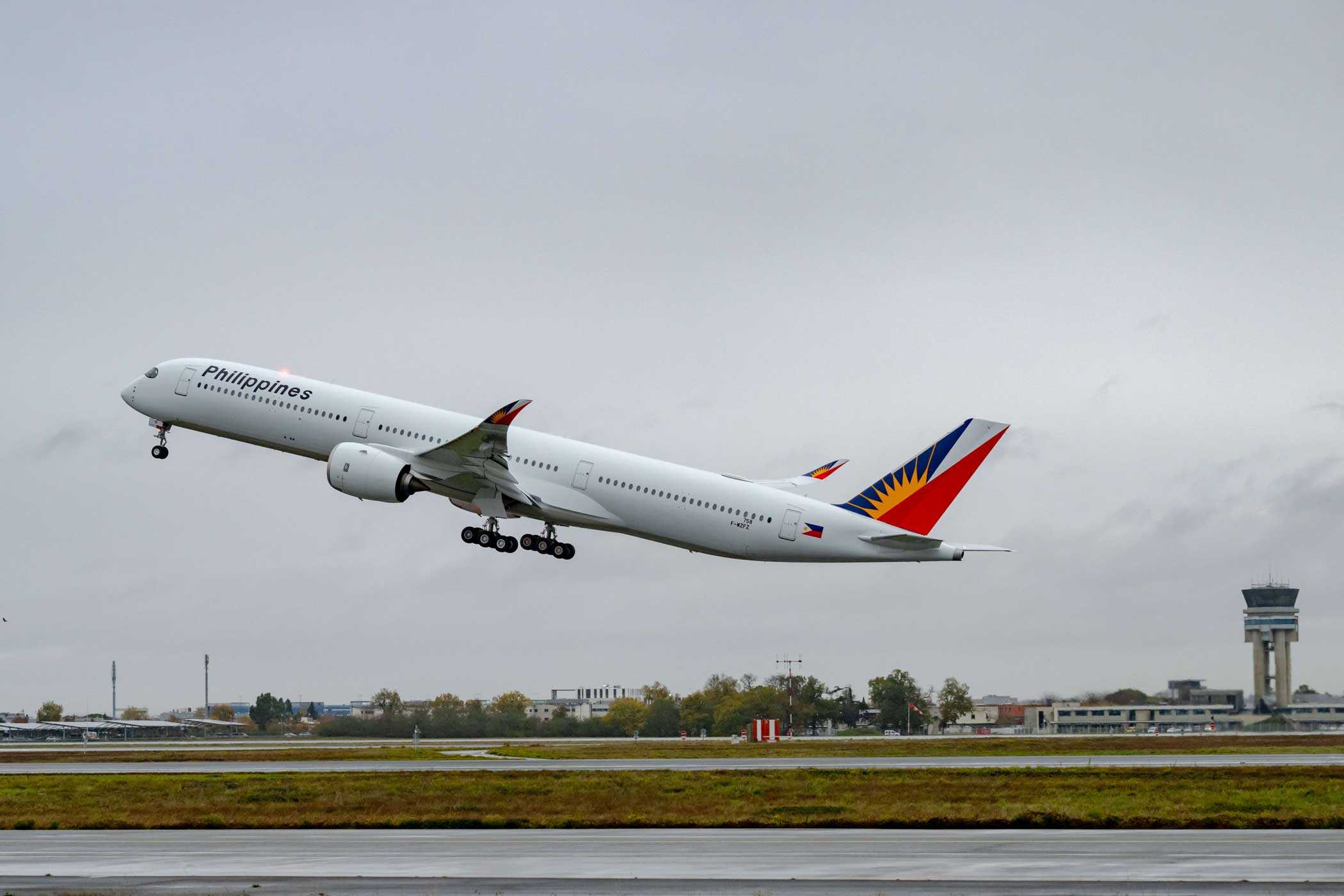
Philippine Airlines hat seine erste A350-1000 erhalten, und damit die Reihe der Betreiber dieses Modells auf weltweit zehn erweitert. Dieses Flugzeug symbolisiert nicht nur Fortschritt in der Flottenentwicklung, sondern leitet auch eine neue Ära im transpazifischen Flugverkehr der Fluggesellschaft ein. Mit einer Konfiguration von 382 Sitzen in drei Klassen verkörpert dieser moderne Großraumjet ein Sprungbrett zu erweiterten nonstop Verbindungen zwischen Asien und Nordamerika.
Technological advances and flight experience
This aircraft type is no ordinary passenger plane. Instead, the A350 presents itself as a masterpiece of modern aviation technology, setting new standards in efficiency and comfort. With an innovative aerodynamic design based on cutting-edge technologies, it delivers significant fuel savings. It consumes approximately 25% less kerosene compared to older generations of aircraft, which not only reduces operating costs but also significantly lowers CO₂ emissions. This is a crucial step towards more sustainable air travel that you, as a passenger, can appreciate.
Inside, you’ll find a spacious Airspace cabin characterized by wide seats, high ceilings, and pleasant lighting. The feeling of spaciousness and tranquil atmosphere contribute significantly to making long flights more comfortable. For airlines, this translates to improved customer satisfaction, and you benefit from a relaxed flight experience that sets new standards.
Fleet expansion and strategic importance
The arrival of the first of nine ordered A350-1000 aircraft significantly strengthens Philippine Airlines’ long-haul strategy. Together with the A350-900s already in service, they expand the airline’s potential to develop new and existing routes to the USA. The decision to purchase these wide-body aircraft demonstrates the airline’s commitment to efficiency, range, and passenger comfort in order to remain competitive in the global market.
This fleet expansion not only optimizes capacity but also operational safety and reliability. As a regular passenger, you benefit from fewer disruptions and a modernized infrastructure based on advanced technology. The fleet policy also underscores the commitment to sustainability, with the use of up to 50% Sustainable Aviation Fuel (SAF) already possible. Airbus even plans for its aircraft to be able to use 100% SAF by 2030, further improving the environmental footprint of your flights in the future.
Global acceptance and market significance of the A350
Since its introduction, the A350 family has received almost 1,500 orders from 66 different customers worldwide, underscoring its unique profile as a sought-after long-haul aircraft. Philippine Airlines’ selection as the tenth airline to add the A350-1000 to its fleet confirms the trend towards state-of-the-art aircraft that combine economic and environmental advantages.
This widespread acceptance also demonstrates that airlines worldwide are striving to modernize their fleets with more efficient, sustainable aircraft. For you as a passenger, these changes mean a better flight experience, for example through less noise, lower emissions, and increased flight stability. The significance of the A350 as the latest generation in the widebody aircraft segment ensures that this technology will continue to shape the industry for many years to come.
Conclusion: A milestone for Philippine Airlines and international air travel
The delivery of Philippine Airlines’ first A350-1000 is more than just a fleet expansion. It marks the beginning of a new era focused on efficiency, comfort, and sustainability. Thanks to technological innovations and improved cabin design, your next long-haul flight across the Pacific will be a more pleasant and responsible experience.
The ability to fly nonstop to key destinations in North America also promises greater connectivity and efficiency, which will be reflected in better offers and connections for travelers.