Introduction to Digitalization at the Airport
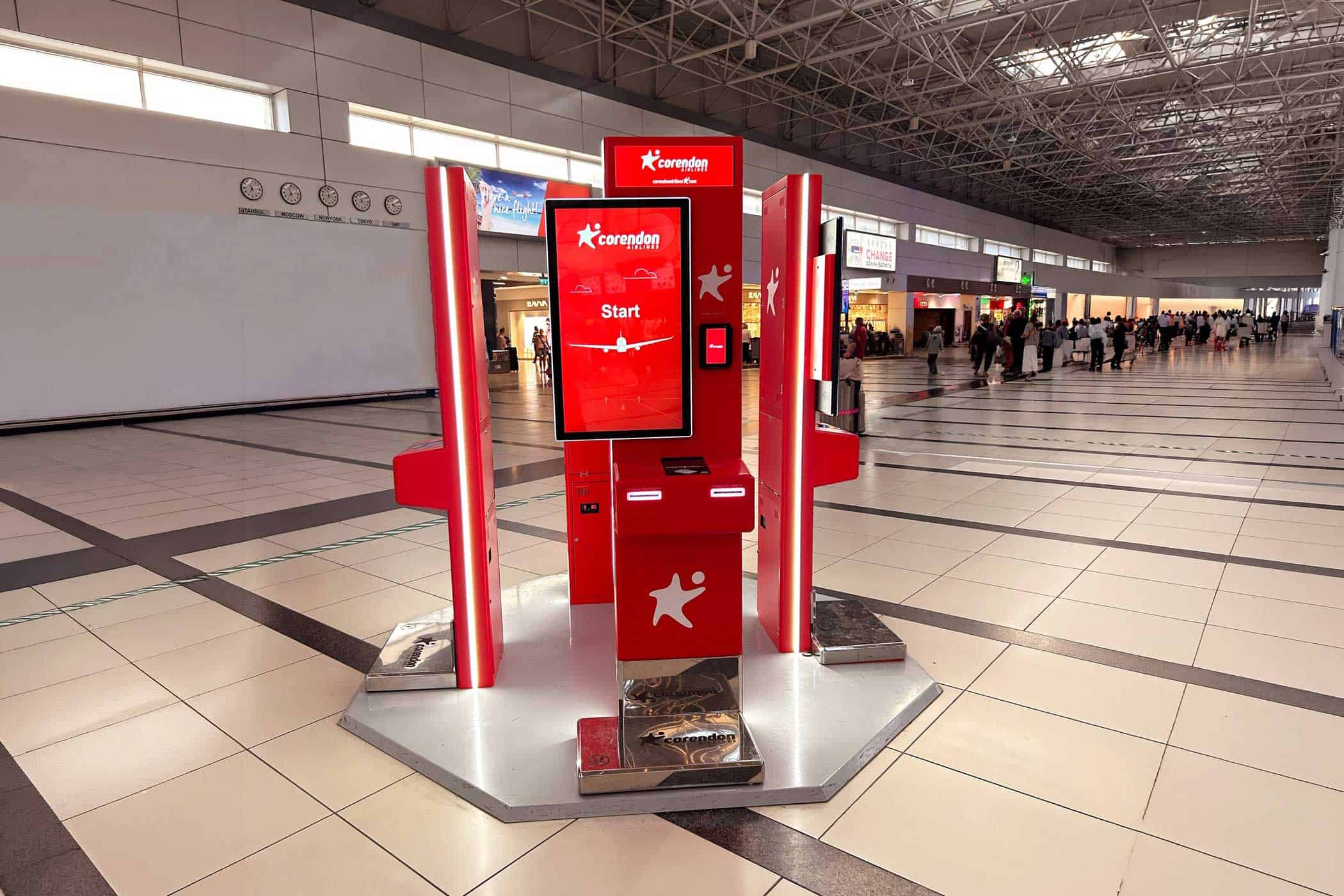
The continuous evolution of digital technologies is significantly influencing operations in the aviation industry and contributing to an optimized passenger experience. Corendon Airlines recognized this trend early on and is strategically implementing modern self-check-in kiosks to make the check-in process more efficient. This innovation not only simplifies the journey to the flight but also enables significant time savings at busy airports.
By introducing self-service kiosks, the company bridges the gap between technological advancement and customer convenience. The units are designed for intuitive operation and process various booking and passenger details quickly and securely. For travelers, this means a new level of flexibility: they are no longer solely reliant on counter assistance but can check in independently and conveniently.
This form of automation also helps to avoid bottlenecks during processing, particularly during peak times. This improves the overall efficiency of airport processes, offering significant benefits for both passengers and operational staff.
Technical equipment and functionalities of the self-check-in kiosks
Corendon Airlines’ newly installed self-service kiosks allow passengers to complete the check-in process in just a few simple steps. After accessing the kiosk menu, passengers can either scan their passport or manually enter their booking reference. The system then automatically retrieves the personal booking details and displays them clearly.
A particular advantage is the option to select a specific seat. Travelers can either reserve a preferred seat or have an available seat assigned to them at no extra cost. Additionally, further services can be booked directly at the machine, with an integrated payment system accepting multiple currencies such as the euro, Turkish lira, US dollar, and British pound. This multi-currency capability significantly simplifies transactions, especially for international guests.
Another integral component is the self-bag-drop function. This enables automated baggage verification and the generation of baggage tags, significantly speeding up the baggage drop-off process. By eliminating wait times at check-in counters, the entire process becomes more efficient for all parties involved. This component is of immense importance – particularly during periods of high passenger volume – in ensuring smooth operations.
Introduction and expansion at European airports
The rollout of self-check-in kiosks began at the airports in Antalya, Manchester, and Amsterdam, where the innovative terminals are already fully operational. Initial insights gathered at these locations are being incorporated into the further optimization of the systems. At the same time, trial phases are underway in Düsseldorf, Nuremberg, and Warsaw to establish the technology at other key European transport hubs.
The selection of airports reflects the airline’s strategic priorities, focusing in particular on Mediterranean destinations and regions that are attractive to tourists. The planned expansion of digitalization at the airport is directly linked to the goal of strengthening operational activities and further developing customer service to meet specific needs.
By implementing such technological measures, Corendon Airlines can operate more competitively on a global scale. This effectively meets the demand for simple, fast, and reliable passenger processing. Furthermore, the improved process quality leads to higher customer satisfaction, which plays a crucial role in the travel industry.
Background and significance of Corendon Airlines in the international market
Corendon Airlines was founded in 2004 and is part of the multinational Corendon Group, which comprises tour operators, hotels, and destination management agencies in addition to airlines. Its main offices are located in key European hubs – such as Antalya, Amsterdam, and Malta – enabling the airline to offer a wide range of flights.
The flight connections cover numerous popular destinations in the Mediterranean region, such as Turkey, Spain, Greece, Egypt, and the Canary Islands. A key feature of the company is its close cooperation with tour operators and travel agencies in Germany, Austria, and Switzerland, giving the airline a strong foothold in the tourism market.
Guided by the motto “Make a Difference,” Corendon Airlines consistently prioritizes innovation and customer satisfaction. This commitment is reflected in the airline becoming the first in Europe to receive ISO 10002 certification for qualified customer satisfaction management. High standards of quality, safety, and service form the foundation for a positive market perception and sustainable business success.
Conclusion: Digitalization boosts efficiency and the customer experience.
The introduction of self-check-in kiosks at Corendon Airlines marks a significant step in modernizing passenger flow at airports. Through technical innovations such as integrated self-bag-drop facilities and flexible seat selection, the airline is able to significantly accelerate processes while simultaneously making the travel experience more pleasant.
This advancement is a prime example of the increasing digitalization within the aviation industry, optimizing both operational efficiency and customer satisfaction. As implementation progresses across multiple airports, the standard of passenger processing continues to rise.
In doing so, Corendon Airlines impressively demonstrates how targeted investments in innovative technologies can create competitive advantages and sustainably improve service quality. These developments underscore the high priority modern digital solutions hold in air travel and are driving the industry, step by step, toward an even more user-friendly future.