New partnership between BARIG and Hanover Airport
The cooperation between BARIG, the internationally recognized airline association, and Hanover Airport marks a significant step towards optimizing air transport infrastructure in Germany. The collaboration focuses on operational improvements that will not only affect ground operations but also significantly enhance the passenger experience. The importance of such cooperation stems primarily from the increasing complexity of the interaction between airlines and airport operators, encompassing various areas such as security, digitalization, and sustainability.
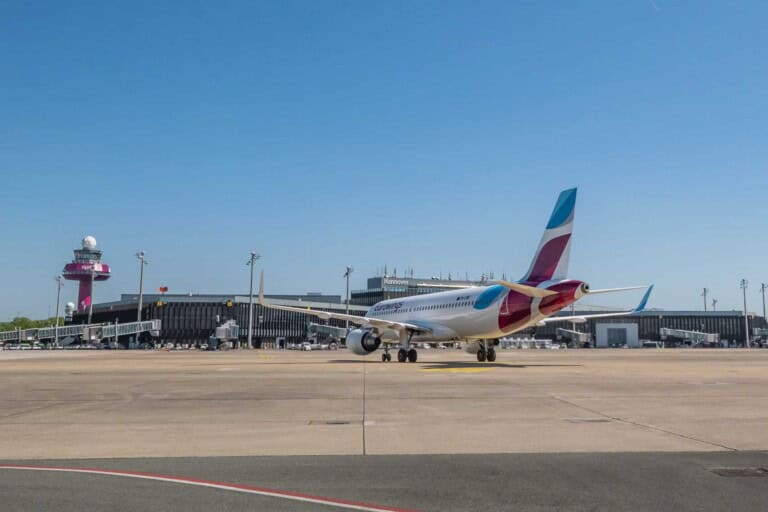
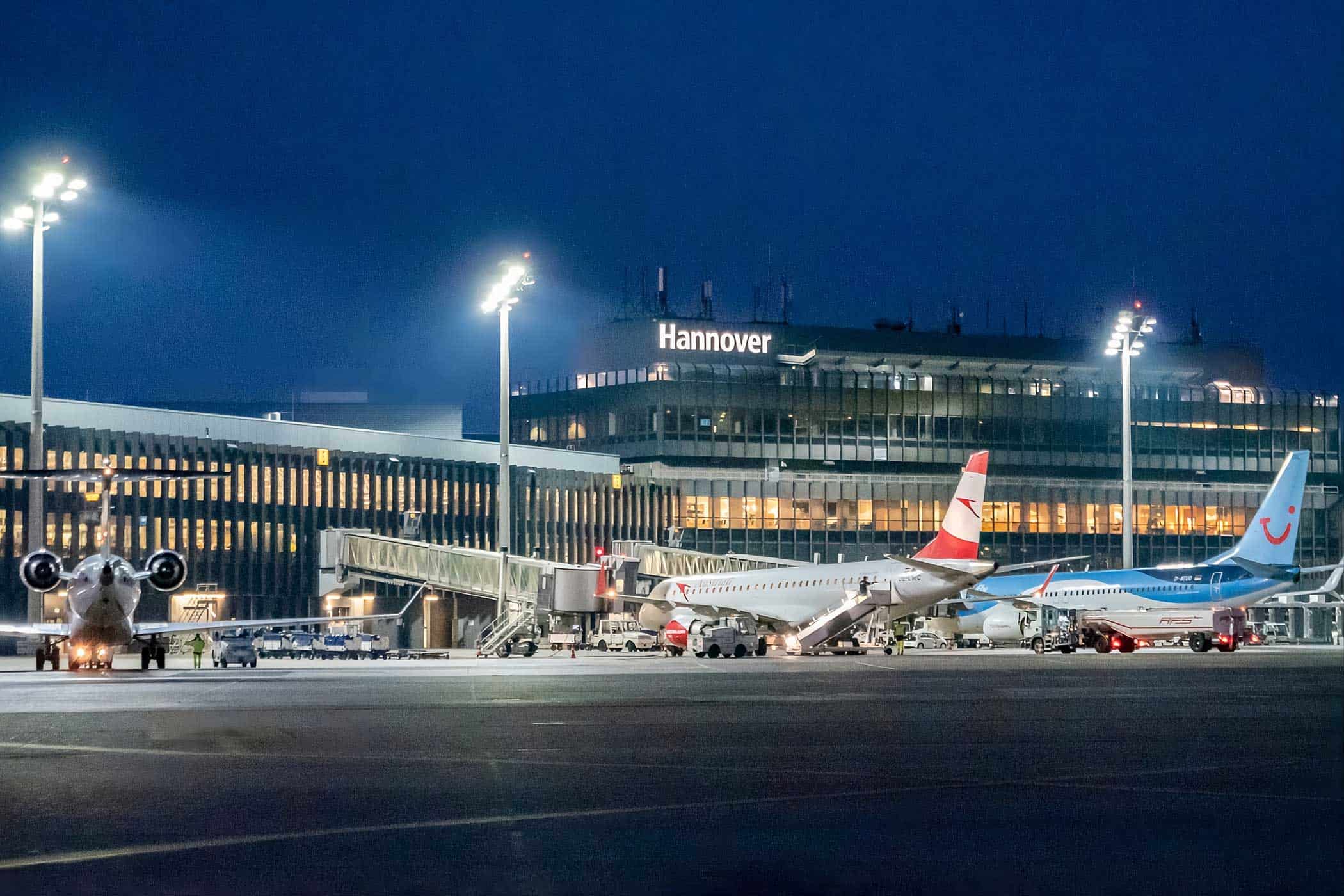
Hannover Airport, the only international airport in Lower Saxony, plays a key role in Northern Germany’s air transport strategy. The wide range of destinations, including important transfer hubs and attractive holiday destinations, as well as more than 5 million passengers per year, underscore the airport’s heavily used infrastructure. This high-traffic environment demands a high degree of coordination and efficiency, which the new partnership aims to further enhance.
The role of partnership for the aviation industry
The collaboration between BARIG and Hanover Airport represents a strategic partnership aimed at improving operational efficiency in various ways. This optimization encompasses both process-related aspects such as check-in, baggage handling, and resource management, as well as strengthening aviation security measures and promoting sustainable practices. With more than 100 member airlines from diverse segments – including business, low-cost, passenger, and cargo traffic – BARIG offers a broad platform for the exchange of experience and knowledge, which Hanover Airport can leverage to further enhance its market position.
This initiative also exemplifies the ongoing digitalization within the industry. Innovative technologies will help provide passengers with a smoother travel experience, reduce waiting times, and simultaneously streamline operational processes. Furthermore, the collaboration aims to stimulate sustainable air travel in order to reduce the industry’s environmental footprint in the long term.
Challenges and opportunities in German air transport
Germany is currently at a crucial juncture in air transport development due to increasing mobility needs and technological advancements. The growing demands for safety, efficiency, and environmental sustainability are driving the need for integrated solutions between airlines, airports, and other industry stakeholders. The expansion of airport infrastructure, such as at Hanover Airport, plays a vital role in this development.
Hanover Airport benefits from its 24-hour operating permit and diverse functions, including its role as a key cargo and maintenance hub and its function as an integral part of air rescue services. This enables improved traffic flow and more flexible flight schedules, which in turn increases its attractiveness to airlines and passengers. At the same time, the cooperation with BARIG opens up opportunities to use resources more efficiently and to introduce innovative processes that make air traffic safer and more customer-friendly.

Future prospects and sustainable impulses
The collaboration between BARIG and Hanover Airport relies on a continuous exchange of know-how and shared experience. This foundation allows for the faster implementation of technological innovations and best practices, ultimately strengthening all stakeholders – especially airlines and passengers – in a sustainable way.
Furthermore, the development of sustainable air transport concepts is a key aspect of this partnership. This creates a framework that helps address environmental challenges while simultaneously ensuring economic competitiveness. The joint initiatives offer the opportunity to shape the future of German air transport and remain competitive on an international level.
Through strategic dialogue between BARIG, its members, and Hanover Airport, a binding network is being created that will cover a wide range of operational aspects and drive innovative solutions. This includes digital technologies, security standards, and customer services, all of which together strengthen Germany’s position as a major international air traffic hub.
Conclusion: Joint efforts for a modern air transport infrastructure
The intensified partnership between BARIG and Hanover Airport reflects the dynamics of the aviation industry and the need for continuous optimization of operational processes. In particular, close cooperation improves the interaction between airlines and airports, directly resulting in a better passenger experience and increased service quality.
This cooperation will not only strengthen the existing North German air transport network, but also demonstrate the relevance of innovative and sustainable solutions that meet the increasing demands of the market. The partnership serves as a model for future, improved cooperation in aviation and opens doors to sustainable development and digitalization.
BARIG’s ongoing commitment to the regulatory framework of air transport and its role as an intermediary in politics, business, and government underscore the importance of such networks. Taken together, these initiatives are crucial for the long-term success and competitiveness of the German air transport industry, which is undergoing a dynamic transformation.
More about Hanover Airport