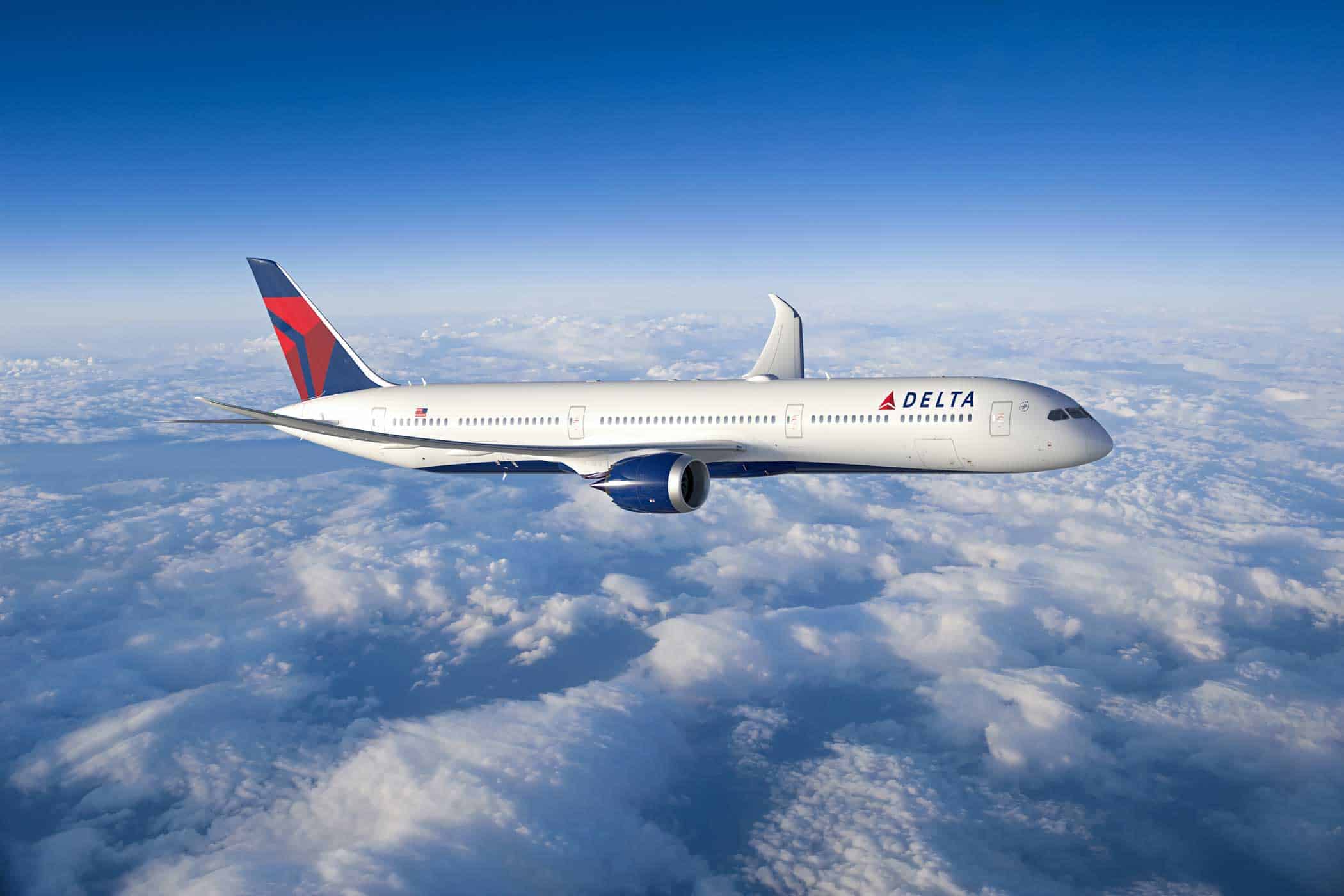
Introduction to Delta’s Strategic Fleet Modernization
Delta Air Lines has taken a significant step in modernizing its long-haul fleet by placing a direct order for up to 60 Boeing 787 Dreamliners. With the initial acquisition of 30 787-10 aircraft, the airline plans to expand its international long-haul network, particularly across the Atlantic and to South America, while simultaneously renewing its broad base fleet. This decision reflects Delta’s commitment to improving both operational efficiency and the passenger travel experience, while meeting the demands of a growth-oriented air travel market.
An airline’s fleet is not only an operational asset but also reflects its vision for the future. By choosing the 787-10, the largest model in the Dreamliner family, Delta is investing in modern technology that significantly reduces fuel consumption, thus positively impacting the economic and environmental aspects of flight operations. Integrating these jets into the fleet will strengthen Delta’s competitiveness, particularly on international routes that traditionally experience high passenger demand.
Efficiency and innovation: characteristics of the Boeing 787-10
The Boeing 787-10 is distinguished by its capacity of up to 336 passengers and its significantly improved fuel efficiency, with approximately 25% lower fuel consumption compared to the aircraft it replaces. This combination not only enables cost savings in operation but also supports sustainable aviation practices by significantly reducing CO2 emissions per seat flown. The low operating costs per seat make the 787-10 an attractive choice for airlines that prioritize a balance between profitability and sustainability.
In addition to its technical efficiency, the Dreamliner scores points with increased passenger satisfaction. The cabin is equipped with the largest windows among widebody jets, providing more natural light and a more pleasant interior atmosphere. Improved cabin pressurization ensures lower cabin pressure, significantly reducing fatigue on long-haul flights. These factors contribute to an enhanced travel experience and can strengthen customer loyalty.
Impact on Delta’s international expansion and network optimization
The acquisition of the Boeing 787-10 will help Delta strategically expand its international route network and operate existing routes more efficiently, particularly transatlantic connections and flights to South America. Modernizing the fleet will allow for greater flexibility and improved cost management, which is especially beneficial in dynamic markets. Furthermore, these aircraft will enhance the airline’s ability to add new destinations and increase the frequency and capacity of existing routes.
With this investment, Delta is focusing on an aircraft family known for its flexibility: The simultaneous order for the 737-10, another highly efficient model, provides the airline with the tools to modernize its short- and medium-haul fleet as well. This holistic strategy of efficiency, comfort, and sustainability aligns with Delta’s goal of providing a competitive and future-proof flight offering.
Significance of the partnership between Boeing and Delta for the aviation industry
The long-standing collaboration between the two companies has strengthened both Delta as a customer and Boeing as a manufacturer. Currently, Delta operates over 460 Boeing aircraft, covering the diverse requirements of its route network. The expansion of this partnership with the new 787-10 aircraft underscores the importance of mutual trust and technology transfer for a successful business relationship.
Furthermore, this collaboration has positive effects on the labor market, particularly in the United States, where Boeing secures numerous jobs in manufacturing and the supply industry. Investing in new aircraft promotes innovation and technological advancement, which can also have a long-term impact on the competitiveness of the US aerospace industry.
Conclusion: Setting the course for the future of aviation
Delta Air Lines’ order for up to 60 Boeing 787 Dreamliners represents a significant milestone in the airline’s long-term fleet planning. It demonstrates the strategic focus on sustainability, efficiency, and enhanced passenger comfort – three key elements for successful air travel in an era of increasing environmental demands and evolving customer needs.
This investment will enable Delta to significantly improve its market position on transatlantic and South American routes and unlock additional growth opportunities. At the same time, the partnership with Boeing strengthens the innovative capacity of both companies and promotes jobs in the aviation industry.
In an industry characterized by rapid changes and high sustainability requirements, this strategic fleet modernization sends a strong signal for the future and underlines the importance of state-of-the-art technology as a driver of progress and customer satisfaction.