Introduction to the modernization of Spanish defense
Spain has taken a significant step towards modernizing its defense and security equipment by placing an order for 100 Airbus helicopters with manufacturer Airbus through the Directorate General for Armaments and Equipment (DGAM) of the Ministry of Defense. These comprehensive contracts, part of the National Helicopter Plan announced in May, aim to substantially enhance the capabilities of the Spanish Armed Forces and ensure national strategic autonomy in a key area of European defense.
This means that, as an observer, Spain is not only focusing on modernizing its military equipment, but is also driving this process forward through industrial development and the creation of highly skilled jobs. More than 300 direct jobs are expected to be created within the next three years, representing a significant boost to the country’s economy and technological expertise.
Different helicopter types for diverse applications
The order comprises four different helicopter models, each intended for different operational tasks within the three branches of the armed forces. As part of the National Helicopter Plan, the helicopters were selected to cover a broad spectrum of missions, enabling training, combat, and humanitarian operations.
The H135 helicopters, of which 13 units are being procured, are primarily intended for demanding pilot training, light transport tasks, and observation missions. Twelve of these will be deployed to the Aerospace Forces and one to the Navy.
The Spanish Army (FAMET) is acquiring 50 H145M helicopters. These versatile helicopters cover a wide range of tasks, including military pilot training, light attack capabilities with HForce weapon modules to complement the Tiger attack helicopter, logistical transport, and disaster relief.
Six of the state-of-the-art H175M helicopters are being delivered to the Aerospace Forces. These super-medium utility helicopters will be used for various purposes, including government flights, transporting officials, and replacing older fleets from Wing 48.
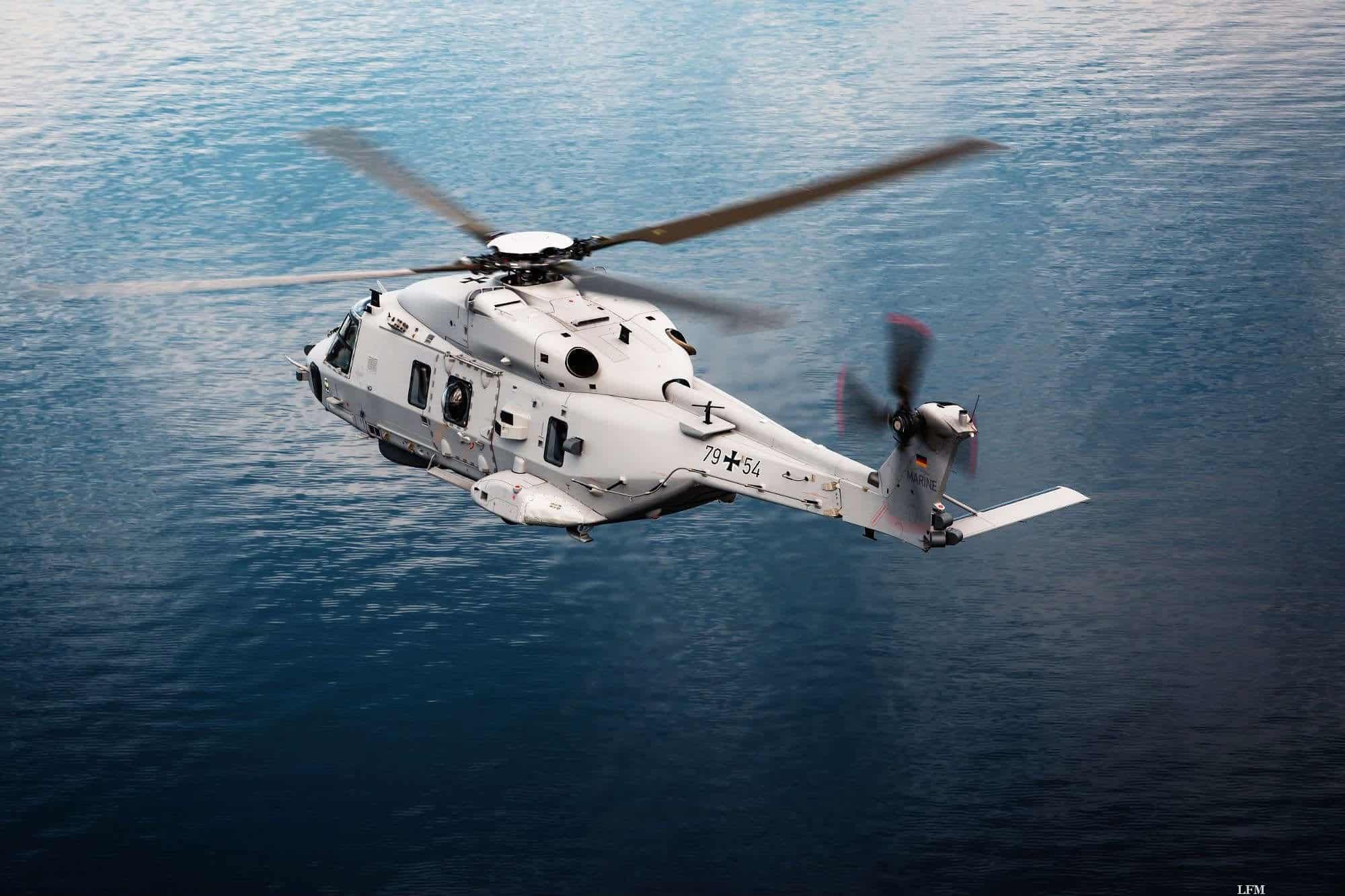
Finally, the order comprises 31 NH90 helicopters, designed for tactical transport and maneuver missions, special operations, and to complete the amphibious fleet. These are distributed among the Army (13 units), the Aerospace Forces (12), and the Navy (6).
Strategic importance and industrial development
The Ministry of Defense’s commitment to equipping its armed forces with state-of-the-art helicopters underscores the ambitious direction of national defense. This investment will significantly enhance Spain’s security and defense capabilities while simultaneously developing national strategic autonomy, which is of great importance in a European context.
It is becoming clear to you that this procurement is not only significant from a military perspective, but also provides a crucial economic and technological boost to Spain. Airbus Helicopters’ presence will be expanded, particularly in Albacete, where a new center for the adaptation of military helicopters and an international training center for H145M pilots and technicians are being built. This will not only support ongoing projects such as the mid-life upgrade of the Tiger helicopters, but will also strengthen the local industrial base and jobs.
Another key aspect is the development of a competence center for digital technologies at the Albacete site. In collaboration with the University of Albacete and the Castilla Mancha Science and Technology Park, a Digital Campus is being created, specializing in the development of digital tools and cybersecurity for Airbus Helicopters. The areas of support engineering, software development, connectivity, and maintenance are also being specifically expanded for the helicopters of the Spanish Armed Forces.
Impact on national security and defence resilience
The order and modernization is a milestone, representing a qualitative increase in the capabilities of the Spanish Armed Forces. For national security, this means a significant improvement in response capabilities in various scenarios, be it military operations, disaster relief, or the evacuation of people.
From a defense resilience perspective, the investment strengthens Spain’s independence in aerospace technology and ensures that the country is not overly dependent on foreign suppliers. This is particularly important given current geopolitical challenges, where sovereign defense capabilities play a crucial role.
Furthermore, this initiative promotes cooperation within Europe’s defense industry and puts Spain on the map as a key location within the European aerospace sector. This positioning also secures the long-term development of new technologies and the associated jobs.
Conclusion: A future-oriented investment for Spain
In summary, this procurement represents a strategically sound and comprehensive modernization of the Spanish Air Force, Army, and Navy. It covers a wide range of operational capabilities and ensures a sustainable strengthening of national security.
For you as an outsider, this illustrates how modern defense works in the 21st century: it combines technological innovation, industrial growth, and a strategic, autonomy-oriented security policy. The core elements of the National Helicopter Plan set new standards and create the foundation for a resilient and state-of-the-art armed force that is strong in both traditional and digital fields.
With its role as a European hub in helicopter manufacturing and its promotion of a highly skilled workforce, Spain demonstrates how key security investments can also drive economic and technological development. This combination will undoubtedly help Spain maintain a leading position in Europe’s defense industry in the long term and ensure its national security remains at a future-proof level.