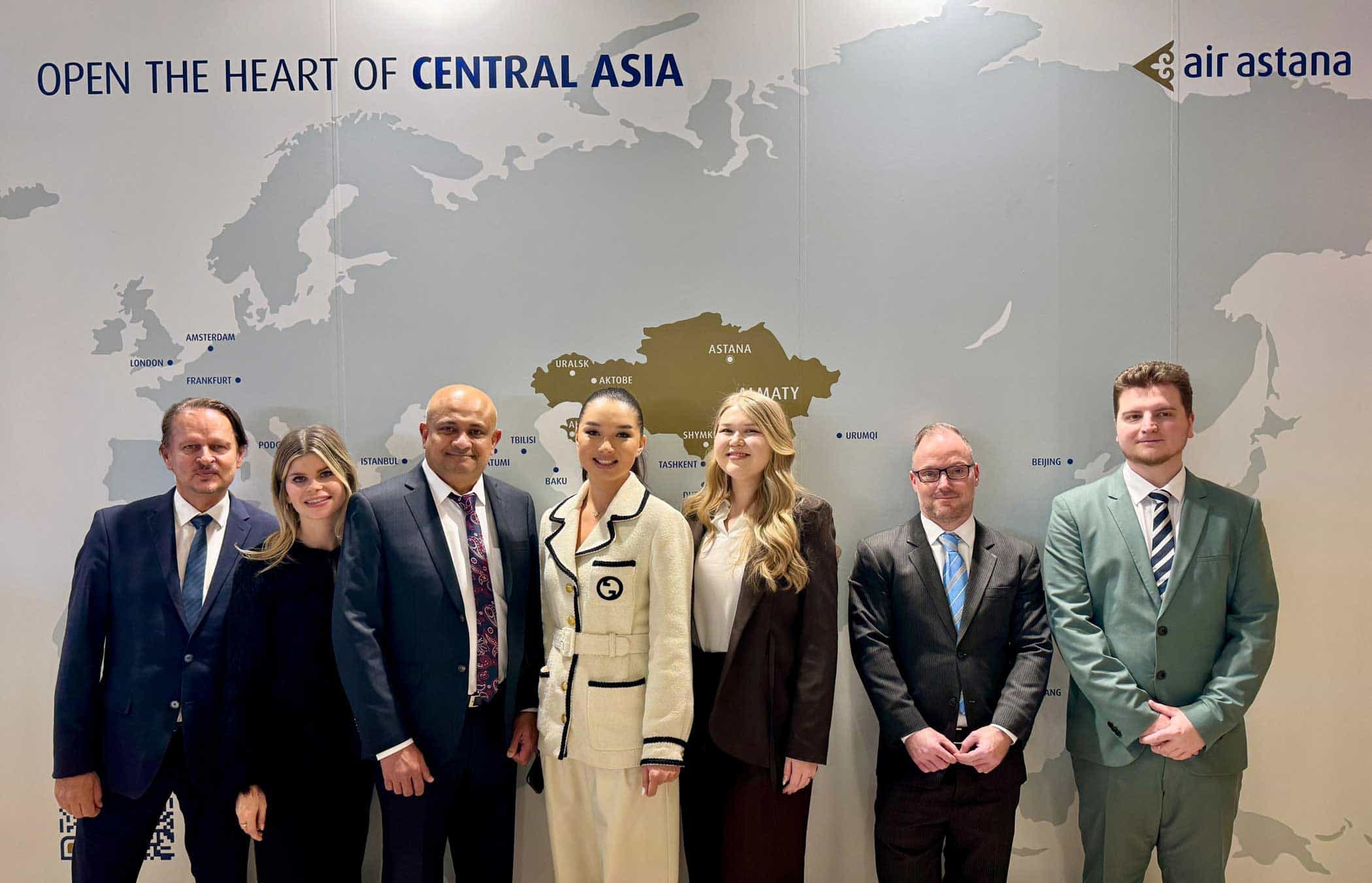
Introduction to Air Astana’s future strategy
Air Astana, Kazakhstan’s renowned airline, has taken significant steps to strengthen its market position in Central Asia and beyond. The planned new management team starting in spring 2026, a substantial order for modern aircraft, and the optimization of flight connections, particularly from Frankfurt to Almaty and Astana, mark key milestones. Furthermore, the route network will benefit from improved connections within Kazakhstan and the region, while affordable stopover options will enhance its appeal to travelers. These initiatives demonstrate Air Astana’s sustained ambition to further develop its position as a leading airline in a dynamic market environment.
Leadership change and strategic continuity
In spring 2026, Air Astana will undergo a significant change at the top. Peter Foster, the current Chief Executive Officer, who played a key role in the airline’s development, will step down after more than two decades but will continue to serve in an advisory capacity on the Supervisory Board. His successor, Ibrahim Canliel, brings extensive experience as a former Chief Financial Officer and represents continuity, stability, and the preservation of Air Astana’s core values: safety, excellent operational standards, and sustainable development. Furthermore, Gonçalo Pires, a renowned leader most recently with TAP Air Portugal, will join the company as the new CFO. This leadership team underscores the airline’s commitment to maintaining the highest quality and safety standards for continued success.
Fleet investments for sustainable growth
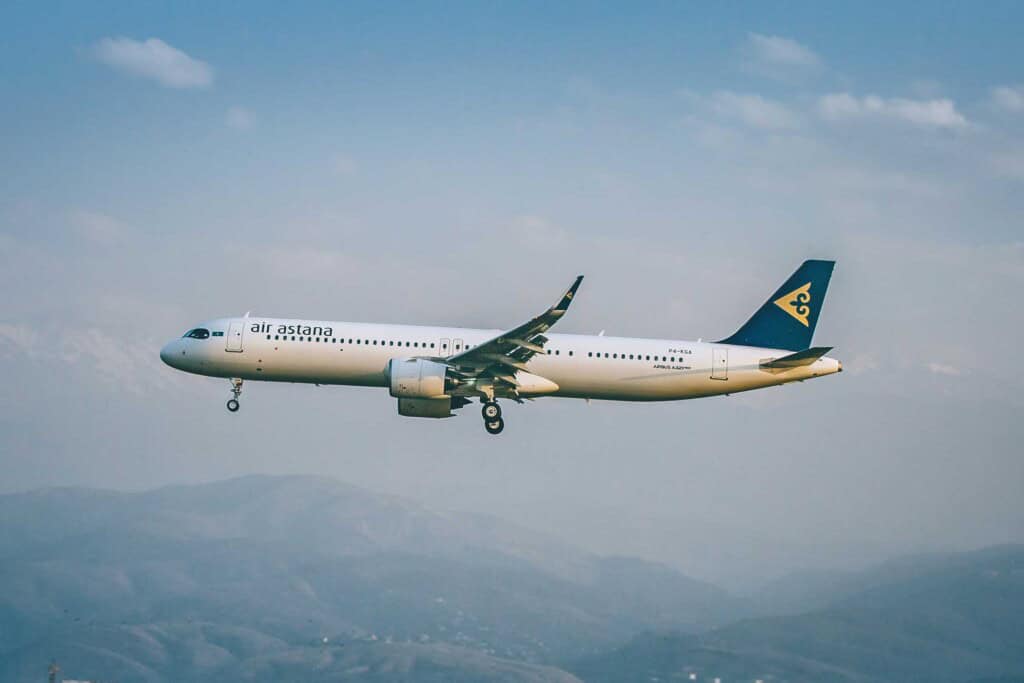
A key component of Air Astana’s future strategy is the investment in modern aircraft to replace older models, offering greater environmental friendliness and cost-effectiveness. The fleet modernization program includes the integration of Boeing 787 Dreamliners and aircraft from the Airbus A320neo family, with a strong focus on the Airbus A321LR. The Boeing 787 Dreamliners not only offer increased capacity but also significantly reduce fuel consumption, CO2 emissions, and noise pollution. An order for up to 15 additional B787-9 Dreamliners, with deliveries scheduled between 2032 and 2035, will substantially expand the airline’s long-haul fleet. In parallel, Air Astana plans to acquire up to 50 aircraft from the A320neo family, including numerous Airbus A321LRs, primarily for long-haul flights to Asia and Europe. This new fleet enhances the airline’s sustainability and allows for better adaptation to growing passenger numbers.
Fleet development is in line with the current demands of the aviation industry, which is characterized by increased efficiency and environmental awareness. The Air Astana Group’s existing fleet currently comprises 62 aircraft, 59 of which are Airbus. These investments will further solidify Air Astana’s position as a modern and well-positioned airline. The long-standing partnership with Airbus, which celebrates its 20th anniversary this year, underscores the strategic focus on close cooperation with leading manufacturers.
Optimization of flight connections and customer comfort from Frankfurt
The German-speaking region represents a very important market for Air Astana, with Frankfurt playing a particularly central role as a transport hub. The airline has been flying from Frankfurt to the Kazakh capital, Astana, since 2003. In June 2025, a new route to Almaty was also introduced, which quickly became established. With a carefully planned flight schedule, Air Astana combines the advantages of stable, well-coordinated flight times with a high level of comfort on board.
The range of services offered in Business Class includes exclusive flat-bed seats and other premium services that cater to the needs of discerning travelers. Economy Class, too, has been continuously enhanced for years with amenities such as amenity kits, high-quality meals, and a comprehensive entertainment system. This high level of service not only contributes to passenger satisfaction but also fosters strong customer loyalty.
Adjusting flight times, such as shifting the Frankfurt to Almaty flight to the afternoon, makes it easier for travelers with longer journeys to the airport and allows for better planning of their day at their destination. The future relocation of operations to the newly opened Terminal 3 at Frankfurt Airport in spring 2026 will offer further improvements for passengers and overall convenience, including modern services like self-service check-in kiosks.
In summer 2026, daily flights to Astana, three weekly connections to Almaty, and one weekly connection to Uralsk are planned. These frequencies reflect the strong demand and high importance of the connections from Frankfurt.
Efficient transfer options and expansion of regional connections
Air Astana places great emphasis on short transfer times and optimized connections within Kazakhstan and Central Asia. One example is the connecting flight from Astana to Kostanay, which, following the arrival of the long-haul flight in the early morning, is offered by FlyArystan just two hours later. This allows for a total travel time of just over ten hours from Frankfurt to this destination, which is very competitive on an international scale.
The low-cost carrier FlyArystan, part of the Air Astana Group since 2019, plays an important role in developing regional markets and complements the airline’s product portfolio. This allows for an attractive offering to a broader customer base, enabling reliable connections in Kazakhstan and Central Asia.
This regional integration is essential for the airline’s further growth, as it increases networking in an important geographical area and consolidates its position as a leading airline.
Attractive stopover options to promote tourism
Air Astana’s innovative Stopover Programs in Astana and Almaty offer tourists and business travelers the opportunity to easily explore these fascinating cities. Starting at just US$19, the package includes one night’s accommodation in a three- or four-star hotel with breakfast, airport transfers, and discounts with local partners, such as eSIM providers and retailers.
This offer is particularly attractive for travelers who want to combine cultural experiences and relaxing stays during their stopovers without having to worry about high additional costs. Furthermore, visa-free entry for up to 30 days for citizens of many countries, including Germany, Austria, and Switzerland, allows for uncomplicated entry and thus significantly promotes tourism and business activities in Kazakhstan.
Air Astana’s stopover offers significantly enhance the travel experience and simultaneously strengthen its position as an innovative and customer-oriented airline.
Future prospects and sustainable development
With these strategic decisions, Air Astana demonstrates its ambition to implement the expansion of its route network and fleet in coordination with sustainable business development. Modernization with new aircraft types and the development of comfortable and efficient connections ensure an attractive travel experience and environmental improvements in air transport.
At the same time, the change in leadership ensures continuous development and adherence to the highest standards in service, safety, and environmental awareness. These combined measures strengthen Air Astana’s competitiveness, position the airline as a key link between Europe and Central Asia, and support the growth of the regional air travel market.
These initiatives demonstrate how Air Astana is actively tackling future challenges, focusing equally on passenger comfort, environmental considerations, and operational efficiency. In doing so, the company is setting the course to continue playing a leading role in the aviation industry.