Home Blog Page 8

KLM flies to Kittilä: Direct flights from Amsterdam to Finnish Lapland

0

KLM expands winter flight schedule with new route to Kittilä, Finnish Lapland

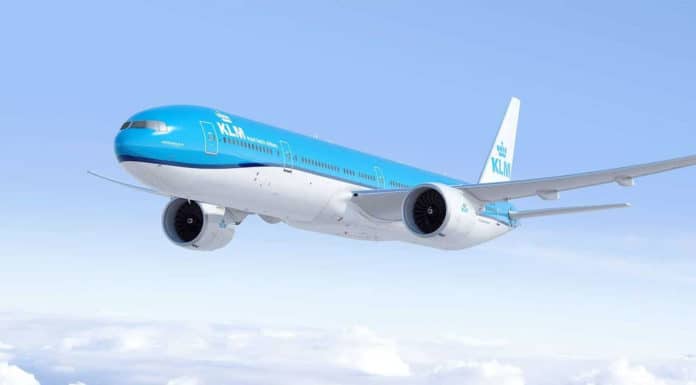
With the inclusion of Kittilä in its 2025/2026 winter flight schedule, KLM Royal Dutch Airlines is setting another milestone in its flight offerings to Northern Scandinavia. Starting November 23, 2025, travelers will be able to conveniently fly directly from Amsterdam Schiphol Airport to Kittilä Airport on Sundays. This new connection underscores the growing importance of Finnish Lapland as a sought-after winter travel destination, as Kittilä serves as the perfect gateway to the idyllic winter sports and natural landscapes of Northern Finland.

Details about the new flight connection

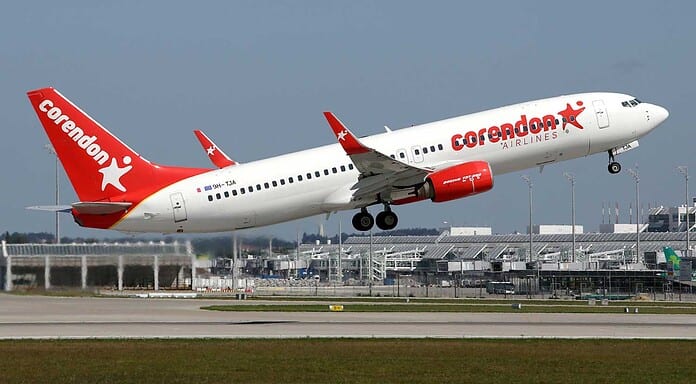
Flights between Amsterdam and Kittilä are operated with modern Boeing 737-800 aircraft and depart once a week, every Sunday. Departure from Amsterdam is scheduled at 12:20 PM. After a flight time of approximately three hours, passengers arrive at their destination around 4:20 PM. Return flights from Kittilä depart at 5:10 PM and arrive in Amsterdam at 7:20 PM.

These flight times allow for convenient daily schedules and are optimally coordinated with connecting flights and connections from Germany: Travelers can arrive from nine German airports via Amsterdam, which significantly improves accessibility to the destination even without direct flights from Germany.

Kittilä – gateway to the winter sports paradises of Levi and Ylläs

Kittilä Airport is the ideally located gateway to the renowned ski resorts of Levi and Ylläs, two of the most popular winter destinations in Finnish Lapland. Here, winter sports enthusiasts will find challenging slopes for both beginners and professionals, well-groomed cross-country ski trails, and numerous opportunities for snowboarding.

But it’s not just skiers who get their money’s worth: reindeer safaris, husky tours, snowshoe hikes, and the unique natural experience of the Northern Lights make Kittilä a versatile destination. Those seeking relaxation and adventure beyond the traditional winter sports will also find what they’re looking for here.

Increasing demand for Lapland as a winter travel destination

The launch of the new flight route is a direct result of Lapland’s growing popularity as a winter destination. Nature lovers and active holidaymakers from all over Europe are discovering the region for winter experiences beyond mass tourism and urban centers.

With this new connection, KLM is responding to growing demand and facilitating access to Lapland. For travelers from Germany, the Netherlands, and other European countries, this means a direct and easy journey without costly detours.

Additional frequency increase to Rovaniemi

In addition to the new connection to Kittilä, KLM is also increasing frequencies on its established route to Rovaniemi, the capital of Finnish Lapland, in the 2025/2026 winter flight schedule. Instead of the previous three weekly flights, the airline will now fly there four times a week from Amsterdam during the winter: Tuesdays, Thursdays, Saturdays, and Sundays.

With this expanded offering, KLM continues to strengthen its position as the leading airline for connections to Lapland and underlines the importance of the region as a growth driver for European winter tourism.

Advantages of the new KLM route for travelers

The new flight options mean numerous advantages for holidaymakers and business passengers:

Convenient connections: A weekly direct flight simplifies travel planning and shortens overall travel time. Diverse activities: Direct access to renowned ski and outdoor destinations enables a wide range of winter experiences. Optimized connecting flights: Travelers from numerous German cities can reach Kittilä quickly and conveniently via Amsterdam. More flexible travel options: Thanks to additional frequencies to Rovaniemi, guests have more choice and options for exploring Lapland.

Conclusion

With the launch of the new route to Kittilä in winter 2025/2026 and the increased frequency to Rovaniemi, KLM is successfully expanding its commitment to Scandinavian winter air travel. The airline is thus opening the doors to the fascinating, untouched nature of Finnish Lapland even more effectively for a curious audience from all over Europe.

Winter sports enthusiasts, nature lovers, and adventure holidaymakers in particular will benefit from the convenient connections and extensive range of leisure activities. The new route is therefore not only an opportunity for KLM and the aviation industry, but also a benefit for the growing tourism industry in Lapland.

With this strategic expansion of its winter flight schedule, KLM demonstrates that it is actively responding to the needs of travelers and, at the same time, making a significant contribution to the development of sustainable winter tourism in Europe’s northernmost region.

LOT strengthens EU civil protection with rescEU flight capacities

0

LOT Polish Airlines: A key player in the EU civil protection program rescEU

LOT Polish Airlines, Poland’s national airline, has assumed a significant role in the European Civil Protection Program (rescEU). The rescEU program was established to strengthen EU member states’ joint response to major disasters through coordinated and flexible support. LOT Polish Airlines is making a significant contribution to the implementation of this European objective by providing flight capacity—particularly air transport and medical evacuation flights (MedEvac).

rescEU: More than a civil protection program

rescEU is an integral part of the Union Civil Protection Mechanism (UCPM), which promotes and coordinates cooperation among EU member states in the event of major disasters. At the heart of rescEU is the provision of strategic reserves that can be activated by the EU as a last resort when individual countries are no longer able to respond adequately to major disasters.

These reserves include field hospitals and medical equipment, as well as specialized aircraft such as those provided by LOT Polish Airlines. The EU Commission coordinates the use of these reserves in close cooperation with national authorities.

LOT Polish Airlines provides three specialized aircraft

Under an official agreement with the Polish government’s Agency for Strategic Reserves (RARS), LOT Polish Airlines maintains three aircraft on permanent standby, which can be flexibly activated for missions across Europe.

  • Multi-purpose aircraft: Two of these aircraft are designed to transport at least 65 passengers or, alternatively, a cargo capacity of 19 tons. They can therefore efficiently transport both personnel and materials.
  • MedEvac aircraft: The third aircraft is specially designed for medical evacuations and can accommodate at least 16 patients in a stretcher or, alternatively, six patients who require intensive medical care during the flight.

All three aircraft have a medium-range capability, allowing them to fly to destinations within Europe and neighboring regions nonstop. This flexibility is essential to ensure the fastest and safest possible air transport in the event of an emergency.

Importance of MedEvac flights for the EU

Medical evacuation flights (MedEvac) are a crucial component of rescEU, especially in the event of health crises or natural disasters where affected persons need to be transported quickly and safely to specialized hospitals.

LOT Polish Airlines’ capabilities allow injured or sick patients requiring intensive care to be cared for in-flight. This not only increases the chances of survival but also relieves pressure on overburdened hospital systems in affected regions.

Coordination and operational management by the EU Commission and national authorities

The activation of rescEU resources, including the flight capacity of LOT Polish Airlines, takes place within the framework of the EU-wide Union Civil Protection Mechanism (UCPM). In an emergency, the EU Commission and affected member states coordinate their resources and requirements to ensure optimal support.

The Polish Agency for Strategic Reserves (RARS) acts as the central interface for the provision and coordination of LOT aircraft on behalf of the Commission. This cooperation ensures rapid mobilization and targeted deployments even under the most difficult conditions.

Current uniqueness of Poland in the EU

To date, Poland is the only EU member state with its own, permanently ready aviation capacity within the framework of rescEU. This pioneering role not only reflects Poland’s commitment to EU civil protection, but also underscores the importance of LOT Polish Airlines as a reliable partner in times of crisis.

Outlook and challenges

The integration of aircraft into an EU-wide disaster response network represents a complex logistical and organizational challenge. LOT Polish Airlines is setting standards with its commitment and demonstrating how air transport can play a life-saving role in the event of a disaster.

Furthermore, there is great potential to establish this model in other member states to further increase EU resilience. Expanding MedEvac capacities and coordinated training programs for medical teams during flights are just some of the next steps that can further enhance the effectiveness of rescEU.

Conclusion

By providing three specialized aircraft as part of the rescEU civil protection program, LOT Polish Airlines is providing sustainable support to the EU in dealing with major crises, natural disasters, and health emergencies. Currently unique in the EU, Poland’s airline ensures air transport and medical evacuation capacities that can be deployed quickly, reliably, and efficiently in an emergency. The cooperation between LOT Polish Airlines, the Polish government, and the EU Commission is a promising model for strengthening European civil protection for the future.


METimage: Cutting-edge technology for precise weather forecasting in space

METimage: Revolutionary multispectral camera improves weather and climate forecasts worldwide

On August 13, 2025, at 2:37 a.m. CEST, the European weather satellite Metop-SGA1 will launch from Kourou into low Earth orbit aboard an Ariane 6 launch vehicle. On board is the state-of-the-art METimage instrument, a multispectral camera with the potential to fundamentally improve meteorological satellite observations. The camera will scan a 2,560-kilometer-wide strip of ground every 1.7 seconds with a resolution of 500 meters, thus capturing the entire Earth’s surface every twelve hours. This will enable more precise measurements of clouds, water vapor, aerosols, surface temperatures, ice cover, vegetation, and fires, which in turn will significantly improve weather forecasts for Europe and the entire world.

Milestone in satellite observation

The METimage camera was coordinated by the German Aerospace Center (DLR) on behalf of the German Space Agency and funded and developed jointly with EUMETSAT, the Federal Ministry of Transport, Building and Digital Infrastructure, and Airbus Defence and Space Germany. With 20 different spectral channels in the visible and infrared ranges and its very high spatial resolution, METimage far surpasses current instruments and represents a significant advance in remote sensing.

The measurement is performed in a wavelength range from 443 nanometers to 13,345 micrometers. This includes the visible and near-infrared, as well as the thermal infrared range. The ability to operate in these spectral ranges – especially at very low temperatures below minus 200 degrees Celsius – requires innovative cooling technologies and extremely precise detector calibration.

Technical innovations and measurement accuracy

Rotating-mirror technology allows METimage to capture wide swathes of the Earth every second, moving synchronously with the Earth’s rotation so that each area is completely imaged approximately twice a day. The Metop-SGA1 satellite platform orbits the Earth at an altitude of approximately 830 kilometers in near-polar orbits, which is optimal for global observations.

The high spatial resolution of 500 meters enables weather phenomena and environmental parameters to be recorded much more precisely than before. For example, METimage enables precise measurements of cloud structures, aerosol concentrations, and surface temperatures, providing improved input for numerical weather models. The real-time detection of vegetation conditions and fire sources is also optimized, which is of great importance for disaster management and environmental monitoring.

Cooperation and development: A European success story

The construction of METimage was led by Airbus Defence and Space Deutschland as prime contractor, with over 50 subcontractors from various disciplines involved. This broad collaboration across industry and research demonstrates the high value and commitment that Germany and Europe place on meteorological satellite research.

DLR coordinated technological development, quality assurance, and testing to ensure the highest standards for use in space. A key aspect was the calibration of the sensors prior to launch to ensure the reliable, robust, and long-lasting measurements.

Impact on weather forecasting and climate protection

METimage’s data will enable meteorologists to predict weather events more reliably and further in advance. Improved models will lead to greater accuracy in storm warnings, precipitation forecasts, and heat or cold spells. This impacts not only the daily lives of the population, but also agriculture, transport, the energy industry, and disaster management.

At the climatic level, the data-rich, high-resolution measurements of clouds, aerosols, surface temperatures, and vegetation enable a better understanding of the complex interactions within the Earth system. They support long-term observations and contribute to climate protection by providing a basis for decision-making for political and societal measures.

Outlook: METimage as a pioneer for future missions

The Metop-SGA1 satellite, with its METimage multispectral camera, represents the first milestone in a new generation of meteorological Earth observation satellites. EUMETSAT plans to continuously develop the technology and deploy it in future missions to ensure data continuity and further improve forecast models.

The successful launch and operation of METimage is also a testament to the strong role played by Germany and Europe in the global space and weather observation landscape. The project is distinguished by its combination of innovative technology, close international cooperation, and high-quality development.

Summary of METimage

  • METimage is a high-resolution multispectral camera on board the Metop-SGA1 satellite, which will be launched in August 2025.
  • The instrument surveys the entire Earth’s surface every twelve hours and provides data in 20 spectral channels from visible light to far infrared.
  • The precise measurements make weather forecasts up to ten days in advance significantly more reliable.
  • The camera was developed by Airbus Defence and Space Deutschland with over 50 partners, coordinated by DLR.
  • METimage supports both meteorological and climatic applications and promotes the use of German cutting-edge technology in the European space program.

METimage sets standards for Earth observation in the 21st century – a groundbreaking mission that not only revolutionizes weather forecasting but also makes a decisive contribution to climate protection and the sustainable use of the Earth.

Wacken Open Air: Interstellar meeting place for space enthusiasts

Space travel meets heavy metal: The Space Camp at Wacken Open Air 2025

In summer 2025, the legendary Wacken Open Air, the world’s largest heavy metal festival, will once again become the center of the festival scene, attracting 85,000 visitors from all over the world. This year, however, the festival will take its theme to new heights: with its own Space Camp, which will take space enthusiasts and the interested public on an exciting journey into the universe. HL, ArianeGroup, and other renowned partners, together with the German Aerospace Center (DGLR), are organizing this unique experience.

A top-class cooperation

Close collaboration between various players in the German aerospace industry and scientific institutions is at the heart of Space Camp. ArianeGroup, BDLI, Fraunhofer AVIATION & SPACE, OHB, POLARIS Spaceplanes, and institutions such as the Max Planck Institute for Radio Astronomy and the House of Astronomy offer a diverse program with scientific insights, innovative technologies, and interactive offerings.

In addition, prominent guests will enrich the event: Astronaut Alexander Gerst and astronaut Rabea Rogge will be present as guests of honor and will convey fascinating perspectives with their experiences from space.

Promotion of young talent and university presence

The DGLR promotes exchange between science, industry, and the public, particularly through the involvement of young student research groups. Six teams from leading universities – including the Technical University of Berlin with its Department of Aerospace Engineering (RFT) – will present their own projects and innovative space technology exhibits.

Prof. Dr. Enrico Stoll, Head of the Aerospace Engineering Department and DGLR Department Head, emphasizes: “This collaboration is an extraordinary opportunity to bring our research to a broad audience and inspire young people to study aerospace engineering. This plays a particularly important role in times of a shortage of skilled workers.”

Scientific program and interactive activities

The young talent groups from Berlin, Braunschweig, Stuttgart, Giessen, Munich, and Würzburg will demonstrate the diversity of student space projects. From satellites and rovers to homemade rockets, festivalgoers can get involved themselves. Launching water rockets, CanSat throwing games, and the Headbanger Contest – in which a specially designed helmet is set in motion – offer hands-on activities for all generations.

In addition, the RFT offers a satellite construction kit, allowing interested parties to learn the complex assembly of a CubeSat. This hands-on experience promotes understanding of space technology in a vivid way.

At the same time, high-profile lectures, panel discussions and presentations will take place, enabling dialogue between experts and the public and conveying the latest trends and perspectives in the space industry.

Focus on sustainability and future prospects

In addition to technical and scientific aspects, sustainability also plays an important role in the program design. Innovative approaches to resource optimization in space travel, potential contributions to environmental protection, and social implications are discussed.

Retail and tourism concepts centered around space will complement the experiences that festival guests can have on-site. A modern understanding of interdisciplinary collaboration will thus be tangible and will sustainably support future developments.

Sustainable impulses for the aerospace community

Roland Gerhards, President of the DGLR, emphasizes the importance of this collaboration: “We are delighted to have the opportunity to enrich Wacken Open Air together with our partners and young talent groups. This platform allows us to make the fascination of space travel accessible to a wider audience while simultaneously paving the way for young people to enter the industry.”

The Space Camp is an outstanding example of how extraordinary collaborative formats can promote both technological innovation and social enthusiasm.

Wacken Open Air 2025 – more than a festival

From July 30 to August 2, 2025, the small village of Wacken in Schleswig-Holstein will once again become an international pilgrimage site for heavy metal fans – and a hotspot for space enthusiasts. The organizers and partners of Wacken Open Air will once again present creative and technological innovations that will revolutionize the festival experience.

With a diverse offering ranging from music to technology to science, Wacken Open Air sets standards for interdisciplinary events and creates innovative worlds of experience.

About the German Society for Aeronautics and Astronautics (DGLR)

The DGLR – Lilienthal-Oberth e.V. is the oldest professional society in Germany, bringing together experts from science, industry, and the public. Its goal is to network knowledge, present current developments, and promote and reward innovative projects. In doing so, the DGLR makes an important contribution to progress in aerospace engineering and to strengthening Germany as a center of technology.

Conclusion

The Space Camp at Wacken Open Air 2025 demonstrates how different fields – heavy metal and space travel – can be successfully combined. With a diverse range of offerings, prominent guest speakers, and dedicated young talent groups, the festival brings scientific content to a broad audience and inspires enthusiasm for aerospace. This event opens up perspectives and showcases future trends that fascinate both the aerospace industry and dedicated laypeople alike.

For all those who are passionate about space travel, technology and interactive science, Wacken Open Air 2025 is an event not to be missed – a meeting place of cultures and innovations that elegantly blurs the boundaries between the universe and the festival stage.

Etihad Airways expands route network with seven new destinations

0

Etihad Airways, the national airline of the United Arab Emirates, is continuing its expansion strategy and adding seven new direct routes to its route network.

With the new destinations, Etihad aims to further strengthen Abu Dhabi’s role as an international transport hub and promote both tourism and trade.

The expansion includes the following cities: Almaty (Kazakhstan), Baku (Azerbaijan), Bucharest (Romania), Medina (Saudi Arabia), Tbilisi (Georgia), Tashkent (Uzbekistan), and Yerevan (Armenia). This selection represents a mix of culturally significant metropolises with strong growth potential and historical centers.

The booking window for the new flights opens in the coming days. Flights are scheduled to begin in March 2026, with service to Medina beginning in November 2025. Etihad’s expansion plans fit into a larger expansion plan that includes a total of 27 new destinations in 2025—in addition to the year-round and seasonal routes already launched.

“Our focus is on offering guests from all over the world more direct connections to Abu Dhabi,” explains Antonoaldo Neves, CEO of Etihad Airways. “With these new connections, we are tapping into rapidly growing markets and connecting the UAE capital with culturally and economically important regions.”

Destinations and unique features

The seven new destinations each have unique characteristics. Medina is considered a spiritual center for Muslims worldwide and an important pilgrimage site. Cities like Tbilisi and Yerevan offer rich historical and cultural backgrounds, while Baku and Almaty are recognized as modern, dynamic metropolises with vibrant economies.

Etihad’s ever-growing route network not only promotes exchange between the UAE and various regions of Eurasia, but also supports Abu Dhabi’s economic diversification. Travelers benefit from flexible connection options and the first-class service for which Etihad is known.

In addition to these six new destinations at the Abu Dhabi hub, Etihad has already launched four more inaugural flights this year to destinations such as Prague, Warsaw, Sochi, and Atlanta. A further 13 new routes are planned for the end of the year, further expanding the network.

New seasonal summer destinations

In addition, three new seasonal summer destinations for 2026 were recently announced: Krakow (Poland), Salalah (Oman), and Kazan (Russia). These loops serve the peak travel season and expand the seasonal options in Etihad’s offering.

The phased expansion demonstrates Etihad’s clear vision to position Abu Dhabi as one of the leading aviation hubs in the Middle East, providing travelers with a broad, global network of connections. Improved direct flights will reduce waiting times, streamline connecting flights, and make travel more convenient overall.

This growth strategy aligns with Abu Dhabi’s goals of achieving international prominence as a multicultural, economic, and tourism center. Thanks to these new connections, Etihad is opening new doors and opportunities for people from diverse cultures and industries.

Customer proximity, service quality and global networking

In summary, the expansion of the route network to include seven new destinations from 2026 represents an important milestone in Etihad’s network development. It underlines the airline’s role as an innovative pioneer in the industry, focusing on customer proximity, service quality, and global connectivity.

Travelers and business partners can therefore look forward to a greater variety of destinations, improved connections, and the continued high quality of service that Etihad guarantees on all flights. These innovations also reflect Abu Dhabi’s potential and attractiveness as a center for international mobility.

With the launch of the new routes, Etihad will further expand its global presence and continue to play a key role in connecting East and West – for the benefit of all travelers and the economy in the region.

The new era of air service from Abu Dhabi will begin in November 2025 and March 2026, driven by a comprehensive strategy covering both culturally significant and economically relevant cities. This places Etihad at the forefront of aviation development in the Middle East and successfully builds bridges to emerging markets in Eurasia and beyond.

DestinationWeekly frequencyBeginning
MEDINA6November 9, 2025
BAKU10March 2, 2026
ERIWAN10March 9, 2026
TIFLIS8March 13, 2026
ALMATY8March 16, 2026
BUCHAREST4March 16, 2026
TASHKENT6March 17, 2026

MSC Air Cargo strengthens the BARIG air freight division as a new member

The international airline association BARIG (Board of Airline Representatives in Germany) has recorded a significant gain in the air cargo sector: MSC Air Cargo, the globally operating cargo airline and part of the renowned MSC Group, has become a new member of the association. This development underscores the growing importance and dynamism of the air cargo industry both within Germany and internationally.

BARIG’s role and importance in the German air cargo sector

Since its founding, BARIG has served as a central platform for German and international airlines operating in Germany. By pooling expertise and resources, the association promotes exchange and cooperation among its members and actively contributes to shaping Germany as an efficient and sustainable aviation location.

The challenges in the air freight sector are particularly diverse: High location costs, complex process structures, and extensive bureaucracy hamper efficient processes and drive up costs. BARIG has made it its mission to counteract these challenges. Numerous cargo airlines within the association are committed to process optimization, reducing administrative burdens, and creating more favorable conditions for air freight transport.

Michael Hoppe, Chairman and Executive Director of BARIG, emphasizes this: “We are delighted that MSC Air Cargo is strengthening the BARIG community and thus contributing its high level of expertise in the field of air freight. The industry in Germany is facing numerous challenges, such as high location costs, complex processes, and high levels of bureaucracy. With the practical knowledge of our more than 30 international cargo airlines, we are committed to achieving noticeable relief, accelerating processes, and improving the overall framework for air freight in Germany.”

MSC Air Cargo – A strong partner for air freight

MSC Air Cargo operates as one of the leading air cargo brands of the MSC Group, which is considered one of the world’s largest providers of transport and logistics solutions. By joining BARIG, MSC Air Cargo can deepen its network in the German and European air cargo market and actively participate in shaping the future of the industry.

Jannie Davel, CEO of MSC Air Cargo, emphasizes the strategic importance of this membership: “With the third-highest gross domestic product in the world, Germany is a significant economic location. Therefore, as a BARIG member, it is important for us to be even more closely connected with the air cargo industry in Germany. We look forward to the constructive exchange and advancing the projects within the community.”

The company operates a modern fleet, primarily comprised of Boeing B777-200 freighters. These aircraft are technologically advanced and enable efficient and more environmentally friendly cargo transport. MSC Air Cargo serves major destinations in Europe, Asia, and North and South America, highlighting the international component of its air cargo business.

The Air Cargo Committee: Innovation driver and decision-making body

A key component of BARIG is the Air Cargo Committee, which consolidates all activities and initiatives related to air cargo. This committee was recently restructured and strengthened by a new dual leadership team. This measure aims to increase the committee’s effectiveness and efficiency in order to address the industry’s challenges more quickly and effectively.

The Air Cargo Committee brings together a wide range of experts who contribute their industry knowledge and experience to jointly develop strategic measures. This allows Barig members to directly participate in the further development of Germany as an air cargo hub and effectively represent their interests.

Challenges and future prospects of air freight in Germany

The air freight market currently faces several challenges, but these also present opportunities for innovation and improvement. Germany, as Europe’s second-largest economy, benefits enormously from exports and international trade, making an efficient and reliable air freight infrastructure essential.

However, rising costs, environmental regulations, and globalized supply chains require continuous adjustments and investments in technology and logistics processes. In particular, the automation of processes and the digitization of documents and approval procedures can significantly contribute to increasing efficiency and transparency.

BARIG and its members, including MSC Air Cargo, see it as their responsibility to actively shape these developments. Among other things, the following goals are at the forefront:

  • Reduction of bureaucracy and administrative hurdles
  • Improving infrastructure and airport connections
  • Sustainability and environmentally friendly technologies
  • Strengthening Germany as an air freight hub

Conclusion

The admission of MSC Air Cargo as a new member of the international airline association BARIG represents an important step towards strengthening the air cargo sector in Germany. As part of the globally active MSC Group, MSC Air Cargo brings not only a modern fleet but also comprehensive expertise and international networking.

Together with the other members of the Air Cargo Committee, MSC Air Cargo aims to contribute to making the air cargo industry more efficient and future-proof – a task that is of great importance given the central role of air transport for Germany as a business location. Through cooperation within the association, challenges can be better addressed and opportunities for growth and innovation can be exploited.

MSC Air Cargo’s membership underlines the attractiveness and strength of BARIG as a network of capable aviation companies committed to an efficient and sustainable air freight market in Germany.

Air France expands Nuremberg-Paris connection: Third daily flight from October

Air France launches third daily connection from Nuremberg to Paris-Charles de Gaulle

Starting October 26, Air France will expand its service on the Nuremberg–Paris-Charles de Gaulle route with a third daily flight. This expanded service will be included in the 2025/26 winter schedule and significantly strengthens the connection to the international hub in Paris.

Strategic importance of the new flight connection

“The increased frequency is not only beneficial for travelers who want to fly directly to Paris,” explains Dr. Michael Hupe, Managing Director of Nuremberg Airport. “Transfer passengers, in particular, benefit from three daily departures, as it significantly improves flexibility when changing to connecting flights worldwide.”

The Nuremberg–Paris route is one of the oldest connections at Nuremberg Airport, with a history spanning over 70 years. It exemplifies the Franco-German partnership and connects people with a high level of service on board.

Expansion of flight offerings and increased capacities

With the introduction of a third daily connection, Air France is further expanding its presence in Nuremberg. In the upcoming winter flight schedule, the Nuremberg metropolitan region will have up to 48 weekly flights to the two SkyTeam hubs Paris-Charles de Gaulle and Amsterdam-Schiphol, in combination with the services of partner airline KLM.

Improved travel experience for trade fair visitors

This expansion is relevant not only for tourists, but also especially for business travelers and trade fair visitors. The Nuremberg Metropolitan Region is one of the most important economic areas in Germany, hosting numerous international trade fairs.

Peter Ottmann, CEO of the NürnbergMesse Group, emphasizes: “Good connections to international hubs are essential for the attractiveness of Nuremberg as a business and trade fair location. For our approximately 255,000 international guests annually, the third flight daily means more flexibility and convenience for arrival and departure.”

The expansion of air connections offers trade fair visitors better options for coordinating their travels with connecting flights and facilitates access to global markets.

Quality and distinction of Paris-Charles de Gaulle Airport

Paris-Charles de Gaulle Airport was recently named “Best Airport in Europe” by Skytrax for the third consecutive year. This distinction underscores the airport’s high quality in both service and infrastructure –a significant advantage for passengers transiting through Paris.

Importance of the connection for the region and beyond

The continuous optimization of flight connections strengthens the Nuremberg region as a business and science location. The new flight frequency with Air France also strengthens the entire transport network and offers more choice and convenience for business travelers, tourists, and commuters.

The Nuremberg–Paris-Charles de Gaulle route gives travelers access not only to France’s capital, but also to the global network of Air France and SkyTeam, which includes a variety of destinations in Europe, America, Africa and Asia.

Outlook

The additional connection will modernize the travel offering from Nuremberg and adapt it to the needs of future passengers. The increased frequency is a sign of Nuremberg’s growth and importance in international air traffic.

Overall, all travelers benefit from the expanded flight options and the high level of service on board. The expansion of the Air France connection to a third daily flight demonstrates the importance of efficient and reliable connections for the economic development and international connectivity of the Nuremberg Metropolitan Region.

Conclusion

The introduction of a third daily Air France flight from Nuremberg to Paris-Charles de Gaulle starting in October 2025 represents a significant expansion of the flight offering. It offers passengers greater flexibility, promotes Nuremberg as a business location, and strengthens cross-border mobility between Germany and France.

Aviation training: Partnership between Munich AirportAcademy and CU Denver

Collaboration between Munich AirportAcademy and the Business School of the University of Colorado Denver (CU Denver)

The Munich AirportAcademy has entered into a significant partnership with the University of Colorado Denver Business School. The signing of a Memorandum of Understanding (MoU) marks the start of a close cooperation to promote the training and continuing education of specialists and managers in the aviation industry. This alliance is the first of its kind for the AirportAcademy outside of Germany and underscores the global focus and commitment of both institutions to the aviation sector.

Objectives and strategic importance of the partnership

The central goal of the collaboration is to develop innovative and practice-oriented continuing education programs that combine both academic quality and industry-specific expertise. The Munich Airport Academy will contribute specially developed training modules that will be integrated into the English-language Executive MBA program “Executive MBA in Aviation” (EMBAA) at CU Denver. This program is aimed particularly at experienced aviation managers and professionals who wish to specifically expand their leadership and management skills.

The EMBAA program is scheduled to launch in 2026, allowing all participants ample time to design a curriculum that harmoniously combines the operational expertise of the Airport Academy with the academic standards of CU Denver. This ensures the combination of strategic knowledge, business know-how, and practical technical relevance essential for modern aviation managers.

Practical relevance through real-world airport experience

A key feature of the program is the integration of real airport processes and challenges. Munich Airport’s Airport Academy offers a variety of training courses tailored to the current operations and complex infrastructure of an international airport. This gives students direct access to practical case studies, simulations, and expert knowledge that would otherwise be difficult to obtain.

Alexander Hömer, Head of the Airport Academy, emphasizes the added value of this partnership: “We are delighted to be helping to shape a continuing education program that empowers decision-makers in aviation through practical content. The partnership also strengthens the long-standing friendship between Munich and Denver Airports. Since 1991, they have been part of the ‘Sister Airports’ network, which promotes the continuous exchange of know-how and innovations.”

The Sister Airports Network – A foundation for international cooperation

The relationship between Munich Airport and Denver Airport was already solidified in 1991 through the international “Sister Airports” network. This network connects eight international airports with the goal of exchanging knowledge and innovations for the benefit of all partners. The collaboration between Munich Airport Academy and CU Denver now extends this proven exchange principle to the educational sector, expanding the cooperation from operational airport management to academic and professional aviation training.

Significance for the development of the aviation industry

The strong focus on combining academic and practical skills is a key trend in continuing education for the aviation industry. David Chandler, Associate Dean for Executive Programs at CU Denver, emphasizes: “Universities today are faced with the question of what concrete contribution they can make to society. By working closely with major business partners like Denver International Airport, we can simultaneously foster innovation and accelerate the development of highly qualified leaders.”

Above all, the direct connection to Germany’s second-largest airport and the second-largest airport in the Rocky Mountains region creates synergies that are unique in the industry. Denver International Airport, as an economic driver, is one of the most important facilities in the region and thus offers an ideal environment for practice-oriented aviation training.

Details about the Executive MBA in Aviation (EMBAA) program

Initiated by CU Denver, the EMBAA is the only program of its kind in the United States specifically designed for experienced professionals in aviation and related industries. It combines core business skills, strategic management issues, and industry-specific knowledge. The program’s content is tailored to the challenges and opportunities of the global aviation industry, enabling graduates to assume effective leadership positions.

The Munich Airport Academy supports the program with its practice-oriented continuing education modules, which include operational airport scenarios, crisis management, future technologies, and sustainable aviation. This ensures that the EMBAA program combines academic leadership with real-world relevance and practical relevance.

Joint marketing and future prospects

In addition to the content-related collaboration, both institutions will also be open to joint marketing and promotional activities. The goal is to increase global awareness and interest in the EMBAA program and attract additional potential students from the aviation industry. Furthermore, there are plans to organize further joint research projects, conferences, and workshops addressing current issues in aviation in the future.

The cooperation agreement thus forms the basis for a sustainable partnership that promotes the continuous exchange of knowledge, innovations and best practices and proactively prepares the aviation industry for future challenges.

Conclusion

The signing of the Memorandum of Understanding between the Munich Airport Academy and the CU Denver Business School marks a milestone in international aviation education. The combination of academic excellence and operational expertise promises to make the EMBAA program a flagship format for the continuing education of aviation managers.

This partnership exemplifies the necessity and value of international cooperation in a globally connected industry such as aviation. Through close exchange and joint programs, future leaders are optimally prepared for the complex demands and opportunities of a dynamic industry that benefits the economy, society, and the environment.

The continued success of this collaboration could also serve as a model for further international educational cooperation and provide a positive impetus for global aviation education.

Passenger growth at Frankfurt Airport and Fraport’s international development

0

5.8 million passengers at Frankfurt Airport in June

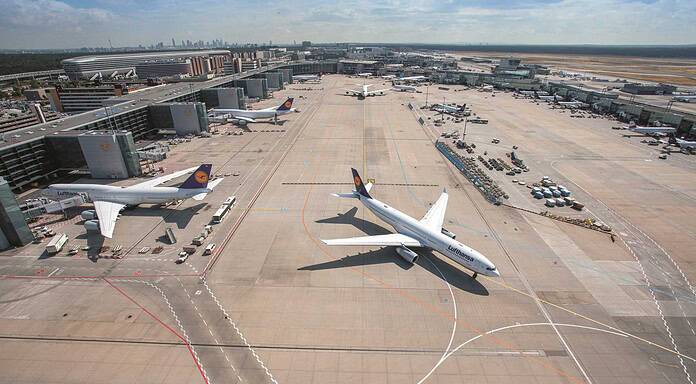
Frankfurt Airport welcomed approximately 5.8 million passengers in June. This represents an increase of 2.9 percent compared to the same month last year. This growth is primarily due to the Whitsun holidays, which in 2024 were already in May. This significantly increased demand for air travel to European warm-water destinations. With this development, Germany’s largest airport recorded continuous growth for the fourth consecutive month.

Half-year results show stable development despite geopolitical challenges

In the first half of 2025, a total of around 29.1 million passengers used Frankfurt Airport, an increase of 1.4 percent compared to the same period last year. Despite the positive overall development, there were regional differences: Passenger traffic in the Middle East declined by 7.8 percent to 1.4 million passengers, due to ongoing geopolitical tensions in the region.

The North American business remained roughly at the previous year’s level with 4.0 million passengers. The Latin American market performed noticeably well, growing by 2.8 percent to 1.2 million passengers.

Quarterly development and outlook

After a slight decline in passenger numbers in the first quarter of 2025, the second quarter saw an increase of 3.1 percent. Dr. Stefan Schulte, Chairman of the Executive Board of Fraport AG, emphasizes that the timely implementation of the relief measures for the aviation industry provided for in the coalition agreement could provide additional growth impetus to avoid competitive disadvantages in international comparison.

Fraport traffic figures June
Fraport traffic figures June (Source: Fraport AG)

He also highlights the airport’s operational progress: punctuality and efficiency at security checkpoints and baggage drop-off points have now reached pre-crisis levels, which has also led to shorter waiting times even during peak times.

Decline in the cargo segment and flight operations

Cargo volume at Frankfurt Airport fell by 2.3 percent to 174,262 tonnes in June 2025. Overall, cargo throughput in the first half of the year was at the previous year’s level at one million tonnes.

Flight operations grew by nearly five percent year-on-year, with 41,423 takeoffs and landings in June. Maximum takeoff weights also increased by 2.3 percent to approximately 2.5 million tons.

Positive developments at Fraport’s international investments

The airports managed internationally by Fraport also largely showed growth in June 2025:

  • Ljubljana Airport in Slovenia increased its passenger volume by 10.4 percent to 163,516 passengers.
  • The Brazilian airports of Fortaleza and Porto Alegre recorded an increase of 125.4 percent with 1.1 million passengers, primarily due to a special effect from the previous year when flooding affected airport operations.
  • The Brazilian airports of Fortaleza and Porto Alegre recorded an increase of 125.4 percent with 1.1 million passengers, primarily due to a special effect from the previous year when flooding affected airport operations.The Brazilian airports of Fortaleza and Porto Alegre recorded an increase of 125.4 percent with 1.1 million passengers, primarily due to a special effect from the previous year when flooding affected airport operations.
  • The 14 Greek regional airports welcomed a total of 5.3 million passengers, an increase of 1.3 percent.
  • The Twin Star Airports of Burgas and Varna in Bulgaria recorded growth of 14.2 percent to 550,005 travelers.
  • The Turkish airport Antalya increased its passenger volume by 1.3 percent to around 5.0 million passengers.

Overall outlook and significance for the aviation industry

Total passenger traffic at Fraport’s actively managed airports increased by 5.5 percent to approximately 19.9 million passengers in June 2025 compared to the same month last year. This positive development underscores the robust recovery and growth potential of the aviation industry, even though regional and geopolitical challenges remain.

The current figures underscore the importance of Frankfurt Airport as an international air traffic hub and the positive development of Fraport’s global airport portfolio. Dr. Stefan Schulte emphasizes that politically coordinated relief for the industry is essential to ensure long-term competitiveness and enable further growth.

In summary, despite challenging market conditions, Frankfurt Airport and Fraport’s international locations are on a stable growth path. The strategic measures regarding operational efficiency and customer service are paying off and creating a solid foundation for the coming months and years.

DRF Luftrettung modernizes fleet with new Airbus H140 helicopters

DRF Luftrettung expands fleet: Purchase contract for ten Airbus H140 helicopters signed

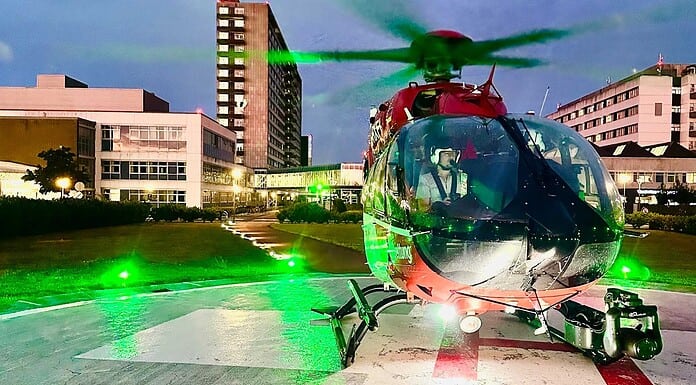
Today, DRF Luftrettung took a groundbreaking step in the modernization of its helicopter fleet at its base at Karlsruhe/Baden-Baden Airport. In the presence of high-ranking representatives from Airbus Helicopters, the purchase contract for ten new H140 helicopters was ceremoniously signed. This step is part of the non-profit organization’s strategic fleet expansion and is intended to address both the increasing demands of the rescue service and current health policy challenges.

Strengthening the future viability of air rescue with innovative machines

The new H140 helicopters, scheduled to enter service in 2028, feature state-of-the-art technology and an optimized cabin design. With larger cabins and expanded medical equipment options, they offer significantly improved conditions for patient care directly at the scene of an emergency. With the introduction of the H140, DRF Luftrettung is responding to the increasing complexity of the healthcare system and the planned legislative changes regarding hospital and emergency rescue.

Dr. Krystian Pracz, CEO of DRF Luftrettung, emphasized the strategic importance of the new introduction: “With the H140, we are adding a modern aircraft to our fleet that will enable us to care for and transport patients faster, safer, and more efficiently. Especially in light of the upcoming reforms, we are ideally positioned to continue fulfilling our mission at the highest medical standards.”

Airbus Helicopters: Proven partnership and innovative development

The cooperation between DRF Luftrettung and Airbus Helicopters has existed for over three decades. This long-standing partnership began in the 1990s with the use of the EC135 and was further expanded with the integration of the H145 in 2014. This successful collaboration continues with the H140, with DRF Luftrettung contributing its extensive operational experience to the development of the aircraft.

Dr. Dirk Petry, Head of the H135 & H140 Programs at Airbus Helicopters, commented on the contract signing: “DRF Luftrettung is an important partner for us. Through close collaboration, we were able to optimize the H140 specifically for the special requirements of air rescue. We are pleased to be working together to create a modern and powerful fleet that will significantly shape the rescue services of the future.”

Fleet renewal as a response to changing requirements

DRF Air Rescue’s operational scope extends to a wide range of life-saving scenarios, which are becoming increasingly complex and challenging. The fleet expansion with ten additional H140s will contribute to significantly increasing the organization’s flexibility and efficiency. At the same time, the gradual replacement of the existing H135 models will be initiated to keep the fleet state-of-the-art.

Roman Morka, also a member of the board of DRF Luftrettung, emphasized the importance of agility in a changing rescue environment: “In times of constant change within the healthcare system, it is essential for us to act flexibly and proactively. The investment in the H140 enables us to proactively address these challenges and ensure sustainable care for the population.”

Technical highlights and medical advantages of the H140 helicopter

The Airbus H140 combines the advantages of proven helicopter systems with innovative features specifically tailored to air rescue. These include:

  • A spacious cabin with optimized work surfaces for medical staff.
  • Improved ergonomics and medical equipment for enhanced patient care, even during the flight.
  • State-of-the-art avionics and flight systems that contribute to greater safety and better handling.
  • Efficient fuel consumption and reduced operating costs compared to previous models.

These characteristics create optimal conditions for providing care-oriented and time-efficient services, even in complex clinical pictures and emergencies.

Perspectives for air rescue in Germany and Europe

DRF Luftrettung is one of the largest operators of H145 helicopters in Germany and Europe. By expanding its fleet with the H140, it is further strengthening its position as a leading provider in the field of medical air rescue. This is particularly important in the context of increasing hospital and emergency reforms, which require greater networking of care systems and rapid, targeted patient care.

With the new helicopters, the organization is addressing the challenges of demographic change, rising patient numbers, and increasingly diverse medical needs. The fleet expansion is an essential building block for maintaining and further improving the high quality standards in air rescue in the future.

Conclusion: Fit for the challenges of the future

The signing of the purchase contract for ten H140 helicopters marks a significant milestone in the development of DRF Luftrettung. It enables the modern and efficient continuation of its missions in the field of medical air rescue and a flexible response to changing health policy conditions.

Through the combination of innovative technology, comprehensive medical equipment, and a proven partnership with Airbus Helicopters, DRF Luftrettung is fit for the future. Emergency personnel benefit from improved working conditions, and patients benefit from even higher quality of care—thus making a lasting contribution to health and safety in Germany and Europe.


Overview of the most important facts in the short profile

TopicDetails
OrganizationDRF air rescue
PartnerAirbus Helicopters
New type of helicopterAirbus H140
Number of helicopters10
Planned start of servicefrom 2028
Previous modelsH135, H145
Area of applicationMedical air rescue in Germany/Europe
Main advantages of the H140Larger cabin, improved medical equipment, modern avionics

Emirates Boeing 777 with Premium Economy Class flies Dubai – Colombo

0

Emirates, the world’s leading international airline, is elevating its Dubai-Colombo flight experience by deploying the modernized Boeing 777 with a four-class configuration. Starting July 18, 2024, the airline will operate flight EK650/651 on this route with the new-generation Boeing 777, introducing Premium Economy Class to the network for the first time.

New comfort classes on the flight from Dubai to Colombo

The modernized Boeing 777 offers a modern and comfortable cabin layout with eight luxurious suites in First Class, 40 seats in Business Class, 24 spacious seats in the new Premium Economy Class, and 256 seats in Economy Class. The flexibility and variety of the classes allow Emirates to meet a wide range of passenger needs – from discerning business travelers to leisure travelers.

The Premium Economy Class, which offers space for 24 passengers in a 2-4-2 layout, stands out in particular. The seats feature adjustable headrests, generous legroom, and modern comfort features, making them perfect for longer journeys. Passengers in this class also enjoy a special baggage allowance: 35 kg of checked baggage and 10 kg of hand luggage.

Flight times and availability

Flight EK650 departs Dubai daily at 2:40 a.m. and arrives in Colombo at 8:35 a.m. local time. The return flight EK651 departs Colombo at 10:05 a.m. and arrives in Dubai at 12:55 p.m. This provides Emirates travelers with an optimal connection with enough time to plan their day in Sri Lanka or comfortably catch their connecting flight from Dubai.

Modern design and innovative interior

The design of the new Boeing 777 is based on Emirates’ contemporary cabin standards. Business Class features cream-colored leather seats, champagne-colored accents, and light wood paneling, offering an exclusive ambiance with a personal minibar and other thoughtful details. Each Business Class seat can be extended into a fully flat bed up to two meters long and is equipped with a large 23-inch HD screen for a high-quality entertainment experience.

Premium Economy is not just a stopgap solution, but pampers travelers with high-quality service, comfortable seats, and enhanced amenities – with a clear distinction from Economy Class, which is characterized by ergonomically designed seats.

Premium Economy Class from Frankfurt

In addition to the connection between Dubai and Colombo, Emirates also offers Premium Economy Class on flights from Frankfurt to Colombo. This allows more travelers to benefit from the enhanced comfort of this travel class and enjoy a first-class travel experience on all routes.

Commitment to the Sri Lankan market

With the deployment of the modernized Boeing 777, Emirates underscores the growing importance of the Sri Lankan market and the importance of high service quality for customer satisfaction. Emirates currently offers four daily flights between Colombo and Dubai, including three direct flights and one via Malé.

The introduction of Premium Economy Class in this region supports the airline’s efforts to provide an excellent product portfolio on different continents, while meeting increasing expectations in terms of comfort, service and flexibility.

With the introduction of the modernized Boeing 777 on the Dubai-Colombo route, including the new Premium Economy Class, Emirates is expanding its premium passenger offering and setting new standards for long-haul flights in the region. This holistic and carefully designed flight experience combines innovative technology, first-class comfort, and outstanding service – centrally focused on the needs of a diverse passenger group that places the highest value on quality and comfort.

Aeromexico brings Viasat high-speed internet to Embraer E190 fleet

0

Aeromexico and Embraer: In-flight Wi-Fi connection introduced on E190 aircraft

Aeromexico (ticker symbol B3: AMXL), Embraer (NYSE: ERJ; B3: EMBR3), and Viasat, Inc., jointly announced the installation of state-of-the-art in-flight internet connectivity on Aeromexico’s Embraer E190 aircraft. This measure aims to significantly enhance the passenger experience, especially on short-haul flights, by providing fast and reliable internet connectivity on board.

High-speed internet via Viasat satellite network

The technology is based on Viasat’s Ka-band satellite connection, enabling fast web browsing, streaming movies and TV shows, live sports broadcasts, emailing, and access to social media in-flight. This significantly expands the digital experience for passengers on board Embraer E190 jets.

Currently, six Aeromexico Embraer E190 aircraft are equipped with this innovative Wi-Fi technology. Installation on the remaining 28 of the 34 E190 aircraft in the fleet is underway and is expected to be completed by 2027.

Quote from Andres Castañeda, Chief Digital and Customer Experience Officer at Aeromexico

“We are upgrading our Aeromexico Connect E190 fleet to ensure exceptional in-flight experiences on our short-haul routes. With Wi-Fi available on all E190 aircraft by 2027, Aeromexico will be the only airline in Latin America to offer free, ad-supported messaging across its network. This means our passengers can stay connected wherever they are, while also having the option to purchase additional internet packages for enhanced connectivity.”

Significance of the project in the global in-flight connectivity market

Don Buchman, Senior Vice President & General Manager Commercial Aviation at Viasat, commented on the collaboration: “Global demand for in-flight connectivity is growing rapidly – ​​passengers today expect to be able to stream movies and series in the air as easily as they do at home. We are delighted to be working with Aeromexico and Embraer. Both companies place great importance on high-quality, fast, and reliable in-flight Wi-Fi services to optimize the passenger experience.”

Embraer’s commitment to improved passenger comfort

Carlos Naufel, President and CEO of Embraer Services & Support, explains: “Embraer is continuously working to enhance the travel experience across our wide range of aircraft. Providing connectivity services on Aeromexico’s E-Jets fleet represents an important step toward promoting passenger comfort and satisfaction.”

Viasat Amara – The next generation of in-flight connectivity

Viasat Amara, Aeromexico’s selected advanced in-flight connectivity solution, is available to all E-Jet customers worldwide. Embraer also offers a comprehensive portfolio of aero solutions tailored to each customer’s needs to support the ever-growing fleet of E-Jets worldwide and ensure the best after-sales service in the global aviation industry.

Future outlook

With this pioneering initiative, Aeromexico is setting new standards in the Latin American aviation industry by offering its passengers not only mobility but also consistently connected communications and entertainment at the highest level. The investment in innovative onboard technologies such as Viasat Ka-band Wi-Fi and Embraer’s ongoing fleet modernization confirm the importance of digital services for the flight experience of the future.

Summary

The partnership between Aeromexico, Embraer, and Viasat underscores the growing importance of in-flight wireless internet and the aviation industry’s commitment to maximizing customer experience through technological innovation. Viasat’s rollout of high-speed internet on Aeromexico’s Embraer E190 aircraft will usher in a new era of connected travel in Latin America, which will be fully completed by 2027 at the latest. Passengers can look forward to a connected, interactive, and entertaining flight experience that goes far beyond mere mobility.

France’s Ministry of Defense commissions Airbus for cybersecurity training

Long-term contract for cybersecurity training launched in the French Ministry of Defense

The French Directorate of General Armaments (DGA) has signed a groundbreaking framework agreement with Airbus Defence and Space for the education and training of all cybersecurity experts in the Ministry of Defence. This agreement also includes the French Armed Forces’ cyber warriors and is scheduled for a term of eight years.

Comprehensive service description of the framework agreement

Under the leadership of Airbus Defence and Space and its cooperation partner Neverhack, comprehensive training platforms will be designed, produced, and operationally maintained in the coming years. The contract also includes the provision of training and coaching services, as well as the development of practical scenarios for operational cyber defense.

Particular attention is being paid to equipping the Cyber ​​Defense Command’s Cyber ​​Defense Academy (COMCYBER) in the Rennes region with a state-of-the-art cyber defense center. This training site will serve as the operational preparation site for cyber warriors, offering specific courses for various cyber specialists.

Objectives of cyber training to strengthen defense capabilities

The training is intended not only to increase the number of qualified cybersecurity experts, but also, in particular, to significantly improve the defense techniques and operational capabilities of the armed forces. Through practical exercises, the aim is to increase the level of maturity in dealing with the dynamic threat landscape in cyberspace.

Realistic training environment including digital battle simulations

The training platforms are designed to simulate comprehensive attack and defense scenarios – both in the context of military operations on digital battlefields and in large-scale national, higher-level, or multinational exercises such as “Orion” or “DefNet.”

The exercise covers the full range of modern cyber threats, including malware attacks, denial-of-service attacks, data theft, information manipulation, and influence operations such as social media disinformation.

Willingness to innovate through the integration of new technologies

In order to respond flexibly to future threats and technological developments, Airbus plans to cooperate with start-ups and small to medium-sized companies, particularly in the field of artificial intelligence.

Highly realistic simulation environments for armed forces networks and weapon systems

The embedded applications will realistically replicate the complex environments of military networks and information systems, including C4ISR (command, control, communications, computers, intelligence, surveillance and reconnaissance) and weapons systems.

Each use case includes IT infrastructure, advanced simulations of cyberattacks, physical phenomena, and “life simulations” that realistically integrate legitimate, accidental, or malicious user activities.

Airbus Defence and Space’s experience in cyber training

Airbus Defence and Space brings nearly a decade of experience operating CyberRange platforms. These are used by various government ministries and sensitive industrial sectors for training, exercises, challenges, and larger events – such as “Passe ton Hack D’abord,” organized by COMCYBER and the French Ministry of Education for 7,000 students.

The Airbus CyberRange platform is also deployed in over 25 partner schools to enrich their cybersecurity training programs with challenging training environments and thus contribute to the training of a broad group of experts.

Further security-related services from Airbus Defence and Space

In addition to training, Airbus Defence and Space also provides Security Operation Centers (SOCs), which are operated by the French Army both domestically and during missions abroad to ensure the security of information and communication systems.

With this comprehensive cybersecurity training contract, France underscores its strategic priority of massively expanding cyber defense capabilities within the armed forces and effectively countering current and future threats in the digital space. Collaboration with established partners such as Airbus Defence and Space and innovative medium-sized companies ensures that the Ministry of Defense remains technologically up-to-date and that professional cyber forces receive optimal training.

Air France-KLM and Qantas expand partnership for better Europe-Australia connections

0

Air France-KLM and Qantas, Australia’s national airline, have announced a significant expansion of their existing partnership to significantly improve air connectivity between Europe and Australia and significantly enhance the travel experience for their customers. This strategic collaboration aims to offer travelers from both continents greater convenience, enhanced connectivity, and expanded loyalty programs.

New code-share connections strengthen Europe’s connection to Australia

A key feature of the partnership is the introduction of codeshare flights on Qantas’ nonstop route between Paris-Charles de Gaulle (CDG) and Perth (PER). Air France is now able to assign codes to its customers on this service, providing significant benefits for travelers. This direct service celebrates its one-year anniversary this month and is, to date, the first and only nonstop route between France and Australia. The connection will reduce the previously fastest flight time between Paris and Perth by approximately three hours, offering significant time savings, especially for business and leisure travelers.

Air France is also the only European airline to offer such a codeshare service for non-stop flights between Europe and Australia, making it a preferred partner for long-term travel planning.

New transfer options via Tokyo-Haneda

As of July 1, Tokyo Haneda has been added to the partner network as another connecting airport. Together with the existing connecting airports of Singapore Changi and Hong Kong, Haneda enables Qantas and Air France customers to seamlessly travel to major Australian destinations such as Sydney, Brisbane, Melbourne, Darwin, and Perth. The addition of this airport offers passengers greater flexibility in choosing their itinerary and often reduces overall flight time by offering more efficient and convenient connections.

Extended code-sharing agreements between Air France, KLM and Qantas

In addition to the new codeshare connection with Air France on the Paris-Perth route, both Air France and KLM have now added their codes to Qantas flights between Singapore and Darwin. This strengthens connectivity in the Asia-Pacific region and enhances the partners’ overall flight network by creating new connections and connecting options. Travelers will thus have a wider choice of connections with greater convenience and time efficiency.

Frequent flyer benefits and customer service

Another highlight of the partnership is the improved integration of the frequent flyer programs: For the first time, Flying Blue members, the joint frequent flyer program of Air France and KLM, can now redeem their accumulated miles for travel in Qantas First Class. This innovation significantly expands the possibilities for miles and makes the premium travel experience more accessible for customers.

Additionally, Flying Blue members with “Ultimate” status receive exclusive access to Qantas First Class airport lounges, offering a significant boost in comfort before and after their flight. This offer elevates service to a new level and strengthens the bond between the airlines and their customers.

More connections for Australian travelers to European destinations

The partnership opens up a wide range of new opportunities for Australian travelers: By leveraging Air France and KLM’s extensive domestic and European networks, they will have improved connecting options and a wider choice of destinations in France and across Europe. This not only facilitates leisure and business travel, but also provides access to new markets and cultural experiences.

In addition, the collaboration increases the opportunities to collect and use Qantas points when customers fly with Air France or KLM, further increasing the airlines’ appeal to Australian customers.

Conclusion: A new era of international travel

The expanded partnership between Air France, KLM, and Qantas marks a significant step toward better connectivity between Europe and Australia. It not only brings practical benefits through optimized flight connections and transfer options, but also sets new standards in convenience and customer service. Travelers benefit from greater flexibility, time savings, and exclusive advantages – a real enrichment that further reduces the barriers to international travel and makes it more enjoyable.

With this strategic cooperation, the airlines are ushering in a new phase of air transport that will raise transcontinental mobility to a higher level and offer customers real added value.

Emirates Premium Economy Class will also be available on flights to Kolkata

0

Emirates, one of the world’s leading airlines, is further expanding its Premium Economy Class offering and will introduce this popular cabin class on flights to and from Kolkata, India, from July 18, 2025.

Following the successful launch on routes to Mumbai, Bengaluru and Ahmedabad, this step marks an important milestone in the expansion of the comfort segment, with which Emirates further strengthens its position in the Indian market.

Premium Economy Class: More comfort and flexibility for travelers to Kolkata

Starting on the above date, flight EK573 will operate four times a week from Kolkata to Dubai (Wednesdays, Fridays, Saturdays, and Sundays). Departure from Kolkata is at 8:45 PM local time and arrival in Dubai is at 12:05 AM the following day. The return flight, EK572, departs from Dubai at 1:05 PM and arrives in Kolkata at 7:15 PM, both local times. This convenient timing allows business and leisure travelers alike to benefit from the improved seating and service.

Mohammad Sarhan, Vice President India and Nepal at Emirates, emphasizes the importance of this innovation: “Our commitment to the Indian market is firmly established, and the launch of Premium Economy Class in Kolkata is a further sign of this. The positive response to this product in Mumbai, Bengaluru, and Ahmedabad has shown us that customers appreciate this balanced offering of comfort, quality, and value. We look forward to offering the same level of service to guests in Kolkata.”

Facilities and service in Premium Economy Class

Emirates’ Premium Economy Class represents a tasteful symbiosis of comfort and high-quality amenities. The seats are wider than those in Economy Class and upholstered in cream-colored leather. They offer significantly more legroom and feature individually adjustable headrests, a deeper seat recline, and padded, extendable leg rests to make long flights more relaxing.

The product also impresses with its culinary offerings: Passengers can look forward to a diverse selection of regional dishes served on fine Royal Doulton porcelain. The cutlery is made of high-quality stainless steel. Additionally, an expanded drinks menu with exquisite wines, exclusive beverages, and refreshing options is available to meet the needs of discerning customers.

Each seat is equipped with a 13.3-inch HD display and provides access to the extensive entertainment selection via Emirates’ proven ice system. A particularly convenient new feature is the ability to connect your own headphones wirelessly via Bluetooth. Enhanced Wi-Fi connectivity is also available on selected aircraft, particularly for business and premium class passengers.

Baggage regulations and seating arrangements

Premium Economy Class customers benefit from a generous baggage allowance: They can easily carry up to 35 kilograms of checked baggage and 10 kilograms of carry-on baggage. This policy ensures that travelers are well-equipped for both business and leisure trips.

On Emirates’ newest Boeing 777 aircraft, Premium Economy Class comprises 24 seats in a separate cabin. This arrangement creates a pleasant atmosphere with a balance of privacy and conviviality. The spacious seating contributes to passengers perceiving the travel experience as a high-quality upgrade over Economy Class.

Significance for the Indian market and future prospects

The decision to offer Premium Economy Class on flights to Kolkata reflects the continued growth and increasing importance of India as a destination market. The wealth and travel needs of the Indian population are steadily growing, creating a need for differentiated flight experiences.

Indian travelers who value comfort, flexibility, and excellent service will find the new cabin class a perfect fit. At the same time, Emirates is opening up further opportunities to strengthen the loyalty of existing customers and attract new ones.

Here’s how Mohammad Sarhan sees it: “With Premium Economy, we offer an attractive mid-range class that bridges the gap between economy and business class. This product has proven very successful on our existing routes, and we are convinced that it will also bring real added value to travelers in Kolkata.”

The offer also increases the variety of flight options within the Emirates fleet, as the Premium Economy product is available on more and more aircraft and may also be used on additional routes in the future.

Conclusion and outlook

The introduction of Premium Economy Class on the Kolkata-Dubai route is a strategic move that further strengthens Emirates’ market position in India. The combination of comfortable amenities, excellent service, enhanced entertainment, and generous baggage allowance appeals to both business and leisure travelers who desire a superior travel experience without having to invest in Business Class.

With the planned introduction of Premium Economy Class on flights to Kolkata from and to Dubai, Emirates is not only strengthening its appeal to Indian customers but is also setting a trend for the growing mid-price segment in international air travel. The airline’s comfort, quality, and commitment to innovation offer customers compelling reasons to choose Emirates as their preferred airline.

Earth observation: Airbus develops new PAZ-2 radar satellites for Spain

Airbus ensures the future of Earth observation for Spain with PAZ-2 satellites

Airbus Defence and Space has been selected as prime contractor for the development and manufacture of two new PAZ-2 radar satellites. This state-of-the-art satellite project ensures the continuity of the current PAZ satellite, which has been in operation since 2018, and marks a significant milestone for the Spanish space industry. Approximately 65% ​​of the satellite content will be produced by Spanish industry, with Airbus taking the lead.

The two PAZ-2 satellites are among the most advanced of their kind in the world. They are more powerful than their predecessors and significantly improve image quality and resolution to better than 25 centimeters. Additionally, the daily coverage per satellite increases to approximately 6.7 million square kilometers, as they orbit the planet 16 times a day. These technical improvements significantly strengthen the reconnaissance and surveillance capabilities of the Spanish Armed Forces. They also open up versatile civilian applications, including infrastructure monitoring, risk management, border control, and disaster assessment. The use of radar imaging allows for 24-hour imagery, regardless of weather conditions.

Strengthening technological sovereignty

Alain Fauré, Head of Airbus Space Systems, emphasizes: “In the current geopolitical context, with the PAZ-2 satellites, Airbus reaffirms its commitment to strengthening technological sovereignty in the security and defense sectors and to expanding its leadership in the national and European space industry.”

Cooperation with Spanish industry

In addition to planning, assembling, and testing the two satellites at its site in Getafe, Spain, Airbus is also taking a leading role in the further development of high-resolution, wide-area X-band radar technology. The development is being carried out in a consortium of more than 15 Spanish companies, impressively underscoring local industrial expertise and innovative strength.

Applications and benefits of the PAZ-2 satellites

The new PAZ-2 satellites will expand Earth observation capabilities in many ways:

  • Military Surveillance and Reconnaissance: Improving early warning systems and situational awareness in the Spanish Armed Forces.
  • Border control: Continuous monitoring of hard-to-reach border areas and precise recording of movements.
  • Disaster management: Rapid and detailed recording of natural disasters such as floods or landslides for effective coordination of relief efforts.
  • Infrastructure monitoring: Monitoring of critical infrastructure and transport networks to detect damage or irregular conditions.
  • Environmental and resource management: Supporting the protection of ecosystems and the sustainable use of resources through reliable data.

Technological details of the PAZ-2 radar satellites

The satellites operate in the X-band using synthetic aperture radar (SAR) technology, enabling them to capture high-resolution images over long distances, regardless of the time of day or weather conditions. Increasing the resolution to below 25 centimeters represents a significant technological advance and enables the detection of fine details on the Earth’s surface. Covering up to 6.7 million square kilometers daily, the satellites’ 16 orbits per day can provide near-global surveillance.

Schedule and outlook

The first of the two PAZ-2 satellites is expected to be commissioned in mid-2031. This planning ensures that the ongoing Earth observation mission continues seamlessly, without any loss of data quality or volume.

Furthermore, this contract strengthens the position of Hisdesat and Airbus as leading players in high-resolution X-band radar services. By strengthening Spanish and European Earth observation capabilities, it also enhances strategic resilience at the international level.

Significance for Spain and Europe

The PAZ-2 project highlights the increasing importance of sovereign technologies for national security and civilian applications. The strong online integration of Spanish companies promotes economic growth and technological innovation within the country, while simultaneously supplying the European market with cutting-edge satellite technology.

In the context of increasingly complex geopolitical challenges, the ability to gain information leadership through high-quality Earth observation is a decisive competitive advantage. With the implementation of the PAZ-2 satellites, Airbus and Hisdesat are making a significant contribution to maintaining Europe’s leadership in this field.

Conclusion

The selection of Airbus as prime contractor for the two new PAZ-2 radar satellites marks a significant step toward future-proof, high-performance Earth observation. The close collaboration with Spanish industry simultaneously strengthens Spain’s industrial base and makes the project a prime example of technological sovereignty in security and space. The enhanced capabilities of the PAZ-2 satellites will raise both military security and civil applications for the environment, infrastructure, and disaster management to a new level. Their entry into service in mid-2031 will thus represent groundbreaking developments and consolidate Europe’s position as a center of excellence for high-quality radar satellites and Earth observation.

Dortmund Airport: Growth and expansion of flight offerings in the first half of the year

0

Dortmund Airport records solid growth in the first half of the year

Dortmund Airport (IATA code: DTM, ICAO code: EDLW) recorded slight year-on-year growth in the first half of 2025, with a total of 1,483,459 passengers. With an increase of approximately 2.1 percent, or almost 30,000 additional passengers, the airport remains stable and on a growth path despite challenging market conditions.

The increased number of passengers is due to several factors: Firstly, various new routes were established, and secondly, the Hungarian airline Wizz Air in particular increasingly used the Airbus A321neo, which led to a significant increase in capacity thanks to higher seating capacity.

Compensation for the loss of major providers

Ludger van Bebber, Managing Director of Dortmund Airport, commented positively on the development: “We were able to use the positive momentum from the end of the year for the course of the summer season and thus compensate for the loss of Ryanair routes and the shortage of Eurowings routes in the summer flight schedule.”

Increased frequencies on Condor flights to Palma de Mallorca and the strengthening of Wizz Air’s connection to Katowice offset significant disruptions by other providers. This strategic adjustment contributed significantly to stable passenger volumes.

The flight schedule received additional momentum thanks to a number of new routes: Wizz Air has been flying to Warsaw and Craiova since June. Pegasus Airlines also launched a new service to Antalya in April. These routes quickly became popular destinations and increased the attractiveness of Dortmund Airport for travelers.

June 2025: Strong figures compared to the previous year

With 293,942 passengers in June 2025, traffic was significantly higher than the same month last year (278,280 passengers), representing growth of approximately 5.6 percent. This increase underscores the targeted and successful alignment of the new and expanded routes to meet traveler needs.

Outlook and further expansion plans at Dortmund Airport

Despite this positive development, the airport is looking to the future with ambitious goals. Van Bebber emphasizes: “Growth is keeping us on the right track.” The airport is working hard to continuously expand its flight offerings in order to continue offering passengers a diverse and attractive travel selection.

Concrete plans for the coming months are already in the pipeline. The Polish destination of Szymany and Niš, Serbia, will soon be reintegrated into the flight schedule. Furthermore, the connection to Yerevan will be served significantly more frequently starting in the fall to meet increasing demand.

Importance for the region

The growth and expansion of Düsseldorf Airport are a positive signal for the region. The airport serves as an important transport hub and contributes significantly to the local economy – in addition to more travel options, tourism, trade, and numerous service sectors also benefit.

Dortmund Airport: Review of a successful first half of the year

With strategic adjustments, targeted expansion of the route network, and the use of modern aircraft types, Dortmund Airport can look back on a successful first half of 2025. The combination of new routes and increased connections to popular destinations secures growth and increases the airport’s attractiveness for passengers.

The upcoming additions to the winter flight schedule promise further momentum. Overall, Dortmund Airport presents itself as a modern and dynamic airport, whose diverse offerings meet the needs of travelers and strengthen the region’s future viability.

Low-cost air transport: analysis, trends and developments

For the first time, the new format also offers global analyses of the low-cost market, as well as further classifications and evaluations. Focus: aviation and transport.

With the “MONITOR Air Transport and Low-Cost,” the German Aerospace Center (DLR) offers a comprehensive analysis of current developments in the field of low-cost transport. This new format replaces the well-established “DLR Low Cost Monitor” publication series and provides stakeholders, policymakers, and industry with a solid basis for market observation.

Global development of air traffic

In 2024, approximately 4.7 billion passengers were counted worldwide, representing an increase of two percent compared to 2019. The number of flights worldwide amounts to approximately 36.3 million, which is still approximately five percent below pre-crisis levels. Of these, approximately eleven million flights are in the low-cost segment.

International market shares have shifted significantly since 2010. Asia, which long held third place, now leads the rankings with 31 percent, followed by North America with 29 percent and Europe with 23 percent of all global passenger flights. The low-cost sector is experiencing strong growth, with a share of approximately 35 percent in Europe and Asia and 25 percent in North America.

Share of low-cost traffic at German airports in 2024
Share of low-cost traffic at German airports in 2024: The figure shows the share of low-cost passengers departing from Germany in total passenger numbers in 2024, broken down by airport. BER – Berlin, BRE – Bremen, CGN – Cologne/Bonn, DRS – Dresden, DTM – Dortmund, DUS – Düsseldorf, ERF – Erfurt, FDH – Friedrichshafen, FKB – Karlsruhe/Baden-Baden, FMM – Memmingen, FMO – Münster/Osnabrück, FRA – Frankfurt/Main, HAJ – Hanover, HAM – Hamburg, HHN – Hahn, LBC – Lübeck, LEJ – Leipzig, MUC – Munich, NRN – Weeze, NUE – Nuremberg, PAD – Paderborn, RLG – Rostock, SCN – Saarbrücken, STR – Stuttgart. (© DLR)

The largest global airlines in the low-cost market

Among the 25 largest airlines worldwide in June 2025, there are also four low-cost carriers: Southwest Airlines (USA) in fourth place, Ryanair (Europe) in fifth place, JetBlue (USA) in 19th place and Azul (South America) in 22nd place. This shows that the low-cost segment is now an integral part of the aviation market and is no longer a niche offering.

The DLR also publishes detailed monthly analyses of global air traffic in the “Global Aviation Monitor.” In Germany and Europe, scheduled passenger air traffic is operated by over 300 airlines at more than 600 airports, while there are over 4,000 airports and approximately 800 airlines worldwide. More than 100 companies belong to the low-cost segment.

European developments: Germany in fifth place

In a reference week in January 2025, over 38,000 low-cost flights were counted in Europe on almost 7,000 routes in 44 countries. Sixteen airlines operate in this segment, with Ryanair leading the way with over 14,500 departures. EasyJet and Wizz Air follow in second place. Germany ranks fifth in the country comparison, behind Spain, the United Kingdom, Italy, and France. The market share of low-cost traffic in Europe is 31 percent.

The market share of low-cost offers in total air transport in Europe remained relatively constant at around 30 percent between 2019 and 2025. In Germany, however, this share fell from 32 percent to 21.4 percent over the same period. A key reason for this is the significant expansion of Ryanair’s offerings in Europe (+12 percent), while reducing them by 33 percent in Germany.

Low costs and high availability

In January 2025, a total of 2,316 weekly departures were counted in Germany by 15 low-cost airlines. This represents an increase of approximately ten percent compared to the previous year; however, this figure remains approximately 56 percent below the pre-coronavirus level of 2019. Measured by the number of scheduled departures, Eurowings is the largest provider of low-cost connections in Germany with over 900 flights, followed by Ryanair with 692 and Wizz Air with 317 flights per week.

Particularly striking is the decline in domestic low-cost traffic, where the share has fallen to approximately 15 percent. This is due, among other things, to the market exit of Air Berlin, which led to a decrease in competition, as well as an overall reduction in capacity.

Airport landscape in Germany and neighboring countries

The share of low-cost traffic varies considerably between airports in Germany. At major hubs like Frankfurt and Munich, this share is less than five percent, while in cities like Berlin, Düsseldorf, Hamburg, Stuttgart, and Cologne, figures exceed 40 percent. Smaller airports, such as Memmingen, Weeze, and Hahn, have a particularly high low-cost share, at over 90 percent.

Berlin has the largest low-cost offering in Germany, with 547 weekly departures. Other important locations include Hamburg, Cologne, and Stuttgart. Airports close to the border, such as Eindhoven, Basel, Luxembourg, and Zurich, also offer an attractive range of low-cost connections, thus providing additional departure options for passengers from Germany, especially in regions with limited domestic flight options.

Price trends in the low-cost segment

The average gross prices for low-cost flights in Germany ranged between €67 and €130 in spring 2025. Wizz Air had the lowest average price at €67, followed by Ryanair at €80, easyJet at €86, and Eurowings at €130. Flights booked at short notice with one day’s notice cost an average of €119 to €169, while early bird prices booked three months in advance ranged from €44 to €90.

Development dynamics of business models

Although typical features such as low prices, direct online sales, and point-to-point service remain central, low-cost airlines can no longer be clearly distinguished from the rest of the market. Many airlines now pursue hybrid business models that integrate elements of traditional network or tourist airlines. For DLR’s analyses, airlines are classified as low-cost as long as they predominantly offer affordable, widely available services.

This analysis is based on data from a reference week in January 2025 and price surveys from spring 2025. Future trends in low-cost traffic will continue to be influenced by market developments in Europe and worldwide, with airlines’ adaptability being crucial to their competitiveness.

MAG doubles A330neo fleet: Milestone for Malaysia Airlines

Malaysia Aviation Group orders 20 more Airbus A330neo widebody aircraft

The recent decision by the Malaysia Aviation Group (MAG) to double its A330neo fleet with the order of 20 additional Airbus A330-900 aircraft marks a significant step in the development of both Malaysia Airlines and the entire aviation industry in Malaysia. This strategic investment not only signals confidence in the future of the fleet but also highlights its economic importance for regional and international air traffic.

Background: Malaysia Aviation Group and Malaysia Airlines

The Malaysia Aviation Group acts as the parent company of Malaysia Airlines, Malaysia’s national carrier. MAG is responsible for managing several subsidiaries in the aviation, infrastructure, and related services sectors. The group’s strategic direction focuses on fleet modernization and sustainability to become more competitive and efficient. Since the restructuring and realignment of Malaysia Airlines in recent years, MAG has pursued a clear vision: to build a modern fleet that meets both the technical requirements of the industry and passenger expectations.

Details of the A330neo order

The current order for 20 additional A330-900 aircraft continues the fleet renewal program that began in 2022. Four of the 20 aircraft originally ordered have already been delivered. The Airbus A330neo impresses with its combination of performance, range, and a modern and comfortable cabin design. The aircraft features new Rolls-Royce Trent 7000 engines, which ensure greater fuel efficiency and thus reduce operating costs and environmental impact. Furthermore, its long range of up to 7,200 nautical miles enables flexible deployment on both regional and long-haul routes.

With the expansion of its A330neo fleet, MAG is doubling its capacity on these modern aircraft while simultaneously strengthening Malaysia Airlines’ premium positioning through attractive cabin design and enhanced passenger comfort. The aircraft are already in operation on routes from Kuala Lumpur to Melbourne, Auckland, and Bali.

Economic importance of the order

From a business perspective, this investment can be seen as a milestone in MAG’s sustainable development. Renewing the fleet with efficient aircraft will reduce operating costs in the long term, increase competitiveness, and underscore the group’s growth strategy. The flexibility and efficiency of the A330neo are particularly important in an environment characterized by global challenges, where fuel costs and emissions regulations are playing an increasingly important role.

This order also strengthens Malaysia Airlines’ market position in a highly competitive international environment. Investors and market observers recognize the fleet expansion as a strong commitment to growth and innovation. Furthermore, with this order, MAG is setting a clear example of sustainability by integrating modern aircraft with sustainable fuel (SAF) capability into the fleet.

Sustainability and future prospects

The Airbus A330neo sets standards in environmental performance: It is designed to operate with up to 50% Sustainable Aviation Fuel (SAF), with the goal of achieving full SAF use by 2030. This responds to growing global pressure on the aviation industry to reduce CO2 emissions and promote sustainable alternatives.

MAG’s investments in fleet modernization reflect the increasing importance of sustainability and operational efficiency in the industry. At the same time, it positions Malaysia Airlines for future challenges and customer expectations, which increasingly value environmentally conscious travel.

The expansion of the A330neo fleet also provides flexibility for future network and route design. With modern long-haul aircraft, the airline can expand its route network, enter new markets, and offer customers improved connections and comfort.

Strategic step with economic impact

The doubling of the A330neo fleet by the Malaysia Aviation Group is far more than just a simple aircraft order. It is a strategic step with significant economic impact, strengthening efficiency, sustainability, and market position. For Malaysia Airlines, this means a modern fleet that is up to the challenges of the future while simultaneously meeting passenger demands.

This development positions MAG as a pioneer in the region and underscores confidence in the future of aviation in Malaysia. For investors and aviation enthusiasts, this step offers exciting insights into the dynamics and direction of the market.

MAG is thus setting an important milestone on the path to sustainable growth and lasting success in international air transport.

Munich Airport: Auction of lost property in Karlsfeld

Munich Airport will hold a Lost and Found auction on Saturday, July 12, 2025, as part of the Settlers’ Festival in Karlsfeld. This event will take place on the festival grounds at Lake Karlsfeld and begin at 1 p.m. Led by renowned auctioneer Alfred Mittermeier, interested visitors will have the opportunity to bid on a variety of items that were forgotten or lost at Munich Airport. Please note that these items will be stored for at least six months before being auctioned. This ensures that the items have had sufficient time to be retrieved by their original owners.

Airport lost property from many interesting areas

The range of items offered for auction is extremely diverse and caters to a variety of interests. From high-quality wristwatches, which are sure to attract collectors and connoisseurs of timepieces, to useful tools for leather and jewelry work, which will benefit craftspeople and hobbyists. There are also attractive offerings for technology enthusiasts, such as navigation devices, which can be of great use to travelers. A television, also part of the auction, appeals to those looking to spice up their home, while a poker game ensures convivial evenings with friends.

Auction of car and motorcycle accessories

A range of accessories are also available for car and motorcycle enthusiasts. These include indicators, which are essential for safe driving, and a vehicle diagnostic tool, which is valuable for diagnosing vehicle problems. Buyers can also bid on a 12V battery, which is useful for use in various vehicles or even for camping.

Camping equipment auction

With summer just around the corner, the auction is also aimed at those planning a getaway in nature. Camping equipment such as tents, sleeping bags, airbeds, and gas stoves will be up for auction, allowing interested parties to equip themselves accordingly. These items are especially popular with families or friends who want to enjoy their time outdoors together.

Auction surprise and theme suitcases

Another highlight of the auction are the surprise and themed suitcases. These contain a mysterious selection of items, the contents of which are only revealed upon purchase. This represents an exciting and appealing opportunity to acquire a variety of items, often at a very reasonable price.

Viewing of the auction items

Viewing of the auction items will take place on the same day between 10:30 a.m. and 12:30 p.m. This gives bidders ample time to familiarize themselves with the range of items being auctioned and thus prepare well for the auction. It is advisable to familiarize yourself with the items in advance and not be afraid to ask questions. Alfred Mittermeier will be available to provide his expertise and support during the event.

Part of the proceeds for charitable purposes in the region

Lost property will be sold to the highest bidder. Please note that payment must be made in cash. The auction not only provides a solution for unused items, but also an opportunity to donate a portion of the proceeds to charitable causes in the region. The non-profit organizations that will benefit from the proceeds are selected by the municipalities in the airport region. This commitment demonstrates Munich Airport’s sense of responsibility toward the region and ensures that a portion of the proceeds flows back into the community.

Overall, this Lost and Found auction promises not only to be an exciting and entertaining event, but also an opportunity for participants to snag bargains while supporting a good cause. Munich Airport’s combination of auction and social engagement is highly valued in the region and has established itself as a beloved tradition over the years. Whether as a seller or buyer, participation in the auction on July 12, 2025, can be considered a valuable experience that both promotes social interaction and contributes to the common good.

Christoph 44 of the DRF Air Rescue in Göttingen celebrates its 45th birthday

The DRF Air Rescue is valued for its operational capability and speed – the Göttingen station in particular has made a significant contribution to emergency medical care in the region since its founding 45 years ago.

This is demonstrated not only by the large number of missions, but also by the continuous development of technology and operational strategies. Emergency medicine has undergone enormous changes over the past four decades. Technological advances have led to more efficient and effective rescue operations. DRF Luftrettung’s helicopters are always state-of-the-art, making them an indispensable part of the rescue service.

The Göttingen base’s contribution to air rescue in southern Lower Saxony is of great importance. The emergency crews, consisting of an experienced pilot, a competent emergency physician, and a specially trained paramedic, are on call around the clock to provide rapid assistance in critical situations. The time from alert to landing at the scene is often only a few minutes, which can be crucial in an emergency.

The inpatient resources of DRF Air Rescue in Göttingen enable the station to conduct a large number of missions in a wide variety of emergency scenarios. Whether it’s a traffic accident, a heart attack, or a stroke – the crew arrives quickly on the scene and provides immediate medical assistance. The ability to transport patients directly to the nearest suitable hospital can often be life-saving.

Collaboration with various partners

A special aspect of the Göttingen base is the close collaboration with various partners. Cooperation between DRF Air Rescue, the control centers, and the ground-based rescue services is essential to ensuring optimal emergency care. This synergy has proven successful over the years and provides a foundation for continued success in air rescue.

The Göttingen base boasts extensive experience gained over the past decades. Over 58,500 missions demonstrate not only the trust in air rescue, but also the growing acceptance of helicopter operations among the population. The steadily rising number of missions underscores the ongoing need for rapid emergency medical assistance, especially in rural areas where conventional ambulances often cannot reach the scene quickly enough.

The ongoing transformation in healthcare also brings with it challenges. DRF Air Rescue addresses these challenges by ensuring continuous training and continuing education for its crews. This ensures the team remains up-to-date with the latest medical research and emergency techniques. Workshops and training courses are a regular part of the training program and contribute to maintaining the high quality of air rescue.

Health initiatives and programs to reduce mortality rates in emergencies also influence DRF Air Rescue’s operations. Through its missions, the Göttingen base has contributed to sustainably improving emergency care in the region. In collaboration with local hospitals and emergency services, current challenges in emergency medicine are addressed and solutions are developed to meet the needs of the population.

DRF Air Rescue: Integration of modern technologies

Another key aspect of the station’s development is the integration of modern technologies into everyday operations. DRF Air Rescue continuously invests in innovative systems that increase the efficiency of missions. These include, among other things, modern communications systems that enable faster coordination between emergency personnel. The helicopters’ medical equipment has also improved significantly in recent years. These developments contribute to increasing the chances of survival for patients in critical situations.

In addition to the technical advancements, the success of the Göttingen station is also based on the mutual support and team spirit within the crew. Trust and teamwork are essential for being able to act quickly and precisely in an emergency. Over the years, the station has brought together numerous teams from different disciplines, fostering collaboration and enabling the exchange of knowledge and experience.

Another notable aspect of working in air rescue is the emotional strain that comes with missions. Team members are often under tremendous pressure and yet must be able to make rational and focused decisions. DRF Air Rescue therefore places great importance on the mental health of its employees and offers appropriate support and services to promote crew resilience.

45 years of contribution to emergency medical care

Over the past 45 years, DRF Air Rescue in Göttingen has played a significant role in the emergency medical care landscape. The combination of technological advances and well-trained personnel enables the station to continue to play a key role in air rescue in the future. Continuous adaptation to new challenges and the willingness to improve emergency care are key to the success of air rescue in the region. For this reason, the Göttingen station not only looks back on a successful past but also looks optimistically toward the future.

Helicopter pilot training CPL (H): DRF Academy says goodbye to graduates

The DRF Academy celebrated a significant milestone on June 27, 2025: Eight graduates of the professional helicopter pilot course received their Commercial Pilot License (Helicopter), or CPL (H) for short, after two years of intensive training.

The ceremonial farewell, at which six men and two women received their licenses, is exemplary of the commitment of the DRF Academy and DRF Air Rescue to train qualified young pilots and thus make an important contribution to the safety and future viability of aviation.

The DRF Academy has been established as a training center for professional helicopter pilots since 2022 and has continuously grown in importance since then. The training is aimed not only at those interested in aviation with a technical affinity, but also at those seeking a career as a professional pilot in the air rescue sector. Practical theory and intensive flight training lay a solid foundation for future careers.

Pilot training at the DRF Academy: content and practice

The training at the DRF Academy is comprehensive and demanding. It includes both extensive theory and practical flying lessons. The theoretical content includes aviation law, flight technology, navigation, and aerodynamics, supplemented by basic emergency medical knowledge, which is particularly important in the emergency services.

Under the guidance of experienced flight instructors from the DRF Academy and DRF Air Rescue, the student pilots complete their flight lessons on Robinson R44 Raven II helicopters in a practical setting. These practical flight training sessions take place both in Bühl and at the Operations Center at Karlsruhe/Baden-Baden Airport. This dual-track approach ensures comprehensive and varied pilot training that optimally prepares the pilots for future missions.

Significance for air rescue and personnel requirements

By training qualified professional helicopter pilots, the DRF Academy makes a significant contribution to maintaining and improving air rescue in Germany. Dr. Krystian Pracz, Chairman of the Board of the DRF Air Rescue Foundation, emphasizes the relevance of the Academy: “In order to reliably meet the personnel needs at our air rescue stations in the future, we rely on qualified helicopter pilots. With the training at our DRF Academy, we are specifically developing young pilots at an early stage – a strong foundation for the future of our organization.”

The successfully trained pilots have not only acquired an important qualification, but also the prospect of contributing to the safety of numerous people in need by supporting DRF Air Rescue team members during operations.

Helicopter pilot: Successes since the start of training and outlook

Since the start of basic training in 2022, several cohorts have already been trained – a total of six student pilots last year and now eight graduates in 2025. This success underlines the increasing interest and growing importance of pilot training at the DRF Academy.

Those interested in pursuing a career as a professional helicopter pilot have the opportunity to apply for the fifth training course. The next course will begin in 2026, and applications are accepted until July 31, 2025.

Further information on training and applications can be found on the official website of the DRF Academy at https://www.drf-akademie.de/flugbetrieb/pilotenausbildung.

Conclusion

With its qualified training for professional helicopter pilots, the DRF Academy makes an important contribution to the safe and sustainable operation of air rescue in Germany. This commitment to training young pilots not only advances the graduates’ personal careers but also strengthens the entire air rescue organization in the long term. For those interested in aviation and potential applicants, the DRF Academy offers an excellent opportunity to pursue their dream of becoming a professional pilot with precision and professionalism.

This training is not only an opportunity for the graduates, but also a benefit for society, which can count on well-trained pilots in critical operational situations.

Boeing delivers next-generation O3b mPOWER satellites to SES

Boeing [NYSE: BA] has successfully delivered the 9th and 10th O3b mPOWER satellites to content and network services provider SES, advancing the company’s ambition to provide global connectivity from space.

The satellites, which feature Boeing’s fully software-defined payload technology that allows performance to be actively adjusted to meet user needs, are en route to the Kennedy Space Center in Florida for a planned launch this summer.

“The O3b mPOWER spacecraft are the most powerful and flexible commercial satellites ever to fly in space,” said Michelle Parker, vice president of space missions at Boeing. “Many of us have tried to connect from an airplane or a cruise ship and found the connection unreliable. Our software-defined payload technology enables SES to deliver high-speed, reliable connectivity that adapts in real time to user needs. It’s a game-changer, and the first eight satellites are already showing users how incredible this technology is.”

The O3b mPOWER system, the second generation of SES’s constellation operating in medium Earth orbit (MEO, approximately 8,000 km from Earth’s surface), is designed to transform industries with terabit capacity, low latency, and unmatched service availability. These two spacecraft will augment the initial eight satellites already in orbit, strengthening SES’s ability to provide high-speed, reliable connectivity to its users.

Cooperation with SES

Boeing teams are working closely with SES to prepare the 9th and 10th satellites for launch this summer, while Boeing team members continue to support the production of three additional O3b mPOWER satellites to meet SES’s launch schedules.

“We are very pleased with how well our first-in-space technology is performing as we continue to iterate and develop it for other customers and missions,” said Parker.

The underlying payload technology deployed onboard O3b mPOWER is also being hardened for military use aboard the Wideband Global SATCOM (WGS)-11 and WGS-12 satellites that Boeing is building for the United States Space Force. Boeing’s proven software-defined technology enables more secure and reliable connectivity, even in contested environments.

Boeing is a leading global aerospace company and the largest U.S. exporter. The company designs, manufactures, and services commercial airplanes, defense products, and space systems for customers in more than 150 countries. Boeing’s U.S. and global workforce and supplier base drive innovation, economic opportunity, sustainability, and societal impact. Boeing is committed to fostering a culture based on the core values ​​of safety, quality, and integrity.

ESA’s PLATO mission: Milestone in exoplanet research

Are there planets similar to Earth? Do they orbit stars like our sun? How do planetary systems form and evolve? To answer these and other questions, the European Space Agency (ESA) will launch the PLATO (PLANetary Transits and Oscillations of Stars) mission into space at the end of 2026.

Starting in 2027, it will begin searching for planets beyond the solar system – with a particular focus on Earth-sized planets orbiting sun-like stars. An important milestone has now been reached: From June 10 to 13, 2025, the two main components of the space telescope were integrated at the aerospace and technology company OHB Systems AG in Oberpfaffenhofen. Germany is playing a key role in the construction of the telescope, its operation, and the scientific analysis of its data. The German contributions and the international scientific team are coordinated by the German Aerospace Center (DLR).

“Almost exactly eight years after ESA gave the green light for the PLATO mission, both the satellite and the unique telescope with its 26 ‘eyes’ have been completed on time,” says Prof. Heike Rauer, the mission’s scientific director from DLR and the Free University of Berlin. “This is an outstanding achievement. Unlike many other space telescopes, PLATO doesn’t require just a single complex telescope camera – a total of 26 cameras will be installed. They will enable PLATO to examine approximately 250,000 stars for orbiting planets. The 26 sensitive cameras were built and tested in the member states of the payload consortium. The international collaboration between the consortium members and ESA has worked exceptionally well. All tests conducted so far show us that PLATO will deliver the planned and required measurement accuracy.”

Millimeter-precise precision in the cleanroom

In the clean room of OHB System AG – the industrial prime contractor for PLATO – the “optical bench” with its 26 cameras was lifted over the spacecraft’s service module at the integration facility in Oberpfaffenhofen, Bavaria. The service module houses all the components required for spaceflight, control, and operation of the space telescope – including the propulsion system, the antenna for communication with Earth, and the systems for transmitting scientific data. The 26 cameras had been mounted on the camera platform over the past few months.

This camera platform was positioned and aligned with millimeter precision above the service module. The integration team then tested the electrical connections. After successfully passing all tests, the two satellite components were firmly connected. The satellite will undergo a full functional test of the space telescope and the data processing system in the coming weeks.

The next major step for PLATO is its transport from Oberpfaffenhofen to ESA’s Space Research and Technology Centre (ESTEC) in Noordwijk, the Netherlands. There, PLATO will receive its solar module and sunshade panels before undergoing testing in a space simulation chamber. It will then be transported to the launch site in Kourou, French Guiana. Launch is planned for December 2026 aboard an Ariane 6 rocket with two solid-fuel boosters.

26 cameras scan the Milky Way

With its unique design—instead of a large telescope mirror, 26 telescope cameras are mounted on a common platform—PLATO will initially examine approximately 250,000 stars for orbiting planets. To do this, the probe will be guided to the second Lagrange point (L2). This is where the James Webb Space Telescope is located, 1.5 million kilometers from Earth. Scientists expect the mission to discover thousands of rocky, icy, and gaseous planets orbiting various types of stars. To detect these worlds, PLATO will use the so-called transit method, which has also been used by previous exoplanet space missions such as the French-European CoRoT mission and NASA’s Kepler mission. This technique is based on measuring the regular, slight fluctuations (or “dips”) in a star’s brightness caused by the transit of a planet. These “candidates” will then be examined in more detail from Earth using ground-based telescopes.

Engineers at OHB in Oberpfaffenhofen inspect 24 of the 26 PLATO cameras on the spacecraft's "optical bench."
Milestone in mission preparation: Engineers at OHB in Oberpfaffenhofen inspect 24 of the 26 PLATO cameras on the spacecraft’s optical bench. Each camera is equipped with four light sensors, providing a total of 81.4 megapixels per camera. Consequently, PLATO can capture images with a total of two billion pixels. (© ESA/P. Sebirot)

All 26 cameras have the same optical design, but the detectors operate at different readout speeds. Two “fast” cameras read their data every 2.5 seconds, while the 24 “normal” cameras operate at a 25-second interval. The data from the fast cameras is used to precisely align PLATO and keep it on track. The normal cameras serve as the mission’s “science workhorses,” recording the light curves that can be used to identify potential planetary signals. PLATO will not produce actual optical images of exoplanets—the kind of photos that can be taken of planets in our solar system, as exoplanets are too far away for that. Instead, the instruments measure the periodic dimming of starlight, which can indicate the presence of a planet orbiting a star.

The sophisticated readout electronics and data processing systems for the fast cameras—including the software for precision satellite alignment—were developed at the DLR Institute of Space Research in Berlin-Adlershof. In addition to the fast readout rate of 2.5 seconds, the fast cameras have another special feature: They are equipped with either a blue or red filter. This allows the recording of transit events at both shorter (blue) and longer (red) wavelengths. Differences in the transit signals between these wavelengths could indicate the presence of an atmosphere on the observed exoplanets.

German coordination for an ESA mission

PLATO’s scientific payload is being developed and built by an international consortium involved in both the hardware and software components and the operation of the mission’s data center. This consortium is led by DLR. ESA is responsible for the entire mission, including the construction of the space telescope, the launch of the spacecraft, the ground segment, mission control, and operations. The establishment and coordination of the PLATO scientific data center is being led by the Max Planck Institute for Solar System Research in Göttingen. Germany is also playing a key role in supporting the camera test campaigns, the development of data processing pipelines, and the scientific analysis of the mission data, which are being carried out at the Free University of Berlin, the Aachen University of Applied Sciences, and the Rheinisches Institut für Umweltforschung (RIU) at the University of Cologne. Parts of the payload development, the data center, and the operation of the payload from the end of 2026 onwards will be funded by the German Space Agency at DLR with federal funding. The satellite carrying the payload will be built and assembled by the PLATO core industrial team, led by OHB, together with Thales Alenia Space and Beyond Gravity.

Background info: What is the Lagrange point 2?
Lagrange Point 2, or L2 for short, is 1.5 million kilometers from Earth and lies in the extension of the sun-Earth line. This is a position in space where the gravitational forces of Earth and Sun balance each other out, allowing a satellite to maintain its stable position with minimal energy expenditure and orbit the massive Sun together with the comparatively small Earth. L2 is particularly valuable for astronomy because space telescopes like PLATO or James Webb can operate there undisturbed by Earth radiation and with a permanent view into deep space, while maintaining uninterrupted communication with Earth.

United Airlines app makes transfers easier with real-time information

Just in time for the peak summer travel season, United Airlines has added some remarkable features to its app to make it much easier for passengers to transfer between flights in the USA and reduce the associated stress.

With the introduction of ConnectionSaver technology in the app, which uses artificial intelligence, the individual needs of each passenger are addressed.

Advantages of the APP

The app offers numerous benefits that can significantly contribute to a positive travel experience. Passengers are guided through the airport using the fastest route, receive real-time updates on their connecting flight, and receive valuable tips on how to make the most of their wait at the airport. The ConnectionSaver technology distinguishes between three main scenarios that passengers can experience during transfers: Comfortable Connections, Tight Connections, and Missed Connections.

Comfortable Connections

Travelers who have sufficient time for their connecting flight benefit from personalized status updates about their connecting flight. This information includes a countdown to boarding and a guide who will guide them directly to their departure gate. The app also provides helpful tips to help them navigate, especially at major airports. For travelers with longer layovers, the app recommends how to make the most of their time and navigates them to the nearest United Clubs where passengers can relax.

Tight Connections

For passengers who are short on time, the app not only provides relevant boarding times and gate numbers, but also calculates the estimated walking time to the gate and shows the fastest route there. Passengers receive real-time information on whether their flight is still waiting, which can help avoid additional stress and facilitate the transfer process.

Missed Connections

In the event that a connecting flight is missed on time, the app immediately displays alternatives for onward travel. Passengers have the option to book the next available flight with a click of a mouse. They can also be placed on a waitlist for earlier flights if seats are currently unavailable. These features are particularly appealing to travelers who want a smooth and stress-free transfer while maintaining flexibility with their travel plans.

User experience with the United app has shown that many passengers from Europe use the airline’s connecting flights. United Airlines’ extensive route network includes over 200 destinations in the US alone. These are easily accessible via major hubs, where passengers can also fly directly from Germany and Switzerland daily.

App: Customer satisfaction through innovative solutions

David Kinzelman, United’s Chief Customer Officer, emphasizes the importance of transparent and easy-to-understand information for a stress-free travel experience. The app’s changes represent a significant advancement that improves the overall travel experience by providing relevant information in real time. These changes were well-received in a beta test: This spring, over 350,000 passengers used the app’s new features, and an impressive 98 percent of them successfully made their connecting flight.

United Airlines is already planning further improvements to its app. For example, the navigation function through airports will be optimized in the near future and the app will be available in additional languages. Passengers will also be informed about connecting flights and possible alternatives via real-time text messages, further enhancing user-friendliness.

In recent years, the United app has distinguished itself through numerous innovative features that continually improve customer service. Examples include the automated rebooking assistant, checked baggage tracking using Apple AirTags, and weather updates offered when flights are delayed due to severe weather.

Travel options between Germany, Switzerland and the USA

United Airlines offers travelers from Germany and Switzerland easy connections to numerous US cities and attractions. With up to 161 flights per week from Berlin, Frankfurt, Geneva, Munich, and Zurich, passengers can reach the US, Mexico, and Central America quickly and conveniently via various hubs such as Chicago, Denver, Houston, New York/Newark, San Francisco, and Washington-Dulles.

The airline’s range of destinations includes not only major metropolitan areas, but also smaller cities and airports, which play an important role in providing access to national parks and other tourist attractions. This offers enormous convenience for travelers, as they can save valuable time traveling to their destinations and extend their stay there.

United flights can be booked online at united.com, by phone at 069 50 985 051 for Germany, 044 800 9212 for Switzerland (German), and 022 417 7280 (Switzerland, English, and French), or directly through a travel agent. These various options ensure that every traveler can book their flight quickly and easily to take full advantage of United Airlines’ numerous travel offers.

Drone start-up Wingcopter wins new investor

Wingcopter, the leading European drone technology company, has successfully raised additional funding from several investors, including the Nordic Secondary Fund from Copenhagen.

This decision reflects the growing interest in Wingcopter’s innovative work focused on the development and deployment of delivery drones. Remarkable progress in obtaining type certification for widespread commercial use in key markets such as the US, Brazil, and Japan has strengthened investor confidence in the company’s future market viability. Wingcopter has also expanded its strategic focus by entering the field of drone-based critical infrastructure surveying, using cutting-edge laser scanning (LiDAR) technology.

From start-up to one of the leading technology companies for unmanned systems

Founded in 2017 by Tom Plümmer, Jonathan Hesselbarth, and Ansgar Kadura, Wingcopter has since developed into one of the leading technology companies for unmanned systems and services in Europe. To embark on its next phase of growth, the company has hired seasoned executives with extensive industry experience. With their support, Wingcopter intends to accelerate the transition to mass production of its flagship product, the Wingcopter 198, and leverage global commercialization opportunities in both logistics and the new business area of ​​drone-based data collection.

Dr. Bernhard Klumpp, an experienced manager from the automotive industry, has been hired as Co-CEO and Chief Product Officer of the same company. Dr. Klumpp brings decades of experience in corporate management and production scaling from his various positions at Continental. Effective immediately, he will serve as Wingcopter’s third Managing Director, alongside Tom Plümmer, who also serves as Co-CEO, and Jonathan Hesselbarth, CTO.

Tobias Jordan will lead the strategic development of Wingcopter’s financial aspects as Chief Financial Officer. Jordan has an impressive career in technology investment banking at Credit Suisse and also served as CFO, driving the growth of the electric mobility startup Dance.

Tom Plümmer, co-founder and co-CEO of Wingcopter, expressed optimism about the new funding and the leadership expansion, emphasizing: “Europe needs its own technology champions more than ever. With this new funding and the strengthening of our leadership team, we look to the future with confidence. We firmly believe we have the potential to become such a champion and want to fully realize this together. Both Bernhard and Tobias bring invaluable knowledge and experience in scaling companies – Bernhard in the industrial environment and Tobias in the financial sector. After laying a solid foundation over the past few years, we will now literally ascend to new heights from this foundation.”

Peter Sandberg, founding partner and managing director of Nordic Secondary Fund, also commented on the collaboration with Wingcopter: “We are excited to partner with Wingcopter as we share the team’s vision of driving meaningful change. Through sustainable, immediate delivery and the efficient inspection of critical infrastructure using drone-based laser scanning, Wingcopter serves two fast-growing markets with the same versatile technology platform. Developing high-tech drones in Europe to address complex challenges for global customers not only demonstrates technical excellence but also makes an important contribution to a stronger and more sustainable future for Europe.”

Possible applications of Wingcopter drones

The significance and benefits of potential applications for Wingcopter drones are clear. In the field of logistics, these drones can make deliveries more efficient by targeting remote locations and hard-to-reach areas, potentially leading to faster response times in emergencies or healthcare situations. At a time when demand for rapid delivery services is increasing, Wingcopter’s innovative potential to make a significant contribution to future logistics becomes apparent. Drones also play a crucial role in surveying critical infrastructure. By using LiDAR technology, they can provide precise data on construction projects, roads, and bridges, thus helping to monitor and maintain infrastructure more effectively.

Wingcopter’s commitment

Wingcopter’s commitment to logistics and data collection will not only increase efficiency in these sectors in the future, but also contribute to increasing the safety and sustainability of services and infrastructure. Wingcopter’s technology has the potential to not only revolutionize services but also contribute to the sourcing strategies of companies striving for sustainable and efficient solutions.

The approval processes in regulated markets such as the US, Brazil, and Japan are demanding, but they also ensure that high safety and quality standards are maintained. This is an essential part of Wingcopter’s strategy to provide customers worldwide with confidence in its products and services.

In summary, Wingcopter’s current development demonstrates that the company is not only developing technologically advanced solutions, but also has the potential to pave the way for the use of drone technologies in various economic sectors. The increased efforts to raise capital and recruit experienced executives are strategic steps to further advance this vision and establish Wingcopter as a significant force in the European design of future drone technology. With the right direction and the necessary resources in place, Wingcopter is well positioned to meet the challenges and opportunities in the drone technology landscape.

About Wingcopter

Wingcopter is a German drone technology company that develops, manufactures, sells, and operates fully electric unmanned aerial systems. The company specializes in improving the logistics of urgently needed goods and surveying solutions using high-quality sensor systems. The 150-person team is dedicated to improving and saving lives worldwide by developing certifiable drone technology for scalable, sustainable, and safe operations. Wingcopter is a Technology Pioneer and a World Economic Forum Global Innovator.

Thanks to its patented tilt-rotor mechanism and proprietary software algorithms for seamless transition between hover and forward flight, the Wingcopter 198 can take off and land vertically like a multicopter, but at the same time can fly long distances as efficiently, quickly and reliably as a fixed-wing aircraft, even in adverse weather conditions.

Wingcopter’s investors include Corecam Capital Partners, DRONE FUND, the European Investment Bank, Expa, Futury Capital, Hessen Kapital III, ITOCHU, Nordic Secondary Fund, the REWE Group, Salvia, SYNERJET, XAI Technologies and Xplorer Capital.

Airbus A400M fire extinguishing kit successfully tested in France

0

Airbus Defence and Space has announced the successful completion of a series of test drops and demonstrations of its A400M firefighting demonstration kit in Nîmes-Garons, France.

The objective of this test campaign was to independently evaluate the effectiveness of the A400M firefighting kit. The tests were conducted by the Entente-Valabre Test and Research Center (CEREN), a French public institution authorized and recognized by the Ministry of the Interior to evaluate forest firefighting equipment and train personnel in France and abroad. CEREN is an international authority in this field.

The test campaign, which took place at the end of April, included several airdrops by the A400M over a specific area of ​​the airfield. These rigorous “cup-grid tests” allowed CEREN to precisely evaluate the system’s capabilities, including the precise distribution and concentration of extinguishing agent upon reaching the ground. During the drops, the aircraft reached altitudes of less than 30 meters and speeds of approximately 230 km/h (125 knots).

Advantages of the A400M’s Roll-on/Roll-off (Ro-Ro) Fire Extinguishing Kit

The A400M’s roll-on/roll-off (Ro-Ro) firefighting kit offers unique operational advantages not previously available on the market. Its innovative roll-on/roll-off design requires no permanent modifications to the aircraft, allowing any A400M in a fleet to be converted for firefighting missions in a very short time. Housed in the cargo bay, the system can deliver up to 20,000 liters of water or extinguishing agent by gravity via the rear ramp, with the tanks refillable in less than 10 minutes using standard ground pumps. Furthermore, the A400M’s inherent ability to take off and land on short and unpaved runways significantly enhances its flexibility, enabling operations from a variety of air bases and airfields closer to fire areas. Its design also supports high maneuverability and the potential for day and night operations under the latest safety standards.

“Following the initial tests conducted in Spain, the successful completion of these tests in Nîmes is a crucial step in our ambition to create an ecosystem of firefighting capabilities. The exceptional versatility of the A400M, combined with the rapid deployment capabilities of this kit, provides a groundbreaking asset to complement existing technologies and platforms on the ground, in the air, and in space,” said Jo Müller, Head of Sustainability and Communications, Airbus Defence and Space.

Airbus Defence and Space continues to promote a comprehensive range of aerial firefighting solutions covering both indirect and direct fire attack missions, demonstrating its commitment to decarbonisation and tackling the growing global challenge of wildfires.

Wizz Air accepts American Express (Amex) as a payment method

0

Wizz Air, the most environmentally sustainable airline in the EMEA region, has announced that it now accepts American Express (Amex) as a payment option for flight bookings and onboard purchases.

This development enables both holidaymakers and business travelers to make their journeys even more comfortable.

As part of its “Customer First Compass” initiative, the airline has expanded its payment system to meet the needs of a growing and more diverse customer base. With the integration of American Express, travelers now have the option to pay for Wizz Air flights and various services directly with their Amex card. This news is part of a comprehensive digital innovation strategy aimed at optimizing the booking and flight experience for Wizz Air’s more than 70 million passengers annually.

Amex integration

The agreement between American Express and Wizz Air also makes it clear that Amex payments are now accepted by all major airlines in Europe. This means that all Wizz Air services, from flight tickets to in-flight products, can now be purchased easily and securely with an American Express card on the wizzair.com website and mobile app. Exclusive offers and discounts will also be available to American Express Card members via the Amex Offers platform in the near future.

Ian Malin, Chief Financial Officer of Wizz Air, is pleased with the introduction of this new payment option: “We are delighted to offer American Express as a payment method to our passengers across Europe. Business travelers, in particular, prefer Amex, allowing them to take advantage of our exceptionally low fares and extensive route network with even greater ease and flexibility. American Express is a globally trusted name in payments, and this integration underlines our commitment to meeting our customers’ evolving needs while enabling smoother transactions at every stage of their journey with Wizz Air.”

Dan Edelman, UK General Manager Merchant Services at American Express, also expressed his satisfaction: “We are delighted to offer our passengers payment with American Express across Europe. As many business travelers prefer Amex, they can now enjoy our attractive fares and extensive route network with greater convenience and flexibility. This integration is in line with our ongoing commitment to addressing our customers’ evolving needs while simplifying the payment process during their Wizz Air journey.”

The airline’s presence in Germany will be further strengthened with more than 101 routes. In 2024, Wizz Air operated over 31,000 flights to and from Germany and has carried more than 54 million passengers since its launch. The 2025 summer schedule includes an expanded range of destinations and frequencies, making it easier for passengers to plan cost-effective travel within Europe and beyond.

Wizz Air fleet

Wizz Air’s fleet consists of 237 Airbus A320 and A321 aircraft. A team of dedicated aviation industry professionals focuses on providing outstanding service quality while offering very low fares, making Wizz Air the preferred choice for 62.8 million passengers in 2024. The airline is listed on the London Stock Exchange under the ticker WIZZ and was recently named one of the top five safest airlines in the world by airlineratings.com, the world’s only safety and product rating agency. Wizz Air was also named Airline of the Year by the Air Transport Awards in 2019 and 2023.

In 2021-2023, Wizz Air was also named “Most Sustainable Low-Cost Airline,” while in 2024 it was honored as “Best Airline for Carbon Reduction” at the World Finance Sustainability Awards. Furthermore, the airline received the title of “EMEA’s Environmental Sustainability Airline Group of the Year” from the CAPA – Centre for Aviation Awards for Excellence 2024.

About American Express

American Express (NYSE: AXP) has established itself as a global premium payments and lifestyle brand powered by technology. Founded in 1850 and headquartered in New York, the company has a proven track record of trust, security, and high-quality service, with a long history of delivering innovation and value to customers. With over 100 million merchant locations across a global network spanning more than 200 countries and territories, American Express strives to provide the best possible customer experience for consumers, small and medium-sized businesses, and large corporations. This strategic partnership between Wizz Air and American Express not only represents a significant improvement for passengers but also reflects both companies’ commitment to continuously improving the travel experience and adapting to increasing market demand.

Air Partner: How flight logistics work for world tours of international artists

In today’s globalized world, international tours for orchestras, bands and artists represent not only an artistic challenge, but also a logistical one.

The demands for safety, efficiency, and predictability in the transport of artists and their equipment have increased, especially in the context of the increased mobility demands caused by the coronavirus pandemic. To meet these challenges, the market for specialized air logistics has developed significantly. Air Partner, a global airline, offers customized charter solutions specifically tailored to the needs of artists.

When international tours are on the agenda, the logistical demands are enormous. It’s not just about getting from A to B, but also about scheduling, which is crucial for any trip. Rehearsals, soundchecks, and all the administrative work surrounding customs must be planned and executed efficiently. Clive Chalmers, Senior Vice President Group Charter UK & ROW at Air Partner, emphasizes: “Artistic excellence requires logistical excellence; without it, international presence is almost impossible to plan.”

Flight logistics behind international concert tours

The logistics behind international concert tours therefore require a high degree of precision and responsibility. Often, instruments of enormous material and artistic value must be transported. Each instrument, whether a Stradivarius, double bass, or piano, has specific transport requirements. The transport of sensitive musical instruments, in particular, requires climate-controlled freight containers, shock-resistant packaging, and trained personnel for handling. A transport unit that cooperates closely with orchestra management and tour agencies is also crucial to ensure seamless customs clearance and handling.

Behind every successful tour lies meticulous planning. Every part of a trip must be carefully organized. It’s all about coordinating the times of rehearsals, soundchecks, and wrap-ups to ensure everything runs smoothly. For example, if a concert is taking place in the evening, the flight must be early in the morning, followed by a soundcheck just hours later. With such tight time windows, charter flights are often the only solution to get everyone involved, including equipment, to their destination on time. Delays or lost luggage can jeopardize the entire tour. Air Partner therefore plans each connection down to the minute, taking individual rehearsal times and local conditions into account. If necessary, they can even organize direct handovers between the airport, stage, and hotel.

One example of Air Partner’s approach is the customized service they were able to provide for an international superstar during his North American tour. The aviation services provider was commissioned to plan a special flight from Washington, D.C., to Vancouver – and on extremely short notice. The flight, operated on a Boeing 767, transported approximately 150 people, including production staff, crew, artist support, stage equipment, instrumentation, and props. Additional benefits such as streamlined customs clearance via an FBO terminal and carnet handling helped ensure a smooth handover from flight to stage setup.

Air Partners offer individual tour travel planning

Another example that underscores Air Partner’s comprehensive service is the customized travel planning for a music legend’s two-and-a-half-month North American tour, which included flights every two days. A specially configured jet was used, with the front areas reserved for artists and the rear areas for the crew. A generous cargo hold was also provided, offering space for instruments and technical equipment. Catering, flexible check-in options, and friendly service were also taken into account. This example illustrates that flight logistics plays a significant role in global tour planning beyond classical music, with requirements often overlapping with those of orchestras.

In the German-speaking region, which includes Germany, Austria, and Switzerland, a remarkable trend is emerging: More and more orchestras and organizers have begun to use charter solutions for their travels. This can be attributed to the uncertainties caused by the pandemic and the increased demand for predictability. Chalmers notes: “We are observing a shift in thinking—toward more control and independence.” The option to book charter flights offers not only flexibility but also the security that is essential for today’s cultural sector.

Before the coronavirus pandemic hit the world, many artists and event organizers relied heavily on regular airlines. However, the unpredictability of the current market has forced many cultural professionals to rethink their strategies. These changes are clearly reflected in the demand for charter services. They offer a tailor-made solution when it comes to mobility in the arts and culture sector. The coronavirus pandemic has acted as a catalyst in this regard.

Cooperation between tour operators and specialized mobility service providers

With a growing number of orchestras and artists relying on charter solutions, the collaboration between tour organizers and specialized mobility service providers has also intensified. The challenges associated with planning and executing international tours are complex and require precise, well-thought-out solutions. Air Partner has set itself the task of playing a central role in this process and revolutionizing logistics, allowing artists to focus on their art without worrying about logistics.

In conclusion, the world of cultural use is closely linked to the efficient and customized implementation of flight logistics. The role of specialized providers such as Air Partner is becoming increasingly central in mastering the multitude of challenges that arise from international tours. Security requirements, the need for precise scheduling, the sensitive transport of works of art and equipment, and close cooperation between the various stakeholders are aspects that must be consolidated in a professional mobility concept. For artists and cultural workers, reliable flight logistics are not just a matter of convenience, but an essential element of their artistic work.

ver.di: Collective bargaining in the tourism sector without agreement

In the current round of negotiations between the United Services Union (ver.di) and the German Travel Association – Collective Bargaining Association (DRV-T) on the evening of June 25, 2025 in Berlin, no agreement was reached again.

These negotiations are of great relevance to workers in the tourism industry, as they are taking place after a long six-year hiatus. This hiatus is due, on the one hand, to inadequate agreements reached in the 2018 and 2019 negotiations, and, on the other, to the global impact of the COVID-19 pandemic, which has hit the industry hard. Against this backdrop, ver.di’s current demand, which includes both a one-off payment and salary increases, is of great importance.

Ver.di has made significant concessions in the negotiations, demanding, among other things, a one-time payment of €1,000. This is intended to compensate for the period without salary increases since January 1, 2024. It is also demanding an increase in all wages in two phases: In the first phase, a fixed amount of €200 will be added to current salaries. In the second phase, the union is demanding a three percent increase starting January 1, 2026. The proposed term for this new collective agreement is scheduled to run until June 30, 2026.

ver.di: No agreement at any price

Sonja Austermühle, the lead negotiator for ver.di, emphasized that the union’s offer represents a sign of its willingness to reach an agreement. However, she made it clear that ver.di will not accept a settlement at any price. Her demand reflects the desire not only to cover employees’ current living costs, but also to adequately reward the qualifications, skills, workloads, and performance of employees in the travel industry. This argument is strong and supports the union’s commitment to advocating for the rights and interests of employees.

On the other hand, the employers presented a recently revised offer that provides for a 2.5 percent increase in current salaries, with at least €100 to be paid starting September 1, 2025. In addition, an additional two percent increase is to be granted in the tour operator sector and one percent in the travel agency sector starting July 1, 2026. In addition, there is a performance-related bonus of three percent for sales employees, which, however, only applies in conjunction with the duration until May 31, 2027.

The previous legal framework and the historical pricing policies in the travel industry ultimately led to the complex situation that is now to be resolved in negotiations. It is important that employers recognize the increasingly noticeable financial burden on employees, even after the pandemic, in order to reach a viable and fair agreement.

Tourism industry: Demand for increase of 19.5 percent

With regard to the 2018 salary scale, ver.di had originally demanded that salaries and trainee allowances be increased by 19.5 percent, or at least by a gross amount of €550. These demands are particularly contextualized by the economic challenges facing the industry and the unchanged cost of living, which is placing a particular burden on many employees.

The negotiations are a significant step toward establishing a new collective bargaining agreement in the travel industry. Such an agreement would not only improve employees’ wages but could also send a signal to the entire industry, which is striving for a return to normality. With a new collective bargaining agreement, the union hopes not only to improve working conditions but also to strengthen the position of employees in a highly competitive market.

Next round of negotiations follows

The next round of negotiations is scheduled for June 27, 2025, and will continue digitally. It remains to be seen whether an agreement can be reached at this meeting or whether negotiations will remain difficult. The inputs and demands of both sides demonstrate the potential for a constructive solution, but it requires a willingness of all parties to engage with one another.

In summary, the current state of negotiations is a tense situation, with both the potential for progress and the possibility of further complications. The interests of workers must be protected in the upcoming talks to not only provide short-term incentives but also achieve long-term improvements for the entire industry.