Home Blog Page 3

Airbus Aliaca: 34 new VTOL-SMDM aircraft for the French Navy

0

Airbus Aliaca: Introduction to the further development of SMDM for the Navy

  • The Airbus Aliaca is a revolutionary system that expands the operational capabilities of the Navy.
  • Thanks to the Airbus Aliaca, reconnaissance capability is significantly increased.

The French defense procurement agency, the Directorate General for Defence (DGA), has taken a significant step in modernizing its unmanned aerial vehicle (UAV) systems for the Navy. The new version of the SMDM, known as the “Onboard Mini Aerial Drone System for the Navy,” will introduce vertical takeoff and landing (VTOL) capability. This technological innovation is based on the proven Aliaca platform from Airbus Helicopters, which has been in extensive use by the French Navy since 2022. With an order for a total of 34 systems, the DGA demonstrates its confidence in the capabilities of this unmanned aerial system, which, among other things, represents an efficient expansion of reconnaissance capabilities. Deliveries of the VTOL-capable system are scheduled to begin in May 2026, following the completion of a comprehensive qualification campaign.

  • The new Airbus Aliaca VTOL version is an important advancement in technology.
  • The Airbus Aliaca will allow the Navy to operate more efficiently.
  • Integrating the Airbus Aliaca into existing systems is straightforward.

Technical features and improvements of the Airbus Aliaca VTOL version

  • The operational possibilities of the Airbus Aliaca are continuously being expanded.
  • The Airbus Aliaca will allow the Navy to set new standards.
  • The Airbus Aliaca represents a crucial innovation for maritime operations.

The new variant of the Aliaca drone combines the advantages of a fixed-wing aircraft with the flexibility of a multicopter. Equipped with four propellers, the system enables vertical takeoff and landing, while during operation it utilizes the efficient propulsion of a fixed wing. This hybrid configuration significantly optimizes both range and operational flexibility. Key technical characteristics include a maximum takeoff weight of 25 kilograms, a wingspan of 3.5 meters, and an overall length of approximately 2.1 meters. With a flight time of two hours and an operational range of up to 50 kilometers, the drone meets a wide range of tactical requirements.

  • The quality of the Airbus Aliaca ensures improved operational readiness.

The sensor system consists of highly advanced gyro-stabilized electro-optical and infrared (EO/IR) equipment, enabling precise reconnaissance and monitoring. This is complemented by a switchable Automatic Identification System (AIS) that detects ships within a radius of several hundred kilometers. This combination significantly improves early situational awareness and the ability to respond to threats or special events.

Compared to previous SMDM versions, the VTOL configuration results in faster operational readiness and reduces logistical requirements, as it eliminates the need for complex takeoff and landing facilities. Operation remains via the proven ground station, which has gained recognition for its user-friendliness and efficiency. This preserves familiar interfaces, facilitating integration into existing operational concepts.

Potential applications and operational significance of the new systems

  • The Airbus Aliaca is a crucial step in maritime aviation technology.

Since 2022, the SMDM has established itself as an important component of various French Navy vessels. The equipment is used on deep-sea patrol boats (PHM), overseas patrol boats (POM), and surveillance frigates, thus covering a wide range of applications. The system plays a particularly important role as “remotely stabilized binoculars,” significantly improving situational awareness. Additionally, since 2023, the system has also been used to support search and rescue operations in the English Channel waters.

With the introduction of the VTOL-capable variant, the operational fleet will be further expanded, as new ship types will now be equipped with this technology. The focus will be on tasks such as tactical situational awareness, combating illegal activities, traffic and coastal surveillance, search and rescue operations, and the detection of suspicious behavior. A long-term goal is also to operate from land-based bases to complement the coastal surveillance network and further enhance maritime security.

Supply and operational planning benefit from the modular concept and low logistical burden, enabling a flexible response to rapidly changing operational situations. This supports the French Navy in effectively expanding its maritime surveillance strategy and being able to act quickly in various scenarios.

Qualification process and future career prospects

Comprehensive testing of the VTOL system took place on land and at sea from late 2024 to 2025. Following the successful introduction of the VTOL version in April 2025, the system will enter a further qualification phase with the DGA (German Aerospace Center) starting in early 2026. This phase includes land and sea tests to officially confirm its operational capability. The parallel development of the fixed-wing version for at least another seven years ensures continuity of operational capabilities and avoids technological gaps.

The development of the VTOL-SMDM highlights the progress made in tactical mini-drones for maritime applications, which impress with their versatility and technical robustness. The elimination of special take-off and landing systems further expands the range of applications and thus the future user base.

Furthermore, these advances align with a global demand for flexible, reliable, and lightweight unmanned aerial systems that can be used by maritime forces from various nations for diverse tasks. The French Navy is thus ideally positioned to meet the demands of modern maritime surveillance and security, demonstrating how technological innovations can be integrated into existing operational structures.

Importance for surveillance, security operations and search and rescue services

The introduction of the VTOL version of the SMDM represents a significant milestone in the development of unmanned maritime aerial vehicles. This system combines modern fixed-wing technology with vertical takeoff and landing capabilities, opening up new perspectives for the French Navy in terms of flexibility and operational performance. Thanks to extensive testing and an upcoming qualification phase, the system is expected to be gradually integrated into active service starting in 2026.

The ability to operate from a wide variety of ship types and later also from land bases underscores the system’s versatility and importance for maritime tasks such as surveillance, security operations, and search and rescue. The Aliaca VTOL thus makes a significant contribution to increasing the efficiency and optimizing the operational capabilities of modern navies.

Overall, the development of this drone exemplifies the trend toward establishing small, agile, and technologically advanced unmanned systems in military applications. With this innovation, the French Navy positions itself as a pioneer in the effective use of unmanned aerial systems for monitoring and securing maritime areas. This advanced technology enables the acquisition of high-quality, real-time tactical information, which will significantly improve decision-making in future maritime operations.

More information about Airbus Aliaca can be found at https://www.airbus.com/en/products-services/defence/uas/aliaca.

acd makes political demands for the air freight industry

0

Annual general meeting

At the beginning of 2026, the aircargo club deutschland provided a significant platform for the air freight industry in Germany with its Annual General Meeting and New Year’s Reception at the Airport Club Frankfurt. The meeting offered members the opportunity to review the past year’s developments and look to the future with renewed confidence. In addition to the unanimous re-election of the Executive Board, a particular focus was placed on the political situation of air freight, which is considered an indispensable component of Germany’s export-oriented economy. The event highlighted the challenges facing the industry, especially regarding the economic framework, and emphasized the urgent need for political action to ensure the sustainable competitiveness of German air freight.

Stable leadership and a clear focus on the future

The confidence in the leadership of the Air Cargo Club Germany was impressively reaffirmed at the regularly scheduled elections. The existing board remains unchanged at the head of the organization, ensuring continuity in its political representation and industry work. Prof. Dr. Christopher W. Stoller was re-elected as president and will again represent the strategic direction. Ingo Richter as vice president and Laurent Jossa as chief financial officer complete the leadership team, which represents the interests of the approximately 200 member companies. This stability is of particular importance given the complex challenges facing the global air freight industry.

The re-election not only signals broad support from the members, but also the expectation that the board will place the club’s work even more firmly at the center of political decision-making. With the aim of maintaining and expanding air freight as an essential driver of economic growth and free trade in Germany, the club pursues an active role in shaping the framework conditions that govern air transport and logistics.

Political challenges and demands of the industry

In his keynote address, Alexander Klay of the German Aviation Association (BDL) focused on the challenges facing the industry in 2026. He reported on the developments of the past year, which were characterized by numerous burdens, such as rising operating costs, regulatory requirements, and infrastructure bottlenecks. Klay was particularly critical of the relief package announced by the German government, which, while acknowledged as a step in the right direction, is far from sufficient to sustainably secure the competitiveness of Germany as an aviation hub on the international stage.

The demand for a significantly increased level of relief underscores the complexity of the situation: The air freight industry operates in a global competition where efficiency, cost structure, and political support are crucial factors. Insufficient political support could lead companies to favor alternative locations, which would not only weaken Germany’s economic position but also directly impact free global trade, which air freight significantly supports.

Professor Dr. Stoller complemented this perspective by emphasizing the strategic importance of air freight for the world’s third-largest export-oriented economy. He stressed that policymakers must not only provide short-term relief but also make long-term, binding decisions that sustainably promote air transport and its associated infrastructure. The German Air Cargo Club sees itself as responsible for continuously drawing attention to these issues and intensifying the dialogue between business and politics to ensure the industry’s future viability.

Perspectives and priorities for 2026

The annual program of the aircargo club deutschland is geared towards a diverse and demanding year in 2026. One focus is the development of alternative air freight services, which are gaining significant importance in light of infrastructural challenges and environmental concerns. A panel discussion in June will be dedicated to this topic, providing an opportunity to discuss potential solutions and innovative concepts in detail.

Furthermore, an international trip is planned to focus on the so-called New Silk Road. This infrastructure project is of strategic importance for international trade and offers potential for German companies in the air freight sector. The trip will, among other things, highlight the Middle Corridor as an alternative transport route and thus discuss the opportunities for a diversified and resilient supply chain.

The event program reflects the dynamic changes in the industry and demonstrates the necessary adaptability to address global challenges. Knowledge sharing, networking, and political advocacy will continue to be central elements of the club’s activities, supporting members in their strategic direction.

Significance of the Air Cargo Club Germany for the air freight industry

Since its founding in 1963, the Air Cargo Club Germany has pursued the goal of promoting air freight as an industry-specific platform and acting as a voice between business and politics. The fact that its membership consists exclusively of executives with responsibility at the national or international level underscores the high standards and expertise that are concentrated within the club.

The air freight industry connects people, countries, and industries, playing a key role in global trade. Especially in the age of globalization, the efficient transport of goods by air is a crucial factor in ensuring competitive pricing and securing supply chains. The club’s work supports this development through targeted events, the exchange of experience, and highlighting political and economic trends.

The acd’s commitment not only promotes the economic success of the industry, but also innovation and sustainability in air freight logistics. Furthermore, the club is dedicated to working with its members to overcome challenges, whether technical, regulatory, or environmental, and to strengthen Germany’s position as a hub for air freight traffic.

Air freight replacement services and global infrastructure projects in focus

The 2026 Annual General Meeting of the Air Cargo Club Germany marks an important milestone for the air freight industry. The unanimous re-election of the Executive Board demonstrates that members value the continuity and experienced leadership necessary to address the multifaceted challenges. At the same time, the call for a more comprehensive relief package sends a clear signal to policymakers to recognize the strategic potential of air freight for the German economy and to create the necessary framework.

With an ambitious annual program focusing on future-oriented topics such as air freight replacement services and global infrastructure projects, the aircargo club deutschland positions itself as a central hub for knowledge, networking, and advocacy. The importance of air freight for securing and developing the German export industry is undisputed and requires sustainable political support that goes beyond short-term measures.

Overall, the meeting not only provides a stocktaking but also a clear direction for a successful year in which the air freight industry faces current and future challenges – always with the aim of maintaining and expanding Germany as a leading air transport location.

Etihad Airways: Official partnership with the Abu Dhabi Gold Cup

0

Partnership between Etihad Airways and the Abu Dhabi Turf Club

The partnership between Etihad Airways and the Abu Dhabi Turf Club marks a significant step in the international sports and culinary scene of the United Arab Emirates. As the official airline of the UAE, Etihad Airways supports the annual celebrations of the Abu Dhabi Gold Cup, a prestigious horse race, which will take place on February 7, 2026. With its substantial prize fund of one million US dollars, the event attracts top athletes, trainers, and horse racing experts from around the world. This collaboration not only combines the region’s traditions but also fosters innovation and world-class experiences for visitors, further establishing Abu Dhabi as a global hub for equestrian sports.

Abu Dhabi Gold Cup: A race of international standing

The Abu Dhabi Gold Cup is a landmark event on the global horse racing calendar and takes place at the Abu Dhabi Turf Club racecourse. With a distance of one mile and a prize purse of one million US dollars, the race attracts the finest thoroughbreds and jockeys from leading nations. The choice of distance and the size of the prize money underscore the high level of competition and the special significance the event holds within the international racing community. Its close connection to both traditional and modern horse racing makes the event a showcase of sporting excellence and the region’s cultural heritage.

The Abu Dhabi Turf Club aims to position the city as a global hotspot for horse racing. With innovative concepts and an exceptional supporting program, the races are perceived not only as sporting events but also as social highlights. Investments in infrastructure and premium hospitality underscore the ambition to offer visitors a comprehensive experience that extends beyond the sport itself.

Etihad Airways’ strategic role and vision

As the national airline of the United Arab Emirates, Etihad Airways has played a key role for years in developing and promoting Abu Dhabi as a global hub for sports and culture. The partnership with the Abu Dhabi Turf Club for the Gold Cup is part of a broader strategy that fosters international exchange and cultural tourism. Etihad thus provides not only transportation but also contributes to world-class event formats that attract and engage visitors from around the globe.

The partnership between two institutions with shared roots in Abu Dhabi also strengthens the local economy and the image of the Emirates as a diverse and attractive destination. Etihad’s willingness to act as Presenting Partner of the opening race and Official Partner of the Gold Cup demonstrates its commitment to supporting events that garner global recognition and attention.

Guest experience and the significance of the event

The Gold Cup is more than just a race – it offers a symbiosis of top-level sporting performance and refined hospitality. The gathering of international racers, experts, sponsors, and enthusiastic spectators creates an atmosphere of exclusivity and high quality of life. The culinary offerings feature first-class restaurants that pamper visitors with exquisite cuisine, blending traditional and modern influences.

Furthermore, the event venue offers a diverse supporting program that combines culture, entertainment, and networking. This comprehensive package positions the Abu Dhabi Gold Cup not only as a major sporting event but also as a lifestyle and cultural experience that meets the high expectations of an international audience.

The close collaboration between the Turf Club and Etihad creates synergies that result in smooth operations, professional service, and innovative concepts. The entire organization reflects the ongoing efforts to foster maximum satisfaction and a willingness to return among international spectators and participants alike.

Abu Dhabi’s rise as a global motorsport destination

Continuous growth and investment in sports infrastructure and international partnerships have firmly placed Abu Dhabi on the world horse racing map. As host of the Gold Cup, the city positions itself as a dynamic hub that celebrates sporting tradition, modern experiences, and the cultural heritage of the Emirates in equal measure.

This rise goes hand in hand with Abu Dhabi’s development into a diverse tourism destination that combines high-quality events with seamless travel convenience. Etihad Airways’ role as the national carrier and official partner underscores the high priority given to aviation in global event management.

Abu Dhabi’s strategy encompasses not only the expansion of sporting events but also the promotion of international encounters and cultural networking. The Gold Cup thus becomes a symbol of progress and ambition, aiming to establish the emirate on the global stage as the premier destination for horse racing and related lifestyle events.

Region as a center for exclusive major events

The selection of Etihad Airways as an official partner of the Abu Dhabi Gold Cup underscores the event’s importance as an integral part of the global horse racing scene and the sporting and cultural life of the United Arab Emirates. The combination of world-class thoroughbreds, renowned jockeys, and a meticulously organized supporting program offers not only sporting highlights but also a comprehensive experience that blends tradition and innovation.

This partnership enhances Abu Dhabi’s international reputation as an emerging destination and provides guests from around the world with access to an event that sets new standards in quality, hospitality, and ambition. Etihad Airways plays a key role in facilitating cultural exchange through excellent connections and showcasing the region as a hub for exclusive large-scale events.

The Abu Dhabi Gold Cup not only raises the emirate’s profile in the sporting arena but also strengthens its position as a global hub for sports fans, culture enthusiasts, and tourists seeking extraordinary experiences. This exceptional race thus represents a forward-looking vision that combines the region’s rich heritage with global trends while meeting the highest standards.

German Airways expands its fleet with Embraer E190 and strengthens its European network

0

Expanding the fleet as a strategic step for sustainable growth

As part of its ongoing expansion, German Airways is further developing its fleet and will put an additional Embraer E190 into service in the upcoming 2026 summer flight schedule. This new aircraft will be registered as D-ABKE and will be based in Germany. This expansion will increase the airline’s operational capacity and simultaneously strengthen its position in the European air transport market. In addition to expanding its route network, this measure will particularly strengthen its charter and wet-lease business, ensuring flexible scheduling and efficient resource allocation.

The strategic decision to acquire another Embraer E190 is based on the proven performance of this aircraft type. The aircraft not only impresses with its high efficiency but also offers an attractive flight experience for passengers thanks to its modern cabin design. Furthermore, its aerodynamics and efficient fuel consumption guarantee low operating costs, which is particularly relevant for short- and medium-haul flights. These characteristics contribute significantly to the success of German Airways.

The Embraer E190: The heart of the fleet for flexible and efficient operations

The Embraer E190 is considered a reliable and versatile aircraft by German Airways. It handles both regular scheduled flights and specialized tasks in wet-lease and ACMI (Aircraft, Crew, Maintenance, and Insurance) operations, where aircraft and crew are flexibly deployed to other airlines. This flexibility allows German Airways to respond quickly to market demands and customer requests while ensuring stable flight operations.

The E190’s cabin interior meets modern comfort standards, which is particularly important on the European route network. Ground handling and fleet technical management are carried out to high quality standards, guaranteeing punctuality and safety. Furthermore, dynamic fleet development supports the airline’s long-term competitiveness by leveraging synergies in maintenance and crew training.

Of particular relevance is the Embraer E190’s contribution to the charter business, which is becoming increasingly important for German Airways. The aircraft is used for both short and longer periodic flights, highlighting the aircraft type’s high adaptability. Furthermore, the E190 is ideally suited for ACMI (Aircraft, Crew, Maintenance, and Insurance) contracts, as it can meet the requirements of a wide variety of customers while operating economically.

Operational advantages and market position in European air transport

By basing D-ABKE in Germany, German Airways is aiming for increased operational stability and flexibility. Local bases enable a faster response to operational requirements and improve overall service quality. Furthermore, a presence in the domestic market strengthens customer loyalty and creates opportunities for expansion with European business partners.

The fleet expansion also entails an increase in staff. New jobs are being created in the cockpit, cabin crew, and technical areas. This increase in personnel is accompanied by significant investments in training and education to further solidify high safety standards. The consistent development of operational processes contributes to ensuring long-term competitiveness.

German Airways is positioning itself as a high-performing provider in the European aviation market through its fleet expansion. The company is taking into account current trends such as the increasing demand for reliable charter solutions and the growing importance of flexible ACMI (Aircraft, Crew, Maintenance, and Insurance) capacity. The modern Embraer fleet enables it to meet these requirements while simultaneously delivering cost and quality advantages for its customers.

Future prospects for German Airways in a competitive environment

The upcoming fleet expansion reflects German Airways’ long-term commitment to growth and operational excellence. By increasing capacity, the company will be able to strengthen existing partnerships and open itself up to new market segments. At the same time, the investment creates a solid foundation for innovative business models and sustainable aviation solutions.

Given the increasing importance of efficiency and environmental considerations, the Embraer E190 also plays a role in meeting future regulatory requirements. This modern aircraft technology contributes to reducing emissions and thus supports the airline’s sustainability strategy. By using resources responsibly, German Airways can combine economic returns with environmental responsibility.

Furthermore, its positioning in the European market is characterized by competitiveness in terms of service quality, punctuality, and safety standards. German Airways therefore places great emphasis on continuous quality assurance and transparent management. The fleet expansion is thus not only a response to market demand but also an expression of a clear vision for the airline’s future.

Conclusion: A crucial step towards greater capacity and sustainable development

The addition of another Embraer E190 aircraft, registration D-ABKE, to the fleet marks an important milestone for German Airways in its sustainable corporate development. This measure strengthens its operational presence in Germany and enables greater flexibility in its European scheduled and charter business. Furthermore, the fleet expansion contributes to job security and investment in training, safety, and operational stability.

As the operator of a modern Embraer fleet, German Airways stands for high standards in safety, punctuality, and service quality. Looking to the future, the fleet expansion opens up numerous opportunities for increasing sales and positioning the airline as a reliable partner in the European air transport sector. The integration of the new aircraft is therefore a strategic building block for resolutely continuing its growth trajectory and responding flexibly to the demands of a dynamic market.

Eurofighter milestone with over one million flight hours

0

A significant advance for European aviation technology

Reaching over one million flight hours in the Eurofighter program marks a significant milestone in European defense history. This achievement underscores not only the technological excellence of the fighter jet but also the dedicated collaboration of international partners who have worked for decades on the development and operational readiness of the Eurofighter. The reliability of the propulsion system plays an equally crucial role, as impressively demonstrated by the remarkable two million flight hours of the EJ200 engine. As the heart of the Eurofighter, two of these modern engines power the aircraft, ensuring its high performance in a wide variety of operational scenarios.

History and significance of the Eurofighter program

The Eurofighter project represents a unique European cooperation that has fostered continuous innovation and technological progress for over three decades. The intensive collaboration between various European nations has resulted in one of the most reliable and advanced multirole combat aircraft, which today plays a significant role not only in NATO air defense but also beyond. The system’s outstanding performance is the result of decades of research, development, and practical operational experience.

The Eurofighter project represents a unique European cooperation that has fostered continuous innovation and technological progress for over three decades. The intensive collaboration between various European nations has resulted in one of the most reliable and advanced multirole combat aircraft, which today plays a significant role not only in NATO air defense but also beyond. The system’s outstanding performance is the result of decades of research, development, and practical operational experience.

Technological excellence and industrial cooperation

A key factor in achieving these milestones is the combination of outstanding technical performance and a strong industrial base in Europe. The Eurofighter is supported by a multitude of companies, which together secure more than 100,000 jobs in approximately 400 firms. This industrial integration not only ensures the maintenance and further development of the system but also strengthens the European defense industry as a whole.

The coordination and management of the program are the responsibility of international organizations that optimize cooperation and exchange between partners. A prime example is the role of Eurofighter Jagdflugzeug GmbH, which leads the industrial program management and regularly compiles reports and analyses on the status and progress. Similarly, specialized service centers such as the International Weapon System Support Centre ensure the continuous operational readiness and effectiveness of the aircraft.

Significance of the EJ200 engine for overall performance

The performance and reliability of the Eurofighter depend significantly on its propulsion system. The EJ200 engine, which powers every Eurofighter aircraft with two units, has now accumulated an impressive two million flight hours. This figure underscores the engine’s exceptional durability and efficiency, even under the most demanding operational conditions.

The innovative engine technology enables high thrust with low weight, which directly translates into improved maneuverability and operational flexibility for the Eurofighter. Furthermore, the EJ200’s maintenance intervals and operational reliability are crucial factors for the fleet’s operational availability and overall operating costs.

The close partnership between the companies involved in the development and production of the EJ200 ensures continuous improvements and technological advances, which will guarantee the competitiveness of the drive system in the coming years.

Eurofighter as an integral part of the European security architecture

With over one million flight hours logged, the Eurofighter is increasingly positioning itself as a central element in the defense framework of the core Eurofighter nations. Currently, around 80 percent of flight operations in these countries are conducted by Eurofighter aircraft, confirming the system’s high mission capability and cost-effectiveness.

Whether in air surveillance, joint patrols, or rapid response missions, the Eurofighter is an indispensable component that contributes to stability and security in Europe. Its ability to adapt flexibly to diverse operational requirements makes it a globally recognized symbol of European technology and underscores the importance of joint defense initiatives.

Future prospects and sustainable impact

Reaching these milestones not only inspires reflection on progress achieved, but also underscores the importance of long-term planning and continuous innovation. Given evolving security policy requirements, the Eurofighter is expected to further expand its role in the coming decades. The close integration of research, technical development, and industrial cooperation ensures the jet’s continuous modernization and adaptation to new challenges.

From improving sensor technology and further developing weapon systems to optimizing digital command and control, numerous projects are planned or underway that will further enhance the Eurofighter’s operational capabilities in the future. Sustainability is also a key consideration, both in terms of resource use during production and the environmental impact during deployment.

Eurofighter as Europe’s most successful defense project

The Eurofighter program’s achievement of exceeding one million flight hours, along with the EJ200 engine’s impressive two million flight hours, testifies to successful European cooperation that combines technological progress with security interests. These accomplishments clearly demonstrate the importance and effectiveness of a common European defense strategy built on state-of-the-art technology and close partnerships.

Furthermore, they highlight the high reliability and performance of the Eurofighter as a key element for air security and defense in a complex international environment. The numerous deployments in diverse regions prove that these aircraft can perform even under the most demanding conditions and make a significant contribution to the protection of Europe.

Overall, these success figures underscore the Eurofighter as Europe’s most successful defense project and as a pioneering symbol of innovation, cooperation, and defense capability. The ongoing development and expansion of the program guarantee that the Eurofighter will continue to play a key role in the European security system.

Air India expands its fleet with 30 Boeing 737 MAX aircraft

0

New Boeing 737 MAX aircraft for a sustainable aviation future

The aviation industry is undergoing a significant transformation, with efficiency and sustainability taking center stage. The recent agreement between Boeing and Air India represents a major step in this direction. The acquisition of 30 new Boeing 737 MAX aircraft underscores Air India’s commitment to meeting the demands of growing air traffic and equipping its fleet with modern, economical, and environmentally friendly aircraft. This commitment provides insight into the strategic development of the Indian aviation market and its role on the global stage.

Expansion of fleet size and capability

Air India has deepened its relationship with Boeing by expanding its order to a total of nearly 200 aircraft across the Boeing single-aisle and widebody families. This expansion includes the 737-8 and 737-10 models, selected for their efficiency, flexibility, and cost savings. The 737-8 is particularly well-suited for frequent domestic and short-haul flights, thanks to its impressive range and reliability. In contrast, the 737-10, with its greater passenger capacity, allows for optimal service on higher-volume routes without compromising operating costs.

This dual strategy in aircraft selection demonstrates how Air India is addressing the challenges of a dynamic market by striking a balance between capacity and economic efficiency. The addition of 30 more jets to the fleet reflects expectations that air traffic in India and across South Asia will continue to grow, supported by forecasts indicating a need for over 3,000 new aircraft in the next twenty years.

Strategic importance and market positioning

Air India’s decision to rely on modern and fuel-efficient aircraft such as the 737 MAX is part of a comprehensive fleet strategy aimed at positioning the company as a globally competitive airline. The selection of these aircraft promises not only lower fuel consumption and associated cost advantages, but also a minimization of environmental impact, which plays a crucial role in the current industry environment.

Boeing’s offer is compelling due to its technological innovations and its ability to meet the needs of airlines seeking to improve their fleet utilization. At the same time, this order supports Air India’s expansion both nationally and regionally by opening up new destinations and enhancing connectivity within India and its neighboring countries.

Paul Righi, Boeing’s vice president for sales and marketing in Eurasia, India and Southeast Asia, highlights the importance of the reliability and versatility these aircraft offer – key criteria for Air India’s growth and development into a leading airline.

Impact on the aviation industry and economic stimulus

Air India’s investment in modern commercial aircraft generates far-reaching effects that extend beyond air transport. The acquisition of new aircraft fosters technological innovation and supports a diverse supply chain, particularly in manufacturing and maintenance. This leads to job creation and the strengthening of economic networks in several countries.

Furthermore, the collaboration between Boeing and Air India strengthens India’s position as a significant market in global air transport. The consistent modernization of the fleet means that the country is not only able to cope with increasing passenger numbers, but can also expand its role as a hub for regional air connections.

The growing fleet also contributes to sustainable development concepts by integrating the latest technologies for lower emissions and greater fuel efficiency. The importance of these factors is reflected throughout the industry, as environmental protection and economic efficiency are increasingly seen as inseparable goals.

Future prospects for Air India and the region

With the addition of 30 Boeing 737 MAX aircraft, Air India is ideally positioned to meet the demands of a dynamic market and establish itself as a leading carrier in South Asia. Continuous fleet modernization allows the airline to improve passenger comfort and the travel experience while simultaneously increasing operational efficiency.

The focus on efficient single-aisle aircraft also reflects long-term demand driven by rising passenger numbers and increasing short- and medium-haul flights. Together with other market participants and supported by expert forecasts such as Boeing’s Commercial Market Outlook, it is evident that the Asian aviation sector exhibits one of the most dynamic growth trajectories worldwide.

Furthermore, this development exemplifies a sustainable and economical aviation strategy that meets the needs of passengers, airlines and the environment alike.

Promoting innovation, efficiency and sustainable growth in the aviation industry

The expansion of Air India’s fleet by 30 modern Boeing 737 MAX aircraft is a significant step towards promoting innovation, efficiency, and sustainable growth in the aviation industry. This new order aligns with the global trend towards fuel-efficient and economical aircraft, enabling the airline to meet the increasing demands of an expanding air travel market.

By strategically combining 737-8 and 737-10 models, Air India is creating a flexible fleet concept suitable for different segments, thus maximizing cost efficiency. At the same time, this investment in modern technology reinforces the airline’s competitive advantage in one of the world’s fastest-growing regions.

The partnership with Boeing exemplifies how technological advancements, sustainable economic viability, and forward-looking market strategies can work together to drive the aviation industry forward. By strengthening its infrastructure and network, Air India is making a significant contribution to the development of air traffic in India and across Southeast Asia, while simultaneously creating economic opportunities on a global scale.

Condor: Daily flight connection Frankfurt Cairo from May 2026

Expansion of the international route network

Starting in May, Condor will offer a new daily flight connection from Frankfurt am Main to Cairo. This newly introduced route expands the airline’s international network and is aimed at both business travelers and tourists. Condor will operate a modern Airbus A320 aircraft, ensuring comfort and efficiency on the route. The decision to include Cairo in its route network underscores the strategic importance of this metropolis in the Middle East and North Africa for the airline. The new Frankfurt-Cairo connection also opens up numerous opportunities for travelers.

This connection operates daily, making it particularly attractive for those seeking flexible and regular flight options. The combination of a well-connected hub like Frankfurt and the economically important destination of Cairo creates greater choice for travelers. Flights can now be booked via the airline’s official website, by phone, and through travel agencies, giving customers access to the offers through various channels.

The Airbus A320 features ergonomic seats and a pleasant cabin atmosphere, ensuring a comfortable flight experience. A flexible fare model is also offered to meet the needs of different passengers. Optional extras provide further personalization options for the travel experience.

Economic and cultural importance of Cairo

With over 20 million inhabitants in its metropolitan area, Cairo is one of North Africa’s most important urban centers and a city of great cultural and economic significance. As the capital of Egypt, it plays a central role in the region’s political and economic infrastructure. The city attracts millions of travelers annually, making it an attractive destination for both business and tourism.

The new air link represents an important bridge for companies and businesspeople. Cairo serves as an economic hub, offering diverse opportunities across various sectors. The expansion of air connections opens up broader prospects for business relationships and facilitates mobility between Europe and the Middle East.

Furthermore, Cairo attracts numerous tourists. Sights such as the newly opened Grand Egyptian Museum, the famous Pyramids of Giza, and historical sites in the Valley of the Kings draw visitors from all over the world. Cairo’s location also makes it the starting point for Nile river cruises, which are among the highlights of any trip to Egypt. The combination of cultural treasures with modern infrastructure makes the city a unique travel destination.

Impact on network and travel comfort

With the new Frankfurt-Cairo route, Condor is strategically strengthening its international network and creating better connecting options. This will significantly expand connections to other destinations, particularly at the Frankfurt hub. Passengers will benefit from shorter transfer times and a streamlined flight process.

Choosing the Airbus A320 as the aircraft allows us to respond efficiently to demand without compromising comfort. The ergonomic seats offer passengers pleasant relaxation, even on longer flights. The flexible fare model allows bookings to be tailored to individual needs, whether through added services or different ticket options.

Furthermore, special emphasis is placed on service-oriented details that enhance the travel experience. Options such as baggage allowances, seat reservations, and meal plans can be added individually, catering to the diverse needs of travelers. This offers a combination of affordable basic service and customizable comfort.

Strategic importance of the new connection

This new flight connection underscores the airline’s strategy of continuously expanding its international route network and tapping into markets with long-term growth potential. Particularly in the Middle East and North Africa, there is a growing demand for reliable air connections. The choice of Cairo as a destination reflects the increasing importance of this region.

A daily scheduled flight makes it possible to meet both business and tourist needs. Particularly in an economic context, the direct connection creates important conditions for closer cooperation between European and Egyptian companies. Furthermore, the flight route offers an attractive connection for travelers who not only want to visit Egypt but also plan onward flights to other destinations.

The strategic integration of Cairo into Frankfurt’s route network also strengthens the position of both airports as major international transport hubs. Frankfurt benefits as a hub with expanded services, while Cairo can promote new travel routes and business initiatives through improved accessibility.

Travel planning and tourist highlights

The direct flight connection offers tourists the opportunity to explore Egypt, and Cairo in particular, easily and conveniently. Visitors can experience a wide range of cultural offerings and activities in addition to the well-known historical sights. The newly opened Grand Egyptian Museum presents, for the first time, a comprehensive collection of Egyptian art treasures in a modern exhibition design.

The Pyramids of Giza, one of the Seven Wonders of the Ancient World, are just a short drive from the city center and are among the most important archaeological sites on Earth. Numerous other cultural monuments and museums also invite exploration. As a hub for Nile cruises, Cairo is also an ideal starting point for longer journeys into pharaonic history.

Furthermore, the modern metropolis itself has much to offer: from vibrant markets and traditional Egyptian cuisine to contemporary art and music events, Cairo reveals itself as a multifaceted city that blends historical tradition with urban dynamism. The new flight makes it easier to experience these cultural facets in depth.

Valuable potential for both business and leisure travelers

Condor’s introduction of a daily flight connection between Frankfurt and Cairo from May 2026 is a significant step towards expanding its international route network. The connection offers both business travelers and tourists an attractive opportunity to comfortably reach one of the most economically and culturally important cities in the Middle East. The strategic choice of Cairo as a destination reflects long-term market opportunities and supports the strengthening of business relationships and tourism.

The use of modern aircraft with ergonomic seating and a flexible fare model offers added value for travelers who want to personalize their flight experience. At the same time, it highlights Cairo’s economic importance, as the metropolis is gaining increasing international significance as a hub in North Africa.

With this new flight connection, Condor strengthens its position in European air traffic and simultaneously expands travel options from Frankfurt. Passengers benefit from improved connections and convenient mobility. Overall, this route marks a step forward in the development of international air traffic networks and unlocks valuable potential for both business and leisure travelers.

With this new flight option, Cairo is now a direct and easily accessible destination for many people who wish to discover Egypt’s cultural treasures and the region’s economic opportunities. The combination of modern infrastructure, tourist offerings, and growing economic activity will further solidify the importance of this connection in the future.

Career as a flight attendant with Emirates: Information event in 8 cities

Overview of information events for Emirates careers in Germany

In 2026, Emirates will offer open information sessions in various German cities, providing a comprehensive overview of the airline’s diverse career opportunities. These sessions, held in cities such as Leipzig, Stuttgart, Berlin, Hamburg, Munich, Frankfurt, Düsseldorf, and Hanover, will not only give interested individuals an overview of working on board but also of life and work in Dubai, the company’s headquarters. The career as a flight attendant will also be discussed in detail. This career path offers numerous prospects for aspiring professionals.

An important aspect of these events is the career as a flight attendant, which offers many opportunities for personal and professional development.

The events begin at 9:00 a.m. The open and informal atmosphere is aimed at anyone interested in working as cabin crew or in other areas of this globally operating company. These meetings are an ideal opportunity to establish direct contact with recruiters and clarify questions about training and career paths.

Career days for flight attendants in eight cities

  • Leipzig – February 2nd at the NH Leipzig Zentrum Hotel / Burgplatz 5
  • Stuttgart – February 4th at Le Méridien Stuttgart/ Willy-Brandt-Strasse 30
  • Berlin – 12. Februar Courtyard by Marriott Berlin, Axel Springer Strasse 55 Berlin
  • Hamburg – February 14th at the Crowne Plaza Hamburg-City Alster, Graumannsweg 10
  • Munich – February 18th at Le Méridien Munich, Bayerstrasse 41
  • Frankfurt – January 24th at the Novotel Frankfurt City, Lise-Meitner Straße 2
  • Düsseldorf – January 26th at the Hotel NH Düsseldorf City, Kölner Str. 186-188
  • Hanover – February 27th at the Sheraton Hanover Pelikan Hotel / Pelikanplatz 31

Requirements and application process at Emirates

Interested candidates should possess a strong service orientation, be open-minded, and have a genuine passion for the role of host. Emirates is characterized by an extremely multicultural environment, where cabin crew represent more than 149 nationalities and speak over 75 different languages. This underscores the company’s global reach and international character.

Applicants are asked to bring a current CV in English and a recent photograph. As the selection process takes place throughout the day, it is advisable to allow sufficient time. The most promising candidates will be informed on the same day about the next steps in the interview and assessment process. Advance registration is not mandatory but is recommended to optimize the process. Alternatively, registration on-site is also possible.

Career and development opportunities at Emirates in Dubai

Emirates positions itself as an attractive employer with outstanding career and training opportunities. The cabin crew works in the vibrant metropolis of Dubai, considered by many to be a desirable location offering attractive working and living conditions. In addition to a tax-free salary, employees benefit from free accommodation, free transportation, comprehensive medical care, and exclusive discounts on leisure and shopping.

Furthermore, the offer includes generous travel benefits for employees and their families and friends. The outstanding training takes place in a state-of-the-art training facility in Dubai, ensuring that all employees are optimally prepared for the demands of service and security management.

Extensive career opportunities within the Emirates Group

The Emirates Group plans to hire approximately 17,300 new employees for around 350 different positions this financial year. These range from flight attendants, pilots, and engineers to experts in sales, customer service, IT, human resources, and finance. dnata, a subsidiary and a leading global provider of aviation and travel services, is also actively seeking over 4,000 specialists, particularly in ground handling, cargo, and catering.

To reach talented candidates in as many cities as possible, the group conducts more than 2,100 so-called Open Days and other talent acquisition events in 150 cities. This systematic approach underscores Emirates’ commitment to attracting and developing qualified and motivated employees.

Connections between Germany and the Emirates

For nearly four decades, Emirates has served the German market, providing a reliable connection between Germany and the United Arab Emirates. The airline currently operates 63 weekly flights from four German airports: Frankfurt, Munich, Düsseldorf, and Hamburg. This frequency underscores the importance of the German market for Emirates and simultaneously offers attractive opportunities for employees seeking a career in international aviation.

Conclusion: A springboard for international careers

Emirates’ information sessions offer a valuable opportunity for anyone aspiring to a career in international aviation or considering a professional change to Dubai’s multicultural environment. The combination of comprehensive training, diverse development opportunities, and attractive working conditions makes joining Emirates appealing. Interested individuals should take advantage of the scheduled events in Germany to learn firsthand about requirements, opportunities, and general conditions. This can help make the dream of becoming an international flight crew member or changing careers in the dynamic world of aviation a reality.

Delta Air Lines expands its fleet with Airbus A330neo and A350

16 Airbus A330-900 aircraft and 15 Airbus A350-900 aircraft

Delta Air Lines is taking a significant step toward expansion and sustainability with its order of 31 modern wide-body aircraft. The investment includes 16 Airbus A330-900s and 15 Airbus A350-900s, further expanding Delta’s diverse fleet. Upon delivery, the company’s long-haul fleet will grow to 55 A330neos and 79 A350s. This modernization is part of a long-term strategy to develop new long-haul routes while simultaneously increasing operational efficiency and pursuing environmental goals through technologically advanced aircraft.

Importance of fleet expansion

By expanding its international network reach, Delta Air Lines is leveraging its competitive advantage in the global air travel market. The latest models in the Airbus A330neo and A350 families offer not only greater range but also increased capacity and state-of-the-art cabin amenities – key factors for long-haul comfort and passenger satisfaction. CEO Ed Bastian emphasizes that this investment not only enhances existing services but also enables long-term cost savings through more efficient operating methods. The close collaboration with Airbus underscores the strategically important partnership between the manufacturer and the airline.

Advanced technology and sustainability are the focus

The selection of these specific aircraft models is based on their superior performance, taking into account operating costs and environmental impact. The Airbus A330neo is powered by the latest Rolls-Royce Trent 7000 engines and is designed for a maximum range of 8,100 nautical miles, or approximately 15,000 kilometers. Compared to older generations, the A330neo reduces fuel consumption, CO2 emissions, and operating costs by around 25 percent.

The A350, considered the world’s most modern wide-body aircraft, surpasses these figures even further with a range of up to 9,700 nautical miles (approximately 18,000 kilometers) and also a 25% reduction in the aforementioned parameters compared to previous-generation competitor models. Both aircraft families benefit from lightweight materials and aerodynamically optimized fuselages, resulting in outstanding fuel efficiency and reduced CO₂ emissions.

Furthermore, the aircraft are capable of running on sustainable aviation fuel (SAF) – currently up to 50 percent, with the goal of achieving full SAF compatibility by 2030. This step strengthens Delta and Airbus’s efforts to make air travel more environmentally friendly.

Setting new standards in the flight experience

Delta Air Lines is also aiming to improve the passenger experience with the introduction of these Airbus models. The “Airspace” cabin, used in both the A330neo and the A350, is equipped with state-of-the-art features. It provides a comfortable and quiet atmosphere during the flight and contributes to a more pleasant journey through innovative lighting concepts, increased space, and a more tranquil environment.

In addition to the benefits for passengers, crews also profit from the ergonomically designed workspaces and improved operating systems. These factors increase crew efficiency and thus raise safety standards and service on board.

Thanks to the high capacity and range of these aircraft, new international markets can be accessed and existing connections expanded. With this fleet modernization, Delta is contributing to the further networking of global destinations and strengthening its international competitiveness.

Airbus and Delta: A strategic alliance

The partnership between Delta and Airbus is long-standing and characterized by numerous aircraft orders across a wide range of product families, from the compact A220 to the innovative A350-900. Delta’s current backlog of Airbus aircraft comprises approximately 200 planes, including the larger A350-1000 variant.

Benoît de Saint-Exupéry, Airbus EVP Sales, emphasizes that Delta’s renewed purchase decision for the A330neo and the A350 underlines the confidence and excellent performance of the Airbus widebody family. These aircraft meet the need for range, capacity, and comfort to support expansion into new markets and thus connect more people around the world.

As of the end of December 2025, the A350 family has over 1,500 sales orders from 67 customers, while the A330 family has received more than 1,900 orders worldwide. This strong demand confirms market acceptance and underlines Airbus’s technological lead in the wide-body aircraft segment.

Environmental protection and sustainable aviation as a guiding principle

In times of growing environmental challenges, the aviation industry is under increasing pressure to reduce its environmental impact. Delta’s investment in fuel-efficient aircraft with the integrated capability to use sustainable fuels underscores its commitment to greener aviation.

The use of Sustainable Aviation Fuels (SAF) and efficient engines are key components in reducing CO2 emissions for airlines. The future use of up to 100 percent sustainable aviation fuels by Airbus aircraft is considered a milestone in the fight against climate change. At the same time, this technology enables airlines to better comply with regulatory requirements and improve public acceptance of air travel.

In addition to the direct environmental benefits, the new aircraft also bring economic advantages for Delta. Improved fuel economy leads to lower operating costs and makes flight routes more economically attractive, thereby increasing competitiveness on international routes.

Intercontinental aviation is characterized by collaborative and future-oriented initiatives

Delta Air Lines’ decision to expand its fleet with 31 modern wide-body aircraft from Airbus reflects a strategic focus on growth, sustainability, and a superior passenger experience. The Airbus A330neo and A350 models combine advanced technology, impressive range and capacity, and innovative cabin designs that redefine comfort and efficiency in air travel.

This fleet renewal positions Delta ideally to tap into new markets while pursuing economic and environmental goals. Airbus, with its highly sought-after aircraft families, demonstrates how innovation and environmental protection can go hand in hand to meet the challenges of modern aviation.

The future of intercontinental aviation will be significantly shaped by such collaborative and forward-looking initiatives, which prioritize both economic and sustainability aspects. Delta Air Lines and Airbus thus exemplify the industry’s evolution in the 21st century and are making a substantial contribution to the transformation of global air travel.

Mönchengladbach Airport celebrates its 70th anniversary with an open day

70th anniversary of Mönchengladbach Airport

Mönchengladbach Airport, a major hub for general aviation in Germany, will reach a significant milestone in 2026: its 70th anniversary. To mark this occasion, the airport will open its doors for an open day on Sunday, June 21, 2026, from 11:00 a.m. to 5:00 p.m., highlighting both the airport’s history and its future. This historic event offers an excellent opportunity to experience the diverse world of aviation firsthand while also discovering the airport as an important economic center and cultural hub for the region.

Open Day on June 21, 2026: Diverse program for all visitors

Following the resounding success of its 2023 open day, which attracted over 20,000 visitors, Mönchengladbach Airport is reviving this proven event format. The anniversary program promises a diverse experience that will appeal to visitors of all ages. The main attractions will be the impressive aircraft, offering visitors a direct glimpse into the world of aviation. In addition, sightseeing flights and guided tours of the airport grounds will provide an opportunity to learn about the infrastructure and operations of a major airport.

A very special highlight in 2026 will once again be the legendary “Aunt Ju.” This historic aircraft, closely associated with the Mönchengladbach aviation pioneer Hugo Junkers, offers visitors a fascinating journey back to the beginnings of civil aviation. The Association of Friends of Historic Aircraft ensures that visitors gain exclusive access to the interior of this flying legend. The entire program is organized in close cooperation with Mönchengladbach Airport, noi! Event & Catering, and the Mönchengladbach Airport Support Association.

Importance of the airport for the economy and aviation

As one of the largest general aviation airports in Germany, Mönchengladbach Airport plays a central role in the regional air transport infrastructure. With approximately 40,000 takeoffs and landings annually, it serves as a hub for private and commercial flight operations and simultaneously provides space for innovative future projects in the aviation industry. Furthermore, MGL functions as an important maintenance and training center as well as a renowned event and excursion destination, known far beyond the region.

During the open day, employees, resident companies, authorities, and partners will provide information about their diverse activities and areas of responsibility. The airport’s economic importance for regional development will also be highlighted. Furthermore, visitors will gain a comprehensive insight into the technical and logistical processes that ensure the operation of a modern airport.

Family-friendly offers and culinary offerings

The festival’s family-oriented concept ensures that both adult visitors and the youngest guests will find an attractive program. Bouncy castles for children, exciting demonstrations by the fire department, the German Armed Forces, customs, and the police, as well as guided tours around the airport, round off the experience and offer a variety of fun and information.

Noi! Event & Catering, the operators of the Hugo Junkers Hangar and the Kette & Schuss restaurant in the Monforts Quarter, will be providing food and drinks for visitors. With a diverse selection of street food, grill stations, cakes, and beverages, there’s something for everyone. This culinary variety underscores the event’s friendly and communal atmosphere.

Mobility and accessibility during the anniversary celebrations

To ensure visitors have the most stress-free arrival and departure possible, NEW will be operating a shuttle service on the day of the event, in addition to the regular bus line 25. This shuttle will run directly from Mönchengladbach Central Station to the airport. Ample parking is also available for drivers: Over 3,000 parking spaces are located near the airport and directly at the terminal. These parking areas are subject to a fee but provide convenient access to the event venue.

Conclusion: A place of encounter and innovation

The 70th anniversary of Mönchengladbach Airport provides an excellent opportunity to celebrate the airport’s multifaceted importance to the region. As a vibrant hub for encounters, economic exchange, and technological innovation, the airport is an integral part of the city’s community. The open day uniquely combines entertainment, education, and culture, inviting visitors to experience the fascinating world of aviation up close.

Free admission allows everyone interested to experience this extraordinary event. The combination of historical highlights, exciting demonstrations, and comprehensive information makes the day an unforgettable experience for visitors of all ages.

Thus, even in its anniversary year of 2026, Mönchengladbach Airport stands for the guiding principle of modern regional airports: an innovative, profile-like place where tradition and future are harmonized and which offers both economic impetus and social added value.

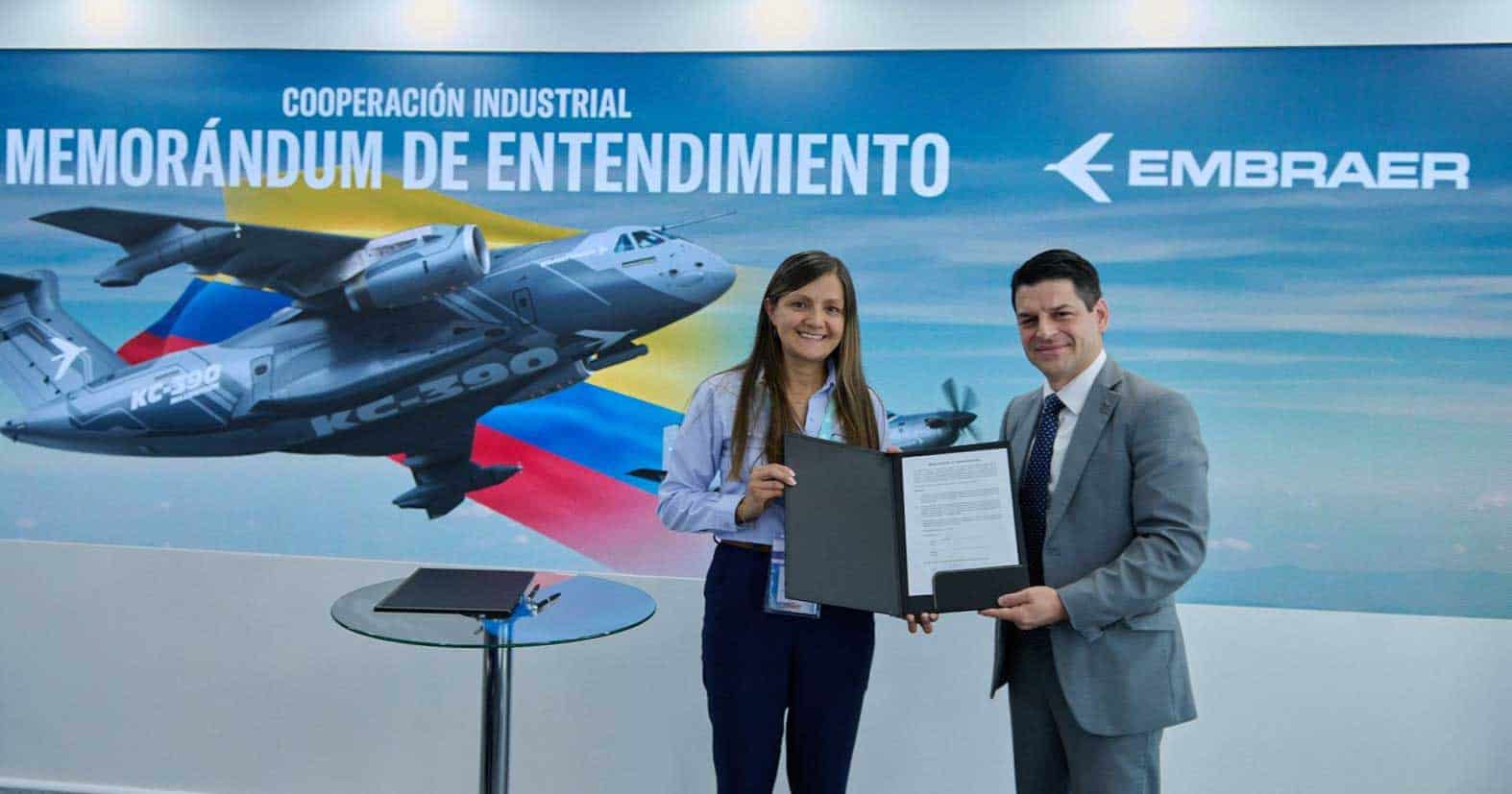
Embraer and Adani strengthen regional aviation in India

0

Integrated ecosystem for regional commercial aircraft

The aviation industry in India is on the cusp of a groundbreaking development: Leading companies Embraer and Adani Defence & Aerospace have decided to establish an integrated ecosystem for regional transport aircraft through close collaboration. This strategic undertaking aims to strengthen domestic aircraft production and development, thereby supporting ambitious national programs such as the Regional Transport Aircraft (RTA) and the Aatmanirbhar Bharat and UDAN initiatives. The cooperation combines technological expertise and industrial capacity to shape the future of India’s regional aviation sector sustainably.

Collaboration between Embraer and Adani Defence & Aerospace

The agreement between Embraer, a global aerospace company, and the Indian market leader Adani Defence & Aerospace, including a Memorandum of Understanding, pursues clear objectives: the establishment of a production line for regional commercial aircraft and the gradual increase of indigenous labor in production. By combining Embraer’s extensive expertise in aircraft development and manufacturing with Adani’s broad portfolio of infrastructure, maintenance, repair and overhaul (MRO) and pilot training capabilities, a comprehensive value chain can be created. This covers all phases from manufacturing and the supply chain to aftermarket services, thus ensuring a robust and sustainable industrial base for the aerospace industry in India.

This partnership also takes into account the geopolitical component by strengthening strategic ties between India and Brazil. The cooperation is based on the mutual desire to link economic and technological resources and thereby foster the development of regional aviation projects. Especially in times of globalization and increasing international interconnectedness, such coordinated action is gaining importance for remaining competitive and innovative.

Promotion of regional aviation and employment

Regional aviation in India is experiencing strong growth, driven in large part by initiatives like UDAN. These programs aim to establish air transport in smaller cities and rural areas. Aviation acts as an engine for economic development, improving accessibility, accelerating trade flows, and boosting tourism and investment. The development of a regional aviation ecosystem thus offers opportunities beyond mere mobility by broadly improving infrastructure and connectivity.

The planned ecosystem will not only play a vital role in meeting domestic Indian demand but will also create numerous jobs – from highly skilled engineers and manufacturing specialists to logistics and support staff. This aligns with the national goal of self-sufficiency (Aatmanirbhar Bharat) and the strengthening of local industries. Furthermore, the integration of pilot training will provide diverse opportunities for developing young talent in technical and aviation professions, thus ensuring the long-term viability of the aviation sector.

Embraer’s and Adani’s role in the Indian aviation sector

Embraer has steadily expanded its presence in India over many years. With nearly 50 aircraft of various types operating in the commercial, defense, and business aviation sectors, the company demonstrates its deep roots in this dynamic market. Embraer aircraft fly for commercial carriers like Star Air and are also in service with the Indian Air Force, for example, as reconnaissance aircraft. This diverse use underscores the adaptability and high technical standards of Embraer’s products.

Adani Defence & Aerospace is a major player in India’s private aerospace industry. With the country’s largest MRO network and a rapidly growing pilot academy, the company covers significant segments of the aviation value chain. Furthermore, Adani develops its own unmanned aerial vehicle (UAV) technologies and collaborates with security-related institutions, underscoring the company’s strategic importance.

The combination of these two players, through their complementary portfolios, fosters a broad transversality of products and services that extends far beyond aircraft manufacturing and encompasses entire value chains. This creates a crucial foundation for a modern, future-proof aviation industry in India.

Development of the Indian regional aviation industry

The planned partnership between Embraer and Adani Defence & Aerospace marks a significant step in the development of India’s regional aerospace industry. By creating an integrated ecosystem encompassing manufacturing, supply chains, aftermarket services, and training, the aim is to significantly improve regional connectivity in India while fostering technological self-sufficiency. This close collaboration addresses the needs of growing domestic demand, creates skilled jobs, and strengthens India’s strategic position in the international aerospace sector.

By combining their complementary expertise, the two companies support national initiatives for economic strengthening and regional development. This collaboration exemplifies successful industrial cooperation, aligning technological excellence, national priorities, and global partnerships. It thus makes a significant contribution to optimally leveraging the potential of regional aviation as an engine of sustainable growth and securing India’s long-term competitiveness in this promising market segment.

Airbus Helicopters: Increase in helicopter orders in 2025

0

Overview of market developments at Airbus Helicopters 2025

In 2025, Airbus Helicopters achieved remarkable growth with a total of 544 gross orders, corresponding to a net order value of 536 aircraft. This increase underscores the continued strong growth in the helicopter market, both in the civil and military sectors. The order list includes customers from 50 countries, highlighting the international significance of the company and its products. Particularly noteworthy is the strong momentum in the area of ​​unmanned aerial systems (UAS), which represent a significant portion of future market growth. In terms of market share, Airbus Helicopters achieved a 51% share in the civil and public sector while simultaneously increasing its military share to 28%. Deliveries totaled 392 helicopters, demonstrating solid production performance.

Key customer orders and product variety

The year 2025 was marked by significant government contracts, highlighting the strategic focus on defense and security. Spain underscored its commitment with an impressive order for 100 helicopters, including 50 H145Ms, 31 NH90s for all three branches of the armed forces, and the first-ever order for H175M models. This demonstrates the breadth and flexibility of the Airbus helicopter fleet in military operations. Germany increased its modernization efforts by taking an option for 20 additional H145Ms, bringing its total to 82 helicopters, with initial deliveries already underway. The NH90 program also saw new developments: the Netherlands added three helicopters to its fleet, and Greece signed a major follow-up support contract. Germany also received its first NH90 Sea Tiger, the latest evolution with state-of-the-art anti-submarine and surface warfare capabilities.

The versatility of the Super Puma family was particularly evident in the eight H215s ordered for commercial firefighting operations in Greece. The H225M reached a significant milestone with a contract for ten aircraft to Morocco and the first deliveries to Iraq. The light twin-engine helicopter segment also proved robust: Spain ordered 13 H135s, while the UK National Police Service ordered seven. With 149 orders, the H145 once again cemented its status as the best-selling model in the civilian, public service, and military markets.

Technological innovation and new product developments

A new chapter in vertical aircraft development was opened at VERTICON 2025 with the unveiling of the H140. This light, twin-engine helicopter represents the next generation and incorporates modern “technological bricks,” including a T-tail configuration, which has already resulted in 61 firm orders. At the same time, the Racer project caused a stir by exceeding its initial performance targets and achieving a cruising speed of 440 km/h (240 knots). This result confirms Airbus’s ability to combine speed with a simpler, aerodynamically optimized design.

In parallel, the portfolio in the area of ​​tactical drones was expanded through the integration of Survey Copter. Airbus concluded its first contracts for unmanned aerial systems (UAS) with partners such as Drone Forge and the European Maritime Safety Agency, who opted for the Flexrotor model. The French Ministry of Defence ordered six VSR700s, which will be used as part of the pioneering HTeaming concept. This enables seamless, real-time collaboration between manned and unmanned systems, thereby multiplying mission capabilities.

Progress on the H160 program and expansion of its operational profiles

The military counterpart of the H160, the H160M “Guépard,” successfully completed its maiden flight in July. In the civilian sector, the model confirmed its market entry, achieving approximately 50% market share in the medium twin-helicopter class in both the civilian and public service sectors. The first version for law enforcement was delivered to the French Gendarmerie Nationale. Furthermore, its operational versatility has expanded: the fire departments of Hiroshima and Nagoya in Japan adopted the model for firefighting, and the US energy provider PHI Aviation began offshore operations. The H175 received 15 orders in 2025, solidifying its position in the super-medium helicopter segment.

Expansion of global production capacities

The enormous market demand necessitated an expansion of Airbus Helicopters’ industrial base, which is why construction began in 2025 on another final assembly line (FAL) in Vemagal, Karnataka, India. This site will open shortly and represents the fourth FAL worldwide for the H125. With this investment, Airbus reaffirms its commitment to the Indian market and strengthens the resilience of its global supply chain, which is crucial for the on-time delivery to numerous customers.

Civilian and military missions ensured

The year 2025 was marked by strong growth, significant customer orders, and numerous innovations for Airbus Helicopters. The diverse helicopter models, combined with advancements in unmanned aerial systems, reflect the company’s focus on future-oriented technologies and enhanced operational capabilities. The combination of modern technology, strategic partnerships, and a sustainable expansion policy for production facilities ensures competitiveness and positions the company as a leading provider in a dynamically evolving market. This guarantees efficient and effective support for a wide range of civil and military missions in the future.

Egypt holiday: Fly to the Red Sea with Corendon Airlines

Exciting discoveries in and around Hurghada and Sharm el Sheikh – A comprehensive travel guide

The Red Sea, with its seemingly endless sandy beaches and some of the most beautiful diving and snorkeling spots, is a top choice for many holidaymakers in Egypt. Cities like Hurghada and Sharm el Sheikh offer a wide variety of excellent hotels in different price ranges. However, it would be a shame to spend your entire holiday at the resort or solely on and under the water, as both destinations also offer exciting opportunities for exploration. Furthermore, Corendon Airlines ensures a relaxed journey with numerous nonstop flights from Germany and Austria.

Another reason why Egypt is such a popular travel destination is the wide range of activities that await holidaymakers in the region. From water sports to cultural experiences, there is something for everyone. For example, adventure seekers can try windsurfing or kitesurfing, while those interested in culture can take part in guided tours to ancient ruins and monuments.

Another highlight of Hurghada is the opportunity to take excursions to the pristine islands in the Red Sea. These boat trips offer not only breathtaking views of the coastline but also the chance to snorkel in crystal-clear waters and explore the vibrant underwater world. A popular destination for such excursions is Giftun Island, known for its spectacular coral reefs and diverse marine life.

Hurghada: Sand sculptures, mini-Egypt and lost places of antiquity

More than 90 percent of Egypt is desert. A stroll through Sand City Hurghada demonstrates just how creatively sand can be used. Here, visitors can admire beautifully crafted sand sculptures ranging from Caesar and Cleopatra to Pippi Longstocking and the Transformers. For those who want to delve deeper into Egyptian history and culture in Hurghada without taking a full tour, Mini Egypt Park is the perfect destination. The Pyramids of Giza, the Temple of Hatshepsut, and many other structures and statues for which the country is world-famous are gathered here in miniature – offering countless opportunities for the perfect Egyptian holiday photo.

Egypt
Egypt (© Corendon Airlines)

For those wishing to explore the desert, there is also the option of staying overnight in a Bedouin camp. Here, visitors can experience the traditional Bedouin way of life, including their cuisine, music, and customs. Such an experience not only offers a fascinating glimpse into the local culture but also the chance to enjoy the sparkling starry desert sky.

A trip beyond Hurghada’s city limits into the desert by quad bike, jeep, or on horseback is also worthwhile. The landscape reveals itself to be incredibly diverse, as a hike through the rock formations of the Dry Canyon (Wadi Belli; often also called Kingsman Canyon) impressively demonstrates. Surprisingly for many, some marine fossils can even be seen here, as the Red Sea once extended far inland. The remains from the time when the Romans were present in Egypt are also fascinating. Their forts and the Mons Claudianus quarry are remarkable witnesses to this era, which dates back some 2,000 years.

In addition to its natural beauty, Sharm el Sheikh also offers a wide range of leisure activities. Visitors can relax on the lively beaches of Naama Bay, where numerous restaurants and bars serve delicious food and refreshing drinks. The nightlife here is equally vibrant, with many clubs and lounges open until the early hours of the morning.

Another worthwhile excursion is a boat trip to the famous Ras Mohammed National Park. Here, visitors can not only enjoy the breathtaking scenery but also take the opportunity to discover the fascinating underwater world while snorkeling. The colorful variety of corals and fish makes this place a true paradise for snorkelers and divers.

Sharm el Sheikh: Between the Sinai Mountains, national park and oriental flair – An unforgettable experience

At the southern tip of the Sinai Peninsula, Sharm el Sheikh combines the vastness of desert and mountain landscapes with the intense blue of the Red Sea. Beyond the hotel complexes, the city reveals numerous facets: In the center, shops, cafes, and markets invite visitors to stroll, while buildings like the Al-Mustafa Mosque, with their magnificent architecture, dominate the cityscape. The Farsha Cafe adds a special touch, perched on a terraced cliff overlooking the sea, and particularly captivating in the evenings with its oriental ambiance, warm lantern light, and sweeping views across the water.

Just a short drive from Sharm el Sheikh lies Ras Mohammed National Park, one of Egypt’s most famous nature reserves. Striking coastal formations, salt lakes, and diverse flora and fauna make the area a scenic highlight.

A trip to the Sinai Mountains is a truly special experience. After about a two-hour drive, visitors reach Mount Sinai, which plays a significant role in several religions and is considered the place where Moses received the Ten Commandments from God. The real highlight is the ascent in the very early morning hours, rewarded with a spectacular sunrise over the landscape. At the foot of the mountain lies St. Catherine’s Monastery, one of the oldest continuously inhabited Christian monasteries in the world and now a UNESCO World Heritage Site. The complex fascinates visitors with its early Christian architecture and richly decorated church interiors, which convey the long religious and cultural history of this place.

Cobra Warrior: Future of the Eurofighter NATO air combat exercises

0

Eurofighter at its core

Modern military cooperation faces the challenge of uniting Europe’s diverse air forces to develop and refine joint defense strategies. Large-scale exercises are particularly important in this regard, demonstrating not only the technical capabilities of the various aircraft but also their tactical integration and the interaction of multinational units. Such an event represents one of the most extensive and complex air combat exercises in Europe and offers insight into future military scenarios. The focus is on state-of-the-art fighter jets, with a crucial role played by certain multirole combat aircraft that form the core of these multinational operations.

Record-breaking cooperation and comprehensive deployment scenarios

The exercise spanned three weeks and united air forces from several NATO countries and allied nations. Various air forces, including those of the British, Italian, German, Canadian, and Americans, participated. Up to seventy aircraft were deployed simultaneously. The operational areas were primarily over the United Kingdom and adjacent regions of the North Sea. The total number of aircraft involved included fighter jets, reconnaissance aircraft, heavy transport aircraft, helicopters, and approximately 300 ground troops operating in northern England. A highlight was the simultaneous flight of up to eighty aircraft during certain missions – a figure that underscores the significance of this exercise on the European continent.

The multirole combat aircraft played a particularly central role. Each day of the exercise saw between thirty and forty of these jets deployed from several air force bases, with Italian and German squadrons, for example, stationed in Great Britain to facilitate even closer cooperation. This close networking primarily fostered mutual understanding and interoperability between the various forces. The operations commander of an Italian squadron emphasized the importance of this experience, as the joint preparation for real missions significantly expanded the pilots’ operational capabilities.

Versatility of the aircraft used and international cooperation

The multirole combat aircraft deployed impressed not only with its technical capabilities but also demonstrated a broad mission spectrum during the exercises. This ranged from maintaining air sovereignty and escorting other aircraft to the use of cruise missiles and guided and free-fall weapons. Additionally, the jets provided precise close air support to ground troops. These missions were often carried out in close cooperation with other modern-generation aircraft, including American F-15E Strike Eagles, F-35A Lightning IIs, and B-52 strategic bombers operating from a British base.

The participation of these fighter jets in such diverse missions underscored their leading position in European airspace. For both the pilots and the command staff, this exercise was a unique opportunity to test the capabilities of the weapon system under realistic and demanding conditions, to complete complex threat scenarios, and to optimize the interaction of different weapon systems.

Future outlook: Integration and interoperability as the key to security

The exercise impressively reflected the dynamic changes within European air forces. With the planned deployment of over 500 state-of-the-art, latest-generation multirole combat aircraft, as well as a comparable number of proven fourth-generation aircraft, the integration of these different platforms is becoming increasingly important. In particular, it demonstrates that the successful combination of aircraft from different generations can only be achieved through consistent harmonization of tactics and improved cooperation.

The exercise offered a virtually unparalleled opportunity to practice this integration and establish common standards. It became clear to all participating nations that the ability to interoperate and share tactics are crucial factors for the success of future coalitions. These conclusions are essential elements of sustainable security strategies and underscore the vital importance of multilateral cooperation in the age of modern air warfare.

Cobra Warrior: One of the largest and most complex air force exercises in Europe

Modern air combat exercises, uniting numerous European and international air forces, provide an important platform for enhancing operational capability and cooperation in a military context. The participation of highly advanced multirole combat aircraft in these complex and large-scale scenarios, in particular, demonstrates not only their high performance capabilities but also the increasing importance of integrating various weapon systems to ensure effective air operations. The lessons learned from such exercises lay a solid foundation for future military cooperation and the further development of common standards.

This underscores the relevance of joint military exercises not only as an opportunity for technical testing, but above all as an indispensable instrument for fostering team spirit, trust, and coordinated action among different armed forces. Modern European defense strategy is significantly influenced by this capability, meaning that future successful operations must be measured by the quality of joint training based on this foundation.

DRF Luftrettung reports a positive annual balance with 36,407 missions.

0

A total of 36,407 missions were carried out by helicopters and airplanes.

Air rescue is an essential part of Germany’s rapid and effective emergency medical services. It enables patients in critical situations to receive medical care and be transported within the shortest possible time. The figures from DRF Luftrettung (German Air Rescue) over the past few years impressively illustrate the increasing relevance of this service: In 2024, a total of 35,850 missions were recorded, representing an increase of 1.6 percent compared to the previous year. The rise in missions at night is particularly noteworthy, indicating a growing need for 24-hour emergency assistance. This development underscores the ongoing contribution of air rescue to high-quality and rapid medical care, especially in time-critical situations.

Role of modern technology and diagnostics at the scene of an incident

The effective care of patients in emergency situations depends significantly on the quality of on-site diagnostics and initial treatment. DRF Luftrettung therefore utilizes state-of-the-art medical technology to ensure a precise and rapid assessment of the patient’s condition. This includes the use of mobile ultrasound devices, which allow for the immediate detection of internal injuries and bleeding. Similarly, since 2023, small, portable blood gas analyzers have been in widespread use, providing diagnostic results at the scene that previously required extensive laboratory testing.

These point-of-care technologies enable timely and targeted initiation of therapy and the selection of the ideal receiving hospital for the patient. This not only improves the chances of survival but also reduces the length of hospital stay and the need for rehabilitation. Furthermore, innovative research projects, such as those for the early diagnosis of cerebral hemorrhages through protein blood tests, support the continuous optimization of emergency medical care.

Challenges and demands for the future of emergency care

Despite advanced technology and increasing mission numbers, air rescue services still face challenges. The expansion of comprehensive 24-hour emergency medical services is recognized as a particularly urgent need. Currently, crews are on call around the clock at 13 stations, and two additional stations offer extended operating hours. Nevertheless, the increasing number of missions at night, especially during the autumn and winter months, demonstrates that the availability of nighttime air rescue services is not yet sufficient across the board. From a technical standpoint, most stations are equipped for night flights, necessitating a political decision to extend operating hours and implement 24-hour air rescue services to meet the needs of the population.

DRF Air Rescue mission statistics for 2025, broken down by station
DRF Air Rescue mission statistics for 2025, broken down by station (Source: DRF Air Rescue)

Darüber hinaus fordert die DRF Luftrettung eine konsequente Reform der Notfallversorgung, die eine bessere Vernetzung aller Akteure über Landkreis- und Bundeslandgrenzen hinweg ermöglicht und die Digitalisierung des gesamten Rettungssystems vorantreibt. Auch gesetzliche Anpassungen sind notwendig, um Einsätze bei widrigen Wetterbedingungen rechtssicher zu gewährleisten und somit die Verlässlichkeit der Luftrettung weiter zu steigern.

Fleet modernization: Focus on safety and efficiency

Another important aspect for the quality of air rescue services is the technical equipment of the helicopters used. DRF Luftrettung operates one of the most modern helicopter fleets in Europe, with its H145 and H135 models. These aircraft are characterized by their versatile dual-use capabilities – they are equally suitable for rapid emergency response and complex intensive care transfers between hospitals. Their high payload capacity allows for the transport of additional medical equipment or the deployment of specialized teams, for example, for the care of children.

Modern technology, including the Helionix cockpit, four-axis autopilot, and anti-collision system, ensures increased flight safety even in difficult weather conditions and during night flights. The cooperation with Airbus Helicopters will result in the acquisition of ten additional H140 helicopters, thus continuing the fleet modernization with a focus on the future.

Importance of air rescue in complex emergencies

The urgency of air rescue is particularly evident in cases of serious injuries or illnesses, which is why cardiovascular diseases such as heart attacks and strokes are the most frequent reasons for call-outs. Helicopter crews also prove indispensable in accidents and at locations difficult to access in challenging terrain, thanks to their use of rescue winches. These winches often enable the rapid extrication and initial medical care of patients, which is crucial, especially in time-critical situations. Furthermore, DRF Assistance, with its air ambulance team, recorded a significantly increased number of worldwide patient repatriations in 2024, underscoring the international importance of air rescue.

Day/Dark missions of DRF Air Rescue 2025
Day/Dark missions of DRF Luftrettung in 2025 (Source: DRF Luftrettung)

Consequences of the accompanying measures for the healthcare system

A well-functioning air ambulance system has a lasting positive impact on the healthcare system. Early, precise diagnosis and immediate care at the scene shorten hospital stays and reduce the need for extensive rehabilitation. This relieves the burden on the healthcare sector and lowers the overall costs associated with treating seriously ill or injured patients. At the same time, efficient emergency care increases patient satisfaction and trust in the healthcare system. Professional and reliable air ambulance services ensure that an adequate level of medical assistance is guaranteed even in structurally weak or remote regions.

Conclusion and outlook

Air rescue services in Germany are of a high standard, as evidenced by the increasing number of missions, the consistently high quality of medical care, and the continuous modernization of technical equipment. However, the growing demands of more frequent missions at night and more complex emergencies make it clear that expanding night and 24-hour air rescue services is urgently needed. DRF Luftrettung’s demands for reforming emergency care and improving the networking of all stakeholders aim to increase the overall effectiveness and efficiency of the rescue system.

With continuous fleet modernization and the use of innovative medical technology, the organization is well-positioned for the future. Collaboration with political decision-makers will be crucial in shaping legal frameworks and funding so that air rescue can secure and expand its vital role in the German healthcare system in the long term.

Munich Airport: New Terminal 1 Pier for more comfort & capacity

0

Opening of a new pier at Terminal 1

Munich Airport will take a significant step forward with the opening of a new pier at Terminal 1 on April 13, a move that secures the future viability of the air transport hub. This construction project will substantially expand the existing infrastructure and, in particular, improve handling capacity for non-Schengen flights. The investment in a modern pier not only symbolizes an expansion of spatial capacity but also represents a qualitative improvement in terms of passenger comfort, technical equipment, and sustainability. Against the backdrop of the challenges of recent years, especially the pandemic-related restrictions, the realization of this project demonstrates the airport’s determination to consolidate its position as a key transport hub in Bavaria and Germany.

Expansion of capacities and infrastructure

The new structure extends approximately 360 meters into the western apron and covers an impressive area of ​​around 95,000 square meters. This expansion is considered one of the largest infrastructure projects in Bavaria and is designed to increase capacity by up to six million passengers annually. This additional space will allow for the simultaneous handling of up to twelve short- and medium-haul aircraft, or alternatively, six wide-body aircraft. The investment for this future-oriented project amounts to approximately 665 million euros, which the airport has financed entirely on its own.

The terminal’s expansion not only increases capacity but also meets modern requirements for process optimization, passenger flow, and comfort. Modern check-in areas are spread across six levels, three of which are specifically designed for passenger processes. Centralized security checkpoints utilize the latest CT technology, ensuring both efficiency and a high level of security. The design also incorporates spacious waiting areas and creates a pleasant atmosphere with attractive retail and dining options. Finally, the new pier offers discreet relaxation and quiet spaces tailored to the needs of different passenger groups.

Integration of technology and sustainability

The technical design of the new pier at Munich Airport is characterized by high standards of energy efficiency and sustainability. Modern plant and system technology is being used, aiming to significantly minimize resource consumption and thus reduce environmental impact. This commitment seamlessly integrates with Munich Airport’s strategic goal of being an environmentally conscious and functional air traffic hub.

Furthermore, digitalization has also found its way into process design. Innovative digital solutions allow passengers to be guided more efficiently through the various terminal stations, reducing waiting times and optimizing flow control. The clear wayfinding and user-friendly signage were already highlighted by test passengers during the trial phases. These measures thus set a new standard in service quality and also support the work of airline staff, security personnel, and terminal operators.

Comfort and exclusive lounge offers at Munich Airport

A key feature of the new terminal is the integration of exclusive lounges as retreats for travelers. The new Airport Lounge World, operated by Munich Airport GmbH, offers approximately 1,200 square meters of spacious seating areas with a diverse culinary selection, a bar on the gallery level, and dedicated zones for children and workspaces. The lounge’s location is particularly noteworthy, offering impressive views of the apron and towards the Alps.

As a second highlight, an exclusive Emirates lounge has been established, offering guests luxurious comfort across approximately 900 square meters while they wait. These amenities meet the demands of discerning passengers and significantly contribute to enhancing the airport’s appeal. This not only expands the functionality of the new concourse but also provides a substantial upgrade in service quality.

Preparation and operation: The extensive trial operation

To ensure a smooth start, a comprehensive testing phase was conducted from October of the previous year, prior to the official commissioning. This trial phase involved employees of all participating organizations as well as over 1,500 extras. These realistic test runs allowed for the testing of procedures, flows, and emergency responses under practical conditions over several months.

In addition, two large-scale emergency drills were conducted to test teamwork in critical situations. These simulations yielded valuable insights for optimizing operational organization and technical equipment. The clear and intuitive design of passenger routes, including the digital process integration, was particularly praised and received overwhelmingly positive feedback from the test passengers.

Further test runs are planned, particularly to integrate arrival processing and new EU regulations. One example is the Entry/Exit System, which has been in use at Munich Airport for non-Schengen passengers since last year. Early practical testing ensures rapid and straightforward implementation while simultaneously guaranteeing security and data protection.

Capacity increase by several million passengers per year

With the opening of the new pier at Terminal 1, Munich Airport has successfully expanded its infrastructure in several key ways. The increase in capacity by several million passengers per year responds to rising demand in air travel and secures the airport’s competitiveness both nationally and internationally. The focus here is on improvements in quality, efficiency, and passenger experience.

The combination of state-of-the-art technology, digitally optimized processes, sustainable energy efficiency, and comfortable lounges means that Munich Airport is setting new standards. Thorough preparation through intensive trial runs ensures a stable and pleasant initial operation. The project serves as an exemplary demonstration of how major infrastructure projects in air traffic can be implemented today in an innovative, sustainable, and user-oriented manner to meet growing demands and significantly enhance passenger comfort.

Emirates plans new cabin crew village in Dubai

0

Introduction to the Emirates Cabin Crew Village

Emirates, one of the world’s leading airlines, announces a significant development with Dubai Investments Park (DIP). The airline has launched a forward-looking project specifically designed as a residential complex for its cabin crew. This “village” represents a substantial investment in infrastructure and employee well-being and is designed to meet the needs of up to 12,000 cabin crew members. Through collaboration with an established partner in the real estate and investment sector, Dubai Investments, the project not only creates an ideally located property but also a residential community that meets modern requirements and facilitates the daily lives of the crew.

This initiative underscores Emirates’ strategic focus on increasing employee satisfaction through high-quality housing options, while simultaneously supporting the expansion and relocation of operations such as the planned Al Maktoum International Airport. With a long-term lease model and meticulously planned development, the project will meet the highest standards of living comfort, functionality, and community life.

Concept and equipment of the cabin crew village

The new cabin crew village is being built on a spacious site in Dubai Investments Park, one of the largest and most integrated development areas in the United Arab Emirates. The complex comprises 20 residential buildings, each with 19 floors, offering a variety of apartment types – from one-bedroom to two-bedroom to three-bedroom apartments – to cater to the diverse lifestyles of crew members. This differentiated housing selection is specifically tailored to the needs and lifestyles of cabin crew, placing a strong emphasis on comfort and functionality.

In addition to private living spaces, the project includes extensive communal areas and multifunctional facilities. A specially designed lifestyle center will feature retail spaces, various restaurants, and other dining options. These will be complemented by modern fitness facilities and medical clinics that support employee health management. For leisure and recreation, the area offers spacious parks, landscaped areas, pools, and walking paths that promote an active and health-conscious lifestyle.

The infrastructure is designed so that each residential building has its own dedicated facilities to ensure short distances and easy access to all essential services. This thoughtful planning fosters a high quality of life and strengthens the sense of community, which is crucial for employee integration and well-being.

Strategic importance and future prospects

The project is closely aligned with Emirates’ long-term operational objectives. Its location offers a consistent distance to both Dubai International Airport (DXB) and Dubai World Central (DWC), ensuring flexible access to key transport hubs. This advantageous geographical position allows Emirates to optimally position its employees for upcoming transitions and anticipated capacity expansion.

Furthermore, the investment in this particular housing project represents a clear strategy for employee retention and strengthening the company culture. The cabin crew, who play a central role in the airline’s service experience, are directly placed at the center of this initiative. High living comfort and the promotion of a sense of community contribute significantly to the crew’s satisfaction and performance.

For Dubai Investment Park (DIP), the cooperation with Emirates further enhances its attractiveness as a business and residential location. The integration of such a significant project strengthens DIP’s position as a hub for visionary investments and innovative community models, generating positive long-term momentum for the entire region.

Role of Dubai Investments and economic context

Dubai Investments, an established investment and development company, plays a central role in the realization of the cabin crew village. With its extensive expertise in real estate and mixed-use projects, the company ensures sustainable and successful implementation. Dubai Investments manages a comprehensive portfolio across various sectors, ranging from real estate and industry to healthcare, education, and services.

Dubai Investments’ involvement in this project aligns with its strategic focus on sustainable growth and diversification. The development of the residential complex for Emirates seamlessly integrates into the large-scale mixed-use approach of Dubai Investments Park, which combines industry, logistics, commerce, and residential space. Furthermore, the use of a long-term leasehold model meets the requirements of modern real estate strategies, ensuring financial security and long-term partnerships.

The economic significance is also noteworthy: In addition to housing, the project generates new jobs and supports the local economy by creating service offerings and leisure opportunities. Overall, the investment contributes to a higher quality of life in the region and supports Dubai’s vision of serving as a global hub for business and innovation.

Conclusion on the Emirates cabin crew village and its impact

The new residential project for cabin crew marks a milestone for Emirates and Dubai Investments Park in promoting employee well-being and sustainable human resources practices. Through thoughtful planning of living and communal spaces, an environment is created that is ideally suited to the specific needs of an international crew while simultaneously meeting modern standards in lifestyle, health, and comfort.

The strategic location ensures optimal connections to the airports and underscores the airline’s long-term planning security and growth prospects. Likewise, Dubai Investments Park benefits from the establishment of such a significant international company and its employees. Thus, the project not only creates valuable living space but also fosters economic dynamism and social integration.

This comprehensive investment in the future reflects Emirates’ commitment to its employees and sets a benchmark for innovative housing concepts in the aviation industry. The synergy of well-designed infrastructure, a vibrant community, and sustainable regional development makes the Cabin Crew Village a pioneering example.

With its planned completion from 2029 onwards, the cabin crew village exemplifies a future-oriented corporate strategy that integrates innovative social responsibility alongside growth – a pioneering model for the global aviation and real estate sector.

The legendary Concorde: Heritage and innovation at Air France

0

Introduction to the history of the Concorde

The fiftieth anniversary of the airline’s first commercial Concorde flight marks a significant milestone in aviation history. Air France is honoring this extraordinary event with an exclusive documentary film, offering, for the first time, comprehensive insights into the history and significance of the Concorde. This aircraft, a technological masterpiece and a symbol of innovation and excellence, made aviation history and continues to profoundly shape the identity of Air France.

The Concorde represents technological innovation, aesthetic elegance, and cultural prestige. Beyond being a mere means of transport, it decisively shaped the image of civil aviation. During its active service, it combined speed and comfort in a way that was unparalleled worldwide. In the documentary, released exclusively on Air France’s YouTube channel, contemporaries and experts who experienced this legend firsthand share their insights.

Documentation as a bridge to the past

The film, titled “Concorde Air France: They Made the Legend Fly,” features eyewitness accounts from former employees who played a crucial role in the project’s success. Five individuals—a pilot, two flight attendants, a mechanic, and a lounge agent—share their personal experiences and anecdotes, highlighting the unique nature of Concorde operations. These personal insights complement historically valuable archival footage and private photographs previously unseen by the public.

The film was shot at the French Air and Space Museum in Le Bourget. There, a Concorde is on display as a cultural and historical exhibit, making it one of the few places in the world where visitors can experience this iconic aircraft up close. Particularly noteworthy is the open access to the cockpit, which is normally closed to the public. The interior, designed by renowned designer Andrée Putman, reflected its timeless elegance and was a distinctive feature of the cabin.

This film goes beyond a mere retrospective. It illustrates how the Concorde was lived and experienced within the Air France organization, highlighting the importance of customer service and technology alike, and thus preserving an important chapter of aviation history.

Technological masterpiece and cultural symbol

As a supersonic passenger aircraft, the Concorde set new standards in speed and design. With its ability to fly at Mach 2, or approximately 2,180 km/h, it left conventional airliners far behind. Technologically, it was a challenge: from engine technology and construction to materials and safety concepts, it met the highest standards. The collaboration between France and Great Britain demonstrated internationally exemplary expertise that is still recognized in aviation today.

This innovation was more than just a technical achievement. With luxurious interiors, exclusive lounges like Air France’s Concorde Lounge, and first-class service, it set new standards for the flying experience. The exclusivity of these journeys could be culturally assessed as an expression of social prestige and technical sophistication.

After more than two decades of service, it permanently shaped Air France’s image as one of the leading international airlines, combining technological advancement with customer focus. Even though the Concorde’s operations ended in 2003, its legacy lives on and continues to inspire future developments in civil aviation.

The first commercial Concorde flight and its legacy

The first commercial Concorde flight took place on January 21, 1976, from Paris to Rio de Janeiro via Dakar. This flight marked the beginning of a new era of jet travel, combining speed with a high level of comfort and prestige. The routes were carefully chosen to connect global metropolises and proved highly popular with an affluent clientele.

The legacy of the first flight and the entire Concorde era is not only fascinating from a technical perspective, but also of outstanding importance as part of French aviation and cultural history. This anniversary serves to further celebrate this legacy and to instill in younger generations an awareness of this innovative milestone.

The documentary contributes to this tribute by preserving the collective memory of the achievements and the passion of the people behind this ambitious project. It shows how technological innovation, customer service, and cultural prestige came together to shape the unique experiences of Concorde customers.

The special documentary is more than a nostalgic retrospective.

The film produced by Air France to mark the fiftieth anniversary of one of the most significant milestones in aviation history is far more than a nostalgic retrospective. It documents the unique combination of highly advanced technology with a first-class customer experience. Through the accounts of former employees, viewers gain a new perspective on the challenges and successes of this exceptional aircraft.

Furthermore, the historical and private footage presented in the film illustrates the multifaceted nature of the Concorde as a symbol of progress and elegance. This documentary contributes to preserving the Concorde’s legacy worldwide and provides an important impetus to ensure that the history and innovation of this iconic aircraft are not forgotten.

The Concorde’s legacy remains a precious part of French aviation identity, reflecting Air France’s commitment to blending innovation and tradition. This anniversary highlights how a technological triumph became a cultural phenomenon, continuing to inspire modern aviation. The project’s uniqueness lies not only in its impressive engineering but also in the passion of the people who made it possible to launch the “Great White Bird,” creating an unparalleled legend of civil aviation.

Hanover Airport: Summer flight schedule has new destinations and increased frequencies

Introduction to the summer flight schedule at Hanover Airport

The summer flight schedule at Hanover Airport features attractive new additions that will appeal to both leisure and business travelers. The steady growth in flight offerings signals improved accessibility to European and international destinations from Hanover Airport. With the addition of new destinations and increased flight frequencies on existing routes, HAJ continues to develop into a major transportation hub. These expansions not only offer a greater variety of destinations but also improve connections to key regional and long-distance destinations.

By integrating additional flight routes and optimizing connection times, Hanover Airport offers a wide range of holiday destinations in the Mediterranean, attractive city breaks, and new opportunities for travelers looking to escape the winter. Airlines such as Eurowings, SunExpress, SAS, SkyAlps, Turkish Airlines, British Airways, TUI fly, and Corendon play a key role in this, significantly expanding the tourist and business network from HAJ.

New destinations and increased frequencies: Mediterranean and beyond

At the heart of the expansion are two attractive Mediterranean port cities, newly served from Hanover: Nice in France and Alicante in Spain. Eurowings offers direct connections to these destinations, providing travelers with easy access to sunny holiday spots with Mediterranean flair. These new routes invite passengers to discover the cultural diversity, beaches, and culinary specialties of the regions.

Furthermore, SunExpress is adding Edremit, Turkey, to its schedule, offering two weekly flights starting in summer 2026. This will make the Turkish destination, particularly popular for its coastal regions, directly accessible from Hanover. This service underscores the airport’s strategic importance as a bridge between Europe and Turkey.

Other tourist destinations also remain on the schedule: SkyAlps continues to fly to Bolzano, the popular holiday destination in the heart of South Tyrol, with flights every Monday and Thursday. The popular destination of Lisbon is also back in the program, with connections on Tuesdays, Thursdays, and Saturdays. This resumption of flights demonstrates the demand for cultural city breaks and offers an attractive alternative to classic beach destinations.

In parallel, established airlines are increasing their frequencies on existing routes. SAS is increasing flights to Copenhagen from two to three daily connections, making commuting and travel to the Danish capital easier and improving connections to international partners. Eurowings is also increasing its service to Stockholm and Pula, also with three flights per week starting in May. This increase in flight frequencies allows for more flexible travel planning and contributes to the profitability of the routes.

Improved connecting flights and other tourist offers

Aside from new destinations and increased frequencies, optimized flight times are also a focus of the 2026 summer flight schedule. Airlines such as Turkish Airlines and British Airways have adjusted their departure times from Hanover to ensure optimal connections to their global networks. This particularly affects long-haul connections to Asia and America, further strengthening the airport’s international connectivity and making it easier for travelers to plan complex itineraries.

Particular attention is being paid to the tourist flight offerings of TUI fly and Corendon, which are significantly expanding their operations at Hanover Airport. TUI fly is once again basing six aircraft in Hanover, enabling it to considerably expand its program to popular holiday destinations. This applies especially to well-known destinations in the Canary Islands and the Mediterranean. For winter 2026/2027, TUI fly has already been the first airline to publish its winter flight schedule, which includes several weekly flights to Fuerteventura, Hurghada, and Mallorca, as well as daily connections to Gran Canaria and Tenerife. This schedule will greatly benefit those who enjoy winter holidays in warmer regions.

Corendon is also expanding its services by permanently stationing two aircraft at the airport. The program includes 15 direct destinations, including holiday resorts in the Canary Islands, Egypt, and Turkey. From October, capacity will be increased to three aircraft, guaranteeing an even greater variety of destinations and higher capacity. This will also make it easy for travelers from the Hanover area to reach numerous tourist hotspots.

Diverse travel options and optimized connections from Hanover

The 2026 summer flight schedule at Hanover Airport shows a clear trend towards expanding flight offerings, focusing on attractive holiday regions, improved urban connections, and optimized onward connections in international air traffic. The introduction of new routes to Nice, Alicante, and Edremit broadens the range of Mediterranean destinations. At the same time, travelers benefit from increased frequencies to key cities such as Copenhagen, Stockholm, and Pula.

Optimized departure times to Istanbul and London ensure smoother onward flights to international hubs, benefiting both business and leisure travelers. The increased presence of TUI fly and Corendon at the airport further contributes to the development of the tourism offering, particularly with regard to the demand for sunny winter destinations.

Overall, the program reflects the airport’s importance as a central transport hub in Northern Germany, whose expanded flight portfolio caters to the needs of diverse travelers and opens up new perspectives for regional tourism. Easy booking through airlines, travel agencies, or directly via the official website ensures access to these varied destinations.

Based on these developments, it can be assumed that Hanover Airport will further consolidate its role as an important airport for national and international flight connections and that demand will continue to increase in both leisure and business travel.

Vienna Airport: Air freight increased by 8% in the 3rd quarter

0

Growing importance of freight traffic at Vienna Airport

Vienna Airport underscores its role as a major cargo hub for Central and Eastern Europe with impressive results in 2025. From January to September inclusive, a total cargo volume of over 233,000 tons was handled, representing an increase of eight percent compared to the same period last year. This development demonstrates not only the rising demand for air freight but also the growing importance of Vienna as a location for international trade. Belly cargo capacity on long-haul flights and the e-commerce sector developed particularly dynamically, opening up diverse opportunities for the logistics industry.

Vienna Airport’s air freight performance is characterized by a broad range of services and in-depth expertise, which has been continuously expanded over the years. This combination of quality and efficiency is largely responsible for its sustained positive development and solidifies the airport’s position as a key player in European freight traffic. Vienna’s strategically advantageous geographical location allows it to act as a gateway to important economic regions in Central and Eastern Europe, thus generating time and cost advantages in transport.

Growth drivers: cargo hold and pharmaceutical transport

A key factor in the increased freight volume is the growing use of belly cargo capacity in passenger aircraft. By the end of September 2025, nearly 93,000 tons had already been transported in this way, representing a growth of two percent. Demand was particularly strong in the third quarter: belly cargo increased by twelve percent in July, followed by a ten percent increase in August. This growth reflects the increasing integration of freight and passenger traffic, which allows for the optimal use of valuable capacity.

In parallel, import and export volumes have grown significantly. Import volume increased by five percent, reaching over 125,000 tons in the reporting period. Export figures even grew by eleven percent to almost 108,000 tons. These increases reflect the robust demand and strong economic activity in the region. Another key segment is specialized pharmaceutical handling, represented by the Vienna Pharma Handling Center. This center is one of the few specialized facilities for sensitive pharmaceutical transport in Central and Eastern Europe and recorded volume growth of 7.4 percent. The safe and professional handling of temperature-sensitive and high-value products reinforces the airport’s reputation as a reliable partner in the healthcare sector.

Logistics hub with optimal infrastructure and strategic location

Vienna Airport’s geographical location makes it an ideal hub for air freight in Central and Eastern Europe. Its immediate proximity to key economic centers in these regions provides rapid access to consumer markets and production sites. The airport is regularly served by leading international cargo airlines for intercontinental transport, underscoring its integration into the global transport network.

A key advantage is the airport’s 24-hour operational readiness, which enables fast turnaround times and flexible cargo handling. The infrastructure is designed to meet demanding requirements: a total of 10 Category F aircraft parking positions, including those for wide-body aircraft such as the Boeing 747 and the Antonov An-124, are located in close proximity to the terminal buildings. This guarantees short distances and efficient processes for loading and unloading air freight.

The airport is also firmly integrated into the European network of air freight alternative services. This ensures that the most important consumer and economic centers in Central and Eastern Europe can be reached as quickly as possible – within 24 to 48 hours. This rapid accessibility is crucial for time-critical deliveries and strengthens the airport’s competitiveness. Furthermore, with more than 5,400 employees, Flughafen Wien AG is one of the region’s most significant employers, which further contributes to the region’s economic stability.

Future prospects and challenges in the air freight sector

Given the positive developments, the prospects for the air freight sector at Vienna Airport are very promising. The increase in belly cargo capacity and the expansion in e-commerce are opening up new opportunities to further develop and optimize freight traffic. The efficient integration of various logistics segments, from traditional freight transport to sensitive pharmaceutical shipments, is a particular strength of the location.

In addition, the digitalization and automation of processes is playing an increasingly important role. The use of modern technologies can accelerate workflows and reduce error rates, further improving service quality. This is particularly important for time-critical freight and will enable Vienna Airport to consolidate its market position in the long term.

At the same time, the industry faces challenges such as the need for sustainable transport solutions. Environmental regulations, the pressure to reduce CO2 emissions, and the implementation of climate-friendly technologies will be key issues. Vienna Airport is striving to meet these requirements through consistent environmental management measures and the expansion of sustainable infrastructure in order to remain an attractive international logistics hub in the future.

Important air freight hub for Central and Eastern Europe

The performance figures for the current year impressively confirm Vienna Airport’s position as a key air freight hub for Central and Eastern Europe. The significant growth in belly cargo, import and export volumes, and specialized pharmaceutical handling demonstrates that the airport is excellently positioned to meet the increasing demands of global trade.

With its strategic location, high-performance infrastructure, and 24/7 operation, the airport offers an ideal environment for efficient cargo handling. Close connections to leading cargo airlines enable fast and reliable transport to key European economic centers. The combination of long-standing expertise, a modern service portfolio, and an experienced team is the key to meeting future growth opportunities.

In summary, Vienna Airport, as a logistics center of excellence, is a key pillar for the air freight industry in Central and Eastern Europe. The positive developments not only reflect its importance as a cargo hub, but also provide impetus for innovation and sustainable development in the air transport sector.

Maritime surveillance: France orders unmanned Airbus VSR700

Introduction to unmanned aerial systems and their increasing importance

Unmanned aerial systems (UAS) are gaining increasing importance in both military and civilian applications. This growth is fueled by the need for efficient surveillance, reconnaissance, and a wide range of tactical and humanitarian missions. In particular, the further development and integration of UAS technologies in maritime contexts represents a crucial component in strengthening the sovereignty and operational capabilities of modern navies worldwide. The French Ministry of Defence has taken a significant step in this direction by awarding the serial production contract for the VSR700 unmanned aerial vehicle to Airbus Helicopters and the Naval Group. This development demonstrates the commitment to creating state-of-the-art solutions for intelligent surveillance and versatile operational capabilities.

Development and industrial implementation of the VSR700

The VSR700 is based on a proven manned platform, the Cabri G2 from Hélicoptères Guimbal, and has been specifically further developed for unmanned operations. This core technology guarantees a solid foundation in terms of flight performance and aeronautical safety. Through collaboration between the French Navy, the DGA (Direction générale de l’armement), and the Naval Group, the UAS has been prepared for a wide range of missions, with a focus on durability and versatility.

Series production of the six VSR700 systems is scheduled to begin in 2028; a significant milestone made possible by a dedicated industrial infrastructure. This infrastructure allows Airbus Helicopters to meet the specific requirements of its Unmanned Aircraft Systems business unit by scaling efficiently while consistently maintaining the highest standards of aeronautical safety and performance. Close collaboration with the Ministry of Defence ensures that the operational needs of the Navy remain the focus, guaranteeing a reliable and high-performance platform for future missions.

Technical specifications and application roles of the VSR700

The VSR700 is versatile and contributes to expanding the Navy’s reconnaissance and surveillance capabilities. It is primarily designed for ISR (Intelligence, Surveillance and Reconnaissance) missions and is equipped with state-of-the-art equipment such as a surveillance radar, an electro-optical system, and an automatic identification system (AIS). This sensor technology enables detailed situational awareness and target identification over long distances, even under challenging environmental conditions.

The integration of the VSR700 into the Navy’s complex ship systems is carried out, among other things, by the Naval Group, which provides the Steeris® Mission System, a platform adapted to the ship’s command structure. This system ensures that the UAS data is seamlessly integrated into the overall architecture and enables efficient interaction with other ship systems.

Furthermore, the VSR700 is not limited exclusively to military networks. The system’s adaptability allows for civilian applications such as firefighting and disaster relief, where long-range flight and precise monitoring play a crucial role.

Multirole skills and teaming concepts

A key feature of the VSR700 is its multirole functionality. The system can perform a wide range of tasks, from logistical resupply to armed reconnaissance missions, in both maritime and terrestrial environments. This flexibility opens up new operational scenarios that can complement or partially replace traditional manned aircraft, thereby reducing risks to pilots and lowering operating costs.

The VSR700’s ability to collaborate with manned helicopters in so-called HTeaming missions is particularly innovative. This cooperative teaming enables coordinated mission execution, where manned and unmanned systems combine their respective strengths. For example, manned helicopters can perform complex target acquisition, while the UAS takes over additional sensors or attack options, significantly increasing the mission’s effectiveness and flexibility.

Security aspects and future prospects

A key concern in the development and production of unmanned aerial systems is ensuring the highest safety and performance standards. The VSR700 has undergone extensive testing on land and at sea to verify its reliability under a wide range of operating conditions. Compliance with aeronautical safety regulations is just as essential as ensuring interoperability with existing weapon systems and ship architectures.

The deployment of UAS like the VSR700 demonstrates how modern aeronautical systems are transforming maritime surveillance. They enable navies to significantly expand their reconnaissance capabilities without having to fully assume the risks and costs of manned aircraft. In the long term, the development of such systems is likely to influence the strategic planning and execution of major operations and set new standards in hybrid warfare.

The serial production and subsequent deployment of the VSR700 by the French Navy thus represents not only a technological innovation, but also a groundbreaking development for maritime security and the expansion of reconnaissance and operational capabilities. Furthermore, such systems offer potential for international export and civil-military cooperation, underscoring the global significance of this technology.

New era of maritime reconnaissance and surveillance

Unmanned aerial systems like the VSR700 are an essential component of modern naval technology and play a crucial role in expanding surveillance and operational capabilities. By combining robust engineering, advanced sensor systems, and innovative teaming concepts, the VSR700 efficiently meets both military and civilian requirements. Support from the French DGA and the production partnership with Airbus Helicopters and the Naval Group underscore Europe’s growing commitment to the advancement of unmanned systems.

The upcoming integration of the VSR700 into the French Navy’s operational fleet from 2028 onwards marks a significant step towards the deployment of modern drone technology. Its versatile applications, advanced industrial capabilities, and comprehensive sensor suite lay the foundation for a new era of maritime reconnaissance and surveillance. This not only strengthens national security but also fosters innovation and competitiveness in the dynamic global market for unmanned aerial systems.

Emirates A380 Grand Slam demonstrates partnership with tennis

0

A striking connection between Emirates and tennis

Emirates, the international airline known as one of the world’s biggest supporters of tennis, recently unveiled a stunning new livery for its Airbus A380. This livery pays tribute to the airline’s long-standing commitment to tennis and its role as a sponsor of all four Grand Slam tournaments. These tournaments – the Australian Open, Roland-Garros, Wimbledon, and the US Open – are among the most prestigious events in tennis and each boasts unique characteristics and colors, which have been artistically incorporated into the new aircraft design.

The special paintwork encapsulates the visual elements of the Grand Slams by framing each tournament logo with a tennis ball emblem designed in the characteristic colors of the respective event. Thus, the summery blue of the Australian Open, the vibrant red of Roland-Garros, the distinctive greens and purples of Wimbledon, and the striking yellow and blue hues of the US Open impressively represent these tournaments. The result is a vibrant presentation that will delight both tennis enthusiasts and aviation aficionados.

The first flight featuring this new livery departed from Melbourne, Australia, just in time for the opening of the year’s first Grand Slam tournament. The design will have a long-term presence across the Emirates fleet and will be seen on flights to international destinations such as Houston and São Paulo. In doing so, the airline not only promotes the values ​​of tennis – fairness, discipline, and perseverance – but also strengthens its role as an ambassador for the global sport.

Emirates’ extensive involvement in international sport

Emirates pursues a broad sponsorship strategy that extends far beyond tennis. The airline leverages its global partnerships in sports and culture to connect millions of people worldwide through shared passions and exceptional experiences. In tennis, the company’s involvement includes not only the four world-renowned Grand Slam tournaments but also major ATP and WTA events such as the Dubai Duty Free Tennis Championships.

Emirates’ sports sponsorship portfolio encompasses a wide range of disciplines. In horse racing, the airline has a strong presence through its support of the Dubai World Cup and the prestigious Team Godolphin. In golf, Emirates is a partner of the DP World Tour, while cricket is enriched by its involvement in all major ICC tournaments, the ICC Elite Panel of Umpires, and the Lancashire County Cricket Club. Sailing is also a key focus, with support for Emirates Team New Zealand, SailGP, and the Emirates Great Britain SailGP team.

Furthermore, Emirates sponsors basketball teams such as the NBA, Real Madrid, and Beirut Basketball Club, and supports cycling with Team UAE Emirates XRG. The airline even has a presence in Australian football, as exemplified by Collingwood FC. In football, Emirates is a household name thanks to its iconic “fly better” branding, which adorns the kits of leading clubs like Arsenal FC, Real Madrid CF, AC Milan, S.L. Benfica, and Olympique Lyonnais. Emirates is also a Platinum Partner of FC Bayern Munich’s first team and has been the FA Cup title sponsor for nearly a decade. In its home region, the United Arab Emirates, the airline supports the Pro League and is featured on Al Ain FC’s training kit for the 2025/2026 season.

The importance of sports sponsorships for Emirates and tennis

Emirates’ strategic partnerships in sports not only serve as a platform to strengthen its brand awareness, but also promote the values ​​and community that sport embodies. Tennis, with its global Grand Slam tournaments, provides an ideal stage. The symbolic connection through the new Airbus A380 livery underscores the airline’s ongoing commitment to actively supporting and shaping the future of tennis.

In a broader sense, Emirates’ extensive sponsorship of golf, cricket, basketball, and football allows it to reach a large number of fans in diverse locations and cultures. In this way, the company conveys a message of unity and cultural exchange that goes beyond mere entertainment. Participation in and support of major sporting events and teams contribute to enhancing the airline’s global prestige while simultaneously fostering sporting ambitions.

The combination of sport, culture and lifestyle strengthens Emirates’ position as an airline that not only offers comfortable and high-quality travel experiences, but also actively engages in a vibrant and dynamic community defined by sporting fairness and competitive spirit.

Conclusion: Emirates as an ambassador for tennis and a diverse sports partner

The new Grand Slam livery on the Airbus A380 aircraft powerfully symbolizes Emirates’ ongoing commitment to tennis. Through the artistic depiction of the four world-renowned tournaments, the airline creates a visual link to the international tennis cycle, reflecting the passion and dynamism of the sport. The sponsorship portfolio, which spans a wide range of sports, not only strengthens Emirates’ global brand presence but also provides a platform for cultural exchange and community-building experiences.

These activities demonstrate how closely intertwined business and sport are today and how such partnerships can extend far beyond mere advertising. For tennis, this means continuous support in its development and presentation at the highest level, while Emirates further solidifies its role as an innovative and committed partner in international sports sponsorship.

Based on these extensive activities, it becomes clear that Emirates operates not only as an airline, but as an active part of a global community shaped by sporting values ​​as well as cultural and social interactions. These connections make the sponsor and its strong support of sports an integral part of modern, globally networked brand identities.

Delta Air Lines: Fleet modernization with Boeing 787 Dreamliner

0

Introduction to Delta’s Strategic Fleet Modernization

Delta Air Lines has taken a significant step in modernizing its long-haul fleet by placing a direct order for up to 60 Boeing 787 Dreamliners. With the initial acquisition of 30 787-10 aircraft, the airline plans to expand its international long-haul network, particularly across the Atlantic and to South America, while simultaneously renewing its broad base fleet. This decision reflects Delta’s commitment to improving both operational efficiency and the passenger travel experience, while meeting the demands of a growth-oriented air travel market.

An airline’s fleet is not only an operational asset but also reflects its vision for the future. By choosing the 787-10, the largest model in the Dreamliner family, Delta is investing in modern technology that significantly reduces fuel consumption, thus positively impacting the economic and environmental aspects of flight operations. Integrating these jets into the fleet will strengthen Delta’s competitiveness, particularly on international routes that traditionally experience high passenger demand.

Efficiency and innovation: characteristics of the Boeing 787-10

The Boeing 787-10 is distinguished by its capacity of up to 336 passengers and its significantly improved fuel efficiency, with approximately 25% lower fuel consumption compared to the aircraft it replaces. This combination not only enables cost savings in operation but also supports sustainable aviation practices by significantly reducing CO2 emissions per seat flown. The low operating costs per seat make the 787-10 an attractive choice for airlines that prioritize a balance between profitability and sustainability.

In addition to its technical efficiency, the Dreamliner scores points with increased passenger satisfaction. The cabin is equipped with the largest windows among widebody jets, providing more natural light and a more pleasant interior atmosphere. Improved cabin pressurization ensures lower cabin pressure, significantly reducing fatigue on long-haul flights. These factors contribute to an enhanced travel experience and can strengthen customer loyalty.

Impact on Delta’s international expansion and network optimization

The acquisition of the Boeing 787-10 will help Delta strategically expand its international route network and operate existing routes more efficiently, particularly transatlantic connections and flights to South America. Modernizing the fleet will allow for greater flexibility and improved cost management, which is especially beneficial in dynamic markets. Furthermore, these aircraft will enhance the airline’s ability to add new destinations and increase the frequency and capacity of existing routes.

With this investment, Delta is focusing on an aircraft family known for its flexibility: The simultaneous order for the 737-10, another highly efficient model, provides the airline with the tools to modernize its short- and medium-haul fleet as well. This holistic strategy of efficiency, comfort, and sustainability aligns with Delta’s goal of providing a competitive and future-proof flight offering.

Significance of the partnership between Boeing and Delta for the aviation industry

The long-standing collaboration between the two companies has strengthened both Delta as a customer and Boeing as a manufacturer. Currently, Delta operates over 460 Boeing aircraft, covering the diverse requirements of its route network. The expansion of this partnership with the new 787-10 aircraft underscores the importance of mutual trust and technology transfer for a successful business relationship.

Furthermore, this collaboration has positive effects on the labor market, particularly in the United States, where Boeing secures numerous jobs in manufacturing and the supply industry. Investing in new aircraft promotes innovation and technological advancement, which can also have a long-term impact on the competitiveness of the US aerospace industry.

Conclusion: Setting the course for the future of aviation

Delta Air Lines’ order for up to 60 Boeing 787 Dreamliners represents a significant milestone in the airline’s long-term fleet planning. It demonstrates the strategic focus on sustainability, efficiency, and enhanced passenger comfort – three key elements for successful air travel in an era of increasing environmental demands and evolving customer needs.

This investment will enable Delta to significantly improve its market position on transatlantic and South American routes and unlock additional growth opportunities. At the same time, the partnership with Boeing strengthens the innovative capacity of both companies and promotes jobs in the aviation industry.

In an industry characterized by rapid changes and high sustainability requirements, this strategic fleet modernization sends a strong signal for the future and underlines the importance of state-of-the-art technology as a driver of progress and customer satisfaction.

Eutelsat expands OneWeb satellite network with LEO satellites from Airbus

0

Expansion of the LEO satellite constellation for global broadband coverage

The growing global demand for reliable and fast internet has significantly increased the need for innovative satellite solutions, particularly in low Earth orbit (LEO). In response, Airbus Defence and Space has been awarded a contract to manufacture 340 additional OneWeb satellites for the renowned satellite operator Eutelsat. Together with a previous order for 100 satellites in December 2024, this brings the total number of satellites ordered to 440. This expansion ensures the long-term operational continuity of the OneWeb satellite constellation.

Significance of the new satellites for European sovereignty and technology

The new LEO satellites are being manufactured at the Airbus plant in Toulouse, which was recently expanded with a dedicated production line to accommodate higher production rates. Deliveries of the satellites are expected to begin at the end of 2026. This step not only underscores Airbus’s technological leadership in satellite manufacturing but also represents a milestone for European independence in space technology. The ability to provide critical infrastructure and key technologies with independent production capabilities strengthens sovereign access to space infrastructure and supports the sustainable development of the space industry in Europe.

Technological advances and operational continuity for LEO satellite operations

The OneWeb network consists of a constellation of over 600 satellites positioned in 12 tightly synchronized orbits at an altitude of approximately 1,200 kilometers. This constellation enables the provision of high-speed, low-latency internet around the globe. Given the continuous use and aging of the satellites, it is crucial to continuously integrate new units to maintain service quality.

The latest generation of satellites features improved digital channelizers and advanced onboard processing units, enabling more efficient resource utilization and greater operational flexibility. This technical optimization results in increased lifetime and improved constellation performance. Furthermore, the modern satellite architecture opens up new possibilities for innovative business models, such as carrying payloads, allowing for commercial and scientific applications on a single platform.

The partnership between Airbus and Eutelsat is the key to success

The long-standing collaboration between the European space company and Eutelsat is of great importance for the development and expansion of LEO satellite networks. Alain Fauré, Head of Space Systems at Airbus, emphasizes the significance of this order as recognition of the company’s extensive expertise in the development and serial production of satellites for low Earth orbit. For more than three decades, Airbus has acted as a reliable partner and supplier for Eutelsat, making a significant contribution to strengthening the European space industry.

Jean-François Fallacher, Chief Executive Officer of Eutelsat, is also confident about the collaboration: The acquisition of the new satellites is intended to guarantee the continuity of services and serve the steadily growing customer base, which benefits from the high-performance and globally available low-latency LEO capacity. The partnership with Airbus also enables Eutelsat to continue its ambitious growth plans and expand its market position.

Future prospects: Sustainability and innovation potential in the satellite business

The production of this expanded satellite fleet will not only improve the reliability of commercial high-speed internet access, but also strengthen the flexibility and adaptability of the orbital infrastructure. The ongoing integration of the latest technologies into the satellites enables the development of future-oriented applications and the opening up of additional business opportunities. The ability to transport diverse payloads opens up potential for sectors such as Earth observation, scientific research, and specific communication services.

Furthermore, the continuous modernization of satellites reflects the growing importance of sustainability and efficiency in space exploration. Optimized operational architectures help conserve resources and maximize orbital availability, thereby comparatively reducing overall costs and environmental impact.

Conclusion: A milestone in the expansion of global satellite communications

Eutelsat’s order of 340 additional LEO satellites from Airbus Defence and Space represents a significant step towards securing and expanding a high-performance global communications infrastructure. This investment strengthens Europe’s position in the global space industry and creates a solid foundation for innovative satellite communications services with high adaptability and efficiency.

Modern satellites are designed to meet the ever-increasing demands for high-speed, low-latency internet while simultaneously enabling new business models through expanded payload options. The collaborative partnership between Airbus and Eutelsat impressively demonstrates how strategic cooperation in space technology can ensure sustainable success and global reach.

Looking to the future, these developments make a key contribution to the digital networking of all regions of the world and promote global connectivity in an increasingly digital age. The combination of technological progress, European expertise, and a strategic approach thus ensures competitiveness and innovation in the dynamic satellite communications market.

Airbus reports growth and record orders

0

Overview of Airbus’ development in 2025

In 2025, Airbus continued its dynamic growth in the global aviation market. Delivering 793 commercial aircraft to 91 customers worldwide, the company once again demonstrated its position as one of the leading aircraft manufacturers. Furthermore, Airbus recorded 1,000 new gross orders, underscoring the continued strong demand for the Group’s products and innovations. The order books closed the year with a record 8,754 aircraft, clearly reflecting the robust market demand for Airbus products. Of particular note is the book-to-bill ratio of over one, indicating a healthy order backlog and financial stability during the fiscal year.

This positive development occurred despite a complex and dynamic environment characterized by global economic fluctuations and industry-specific challenges. The continuous increase in deliveries demonstrates that Airbus efficiently increased its production capacity while maintaining the quality and reliability of its aircraft.

Expansion of the model range and political significance

Throughout 2025, numerous significant milestones were achieved in the delivery of various aircraft types. Airbus welcomed new operators of different models, including the A220, the A321XLR, the A330neo, and the A350-1000, in all regions of the world. This broad product range enables Airbus to meet the needs of both short- and medium-haul and long-haul flights with modern and efficient aircraft.

The introduction of additional operators for these models demonstrates not only the market penetration of the aircraft but also their attractiveness in terms of technical innovation and economic viability. The A321XLR, in particular, with its extended range, meets the requirements of airlines seeking flexible and cost-effective solutions on single-aisle routes.

On the international stage, Airbus deliveries are also politically significant, as the aviation industry is heavily regulated and closely linked to trade policy, environmental regulations, and safety standards. The successful implementation of deliveries in various regions demonstrates Airbus’s ability to meet these requirements while simultaneously maintaining its competitiveness.

Market positioning and customer relationships

In addition to successful deliveries, Airbus secured new orders from existing customers and acquired new airlines for both single-aisle and widebody models during 2025. This development sustainably strengthens Airbus’s market position and demonstrates the company’s ability to precisely address customer needs and offer innovative solutions that meet the requirements of modern airlines.

The widebody sector deserves special mention, as the order backlog here increased to 1,124 aircraft, reaching an all-time high at year-end. This reflects the growing demand for long-haul aircraft that are more efficient and offer higher passenger capacities. The A330neo and A350-1000 models make a significant contribution to this through innovative technologies and improved fuel efficiency.

Customer retention and the acquisition of new customers are essential for the company’s long-term stability. The targeted adaptation of the product range to changing market needs underscores Airbus’s strategic foresight. Through continuous research and development, as well as the introduction of new aircraft types, Airbus ensures that its portfolio remains attractive and competitive.

Challenges and future prospects

Despite positive business performance, Airbus also faces numerous challenges. Global aircraft manufacturing must grapple with raw material shortages, supply chain disruptions, and rising costs. At the same time, environmental considerations are gaining importance in the aviation industry, increasing the pressure to reduce CO2 emissions and implement more sustainable technologies.

Airbus is therefore investing heavily in research and development of new technologies to minimize the environmental footprint of its aircraft. Innovative propulsion concepts and the increased use of lightweight materials are among the key areas that will play a role in the future. Adapting to regulatory requirements in the field of environmental protection is also an essential aspect.

Furthermore, Airbus will continue to expand its global market presence and drive product development forward in collaboration with airlines and partners. A consistent focus on customer satisfaction and partnerships is crucial for the company’s continued positive development.

Special demand for long-haul aircraft

The year 2025 marks a period of considerable growth and market dominance for Airbus. With 793 aircraft delivered and a new order record, the company demonstrates its strength in international competition. The widespread acceptance of the A220, A321XLR, A330neo, and A350-1000 models confirms its innovative strength and ability to offer optimal solutions for varying route lengths and diverse requirements.

The increase in the order backlog for widebody aircraft to over 1,100 underscores the strong demand for long-haul aircraft that are being made more efficient and sustainable through state-of-the-art technology. Despite a challenging market environment characterized by economic and environmental challenges, Airbus remains on a successful course thanks to its strategic focus and technological leadership.

Overall, the results for 2025 reflect that Airbus is not only a strong manufacturer in commercial aviation, but also plays a key role in the future of the industry, which will be increasingly characterized by efficiency, sustainability and customer centricity.

Airbus aircraft deliveries in 2025, 2024 and 2023


2025 2024 2023
A220 Family
93 75 68
A320 Family
607 602 571
A330 Family
36 32 32
A350 Family
57 57 64
Total
793 766 735

Airbus’ financial results for the 2025 financial year will be published on February 19, 2026.

Dortmund Airport records more than 3.2 million passengers

0

Dortmund Airport looks back on a successful 2025, recording further increases in passenger numbers. A total of 3,242,569 passengers used the Ruhr region airport last year. This represents an increase of approximately 110,000 passengers, or about 3.5 percent, compared to the previous record year of 2024 (3,132,707 passengers). The number of aircraft movements also developed positively, rising by 3.5 percent to a total of 36,080 takeoffs and landings.

Record-breaking summer secures strong annual results

Die positive Jahresbilanz wurde trotz herausfordernder Rahmenbedingungen erzielt. Mit Beginn des Sommerflugplans hatte sich Ryanair vom Standort Dortmund zurückgezogen, zudem reduzierte Eurowings das Angebot. Diese Anpassungen spiegelten sich zunächst in einer verhaltenen Verkehrsentwicklung wider (+2,1 Prozent Passagierzuwachs im ersten Halbjahr). Die Wende brachte die Sommersaison: Ein deutlicher Aufwärtstrend, getrieben durch eine starke Nachfrage in den Sommerferien (+10,5 Prozent Passagierzuwachs) und einen neuen Rekordmonat August mit 337.628 Passagieren, sorgte für das starke Jahresendergebnis, das mit über 3,2 Millionen Fluggästen die ursprünglichen Erwartungen des Flughafens übertrifft.

Wizz Air and tourism as growth drivers

As the airport’s largest partner, Wizz Air carried over 2.56 million passengers and added three new destinations to its network: Warsaw, Craiova, and Olsztyn-Mazury. Fleet decisions had a positive impact, as Wizz Air is increasingly relying on the Airbus A321neo, which offers greater efficiency and a larger seating capacity per flight. There were also significant increases in the leisure travel sector. Condor increased its frequency to Mallorca from three to seven weekly flights, more than tripling passenger numbers on this route to over 56,000. Pegasus Airlines strengthened its connection to Antalya, and together with its existing flights to Istanbul, the airline reached over 144,000 passengers on both routes.

Tirana overtakes Palma

The ranking of the most popular destinations saw shifts in 2025. While the Polish city of Katowice remains unchallenged at the top with 353,202 travelers, Palma de Mallorca, which was in second place last year, slipped to fourth despite stable passenger numbers (213,323 travelers). The Balearic island was overtaken by two Eastern European capitals: Tirana and Bucharest. The route to Tirana, in particular, experienced a boom, climbing to second place in the popularity rankings with 255,886 travelers. 225,174 passengers traveled to Bucharest (third place). Connections to Gdansk, Sofia, Skopje, and Antalya were also in high demand.

Outlook for the anniversary year 2026

The signs point to celebration and expansion at Dortmund Airport in 2026. The airport will celebrate its 100th anniversary and anticipates a further increase in passenger numbers during its centenary year. “Air travel is a very fast-paced industry where adjustments often have to be made at short notice. We experienced this firsthand this year, reacted accordingly, and despite some setbacks, were able to conclude an exceptionally successful year,” summarizes airport managing director Ludger van Bebber.

He is also optimistic about the outlook for 2026: “The prospects are very promising. Six new routes being offered this year strengthen our position. With this expansion of services, we want to carry the momentum from 2025 directly into our anniversary year and continue it.” The airport has set itself the goal of welcoming up to 3.5 million passengers in 2026.

Location costs in Germany are impacting competitiveness

Despite the positive developments, the general conditions remain volatile. Although the German government has taken an important step and reversed the increase in air traffic tax introduced in May 2024, the high costs of operating in Germany continue to negatively impact competitiveness.

Air Astana: New flight connection Frankfurt – Kostanai

A new hub for travelers between Frankfurt and North Kazakhstan

There’s a lot happening on the international flight map – especially regarding connections between Germany and Central Asia. Starting this spring, a new, attractive service will be available, particularly benefiting passengers traveling from Frankfurt to northern Kazakhstan. Air Astana, Kazakhstan’s renowned full-service airline, is further expanding its route network and establishing a direct connection from the Kazakh capital, Astana, to Kostanay. This expansion complements the existing flight schedule with convenient connections from Frankfurt, making travel in this region even more comfortable and time-efficient.

Direct flight from Frankfurt and comfortable onward travel

Starting March 29th, passengers can fly directly from Frankfurt am Main to Astana Airport on Tuesdays, Thursdays, and Sundays. The flights are timed so that you arrive in Astana at 4:25 a.m. and can depart for your connecting flight to Kostanay just one hour later – at 6:25 a.m. This excellent coordination of flight times ensures that you travel without long layovers, and the total travel time, including the layover, is approximately 10 hours and 15 minutes. Especially for a region that has previously had limited connections to Europe, this represents a significant time saving and increased comfort.

Flexible options thanks to FlyArystan

In addition to its full-service flights, Air Astana will launch another option for travelers in mid-January 2026: Through its subsidiary FlyArystan, established in 2019 as a low-cost carrier, you can travel affordably from Astana or Almaty to Kostanay. This additional option expands travel choices and makes the Kostanay region even more accessible – both for business travelers and visitors who want to see friends and family in northern Kazakhstan. The combination of high-quality full-service and affordable low-cost connections provides you with a flexible and tailored flight offering.

Background: Kostanai – Center for Industry and Culture

Kostanay is more than just a destination for air travelers; it is one of the largest and most important centers in northern Kazakhstan. The city has experienced remarkable economic development in recent years, primarily based on metal processing and agriculture. These sectors not only shape the regional infrastructure and job market but also attract numerous entrepreneurs and skilled professionals. With the new air service, Kostanay’s significance as an economic hub, connected to the world through reliable air links, is also growing.

Furthermore, Kostanay boasts a diverse range of leisure activities. Historical buildings and museums reflect the region’s rich cultural past and offer insights into Kazakhstan’s development. As a visitor, you’ll have numerous opportunities to experience both tradition and modernity simultaneously. If you’re visiting not only for economic reasons but also with an interest in culture and recreation, Kostanay is an ideal destination.

New opportunities for travelers and residents

With the expansion of flight connections from Frankfurt, conditions are improving for all travelers heading to Kostanay. Especially in today’s interconnected world, the accessibility of a destination is becoming increasingly important. The ability to reach your destination from a central European airport via convenient connecting flights, thanks to Air Astana and FlyArystan, means significant time savings and a pleasant travel experience.

This route is particularly attractive for family visits. Many people with roots in Kazakhstan, but living in Europe, can now contact their relatives in Kostanay more easily and quickly. This strengthens social ties and facilitates the preservation of cultural traditions across borders.

The connection also offers advantages for business trips: Entrepreneurs and specialists from Germany and Europe can tap into new markets, get in touch with local partners and experience Kazakhstan’s dynamic economy firsthand – without complicated and time-consuming travel arrangements.

Booking and availability

All flights, both those operated by the full-service airline and its low-cost subsidiary, are now available on all major booking systems. This allows you to plan your trips well in advance and secure the best fares. The integration of these new flights into existing booking platforms makes Kostanai a perfectly accessible travel destination.

Those of you who value well-planned travel will especially benefit from the new connections, which make traveling between Frankfurt and Kazakhstan easier than ever. The combination of convenient connections, comfortable service, and innovative regional links makes this expansion an attractive addition to the European flight network.

Importance for international air traffic

The launch of the new Astana to Kostanay route marks another step in Kazakhstan’s efforts to establish itself as a major player in international air transport. Air Astana, the national airline, plays a key role in this endeavor. Its expanding route network will better connect the country to major economic centers and enhance its international accessibility.

For you as a traveler, this means not only more choice, but also the chance to discover new destinations in Central Asia – whether for business or pleasure. The expanded range of services also promotes economic ties between Europe and the Asian continent. The Frankfurt area, in particular, as one of Europe’s largest airports, benefits from this development, as it can further strengthen its role as a hub for East-West connections.

Overall, this expansion exemplifies modern air transport strategies that focus on sustainability, efficiency and customer satisfaction by intelligently combining regional growth and global mobility.

Conclusion: A new era of accessibility to Kostanai

From the end of March, you can not only fly conveniently and quickly from Frankfurt to Astana, but also take advantage of seamless connecting flights to Kostanay to reach one of Kazakhstan’s most dynamic regions. The attractive offer from Air Astana and FlyArystan opens up new possibilities for leisure, sightseeing, and business trips.

This innovative expansion of the route network meets the needs of passengers who value comfort and short travel times, as well as those for whom Kostanay is becoming increasingly important as an economic and cultural center. The combination of well-coordinated connections, a wide range of local leisure activities, and a thriving economy makes the region a worthwhile travel destination.

Take advantage of the opportunity to book your next flight early and experience how Kazakhstan is presenting itself as a major destination in Central Asia with new flight routes – directly from Frankfurt, with uncomplicated connecting flights and a service that makes your journey pleasant.

Milestone for Taiwan: STARLUX Airlines puts its first A350-1000 into operation

0

Introduction to the new era of STARLUX with the A350-1000

STARLUX Airlines of Taiwan is entering an exciting phase, experiencing a significant evolution of its fleet. With the delivery of the first of 18 ordered Airbus A350-1000s, the airline is sending a clear signal regarding its future vision for long-haul flights and sustainable air travel. As the eleventh operator of this largest A350 model worldwide, STARLUX is expanding its capacity and underscoring its commitment to modern technology and exceptional passenger comfort. The addition of the A350-1000 to its existing Airbus fleet results in an even more powerful and efficient operation, serving routes from Taipei to Europe, North America, and select destinations in the Asia-Pacific region. This new aircraft promises to set new industry standards through numerous innovations, particularly in efficiency, passenger comfort, and environmental protection.

The design and technical features of the Airbus A350-1000

Upon the arrival of the A350-1000, STARLUX unveiled a unique livery that not only incorporates the airline’s trademark but also symbolizes the aircraft’s cutting-edge technology. The design combines the airline’s signature visual elements with a carbon fiber motif, referencing the advanced composite materials used in the aircraft’s construction. These materials are a key factor in weight reduction and, consequently, improved fuel efficiency. Particularly striking is the large “1000” lettering on the fuselage, emphasizing the size and significance of this model. Considered STARLUX’s flagship aircraft, this plane represents the latest generation of the A350 series, boasting advanced aerodynamic concepts and efficient engines.

The A350-1000’s technical features set it apart from many of its predecessors. With innovative engines and the use of lightweight materials, the aircraft achieves up to 25 percent lower fuel consumption compared to older or competing models. This efficiency not only impacts operating costs but also significantly reduces CO₂ emissions. For you as a passenger, this means more environmentally friendly flying combined with a high level of comfort. The spacious Airspace cabin offers wide seats, high ceilings, and a captivating ambient lighting concept that makes travel more pleasant and relaxing.

Fleet integration and strategic importance at STARLUX Airlines

STARLUX already operates an all-Airbus fleet consisting of models such as the A321neo, A330-900, and A350-900. The integration of the A350-1000 represents a seamless expansion, primarily supporting long-haul routes with increased passenger capacity and improved range. This addition is part of the airline’s strategic focus on delivering an exceptional travel experience with modern, efficient aircraft while simultaneously reducing its environmental impact.

In addition to passenger aircraft, the airline has ordered 10 A350F freighters to expand its future cargo business. This demonstrates its comprehensive approach to serving both passenger and freight traffic with sustainable and high-performance aircraft. STARLUX’s wide range of aircraft types allows the airline to respond flexibly to diverse market demands and provides a solid foundation for growth and expansion.

The presence of the A350 series in the fleet also strengthens STARLUX’s environmental profile, as the aircraft are designed as standard to run on up to 50 percent Sustainable Aviation Fuel (SAF). Airbus is working intensively to achieve 100 percent SAF capability by 2030, which will make the A350 fleet even more sustainable.

Impact on the aviation industry and future prospects

The delivery of further A350-1000s to STARLUX signals a significant step for the aviation industry in Asia and worldwide. As one of the most modern and efficient wide-body aircraft, the A350 series sets new standards that inspire other airlines to operate more sustainably and with greater technological advancement. With nearly 1,500 orders by the end of 2025 from 66 customers worldwide, the model demonstrates strong demand and continued success.

For you, this means not only the opportunity to travel more comfortably and sustainably, but also increased availability of long-haul connections with attractive service. The combination of greater range, increased passenger capacity, and improved comfort makes the A350-1000 the preferred choice for many international routes.

In the long term, STARLUX’s support for sustainable fuels is an important contribution to reducing the environmental impact of air travel. The continuous development towards increased use of SAF (Single Aircraft Fuel) and innovative aircraft technologies promises a future in which travel with larger aircraft can be made more sustainable.

Conclusion: A visionary step for STARLUX and aviation

With the acquisition of the Airbus A350-1000, STARLUX Airlines demonstrates its commitment to innovation, excellent service, and sustainable aviation. This modern aircraft significantly expands the airline’s capacity while simultaneously improving its environmental footprint through its low fuel consumption and the option of using sustainable aviation fuel. The striking livery and its integration into the existing all-Airbus fleet underscore the pursuit of a strong brand identity and cutting-edge technology.

You’ll benefit from an even more comfortable flight experience when you fly with STARLUX – thanks to spacious cabins, state-of-the-art technology, and a focus on sustainable mobility. At the same time, the airline is setting new standards for a diversified and environmentally conscious business model with the addition of cargo aircraft. Overall, the introduction of the A350-1000 at STARLUX is a significant milestone, shaping not only the future of the airline but also setting a precedent for the entire aviation industry.

Wingcopter long-range drones are in use for aerial surveying in Japan

0

In today’s world, modern technologies play an increasingly important role in addressing complex challenges such as disaster relief and environmental surveying. Especially in geographically challenging areas like those found in Japan, the application of precise and robust aerial surveying methods is essential. The collaboration between ITOCHU Corporation, PASCO Corporation, YellowScan Japan Co., Ltd., and Wingcopter GmbH marks a significant step towards the innovative and effective use of long-range drones specifically designed for the difficult terrain and environmental conditions in Japan.

Advanced surveying technology for challenging terrain

Japan is characterized by its diverse and challenging terrain, with approximately 70% being mountainous and hilly. These unique topographical features significantly complicate conventional surveying methods when it comes to collecting precise and comprehensive data across large land areas. Human teams and manned aircraft often reach their limits in this task, whether due to safety risks or limited efficiency. This is where long-range drones, such as the Wingcopter 198, come into play. With their fixed wings, they offer a significantly greater range and improved flight stability than conventional multicopter drones.

The system proves invaluable, particularly for creating hazard maps and monitoring ground deformation. It allows not only for precise prevention of potential disasters, but also for rapid and effective damage assessment after an event, as well as support in planning recovery measures. The combination of automated data acquisition and long flight duration enables the collection of large-scale data sets in challenging terrain.

Wingcopter survey in Japan
Wingcopter survey in Japan, Wingcopter 198 in front of Mount Fuji (Source: Wingcopter)

Innovative integration of LiDAR technology with the Wingcopter 198

One of the key elements of this cooperation is the integration of YellowScan Japan’s highly advanced LiDAR scanner “VOYAGER” onto the Wingcopter 198 long-range drone. LiDAR (Light Detection and Ranging) enables the capture of terrain data with exceptional detail and precision, which is essential for reliable decision support in disaster prevention and management.

PASCO Corporation contributes its extensive experience in aerial surveying to this collaboration, ensuring safe and high-quality operational procedures. By combining Wingcopter’s innovative long-range drone with YellowScan’s precise scanner and PASCO’s in-depth data analysis expertise, data is generated that was previously only accessible through manned aircraft. In just 45 minutes, it is possible to survey more than 1,000 hectares, simultaneously capturing high-resolution RGB data alongside LiDAR. The result is dense, highly precise point clouds suitable for the most demanding applications in surveying technology.

Importance of automated aerial surveying for sustainability and disaster risk reduction

The increased automation of surveying processes significantly relieves the burden on skilled workers and saves considerable personnel resources. It supports sustainable development in the geoinformation sector by increasing efficiency while simultaneously reducing potential risks. This proves to be a crucial advantage, especially when responding quickly to natural disasters.

The developed systems not only enable lower-risk operations but also increase the safety of the teams involved, as fewer people need to venture into dangerous regions. Furthermore, continuous data collection allows for improved monitoring and preventative analysis, enabling early responses to environmental changes and emerging hazards.

The use of these technologies thus makes a significant contribution to mitigating the impact of disasters and strengthening resilience against future threats. Furthermore, the partnership fosters a surge of innovation in the surveying industry, with effects extending far beyond Japan.

Conclusion: Hazard prevention, damage assessment and reconstruction planning after natural disasters

The collaboration between ITOCHU, PASCO, YellowScan Japan, and Wingcopter represents a milestone in the use of innovative drone and LiDAR technologies for aerial surveying and disaster management in Japan. The targeted deployment of long-range drones like the Wingcopter 198 and the high-precision VOYAGER LiDAR technology addresses the challenge of efficiently and accurately mapping large and complex terrains.

The result is a significant improvement in the possibilities for hazard prevention, damage assessment, and reconstruction planning after natural disasters. At the same time, this technology enables automated, time-saving, and safe surveying, which makes a significant contribution to sustainable development and risk minimization.

For those of you dealing with the demands of modern geodata management and disaster management, this progress means a significant increase in efficiency and security. The interplay of state-of-the-art hardware and software, combined with the long-standing expertise of our partner companies, forms a foundation that extends far beyond mere technology, creating genuine added value for society and the environment.

Spanish Air Force orders Airbus C295 as new transport aircraft

0

The future of Spanish aerospace: Introduction of the Airbus C295

As part of a forward-looking modernization program, the Spanish Ministry of Defense has made a significant decision: it is acquiring 18 Airbus C295 transport aircraft. These will replace the aging fleets of CN235 and C212 aircraft, which have primarily been used for training pilots and paratroopers of the Spanish Aerospace Forces. The plan aims to create a unified fleet that operates with optimal logistical and operational efficiency, which will significantly enhance the capabilities and effectiveness of the Air Force in the long term.

The European aerospace industry, represented by Airbus Defence and Space, plays a significant role in this process. Jean-Brice Dumont, Head of Air Force at Airbus Defence and Space, emphasized that this order will strengthen Spain’s strategic autonomy and sovereignty, while simultaneously giving a significant boost to the national aviation industry and the entire industrial ecosystem. In total, the Spanish Air Force will operate a fleet of 46 C295 aircraft in various configurations – including transport, maritime surveillance, and reconnaissance missions.

Performance characteristics and areas of application of the Airbus C295

The C295 transport aircraft is characterized by its versatility and robustness. In its transport configuration, it can carry up to 70 soldiers or 50 paratroopers and is capable of operating on unpaved runways. This underscores its suitability for various military missions that demand a high degree of flexibility. In addition to transporting cargo and troops, the aircraft can also perform cargo and parachute drops, as well as medical evacuations.

These respective capabilities make the C295 an extremely valuable component of the Air Force. Furthermore, the model’s high operational readiness and modularity ensure that the fleet’s strategic value is significantly increased. This brings advantages not only in military operations, but also in disaster relief and humanitarian missions.

Design of the procurement program and training concepts

To meet the specific requirements of the Spanish Aerospace Forces, the contract for the 18 aircraft was divided into two staggered delivery phases. The first batch will be used specifically for training and the transport of passengers, paratroopers, and cargo at the Military Air Transport Center in Salamanca. There, the C295 will replace the aging CN235 aircraft. Delivery of this first batch is scheduled for 2026 to 2028.

The second phase of deliveries, scheduled between 2030 and 2032, focuses on manual and automatic parachuting as well as cargo drops. Currently, these operations are carried out by C212 aircraft at the Military Parachuting School at Alcantarilla Air Base in Murcia. The integration of the modern C295 is expected to bring about significant improvements in flight safety and training quality.

Furthermore, the agreement includes the provision of an advanced ground-based training system tailored to the individual needs of the training facilities. This system comprises several flight simulators, computer-based learning systems, and training management software, which will be used in both Salamanca and Murcia.

Support and long-term operational reliability

The procurement program goes beyond the mere delivery of aircraft and includes comprehensive support for the C295 fleet at the Military Air Transport Center. This support encompasses all aircraft maintenance, the management of all necessary materials, and the organization of the training center until at least December 2032. This holistic support not only ensures the fleet’s continued operational readiness but also guarantees that the air force can operate with state-of-the-art equipment and optimal training conditions.

The Airbus C295 has established itself as the world’s leading aircraft in its class. With more than 329 orders from 38 countries on four continents and over 710,000 flight hours, the model sets standards in terms of reliability and versatility. Furthermore, production at the Airbus administrative centers in Seville contributes to strengthening the Spanish aerospace industry and secures numerous jobs in the region.

Conclusion: Strategic and economic importance of the C295 procurement

The decision to acquire the Airbus C295 aircraft represents a crucial step for the Spanish Aerospace Forces in modernizing and harmonizing their transport capabilities. It not only enables the replacement of outdated aircraft models but also ensures operational efficiency and flexibility for future challenges.

Furthermore, the program promotes the technological advancement and training of pilots and paratroopers through modern training systems and qualified support throughout the fleet’s lifespan. The combination of equipment, support, and training innovations makes the transition to the C295 a comprehensive advancement on both a military and industrial level.

Furthermore, this modernization serves as a strong commitment by Spain to strengthening its strategic autonomy and promoting its domestic aviation industry. The robust fleet is not only seen as a model of technical excellence on the European continent, but also enhances international relations through its presence in various missions worldwide. In summary, the introduction of the Airbus C295 marks the beginning of a new era of military airlift capabilities in Spain, extending far beyond mere flight operations and entailing profound economic and strategic implications.