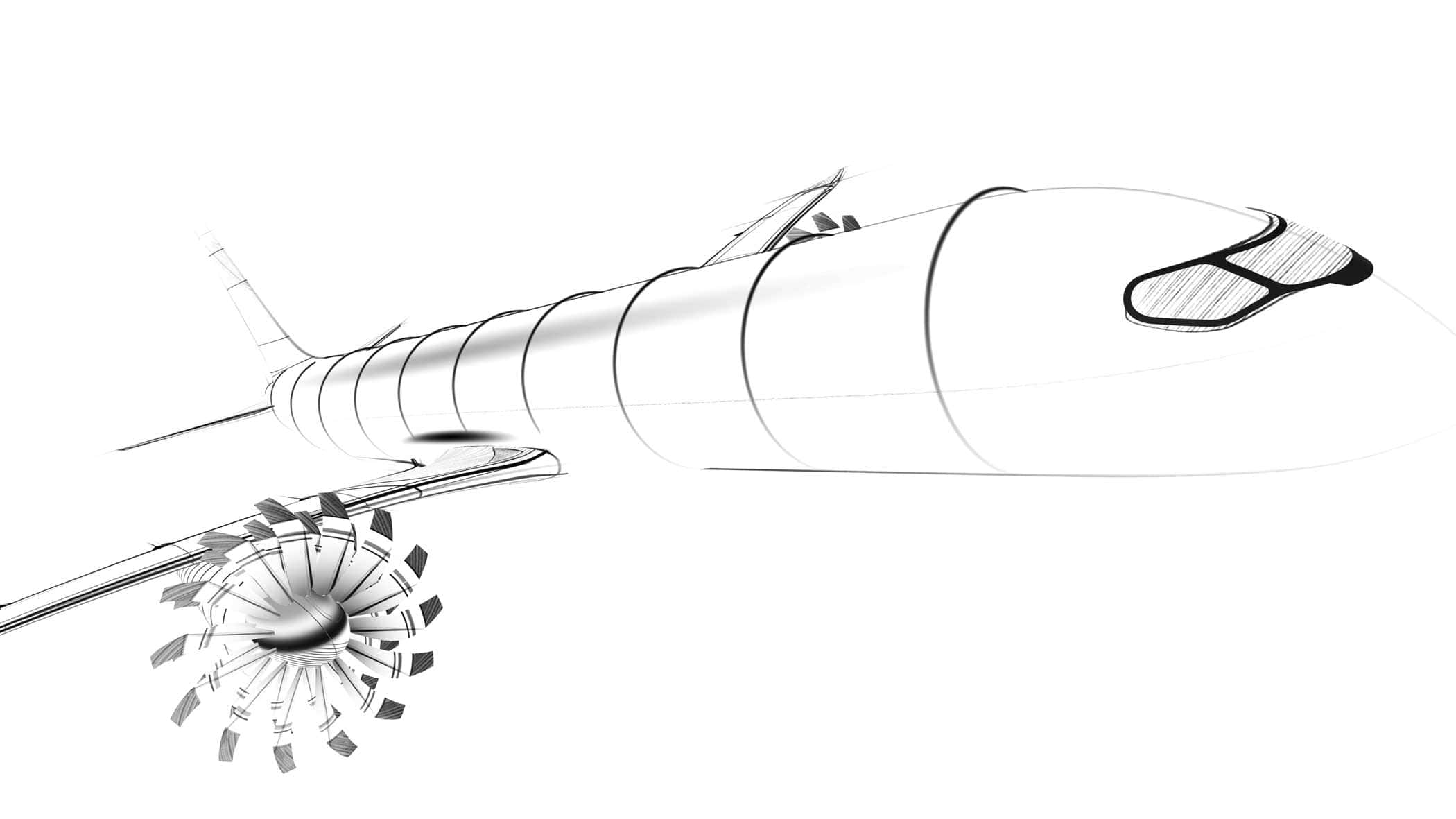
At the Airbus Summit 2025, Airbus outlined its plans for the future of commercial aviation. The company unveiled technologies that will enable a new generation of narrow-body aircraft. These aircraft could enter service in the 2030s and be up to 30% more efficient.
Aircraft: Technology goals and roadmap
Airbus is formulating an ambitious roadmap for the introduction of a new generation of narrow-body aircraft. These aircraft are scheduled to enter service in the mid-2030s. Technology development focuses on significantly increasing fuel efficiency and the ability to fly with up to 100% sustainable aviation fuel. The new concept designs illustrate various configurations to achieve efficiency leaps and support the aviation industry on its path to net-zero emissions by 2050.
Aviation: Focus on innovative technologies
Airbus highlights technological building blocks that could be critical for improved aircraft performance. Innovations include more efficient engines, including open fan designs, and foldable wings for aerodynamic advantages. Future battery technologies are expected to support hybrid architectures, where electricity is increasingly used for propulsion and non-propulsion functions, alongside lightweight materials and integrated systems for connected aircraft.
Strategic decisions in sight
According to Airbus, the teams are making critical pre-selections for engine types and wing designs for the new aircraft generation. These decisions are subject to technological maturity. Gradual advances in these technologies are intended to serve as a catalyst for significant efficiency improvements and the decarbonization of air transport. These topics were central to the discussions at the 2025 Airbus Summit.
Bruno Fichefeux and Karim Mokaddem on visions of the future
During the dialogue, Airbus representatives emphasized the company’s continuity and drive for innovation. Bruno Fichefeux, Head of Future Programs, and Karim Mokaddem, Head of R&T, expressed their determination to continue pioneering the A321XLR. These aircraft pave the way for the next generation, with integrated advances designed to deliver maximum efficiency and productivity.
Airbus is a global leader in aerospace systems. The company is committed to innovation and sustainability, pursuing the goal of drastically reducing the industry’s emissions. Airbus’s exemplary developments and partnerships are driving the aviation industry’s transformation toward a more sustainable future.