Home Blog Page 13

Cockpit Association invites Lufthansa top executives to collective bargaining talks

The Cockpit Association plans to invite high-ranking representatives of the Lufthansa Group to a face-to-face meeting in Munich on March 31 to address collective bargaining challenges. The goal is to find constructive solutions that ensure planning security for crews and airlines in the Lufthansa Group.

Invitation of top representatives

The Cockpit Association (VC) has invited leading representatives of the Lufthansa Group’s collective bargaining solutions to negotiations. Among the invited personalities are Dr. Michael Niggemann, Jens Ritter, and Marc Schwabe. This high-profile meeting is intended to find solutions to existing collective bargaining issues that particularly affect Lufthansa’s core business.

Goal of the meeting

The planned meeting on March 31 aims to reach robust and fair collective bargaining agreements. Dr. Andreas Pinheiro, President of the VC, emphasizes the need for a breakthrough in the talks. By seeking a constructive dialogue, the VC aims to ensure that more focused work can be done on Lufthansa’s economic challenges.

Expectations of the Cockpit Association

The Cockpit Association emphasizes the urgency of a quick and sustainable agreement to provide the necessary planning security for crews and airlines in the coming months. Lufthansa is expected to be seriously willing to engage in dialogue. The Association is optimistic about the upcoming exchange and hopes for positive results.

Significance for the Lufthansa Group

An agreement in the collective bargaining negotiations is crucial for the stability and future success of the Lufthansa Group. It allows us to focus on addressing economic challenges and moving forward. Sustainable solutions are essential to ensure peaceful cooperation between the parties involved.

The Cockpit Association is a key advocate for pilots and advocates for fair working conditions in aviation. Through its intensive participation in collective bargaining negotiations, it contributes to the security and stability of air traffic in Germany and supports sustainable solutions to the challenges facing the industry.

Air France unveils new La Première suites

Air France is unveiling a revolutionary redesign of its most exclusive cabin. Starting in spring 2025, the Boeing 777-300ER will be gradually equipped with spacious luxury suites offering a remarkable level of customization and comfort. The new cabin promises innovative designs and upscale amenities to enhance the flight experience.

Unique La Première suites with unparalleled luxury

Air France’s new La Première Suites offer an exclusive retreat with nearly 3.5 square meters of space. The specially designed suite includes five windows, an Air France exclusive, as well as an adjustable seat and a chaise longue that converts into a two-meter-long bed. Designed for optimal comfort, the suite features details such as an embossed leather headrest with the iconic Air Mail horse logo and premium upholstery.

Adaptability for individual comfort

Passengers can fully customize the suite to their individual needs, whether for takeoff, dining, or relaxation. A console and table offer versatile use, while an electric partition in the middle suites allows for privacy for two travelers. This spacious area enhances the flight experience and creates an ambiance reminiscent of a private cocoon.

Exclusivity and understated luxury

The La Première cabin is located at the front of the aircraft and ensures guests an exclusive and private flight experience. Featuring materials such as full-grain leather and virgin wool, as well as a sophisticated color scheme, the design underscores the elegant lines of the cabin. The details were developed in close collaboration with Design Investment and SGK Brandimage and lend the interior a timeless feel.

Crafted with precision and elegance

STELIA Aerospace in France is responsible for manufacturing the new suites, which meet the highest standards of design and quality. The cabin’s distinctive design elements, including champagne-colored metallic accents and dark carpet, combine functionality with aesthetics, creating a sense of floating. The attention to detail interprets the French culture of elegance and art de vivre for which Air France is known.

As a leading airline, Air France stands for first-class service and comfort. Since its founding, it has been a symbol of French elegance, offering its passengers a unique flight experience worldwide. Continuous adaptation and innovation underscore Air France’s commitment to excellence in air travel.

Air France unveils new La Première suite

Air France has announced the launch of its new La Première suite, promising an unparalleled flight experience. The upgraded cabin, which will be gradually integrated into select Boeing 777-300ER aircraft, combines luxury with state-of-the-art technology. The first route to be equipped will be New York-JFK in the spring.

Innovative cabin design

Air France has replaced overhead storage compartments with floor-level storage. These include a pull-out drawer for carry-on luggage and a shoe drawer under the seat. There’s also an illuminated niche for personal belongings close to the seat. Interestingly, a private wardrobe is also available.

Well-thought-out lighting concept

Air France’s new La Première Suite uses innovative lighting technology to create a calming atmosphere. Five windows provide natural light and are equipped with electric blinds. Two lamps featuring the Air France seahorse logo provide subtle ambient lighting throughout all phases of the flight.

Technological upgrade on board

Every passenger in the new La Première Suite has access to two 32-inch 4K screens offering over 1,500 hours of entertainment. The screens are visible from every seat. Headphones can be connected via Bluetooth, and additional noise-cancelling headphones are available. The suite is equipped with numerous ports and free Wi-Fi connectivity.

First flight and further goals

The first aircraft with the new La Première cabin will depart for New York-JFK in spring 2025. Additional destinations, including Los Angeles, Singapore, and Tokyo-Haneda, are scheduled to follow in the summer 2025 schedule. This innovation is part of Air France’s commitment to continuously improving the passenger experience.

Air France, one of the world’s leading airlines, is known for its exceptional service and commitment to providing its customers with an unparalleled travel experience. With the introduction of the new La Première Suite, Air France further demonstrates its commitment to innovation in the aviation industry.

“Air Rescue Day”: Air rescue strengthens emergency system

On the occasion of Air Rescue Day on March 19, DRF Air Rescue is focusing on the systematic integration of air rescue into the overall emergency rescue system. In life-threatening situations, rapid deployment is essential to significantly increase patients’ chances of survival and recovery. The deployment of air rescue plays a crucial role in this.

Life-saving importance of air rescue

DRF Air Rescue emphasizes the importance of optimal interaction between emergency physicians, paramedics, and appropriate rescue resources within the overall emergency rescue system. Especially in cases of life-threatening injuries, pre-hospital time is crucial; according to guidelines, it should not exceed 60 minutes. Air rescue offers the advantage of transporting severely injured patients directly to specialized hospitals, which offers significant time savings, especially in rural areas.

Optimization potential for rescue equipment

In 2024, DRF Air Rescue transported approximately 81 percent of all polytrauma patients to a specialized trauma center by helicopter. However, data from the trauma registry show that only 18 percent of all severely injured patients in the basic population of participating hospitals were transferred by helicopter. Approximately 30 percent were transported to lower-level hospitals and had to be transferred within the first 48 hours, revealing potential for improvement in the dispatch of rescue resources.

Optimum use of resources in emergencies

The efficient use of air transport not only relieves pressure on ground-based resources but also facilitates the optimal transport route to specialized hospitals. DRF Air Rescue demonstrates that rescue control centers should increasingly focus on the most suitable destination hospital when planning operations. This optimization can save lives, especially for patients with severe injuries or illnesses.

Increased efficiency through systematic planning

The study demonstrates that valuable time can be gained through a well-thought-out combination of transport and targeted hospital allocation. The rapid response time of air rescue allows for the minimization of pre-hospital stay, thereby significantly improving the chances of survival for severely injured patients. This clearly underscores the need for optimal use of all available rescue resources.

DRF Air Rescue is a leading air rescue organization dedicated to providing optimal patient care. Its experienced teams and modernly equipped helicopters guarantee rapid and safe transport to specialized medical facilities every day.

DRF Air Rescue: Progress in the care of severely injured patients

DRF Air Rescue emphasizes that 32 percent of its missions involve traumatic emergencies. Its medical crews are highly trained, officials emphasized. Thanks to state-of-the-art medical technology and specialized training, the care of critically injured patients is at a new high.

Highly qualified emergency physicians and paramedics

DRF Air Rescue stated that its missions are carried out almost exclusively by emergency physicians with specialist qualifications or specialist qualifications. The paramedics have at least ten years of professional experience. Regular training in trauma management focuses on team communication and crew resource management. In addition, many emergency physicians have completed advanced courses in invasive emergency techniques.

State-of-the-art technology on board the helicopters

It was announced that every red-and-white DRF Air Rescue helicopter is equipped with state-of-the-art medical technology. Mobile ultrasound and blood gas analysis devices are standard equipment, enabling rapid diagnosis and treatment. Equipment for maintaining warmth and preventing blood clotting disorders is also highlighted.

Use of blood and plasma products at the scene of the accident

Blood and plasma products can be provided on-site at five DRF Air Rescue stations. Since the introduction of this technology, more than 120 pre-hospital transfusions have been performed. This saves lives that could otherwise be lost, the organization emphasizes.

Children’s emergencies: special expertise and equipment

DRF Air Rescue emphasizes that its crews are particularly experienced in pediatric emergencies. All emergency physicians have expertise in pediatric anesthesia. Special training courses ensure up-to-date knowledge and experience. Collaborations with pediatric hospitals have resulted in emergency equipment perfectly tailored to children. Digital tools such as the DIVI Children’s Emergency App further support the medical teams.

DRF Luftrettung, a non-profit organization, is committed to advanced air rescue technologies. Since the introduction of Air Rescue Day in 2020, it has been raising awareness of the central role of air rescue in the rescue chain. Its missions and technologies regularly save lives.

“Space Day”: Countdown to the kick-off in Berlin

The countdown to the nationwide ‘Space Day’ in 2025 is on. On March 28 and 29, the German Aerospace Center (DLR) invites space enthusiasts to Berlin, Bonn, and Cologne to gain fascinating insights into space exploration. Scientists and astronauts will share their experiences and findings.

Berlin begins in the Futurium

The kick-off event for ‘Space Day’ 2025 will take place on Friday, March 28, at the Futurium in Berlin. The focus will be on the future of space travel and the goals of Germany and the European Space Agency (ESA). Six space slammers will passionately present arguments for the future importance of space travel. ESA will also be celebrating its 50th anniversary. Interested parties can register now, free of charge.

Adventure in Bonn-Oberkassel

On March 29, the German Space Agency (DLR) in Bonn will open its doors to all ages. Visitors will have the opportunity to experience virtual flights around Earth on the SPACEBUZZ ONE. Lectures will be offered on topics such as the Ariane 6 rocket and the exploration of the Moon and Mars. An exhibition will delve into the depths of the universe. Registration is free and open now.

Cologne’s central event fully booked

The event in Cologne on March 28 is already fully booked. There, a former parcel center will be transformed into a space station. Children’s programs at the DLR_School_Labs will offer interactive experiences. Visitors will learn how robots explore planets and astronauts prepare for their missions. A 360-degree simulator will test fitness for space travel. The ESA Astronaut Center is also involved.

‘Space Day’ – Germany-wide participation

The “Day of Space Travel” is organized nationwide by the DLR. Over 80 institutions, including companies, universities, museums, and planetariums, participate to present exciting topics from space. A special DLR website offers comprehensive information, including details on ticketing and recommended travel options using public transport. All events are free of charge, but require online registration.

The German Aerospace Center (DLR) is a central decision-making body in the research and development of aerospace technology in Germany. Through events such as ‘Space Day,’ the DLR communicates complex scientific findings to the public and promotes interest in space travel.

DRF Air Rescue night flight exercise in Erfde: Safety first

Erfde will be the venue for an extraordinary night flight exercise by DRF Air Rescue, in which two new pilots will train with night vision devices. Led by experienced pilot and flight instructor Dirk Kugel, the rural location within the operational radius of the Rendsburg base was chosen to train important skills for safe flying in the dark.

Night flight exercise instead of emergency

On a quiet evening in Erfde, the local soccer field unexpectedly transformed into a floodlit landing pad for rescue helicopters. Dirk Kugel, pilot and flight instructor at the DRF Air Rescue Station in Rendsburg, emphasized that no one was in distress; rather, a planned night flight exercise was taking place. Two new air rescue pilots completed several landing scenarios with the help of night vision goggles.

Night flight exercise: Special training for safety

Dirk Kugel explains that night flying skills are crucial for the 24-hour readiness of DRF Air Rescue stations. As an experienced pilot with additional qualifications, he teaches the newcomers the theoretical and practical use of night vision goggles (NVGs). These devices, which amplify the residual light in the surroundings, are required by pilots to navigate safely in the dark.

Challenges of night flying

Flying at night represents an important learning opportunity for the trainees. Despite the support provided by the NVGs, the mission remains challenging. This training enables the young pilots to accurately assess the terrain even in the dark, strengthening their skills and confidence in critical situations during night flights.

Future air rescue experts

With the successful completion of the training in Erfde, the two new pilots are perfectly prepared for their missions. Dirk Kugel emphasizes the importance of such exercises for ensuring the safety of nighttime rescue flights and maintaining the highest level of operational readiness of DRF Air Rescue. These young talents will make a significant contribution to air rescue.

DRF Luftrettung is a leading air rescue organization in Germany, focused on innovation and safety. With a network of thirteen 24-hour bases, it contributes to primary medical care and ensures the safe transport of patients. The continuous training and specialization of its pilots consistently ensures the highest quality and efficiency.

Training flights for rescue helicopters in Schachtholm

The pilot duo was observed conducting training missions in Rendsburg-Schachtholm on the evening of the exercise. The pilots took off from the base of the Christoph 42 rescue helicopter in a backup aircraft to avoid compromising the operational readiness of the original rescue helicopter. The exercises focused on night landings under difficult conditions.

Start and first maneuvers

The training began at Rendsburg-Schachtholm Airfield, where the pilots took off in a backup aircraft. After several landings and hovering exercises on the illuminated runway, the training proceeded to the sports field in Erfde. There, the focus was on the safe landing of the helicopter under nighttime conditions. The fire department played an important role, supporting the maneuver with lighting and safety equipment.

Overcoming security challenges

Upon arrival at the target, the terrain was inspected from a height of 200 meters in a so-called “high reconnaissance.” Visibility was limited due to low-lying clouds, but the extensively illuminated sports field was still clearly visible. The pilots performed a controlled descent and landed safely in the center of the field before taking off again. Reducing the lighting in a second test increased the difficulty level, which the pilots mastered with flying colors.

Complexity when flying at night

In subsequent runs, the lights were gradually dimmed, sometimes to just the blue fire department lights, which made the task more difficult. It was important to find the scene in near darkness. Night vision devices were also turned off to simulate the failure of such devices. These challenging conditions helped the student pilots understand different scenarios and optimize their skills.

Public interest and questions

Interested passersby observed the events and asked questions about the role of the fire department and the changing lighting conditions. These exercises are crucial for the safety of air rescue operations under operational conditions. Public understanding and participation contribute to the acceptance and support of such important training units.

DRF Luftrettung is a leader in air rescue in Germany. With state-of-the-art technology and highly trained teams, it provides medical care around the clock in emergencies. These exercises are part of DRF Luftrettung’s ongoing efforts to optimize its crew’s skills and response times, thus saving lives.

Fire brigade supports night helicopter landings

Collaboration with the fire department offers numerous advantages during nighttime landings. Firefighters provide support with their expertise in lighting and local knowledge, allowing patients to gain valuable time, which can be life-saving in an emergency. Dirk Kugel emphasizes the crucial role of fire departments in optimizing nighttime operations.

The fire department uses its own resources to illuminate the landing area for the helicopter.
The fire department uses its own resources to illuminate the landing area for the helicopter. (Source: Erfde Volunteer Fire Department)

Effective support from the fire brigade

Dirk Kugel explains how the fire department can assist with nighttime helicopter landings by identifying and illuminating suitable landing sites. Although the helicopters have powerful spotlights, the fire department’s assistance is welcome, as it can save valuable seconds. Local firefighters can not only suggest suitable locations but also identify potential hazards such as wetness or loose objects.

Local exercises promote cooperation

Kugel emphasizes that the recent exercises in Erfde and Schalkholz have deepened this collaboration. Despite fog and the cancellation of an exercise in Pahlen, the cooperation between the fire department and air rescue crew was excellent. Firefighters were able to deepen their knowledge of lighting and landing site security, while the flight students benefited from realistic scenarios. The involvement of the youth fire department in Erfde in particular contributed to the sustainable training of future emergency personnel.

Night flight exercise has learning effects for all involved

The exercises not only offered the pilots the opportunity to perfect their skills, but also provided the firefighters with the opportunity to consolidate their competencies in nighttime operational situations. Kugel emphasized that the firefighters and crews learned from each other and thus achieved optimal results together in an emergency. The challenges posed by the weather, in particular, made the exercises valuable for practical use.

Future-oriented collaboration

The long-term partnership between air rescue and the fire service is strengthened through such exercises. Kugel expressed his gratitude for the excellent organization and smooth cooperation with the volunteer fire departments. He sees the practiced scenarios as a win-win situation for everyone involved, as the lessons learned can be directly applied in practice and ultimately benefit the patients.

Air rescue serves the public by reaching patients in need quickly and professionally. Through regular training and close cooperation with fire departments, operational capability is continuously improved. This cooperation ensures that assistance is always provided at the highest level, even under challenging conditions.

Embraer extends registrations for the Startup Marathon

Embraer, a global leader in the aerospace industry, has announced the extension of the registration deadline for its Startup Marathon, which promotes innovations with a focus on artificial intelligence and machine learning in aviation. The event will take place during Web Summit Rio from April 27 to 30 at Riocentro, Rio de Janeiro.

Embraer decides to extend the registration deadline

Embraer has decided to extend the registration deadline for the Startup Marathon to offer more innovative companies the opportunity to participate. Interested startups must complete a registration form by March 28 and meet the selection criteria of both Web Summit and Embraer. This decision is intended to ensure that the best talent has the opportunity to showcase their work during Web Summit Rio.

Event preparation and selection criteria

Following an initial selection round, email invitations to participate in the marathon will be sent to the selected startups on April 9. Embraer attaches great importance to participating startups meeting the criteria for innovation and technological relevance. The detailed rules and the online registration form are available on the website https://www.embraer.com/global/en/marathon-2025 and provide all necessary information for participation.

Focus topics of the marathon

The startup marathon will explore innovations in areas such as artificial intelligence, machine learning, and other cutting-edge technologies in the aviation industry. This provides an excellent platform for startups to showcase their innovative solutions to a wider audience and potential investors during the renowned Web Summit. The focus is on promoting the latest technology trends and helping shape the future of aviation.

Invitation to collaboration

Embraer invites all startups participating in the Web Summit to register for the marathon and visit the company’s booth during the event. This initiative aims to identify collaboration opportunities and foster new partnerships in aviation technology. Embraer’s efforts underscore its commitment to the future of aviation through innovative collaborations.

Embraer is a globally recognized leader in the aerospace industry, headquartered in Brazil. The company is known for its modern and efficient solutions that combine advanced technologies with extensive industry expertise. Embraer is consistently committed to promoting innovation and technological progress in aviation.

Aircraft noise: Aircraft retrofitting serves as noise protection for the future of air traffic

0

Millions of people are affected by aircraft noise, especially near airports. Researchers at the German Aerospace Center (DLR) report promising results from the LNATRA project, which shows that targeted retrofitting of aircraft can significantly reduce noise.

Retrofitting aircraft can reduce aircraft noise by up to three decibels

The DLR announced that it had succeeded in reducing noise at specific sources such as the landing gear and flap edges by up to six decibels. Overall, the noise from an overflight was reduced by three decibels, which equates to a noise reduction of approximately 30 percent for people on the ground. The findings were based on flight tests with the A320 ATRA research aircraft, which took place at Cochstedt Airport from 2016 to 2019. Various noise reduction technologies, such as special edge patterns on engine exhausts and porous materials, were tested.

Technological innovations under test

The LNATRA research project relied on innovative technology: Eight different noise reduction technologies were integrated, including new fairings for the landing gear. Acoustic data was recorded via a microphone array. These measurements were compared with wind tunnel tests and computer simulations to validate the results. The collaboration between practical tests and theoretical investigations demonstrates the efficiency of DLR research.

Balance between climate and noise

It was recognized that additional aircraft protection would increase weight and thus fuel consumption. However, DLR stated that aerodynamic measures could offset these effects. Laminar airflow technologies that reduce drag could make a significant contribution. The DLR findings received particular attention in the international community.

Air traffic: Importance of noise reduction

The DLR emphasized that noise research remains a central component of its work to make air traffic more sustainable. Since aircraft noise has negative health effects, these scientific findings are trickling into larger projects to reduce noise in air traffic. The research offers a way to balance the conflict between climate protection and noise abatement.

The German Aerospace Center (DLR) is a leader in aerospace research in Germany. With a focus on sustainability and innovation, the DLR strives to implement technological advances in air travel that ensure it becomes both more environmentally friendly and quieter.

Aviation quieter: Reducing aircraft noise

DLR researchers are developing new approaches to noise reduction in aviation. Projects such as LU(FT)² 2030 aim to reduce aircraft noise more cost-effectively through intensive simulations. These efforts support the EU’s goal of reducing aircraft noise by 65 percent by 2050.

Innovations for quieter air traffic

The results from the LNATRA project are being incorporated into the ongoing LU(FT)² 2030 research project, which considers not only aircraft noise but also the noise perception of residents. The goal is to use simulations to develop more efficient noise reduction measures and implement them more quickly. These technologies enable the digital design of aircraft with lower noise levels. This allows sound radiation to be assessed early on and noise protection to be integrated into the design process.

Noise protection: steps towards achieving the EU target

The German Aerospace Center (DLR) is contributing its work to achieving the EU Commission’s goal of reducing aircraft noise by 65 percent by 2050 compared to 2000 levels. Continuous improvement of simulations could lead to significant progress in the development of quieter aircraft in the future. These measures are crucial to meeting the growing demands for sustainable and environmentally friendly aviation.

Cost-efficient and effective noise reduction measures

The central objectives of the LU(FT)² 2030 project are to reduce the costs and increase the effectiveness of noise reduction measures. More intensive simulation techniques allow the measures to be designed more efficiently and implemented more quickly from the outset. This approach promises not only economic benefits for the aviation industry but also a significant reduction in noise pollution for the population living near airports.

Climate-friendly and quiet air transport of the future

DLR researchers emphasize that their vision is climate-friendly and quiet air traffic. Noise reduction is not only feasible but also worthwhile for everyone involved. By taking a pioneering role in the development of noise reduction technologies, DLR is committed to more sustainable air traffic. This should meet the growing demand for environmentally friendly transport solutions, with technological innovations playing a crucial role.

The German Aerospace Center (DLR) is Germany’s research center for aerospace and makes a significant contribution to the advancement of technologies. Through numerous projects, the DLR promotes sustainable and advanced solutions for the mobility of tomorrow. Its research generates valuable innovations in the aerospace industry.

Airbus Helicopters concludes 118 agreements at VERTICON

Airbus Helicopters concludes the VERTICON with a total of 118 customer agreements, including 63 firm orders for various multi-mission helicopters. A major focus was on the H140, a new light twin-engine multi-purpose helicopter, for which over 74 commitments were made.

VERTICON: Successful presentation of the H140

During VERTICON, Airbus Helicopters presented the H140, which met with great customer interest. The H140, a versatile twin-engine multi-purpose helicopter, was specially developed according to customer requirements. Emergency medical services will be the first to go live with the H140, underscoring the extensive demand from major HEMS operators in the U.S. and Europe. These operators, including Global Medical Response and ADAC Luftrettung, have signed both orders and letters of intent. Bruno Even, CEO of Airbus Helicopters, expresses his satisfaction with customer feedback and the future role of the H140 in rescue services.

Breakthrough for the H160

The H160 is launching commercial offshore operations under the leadership of PHI Aviation for Shell, distinguishing itself with an innovative route assessment program. The New York State Police will be the first law enforcement agency in the US to operate the H160 and has also ordered one H160 and three H145 helicopters. These developments demonstrate the confidence in the versatility and efficiency of Airbus Helicopters’ new models.

Growing support from HCare

Brazil’s Omni signed a multi-role HCare contract in preparation for its start of operations for Petrobras. In Namibia, Westair Helicopters will operate the H225 for offshore energy missions and has secured an HCare contract to support the fleet’s entry into service. Meanwhile, prominent Chinese operator GDAT has signed an HCare In-Service contract with Airbus for ten H225 helicopters, which will be used in various missions such as emergency services and forest protection.

Commitment to sustainable aviation

During VERTICON, Airbus Helicopters conducted demonstration flights with several helicopter models, including an H175, H160, H145, and an H125 IFR aircraft, using 30% sustainable aviation fuel (SAF). This move highlights the company’s ongoing commitment to maximize the use of SAF to promote environmentally friendly solutions in aviation.

Airbus Helicopters is a global leader in helicopter manufacturing and services. With a wide range of civil and military helicopters, the company serves customers worldwide and excels in innovation and sustainable technologies. Its commitment to quality and customer focus underscores Airbus Helicopters’ position as an indispensable partner in the aviation industry.

Vietnam extends visa-free entry until 2028

Vietnam has extended visa-free entry for German citizens until 2028, which now also applies to passengers from Poland, the Czech Republic, and Switzerland. Vietnam Airlines underscores the significance of this decision, as it continues to be the only airline offering non-stop flights between Germany and Vietnam.

Extended visa regulations

Vietnam’s new visa-free entry policy allows German citizens and citizens of 14 other countries, including Poland, the Czech Republic, and Switzerland, to stay for up to 45 days. This policy, which is valid until March 14, 2028, covers a total of 15 countries, including Denmark, France, Japan, and Spain, significantly expanding travel options in Asia.

Vietnam Airlines strengthens connections

As the only airline with non-stop connections between Germany and Vietnam, Vietnam Airlines offers daily flights from Frankfurt to Hanoi and five weekly flights to Ho Chi Minh City. In addition, direct flights from Munich to Hanoi and Ho Chi Minh City were introduced in October 2024, operating twice weekly with the Boeing 787-9.

Expansion of flight frequencies

Starting in July 2025, Vietnam Airlines will increase the number of weekly flights from Munich to Hanoi to three flights per week. This measure is intended to meet the demand for direct flights between Germany and Vietnam while also offering more travelers opportunities to explore the diverse destinations within Vietnam and beyond.

Transfer connections open up opportunities

Passengers traveling to Hanoi or Ho Chi Minh City will have the opportunity to benefit from a variety of connecting flights within Vietnam, as well as to Asia and Australia. This expansion of the route network allows travelers to explore the cultural diversity and scenic beauty of Southeast Asia and beyond.

Vietnam Airlines, the leading national carrier, is known for its high-quality services and routes that connect travelers efficiently and comfortably. With award-winning safety and service standards, it offers innovative solutions to meet the needs of the modern travel world. As the market leader in Asia’s aviation segment, it welcomes visa-free travel, which further promotes tourism.

ESA space probe Hera passes Mars and moons Phobos + Deimos

ESA’s Hera spacecraft successfully completed a flyby of Mars and its moons Phobos and Deimos on March 12, 2025. This flyby marked an important step in its mission to the Didymos asteroid system to develop asteroid defense methods. Hera used Mars’ gravity to effectively alter its trajectory and collect new scientific data.

Important milestone for asteroid defense

ESA’s Hera spacecraft completed a strategic flyby of Mars and its moons Phobos and Deimos on March 12, 2025. The flyby marks a crucial step in its mission to the Didymos system, where it will contribute to the development of reliable asteroid defense methods. By harnessing Mars’ gravity, Hera optimized its trajectory and approached Mars to within about 5,000 kilometers, coming within about 1,000 kilometers of Deimos. This proximity enabled the acquisition of new detailed image data of Mars and Deimos, which are now being scientifically analyzed.

ESA’s Hera spacecraft: Technological innovations on board

The German Space Agency’s AFC camera system, developed by Jena-Optronik, played a central role in capturing the monochromatic images. Scientifically supervised by DLR, the cameras provided important image information in the visible spectrum, playing a key role in the spacecraft’s scientific investigations and navigation. From Berlin, Dr. Jean-Baptiste Vincent, the project’s Principal Investigator, coordinated the analysis of the acquired data. Two identical cameras were used for systematic data collection to support the primary mission in the Didymos system.

Advanced scientific instruments

In addition to the Asteroid Framing Cameras, two other camera systems were used: the Hyperscout-H visual near-infrared spectrometer and the Thermal Infrared Imager (TIRI) of the Japanese space agency JAXA. Hyperscout-H operates in 25 visible and near-infrared spectral bands to characterize mineral compositions. The TIRI, in turn, analyzes surface temperatures and the physical properties of the rocks, such as roughness and porosity, and supplements the collected data with valuable thermal insights.

The Hera space probe in front of the double asteroids Didymos and Dimorphos
The Hera spacecraft in front of the binary asteroids Didymos and Dimorphos: The Hera spacecraft will study the binary asteroids Didymos and Dimorphos for six months in 2026 to determine exactly how the orbital periods and shapes of the asteroids have changed since the impact of NASA’s DART probe in 2022. Hera is equipped with twelve measuring instruments. The most important are the two Asteroid Framing Cameras – two redundant, monochromatic cameras – which will be used to determine the spacecraft’s position in the asteroid system. They are essential for the probe’s navigation. Hera also carries two CubeSats, Juventas and Milani, each the size of a shoebox. They will move closer to Dimorphos and, in the final phase of the mission, even land on it to measure its surface, internal structure, and gravity. (© ESA/Science Office)

Calibration and scientific evaluation

The data obtained during the flyby will not only be used to explore the Martian moon Deimos, but also to calibrate the scientific instruments for further studies in the Didymos system. The DLR Institute of Planetary Research is responsible for both the planning of the scientific observations and the creation and evaluation of datasets. These include topographical models, detailed maps, and support the development of innovative defense methods against potential asteroid threats.

The German Aerospace Center (DLR) is a leader in aerospace research and makes a significant contribution to the European space mission. DLR’s participation not only ensures scientific expertise but also coordinates technological development in close cooperation with ESA to ensure Earth’s long-term security.

Exploration of the Martian moons: Mission MMX launches in 2026

With the MMX mission, the Japanese space agency JAXA plans to uncover the secrets of Mars’ moons Phobos and Deimos. In cooperation with the German Aerospace Center (DLR) and the French space agency CNES, a rover will provide important data to study the formation of the moons and planetary systems.

Objectives of the MMX mission

The Martian Moons eXploration (MMX) mission of the Japan Aerospace Exploration Agency (JAXA) aims to research the formation of the Martian moons Phobos and Deimos, as well as the planet formation process in the solar system. The German Aerospace Center (DLR), together with the French space agency CNES, is contributing a specially developed rover to collect important data from the lunar surface.

Scientific contribution of the rover

The approximately 25-kilogram Idefix rover will study the geological, physical, and mineralogical properties of Phobos’ lunar surface. A particular focus will be on demonstrating mobility in a low-gravity environment. This data will support not only the orbiter’s measurements but also the future landing of an exploration module on Phobos.

Partners and techniques involved

Several DLR institutes are involved in the mission under the leadership of the Institute of Robotics and Mechatronics, including the Institute of Space Systems, Lightweight Systems, and Optical Sensor Systems. The rover’s equipment includes the NavCAM stereo camera, the miniRAD radiometer, and the RAX Raman spectrometer. In addition, two special cameras (WheelCAM) are integrated to document the interaction of the wheels with the lunar surface.

Schedule and communication

The mission will launch in 2026, with the rover expected to land on Phobos and collect samples in 2029. These samples will be returned to Earth in 2031. Communication with Earth will be handled via the orbiter, while the rover will be operated from the control centers of CNES in Toulouse and DLR in Cologne (MUSC).

The German Aerospace Center (DLR) is a leading research institution that makes important contributions to technological development in aerospace. Through innovative projects, DLR contributes to answering fundamental questions in space research and promotes international collaborations.

Background information: Swing-by – course correction with planetary swing

A swing-by or gravity assist is a spaceflight maneuver in which a spacecraft uses the gravity of a planet or moon to change its speed and direction. The probe is guided to fly past the celestial body, accelerating and redirecting its gravitational pull. This principle saves fuel and allows for efficient access to distant targets in the solar system. Hera uses the Mars swing-by to optimize its journey to the Didymos asteroid system.

The double asteroid Didymos and Dimorphos
The double asteroid Didymos and Dimorphos: About 15 percent of asteroids are thought to be double (or triple) asteroid systems. Many of the smaller bodies are so-called “rubble pile asteroids.” They are formed from asteroids that were completely destroyed by a collision, the fragments of which then gravitationally reassembled. Due to the relatively low mass and gravity of the bodies involved, the smaller asteroids orbit their “parents” at comparatively low speeds, less than one meter per second. This opened up the possibility of measurably shifting the orbit of one of these asteroid moons—something that would not be possible with such precision for a single asteroid in a much faster-moving solar orbit. Hera will use this opportunity to determine whether asteroids can be deflected if they pose a threat to Earth. (© ESA/Science Office)

United Airlines records new booking record

With a remarkable 5 percent increase in flight bookings compared to last year, United Airlines is welcoming this year’s spring break season. The airline expects over 24 million passengers through April 27 and is increasing its capacity accordingly.

United Airlines reports rising passenger numbers during Spring Break

United Airlines reports that this year’s spring break season represents a new booking record. The airline plans to accommodate the increased passenger volume with more than 4,500 daily flights. These steps are necessary to adequately accommodate the more than 24 million travelers projected to arrive by the end of April. The 5 percent increase compared to 2024 demonstrates that spring break travel remains in strong demand.

Popular destinations for leisure and adventure

Places like Orlando, Las Vegas, and Cancun will continue to be among United’s most popular destinations in 2025. Destinations such as Bishop/Mammoth in California’s Sierra Nevada, where bookings increased by 20 percent, and Vail and Steamboat in Colorado, with a 10 percent increase, are seeing particular growth. The Coachella music festival in Palm Springs is also attracting more visitors, leading to a 30 percent increase compared to 2024.

European goals are in demand

European cities are also enjoying rising visitor numbers. London and Frankfurt are particularly popular destinations among spring break travelers. From Frankfurt, United passengers also have the option of flying to numerous destinations in Germany and Europe with partner airline Lufthansa. This contributes to an overall increase of 8 percent on international flights.

Strategic expansion of capacities

United Airlines has responded quickly to the increased demand by expanding its daily flight capacity. The airline is focused on providing the best possible travel experience through additional flights and efficient aircraft. Thanks to planned collaborations with partner airlines, even far-flung destinations can be reached effectively. These measures promise passengers exceptional accessibility to their desired destinations.

United Airlines is one of the world’s leading airlines and is known for its extensive route network, connecting passengers to hundreds of destinations in the U.S. and internationally. Through innovative strategies and partnerships with other airlines, United sets new standards in air travel and the customer experience.

Air Astana Group expands fleet with Airbus A320neo to 60 jets

The Air Astana Group, a leader in Central Asia, has expanded its fleet to 60 aircraft with the introduction of another Airbus A320neo. This expansion supports the Group’s strategic objectives for an expanded route network and increased competitiveness in Europe, Asia, and the Middle East.

Fleet expansion and strategic importance

With the recent arrival of an Airbus A320neo in Almaty, the Air Astana Group is expanding its fleet to 60 aircraft. This expansion is seen as a significant milestone that underscores the Group’s strategic objectives. The focus is on the use of state-of-the-art aircraft such as the Airbus A321LR and A320neo, which are crucial for the planned network expansion both within Asia and into Europe and the Middle East.

Growth in subsidiaries

In addition to the main airline, Air Astana, which now operates 35 aircraft, the low-cost carrier FlyArystan, with 25 aircraft, has also continued its growth. Since its launch in 2019, FlyArystan has demonstrated impressive growth and continuously expanded its offerings within Kazakhstan, Central Asia, and to international destinations such as Georgia, China, and the Middle East.

CEO statement on future strategy

Peter Foster, CEO of the Air Astana Group, emphasized the importance of fleet expansion as a cornerstone of the Group’s strategic objectives. He explained that continued investment in modern aircraft and network expansion significantly strengthens competitiveness. At the same time, passengers benefit from more comfortable and diverse travel options, increasing the Group’s attractiveness in the international market.

Future prospects for Air Astana Group

The Air Astana Group plans to continue its growth, aiming to have a total fleet of 80 aircraft by 2028. This increase is expected to further strengthen operational capacity and enhance passenger service quality. Route network expansion remains a key focus in the future to tap into new markets and consolidate the Group’s global market position.

The Air Astana Group, comprising the renowned full-service airline Air Astana and the dynamic low-cost carrier FlyArystan, is a leading player in the aviation industry in Central Asia. With a clear focus on technological advancement and service excellence, the group sets standards for travel convenience and competitiveness in the region.

New York State Police orders Airbus H160 and H145 helicopters

The New York State Police has become the first law enforcement agency in the United States to order an Airbus H160 and three H145 helicopters. This order follows a previous order for two H145s in 2024 as part of the police aircraft fleet renewal. The new helicopters are intended to increase safety and comfort for both officers and the public.

Use of the latest technology

With the addition of the H160 to its fleet, the New York State Police is raising its technical standards. The H160 is considered one of the most technologically advanced rotorcraft in the world, designed for the highest operational safety and maximum comfort in its class. These new helicopters will enable versatile missions, from law enforcement to search and rescue.

Historic decision by the New York State Police

The decision to order an H160 marks a significant step for the New York State Police Aviation Team. Founded in 1931, the unit not only supports law enforcement in the state but also provides lifesaving and environmental protection services. The modernization of the fleet aims to significantly increase operational capability and service quality.

Advantages of Airbus helicopters

The deployment of the H160 and H145 promises less noise pollution for New York City residents, while pilots benefit from advanced control technology. The H145 family has been a proven component of law enforcement air support for over two decades, renowned for its reliability and performance.

Global reach of the Airbus fleet

The Airbus H160 and H145 models are used in various countries and for a variety of missions around the world, including Brazil, Canada, and Japan. The more than 1,740 H145 helicopters in service worldwide, of which over 200 are used for public services and police operations, testify to the global integrity and efficiency of these aircraft.

Airbus Helicopters is a leading provider of helicopters with a comprehensive range of civil, government, and military models. Through innovation and design technology, the company has earned a global reputation by meeting the highest standards of safety and reliability in the aviation industry.

ADAC Air Rescue and ÖAMTC Air Rescue buy Airbus H140

ADAC Air Rescue and ÖAMTC Air Rescue, together with Airbus Helicopters, have signed a contract for the purchase of ten H140 helicopters. The German and Austrian rescue services are among the first customers of the newly introduced model, which was presented at the VERTICON trade fair in Dallas, Texas.

Contract for ten new H140 helicopters

ADAC Air Rescue and ÖAMTC Air Rescue will each receive five of the newly developed H140 helicopters. The agreement also includes the acquisition of three H135 and one H145 helicopters for ADAC. Thus, both organizations are relying on state-of-the-art technology to further enhance the quality and efficiency of their medical rescue missions.

Importance of collaboration

Frédéric Bruder, CEO of ADAC Air Rescue, emphasized the crucial role his organization played in the development of the H135 and the importance of the new H140 for future missions. With approximately 780,000 missions, the H135 family is the backbone of European air rescue. Marco Trefanitz, CEO of ÖAMTC Air Rescue, emphasized the valuable operational expertise that went into the development of the H140 to optimize efficiency, safety, and cost-effectiveness.

Praise from Airbus Helicopters

Bruno Even, CEO of Airbus Helicopters, praised ADAC Air rescue and ÖAMTC Air rescue as innovative providers of European air rescue. Both organizations have contributed significantly to the further development of the H140 through their expertise. Even looks forward to future deployments of the new helicopter generation in Germany, Austria, and Europe.

Features of the H140 helicopter

The H140 sets new standards in the light twin-engine category. It offers increased performance, cost-effectiveness, and comfort. Highlights include the T-shaped tail boom with reduced noise levels, the five-blade bearingless main rotor system, and the powerful Safran Arrius 2E 700 shp engines. The spacious cabin and large doors make it particularly suitable for emergency medical operations.

ADAC Air rescue is one of Europe’s largest HEMS operators, with 60 Airbus helicopters at 38 locations. In 2024, the provider responded to approximately 50,000 life-saving missions. ÖAMTC Air rescue, also a major player in the industry, operates 32 H135 helicopters from 18 permanent and four additional winter bases in Austria.

PHI Aviation starts offshore operations with Airbus H160

PHI Aviation began commercial offshore operations off the Louisiana coast for the international energy company Shell plc on March 6. The H160 deployed is the first helicopter in the global H160 fleet to be deployed for commercial offshore transport missions, marking the conclusion of a successful route verification partnership.

A groundbreaking partnership project

The collaboration between Airbus, PHI Aviation, and Shell began in 2020 with the goal of establishing an innovative partnership in the field of offshore aviation. Airbus provided an H160 in 2024 to initiate a comprehensive route testing program. This enabled operator PHI and end customer Shell to familiarize themselves with the helicopter’s advanced technology and safety features. After 300 hours of test flights, 12 PHI pilots now hold H160 type certification, as do 12 mechanics in the A&P area.

New opportunities for offshore operations

Tony Cramp, Shell’s Vice President of Aircraft, stated that this milestone brings significant benefits to the company’s offshore operations in the Gulf of Mexico. The H160 not only promises increased safety and improved passenger experiences, but also offers expanded operational capabilities that could increase the company’s efficiency. The helicopter’s performance in regular operations will be closely monitored to explore possible transfer to other regions.

H160: Achievements through comprehensive testing

PHI Group CEO Scott McCarty emphasized that the implementation of this project is the result of more than five years of collaboration with Shell and Airbus. The comprehensive route testing enabled the teams to work closely together to evaluate and optimize the H160’s capabilities. McCarty thanked everyone involved for achieving this significant success, which also included full integration into PHI’s operational and safety systems.

Impact on the helicopter industry

Bruno Even, CEO of Airbus Helicopters, stated that this partnership represents a novel approach and will enable the H160’s successful entry into the commercial transport sector. Airbus is grateful for the trust shown by PHI and Shell and proud to have contributed to improving offshore transport operations. The technologically advanced helicopter, the H160, is already successfully operating in various countries.

PHI Aviation, a leading operator in the offshore helicopter industry, stands for innovative solutions and first-class safety standards. Together with partners such as Shell, the company is working on developing future-proof technologies for the aviation sector. As a partner in this project, Airbus underscores its commitment to advancing aviation technology with the H160.

GMR and Airbus sign contract for H140 rescue helicopters

Global Medical Response (GMR) and Airbus Helicopters have signed a contract for up to 15 H140 helicopters to strengthen emergency medical services. The new H140, unveiled at VERTICON in Dallas, Texas, represents the latest state-of-the-art in air rescue and will be in service from 2028.

Introduction of the new H140

Global Medical Response (GMR) is one of the first organizations to take delivery of the new H140 helicopters from Airbus. This agreement includes an initial order for ten aircraft, with an option for five more. This modern aircraft was unveiled at VERTICON, a renowned vertical mobility trade fair in Dallas, Texas. Its goal is to increase the quality and efficiency of air rescue.

Strategic partnership for the future

The H140 partnership between GMR and Airbus builds on a long-standing collaboration. GMR, as one of the largest operators of Airbus helicopters in North America, continuously invests in its fleet to fulfill its responsibilities as a leading air medical services provider. GMR’s COO, Ted Van Horne, stated that the company is not only investing in new technology, but also that this is another step in providing innovative healthcare solutions.

Technological innovations of the H140

The H140 sets new standards with its new design, which includes a T-shaped tail, a low-noise fenestron, and a five-blade rotor without a rotor blade. These innovations aim to increase flight comfort for crew and patients while reducing operating costs. The spacious interior accommodates up to six passengers and allows easy access to medical equipment and patients thanks to large sliding doors.

Planned introduction and expansion of the fleet

The deployment of the H140 in emergency medical services is planned for 2028, underscoring GMR’s continued growth. In November 2024, GMR expanded its fleet by 28 Airbus helicopters. In total, the company will operate approximately 200 Airbus helicopters, cementing its position as a pioneer in air rescue. In addition to helicopter modernization, GMR is continuously revising its medical protocols to ensure optimal patient care.

Global Medical Response (GMR) is a global leader in air rescue, with approximately 35,000 dedicated employees. GMR operates 380 air bases and operates under renowned brands such as Air Evac Lifeteam and Guardian Flight. More than 30 Airbus helicopters have been joining the fleet since 2021 to provide life-saving medical services.

Airbus Helicopters presents H140 at VERTICON

At VERTICON in Dallas, Airbus Helicopters unveiled its latest model, the H140, which sets a new standard in the light twin-engine category. This multi-role helicopter is characterized by performance, cost-effectiveness, and high levels of passenger and crew comfort. The H140 is scheduled to be operational in emergency medical services from 2028.

H140 at VERTICON: Introduction of a new standard

Airbus Helicopters unveiled the H140 at VERTICON, a helicopter that complements its existing offerings in the light twin-engine class. Bruno Even, CEO of Airbus Helicopters, emphasized that the introduction of this model demonstrates the company’s commitment to meeting its customers’ evolving needs. The H140 offers increased cabin space and optimized engine performance to ensure best-in-class payload and range.

Innovations and features

The H140 sets new standards with its wide range of innovations. These include a new T-shaped tail boom design with an optimized fenestron for reduced noise levels and a five-blade, bearingless main rotor. The rotor simplifies maintenance and improves reliability and comfort. The cabin accommodates up to six passengers and features large windows and optimized layouts for comfort.

Technology and performance

Powered by the Safran Arrius 2E 700 hp engine, the H140 offers the best payload/range in its class. The engines are controlled by a dual FADEC system, ensuring unparalleled performance in both normal and engine-failure situations. The advanced Helionix avionics system significantly reduces pilot workload and increases safety through an innovative cockpit layout.

H140: Optimized maintenance and cost efficiency

Airbus Helicopters has ensured that the H140 is equipped with an optimized maintenance plan that extends inspection intervals and thus reduces operating and maintenance costs. A total of four H140 prototypes are planned, with the first model already undergoing flight testing in Donauwörth. This careful attention to customer requirements makes the H140 a competitive choice in the market.

Airbus Helicopters is a leading provider of rotorcraft solutions for a variety of industries, including emergency medical services, passenger transport, and corporate aviation. The company is committed to developing sustainable and efficient flight solutions through research and technological innovation, maintaining its market leadership in the aviation industry.

Air Methods expands fleet with Airbus helicopters H140, H135 and H125

Air Methods, the leading provider of air ambulance services in the United States, has announced plans to expand its fleet with the acquisition of new Airbus helicopters. This agreement includes H140 helicopters, as well as 10 H125s and 11 H135s, to better support medical missions nationwide.

Expansion of the fleet with Airbus helicopters

Air Methods has made it clear that the expansion of its fleet with Airbus helicopters is intended to significantly improve service to its customers. Rob Hamilton, CEO of Air Methods, emphasizes that this global fleet agreement represents strategic positioning for continued growth and innovation in the coming years. As the largest civil operator of Airbus helicopters worldwide, the company operates an extensive fleet that includes models such as the H125, H130, H135, and H145.

Continuation of a successful partnership

Bart Reijnen, President of Airbus Helicopters in the USA, describes the agreement as a significant milestone in the long-term partnership between Airbus and Air Methods. This new agreement highlights that the outstanding performance, safety, and reliability of Airbus helicopters are the foundation for this new stage of cooperation.

Innovations of the H140

The H140 helicopter, scheduled for introduction into emergency medical services in 2028, represents a significant advancement with its numerous innovations. It offers a high level of performance and cost-effectiveness and is designed for both passenger and rescue operations. A spacious cabin, optimized layouts, and advanced noise reduction and loading options characterize this helicopter.

High-performance Airbus helicopter models

The H135 and H125 models maintain their position as leading air rescue helicopters. The H135 is known for its excellent use of space, enabling direct patient care, while the H125 is valued for its performance and reliability in missions around the world.

Air Methods is a pioneer in providing air ambulance services in the United States. With a fleet of more than 450 helicopters and aircraft, the company delivers lifesaving services to communities in remote and urban areas every day. Air Methods is committed to further expanding its presence and capabilities through strategic partnerships and innovative technologies.

Metro Aviation and Airbus: Contract for 36 H140 helicopters

Metro Aviation and Airbus Helicopters have signed an agreement for up to 36 H140 helicopters for air ambulance services. Metro Aviation, an air medical services provider based in Shreveport, Louisiana, is among the launch customers for the new H140 helicopter, which was unveiled at VERTICON in Dallas.

Scope of the order and partnership

Metro Aviation has ordered 12 H140 helicopters, with options for 24 more. The partnership with Airbus, which has existed for over 40 years, allows Metro Aviation to be involved in the design of the aircraft for air rescue missions. Todd Stanberry, Vice President of Metro Aviation, emphasizes the importance of the modern aeromedical interior, which will significantly shape safety and quality standards for years to come.

Performance improvements of the H140

The H140 raises the standards in the light twin-engine helicopter category in terms of performance, cost-effectiveness, and passenger and crew comfort. It is a 3-ton rotorcraft that complements Airbus Helicopters’ current portfolio in emergency medical services, passenger transport, and private and business aviation. Entry into the emergency medical services market is planned for 2028.

Technical innovations of the H140

Special features of the H140 include a new T-shaped tail boom with an optimized Fenestron for reduced noise levels, a five-blade, bearingless main rotor, and new, powerful Safran engines. The helicopter offers more cabin space, large windows, and an optimized layout that comfortably accommodates up to six passengers.

Flexibility and possible uses

Designed with accessibility in mind, the H140 features large clamshell doors and a high tail boom that allows for loading various carrier systems, including incubators for intensive care transport. The large sliding doors facilitate access to the cabin and are ideal for a variety of medical applications.

Metro Aviation is a global leader in customizing multi-purpose helicopters and operates medical helicopters and aircraft for healthcare providers. The Shreveport, Louisiana-based company relies on innovative technologies and long-term partnerships to meet the demanding needs of air ambulance.

Jackson Square Aviation orders 50 Airbus A320neo family aircraft

Jackson Square Aviation (JSA), one of the world’s leading aircraft lessors, has placed a firm order for 50 A320neo Family aircraft with Airbus. This agreement marks JSA’s first direct order with Airbus, making JSA a new customer of the Airbus Family. JSA expresses its enthusiasm for expanding this relationship and appreciates the performance and comfort of the A320neo aircraft.

Expanded partnership with Airbus

Jackson Square Aviation has taken a significant step with the order for 50 A320neo aircraft. This is the first direct order JSA has placed with Airbus, further deepening the partnership between the two companies. Kevin McDonald, CEO of JSA, stated that this is an exciting milestone in the company’s history. JSA looks forward to expanding its fleet and capital solutions through the integration of the A320neo series.

Advantages of the A320neo family

The A320neo Family is known for its outstanding performance and offers significant advantages in fuel efficiency and passenger comfort. Airbus’ Benoit de Saint-Exupéry highlighted the low noise levels and 20% lower fuel consumption compared to previous models. The aircraft can already run on up to 50% Sustainable Aviation Fuel (SAF).

Advanced aircraft design

The A321neo, the largest member of the A320 Family, is distinguished by its exceptional range and performance. The A320neo’s cabin offers additional comfort with one of the widest single-aisle cabins in the sky, providing passengers with an enhanced travel experience. Airbus has received over 19,000 orders for the A320 Family worldwide to date.

Outlook for future developments

The collaboration between JSA and Airbus represents an important step toward enabling more environmentally friendly and efficient air travel. JSA plans to further expand its impact on the global aviation industry through sustainable and innovative solutions. By 2030, the A320 Family aircraft will be capable of running on 100% Sustainable Aviation Fuel.

Jackson Square Aviation, part of the Mitsubishi HC Capital Group, has established itself as a leading provider of sale and leaseback financing. The company is listed on the Tokyo Stock Exchange and has steadily expanded its influence and market presence through its global network of partnerships.

Air Astana announces new flight route to Da Nang (Vietnam)

Air Astana announced that it will launch a new nonstop service from Almaty to the Vietnamese coastal city of Da Nang starting June 4. The service will be offered twice weekly. This expansion of the route network will allow travelers to conveniently explore Da Nang’s cultural and tourist attractions.

Expanded flight connections to Vietnam

Air Astana announced that the new route to Da Nang will begin operations on June 4, 2025. The flight from Almaty is scheduled to depart at 12:55 a.m. and arrive in Da Nang at 10:05 a.m. local time, with a flight time of 7 hours and 10 minutes. The return flight is scheduled to depart from Da Nang at 11:45 a.m. and arrive in Almaty at 5:00 p.m. This will help expand Air Astana’s existing offering, which already includes flights to Nha Trang from Almaty and Astana.

Tourist attractions in Da Nang

Da Nang is a city that attracts travel-loving tourists with its white sandy beaches and cultural sights. The city offers attractions such as the Dragon Bridge, the famous Marble Mountains with ancient pagodas and Buddhist shrines, and the 67-meter-high Lady Buddha statue. In addition, the Banana Hills Cable Car, known as the world’s longest and highest non-stop cable car, offers an unforgettable experience.

Da Nang
Da Nang (Source: Air Astana)

Visa regulations for visitors

According to Air Astana, travelers from Germany and Switzerland can enter Vietnam without a visa for up to 45 days. However, Austrian citizens are required to obtain a visa. This information is crucial for vacation planning for European travelers who want to fly to Vietnam. The expansion of flight connections aims to simplify travel between Kazakhstan and Vietnam.

Additional flight services

In addition to the new route to Da Nang, Air Astana will continue to offer seasonal service to Phu Quoc until March 31. The weekly flight schedule to Vietnam includes nine connections, reflecting the continued high demand for this destination. The airline relies on modern Airbus A321LR aircraft for a comfortable passenger experience.

Air Astana is a leading airline from Kazakhstan, known for its high-quality customer service and punctual flights. Since its founding over 20 years ago, it has earned a reputation and received numerous awards in the aviation industry. With a focus on safety, efficiency, and innovation, Air Astana sets the standard in air travel.

Airbus delivers H135 to British National Police Air Service (NPAS)

The UK National Police Air Service (NPAS) has selected Airbus Helicopters to supply seven H135 helicopters, marking the start of its fleet renewal program based on a new framework agreement confirming Airbus as the exclusive supplier for up to six years.

Strategic partnership for NPAS

The UK National Police Air Service has awarded Airbus Helicopters the supply of seven H135 helicopters to launch the first phase of its fleet renewal program. This order is the result of a recently signed framework agreement with the BlueLight Commercial procurement agency, which designates Airbus as the exclusive helicopter supplier to NPAS for the next six years.

Significance for the security services

NPAS currently operates a fleet of 16 H135 and four H145 helicopters, spread across 14 bases, on behalf of 43 police forces in England and Wales. The new H135 helicopters will be equipped with Airbus’ advanced Helionix avionics system. One helicopter will initially be used to train NPAS pilots to operate the new system.

Securing the future through modernization

With over 100 missions daily, NPAS plays a vital role in saving lives, combating crime, and protecting communities. The aircraft currently in use are among the oldest of their type in the United Kingdom and have been acquired from individual police forces. The fleet renewal process is intended to sustainably improve this challenging situation.

Airbus’ commitment and global presence

Airbus is proud to have served as the sole helicopter supplier since NPAS’s inception and to have been awarded the first fleet renewal contract. With more than 1,440 H135s in service worldwide, accumulating over 7.5 million flight hours with over 320 customers, Airbus’ commitment to aviation is unmatched.

Airbus Helicopters is a leading international provider of aircraft, distinguished by its innovative technologies and active contribution to national security worldwide. With a strong commitment to efficiency, safety, and operational excellence, Airbus supports the sustainable modernization of fleets around the globe.

Fleet expansion for improved efficiency

The NPAS states that the acquisition of new Airbus helicopters is a strategic decision to increase operational efficiency. These modern aircraft are equipped with advanced technologies that enable authorities to conduct missions more quickly and accurately. The NPAS expects this to reduce response times and improve emergency response capabilities.

Technological advances in aviation

Technical innovations are described as a key component of the new Airbus model deployed by NPAS. Featuring optimized radar systems, increased engine power, and lower fuel emissions, the helicopters aim to provide reliable air support to the police. NPAS notes that these technical improvements will also reduce environmental impact, in line with the organization’s sustainability goals.

Security and public perception

The NPAS emphasizes that the addition of new helicopters to service is intended to increase public confidence in police work. Increased safety for citizens is described as a top priority. By enabling them to respond more effectively to incidents and conduct more comprehensive surveillance operations, the NPAS expects to significantly increase the sense of security in communities.

Future outlook and strategic planning

As part of its strategic planning, the NPAS notes that it views its collaboration with Airbus as a long-term step to meet future requirements. The addition of advanced technology to the fleet underscores the NPAS’s readiness to adapt to changing security landscapes. Continuous fleet modernization and expansion is viewed as a key factor for future stability.

Aviation technology is a cornerstone of the strategic development of the National Police Air Service (NPAS) in the UK. With a modern, state-of-the-art fleet, the NPAS demonstrates a strong commitment to the safety and efficiency of its services. The partnership with Airbus is seen as a pioneering step on this long journey.

EVA AIR: New Premium Economy from Munich to Taipei

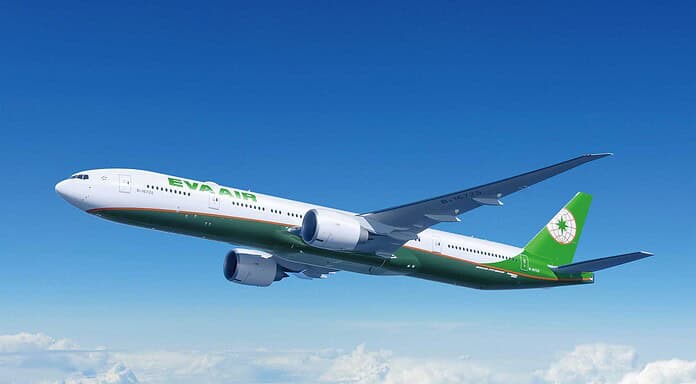
EVA AIR has unveiled its completely redesigned Premium Economy Class, which will debut on the Munich-Taipei route on May 17. The new offering features industry-leading seat design and outstanding comfort features that come close to the Business Class experience.

Introduction of Premium Economy on long-haul flights

EVA AIR, known for innovation in the aviation industry, has announced the launch of its newly designed Premium Economy Class. Willy Lo, General Manager of EVA AIR Germany, said the new cabin experience can be booked now and underlines the airline’s high standard of comfort. The new seat pitch of 107 centimeters and the inclination of the seat by 20 centimeters are intended to significantly increase comfort on long flights.

State-of-the-art technical equipment

The Premium Economy Class of the new Boeing 787-9 Dreamliner is equipped with 28 seats in a 2-3-2 configuration. Entertainment is provided by a high-tech system with 15.6-inch widescreen monitors and multi-function entertainment, which is available to passengers throughout the journey. In addition, power sockets and USB ports are offered to meet the technical needs of travelers.

Luxurious design and comfort

The redesign of the seats includes side protection on the headrests and built-in reading lights for more privacy. EVA AIR has used high-quality materials, including leather upholstery for the headrests, armrests and footrests. These details aim to provide a luxurious, yet environmentally friendly travel experience. Bamboo fiber napkins are an example of the airline’s sustainable commitment.

World-leading service

EVA AIR plans to use the newly designed Premium Economy Class not only on the Munich-Taipei route, but also on other European flights to Milan and Vienna. The comprehensive premium service ranges from exclusive amenities to porcelain tableware from the Guzzini brand. An amenity kit from the renowned HUNTER brand was selected to demonstrate the commitment to customer comfort.

EVA AIR is an internationally recognized airline known for its innovative cabin concepts and high quality of service. Since the introduction of Premium Economy Class in 1992, EVA AIR has set progressive standards in the industry to meet the changing needs of modern travelers. Sustainability and first-class customer service are at the heart of this.

United Airlines equips first regional jet with Starlink

Fast and efficient installation

United Airlines reports that installing the Starlink equipment on the regional jet took just eight hours, about ten times faster than previous methods for installing internet solutions on aircraft. This new technology marks the beginning of a major transition, as United Airlines plans to equip over 40 additional regional jets with Starlink every month starting in May 2025 and convert the entire regional fleet, which has a two-class configuration, by the end of the year.

Powerful Internet speed

The new Starlink Wi-Fi is expected to reach speeds of up to 250 Mbps, which United Airlines says is 50 times faster than traditional internet on regional aircraft. This high speed promises an improved user experience, especially for members of United’s MileagePlus frequent flyer program, who can use the Starlink service free of charge.

Significant benefits for flight operations

United Airlines points out that the Starlink conversion takes four days, while switching to other systems would require ten or more days. The new system’s equipment is significantly lighter at 85 pounds and is electronically controlled, which significantly reduces maintenance requirements. These factors together help to shorten the maintenance cycle and make flight operations more efficient.

Reliable Internet access regardless of the weather

Since Starlink works with a laser intersatellite communication system, the weather on the ground does not affect internet reception in the air. United Airlines says that planes with Starlink use the best option from a network of low-Earth satellites to ensure reliable Wi-Fi access for passengers. This technology stands out from existing solutions due to its high reliability.

United Airlines is using technological innovation to increase travel comfort and make flight operations more effective. With a progressive approach to implementing technologies like Starlink, the company is demonstrating its commitment to improving the customer experience. United aims to equip its entire fleet with Starlink in the near future.

Air rescue: New roof station for Christoph 43 opened in Karlsruhe

In Karlsruhe, the new air rescue base on the roof of the ViDia Christian Clinics was officially opened. State Secretary Thomas Blenke and Mayor Bettina Lisbach stressed the importance of this station for emergency care in the region. Christoph 43 returned to its original location after nine years.

Importance of Air Rescue in Karlsruhe

During the opening ceremony, State Secretary Thomas Blenke and Mayor Bettina Lisbach highlighted the central role of the air rescue base. It makes a significant contribution to emergency care in both urban and rural areas. The return of Christoph 43 to its original location will enable even more efficient care for the population.

History and Meaning of Christoph 43

Christoph 43, the rescue helicopter of the DRF Air Rescue, has a history of almost 50 years in Karlsruhe. Once known under the call name Red Cross Baden-Württemberg 06, it was put into service in 1975. Richard Wentges and Dr. Krystian Pracz reflected on the long tradition and the ongoing relevance of air rescue in the region.

Modern infrastructure and optimal conditions

The new roof station offers the crew of pilots, emergency doctors and paramedics the most modern working conditions. These include rest rooms with sanitary facilities, a lounge and a hygienically equipped work area. Thanks to the new equipment, mission preparation, administration and patient care are significantly improved.

Improved patient care

The rooftop landing pad allows patients to be transported directly to the emergency room without the additional transfer in an ambulance. An additional parking position for additional helicopters significantly improves rapid medical care in emergencies. Such infrastructural improvements make a decisive contribution to efficiency.

DRF Luftrettung is a leading provider of air rescue services in Germany and stands for reliability, speed and medical excellence. For decades, it has set standards in emergency rescue and is continuously improving its services through innovative technology and experienced specialist staff.

Lufthansa City Airlines discusses reducing language skills

The Independent Flight Attendants Organisation (UFO) expresses concern about Lufthansa City Airlines’ announcement to hire cabin crew without German language skills. This could jeopardise existing safety standards that have so far been supported by the UFO and the European Aviation Safety Agency (EASA).

Security concerns due to language skills

UFO is concerned that Lufthansa City Airlines is planning to employ cabin crew who do not speak German. Joachim Vázquez Bürger of UFO argues that this not only represents a deviation from established safety standards, but could also endanger safety on board. Together with EASA, last week they emphasized the importance of a uniform language for efficient communication in emergency situations.

German as a prerequisite questioned

The union criticizes the fact that knowledge of German and English is no longer a mandatory requirement for employment at Lufthansa City Airlines. This would undermine the current requirements and have a negative impact on quality and safety on board. The testing of English skills is also only carried out half-heartedly, it says.

Connection with corporate strategy

UFO sees the lowering of qualification standards as being directly linked to the announcement by Lufthansa CEO Carsten Spohr, who emphasized that aircraft should be stationed where operating costs are lowest. Vázquez Bürger goes on to say that this is a worrying trend that threatens not only quality but also safety standards in the long term.

Call for negotiations

UFO demands that constructive collective bargaining should be initiated immediately to ensure attractive and safe, but competitive working conditions. This is essential in order to compete for skilled workers without compromising safety. The union stands ready to address future and existing concerns.

The Independent Flight Attendants Organisation (UFO) is the leading union for cabin crew in Germany. With a focus on safety and fair working conditions, the organisation advocates for the interests of the crew and for maintaining the highest safety standards in air traffic.

Embraer strengthens position in freight and leasing markets

0

Embraer Commercial Aviation has established a new Global Leasing and Freighter team to further grow in the freight and leasing markets. The Amsterdam-based team combines expertise in E-Jet conversions and commercial aircraft leasing. Oliver Gerg will lead the team as the new Senior Vice President.

Strategic team building at the global aviation hub

Embraer has taken an important step in establishing a new Global Leasing and Freighter team. The team is positioned in Amsterdam, a central hub of global aviation. This strategic decision aims to bring together the multitude of expertise in the areas of E-Jet passenger conversions and commercial aircraft leasing under a unified structure. Through this new focus, Embraer aims to capitalize on the challenges and opportunities of the dynamic aviation markets.

Global Leasing: Experienced leadership for future growth

Oliver Gerg has been appointed Senior Vice President to lead the new team. With extensive experience leading the Global Leasing team and a key contribution to the launch of the E-Freighter in 2022, he brings a unique expertise. His role ensures that the team’s activities are implemented effectively and reports directly to Martyn Holmes, Chief Commercial Officer of Embraer Commercial Aviation.

Combining innovation and market experience

Martyn Holmes underlines the importance of this team building with the vision to expand into the growing cargo and leasing markets. He stresses that Oliver Ger’s extensive industry knowledge and deep understanding of Embraer’s business make him the ideal choice to lead this venture. The potential for outstanding value for customers and stakeholders is the focus of this strategic initiative.

Commitment to innovation and customer orientation

The re-orientation of the team’s strategy reflects Embraer’s commitment to innovation and customer focus. In an ever-changing aviation sector, it clearly positions the company to meet the evolving needs of the global market. This adjustment underlines Embraer’s goal to always operate at the forefront of technology and customer satisfaction.

Embraer is a global leader in the aviation industry, known for its innovative strength and customer focus. With a wide range of aircraft, Embraer serves the needs of the civil market as well as military requirements. The company sets standards in aviation technology and pursues a clear growth strategy to further expand its global presence.

Cashless Shopping from April at Wizz Air

Wizz Air, Europe’s greenest airline, plans to make all onboard purchases cashless from April 1st. Payments will be made exclusively by card, with options such as Apple Pay and Revolut. This initiative increases comfort and hygiene for passengers and crew.

Cashless: Introduction of the cashless payment system

Wizz Air, known for its sustainable flight solutions, has announced that it will introduce a cashless payment system on board its aircraft from April 1. All purchases will now be made by card only, including contactless options such as Apple Pay, Samsung Pay, Android Pay and Google Pay. This measure is intended to increase convenience for passengers and simplify the payment process.

Advanced payment options with Revolut

In addition to the VISA and Mastercard payments already accepted, Wizz Air will also accept Revolut cards. Thanks to a partnership with Revolut, new users can receive up to 25 euros after spending their first five euros with Revolut. In addition, customers who pay with Revolut Pay can collect loyalty points and redeem them for future purchases. Until April 4, 2025, customers who pay for Wizz Air flights with Revolut Pay will receive ten times more loyalty points.

Advantages of a cashless transaction

The cashless payment system offers the advantage that passengers do not have to carry large amounts of cash with them. This not only increases convenience, but also the speed and efficiency of the service on board. Furthermore, cashless processing contributes to improved hygiene, as the crew no longer has to handle cash.

Transaction security measures

To provide passengers with the greatest possible security, the Wizz Air mobile app allows the purchase of a prepaid voucher. Using this system requires a boarding pass for transactions of 50 euros or more, and the maximum purchase amount allowed is 150 euros per customer. These measures are designed to prevent abuse and make the process safer for everyone involved.

Wizz Air, founded in 2004, has since transported over 50 million passengers to and from Germany and currently operates 94 routes in 15 countries from eleven German airports. The airline is committed to environmentally friendly travel options and is constantly integrating innovative solutions for improved passenger experiences.

CanSat competition announces winners

For more than a decade, the German CanSat competition, co-organized by the German Aerospace Center (DLR), has inspired young talents to develop their own mini satellites. From March 3 to 7, 2025, committed school teams from across Germany presented their scientific and technical projects as part of the launch campaign in Bremen. The can satellites, also called “CanSats”, are launched to a height of up to one kilometer using a model rocket to fulfill their individual scientific missions.

Winners – Award-winning teams

1st place: AERO from Vaihingen an der Enz, Baden-Württemberg

Team “AERO”

Team "AERO"
Team “AERO” (© CanSat)

The air in our atmosphere – it is one of the most essential requirements for life as we know it, but instead of taking care of it, it is becoming increasingly polluted. In order to counteract this, however, the origin and extent of such pollution must first be determined. We, the AERO team, have set ourselves the task of testing a new method with which the extent and impact of such pollution can be determined using PM values ​​and VOC gas concentrations in order to be able to take effective countermeasures.

Jury comment on first place: “Very good, extensive technical implementation and perfect presentation”

2nd place: WOTAN from Neu-Isenburg, Hesse

Team WOTAN

Team "WOTAN"
Team “WOTAN” (© CanSat)

We are the WOTAN team from Neu-Isenburg! In our picture you can see from left to right: Nevena, Hendrik, Frederik (all grade 11) and Yuanzhen (grade 13). We are all part of our school’s youth research group “Ideenflamme” and are supervised by the math, physics and chemistry teacher Andreas Fäth. We became aware of the CanSat competition at the IdeenExpo in Hanover, where we were able to exhibit two of our projects. Our satellite combines data from three measuring systems, which are controlled by two microchips at the same time, to form a map. We are looking forward to the launch in Bremen in 2025! @cansat_ideenflamme

Jury comment on second place: “Very good public relations and poster presentation”

3rd place: Plexplore from Schwalbach am Taunus, Hesse

Team “Plexplore”

Team "Plexplore"
Team “Plexplore” (© CanSat)

Hi, we are Team PLEXPLORE and we are taking part in the German CanSat competition for the second time this year. We come from the Albert Einstein School in Schwalbach am Taunus and are in grades 12 and 13. From left to right we are Patrick, Andreas, Lena and Yash. We are continuing our basic idea from last year – to explore alien planets. This time, however, we want to know whether we can determine life-friendly or life-hostile properties on an alien planet based on gases. If you want to follow the development and construction process of our CanSat, you can visit our website plexplore.org or our Instagram account @plexplore.

Jury comment on third place: “Great documentation of the launch week with video blog and professional evaluation tool”

Comments from the CanSat jury

Dr. Dirk Stiefs, jury member of the competition and head of the DLR_School_Lab Bremen, commented on the result: “The ranking of the teams was not easy for the jury, and I would like to stress that every team that made it to the launch campaign is among the best.”

Bremen’s Senator for Children and Education, Sascha Karolin Aulepp, adds: “The satellite in a can: In the CanSat competition, schoolchildren delve into the world of space travel and send their canned mini satellites into the sky. This not only imparts knowledge, but also awakens the curiosity and inventiveness of young people. Here at the aerospace location of Bremen, new talents are actively shaping the future of science and technology year after year with their own mini satellites.”

During the launch campaign, the teams had the opportunity to present their months of work to an expert jury and at the same time gain exciting insights into Bremen’s aerospace industry. During the competition, they develop innovative experiments, develop creative solutions to real challenges and learn how interdisciplinary cooperation and technical know-how work together in the aerospace industry. As every year, the highlight of the launch campaign in the “City of Aerospace” Bremen was the rocket launch with a model rocket at Rotenburg (Wümme) airfield.

Innovative scientific and technical ideas

This year, the teams have once again come up with exciting and innovative concepts for their mini satellites. Two teams, for example, are dedicated to the habitability of alien celestial bodies. One team is investigating the strength of the magnetic field, which plays a crucial role in protecting a planet from solar winds. Another team is concentrating on analyzing the atmosphere and measuring parameters such as fine dust, oxygen and CO2 concentrations in order to gain insights into air quality and environmental conditions. But the teams are also addressing technical challenges: one team wants to ensure a safe landing using autonomously extendable landing legs and another wants to transport sensitive solar cells undamaged with the CanSat.

How do I apply?

Interested students aged 14 and over can apply for the next competition in August 2025. Teams with at least four members will then have around six months to design, build and test their creative mini satellites. All further information is available at www.cansat.de.

Who is behind the CanSat competition?

The German CanSat competition is coordinated by the German education office of the European Space Agency (ESA), ESERO Germany, and organized with national and local partners such as the German Aerospace Center (DLR), the Institute of Aerospace Technology (IAT) of the Bremen University of Applied Sciences, Space Rocket Technology GmbH, the Center for Applied Space Technology and Microgravity (ZARM) of the University of Bremen and the Geographical Institute of the Ruhr University Bochum. The Senator for Children and Education Bremen is the patron of the national competition.

The competition is sponsored by OHB Bremen and other co-organizers.

Rotor R550 Sprayhawk UAV receives approval in Brazil

Brazil’s National Civil Aviation Authority has approved the Rotor R550 Sprayhawk unmanned aerial vehicle for commercial agricultural use. This approval marks a significant step in the use of advanced UAV technologies to improve efficiency and safety in Brazilian agriculture.

Regulation and innovation

The National Civil Aviation Authority of Brazil (ANAC) confirms that the Rotor R550 Sprayhawk unmanned aircraft complies with the specific regulations for civil unmanned aircraft, allowing the start of commercial agricultural operations in Brazil. ANAC is the first regulator in the world to authorize commercial operations for the Sprayhawk, a pioneer in the promotion of innovative aviation technologies.

Rotor R550 Sprayhawk: Technical specifications and applications

The Sprayhawk is an unmanned variant of the Robinson R44 helicopter with a maximum takeoff weight of 2,500 pounds and a spray capacity of over 110 gallons. This configuration allows it to cover more than 200 acres per hour at a lower cost per acre compared to smaller UAVs or comparable manned platforms. The permit covers the commercial application of agrochemicals, fertilizers and seeds over unpopulated areas and under visual flight conditions.

International consent and security measures

Current efforts are also seeking FAA approval for commercial agricultural operations in the US, similar to those granted for other agricultural UAVs. Operations will initially be conducted with a safety remote pilot who holds a commercial pilot license and has completed Rotor factory training to ensure the highest safety standards.

Fernanda Bremenkamp (third from left) from Rotor Technologies with ANAC employees
Fernanda Bremenkamp (third from left) from Rotor Technologies with ANAC employees. (© Rotor Technologies)

Sprayhawk: Cooperations and market strategies

The Sprayhawk will initially be offered as a retrofit kit that can convert existing manned Robinson R44 helicopters into Sprayhawks through certain Robinson service centers. This opens up significant business opportunities for Robinson Helicopter Company and Rotor Technologies through expanded marketing and distribution in the Brazilian agricultural sector. Together they offer a cost-effective alternative to fixed-wing aircraft or small drones.

Rotor Technologies and Robinson Helicopter Company remain committed to pioneering innovative and technologically advanced solutions designed to improve efficiency and safety in aviation. Their shared commitment to sustainable innovation not only supports agriculture, but also the growth and development of a robust aviation ecosystem.

Rotor develops drones for heavy loads

Rotor, a leading developer of autonomous technology and unmanned aerial vehicles based in Nashua, NH, has announced the development and certification of their new heavy-lift drones. These drones are specifically designed for applications in the agriculture and utility sectors.

Innovative Technology for Agriculture

Rotor says its new heavy-lift drones will play a crucial role in modernizing agricultural processes. Farmers could use the drones to efficiently transport heavy tools and supplies. This technology is expected to increase productivity and reduce human workload. Rotor has also released details of the drones’ powerful automation and autonomous control, which ensure precise and reliable deployment.

Possible uses in the utility sector

The company also sees great potential for its heavy-duty drones in the utility sector. The drones could be used to deliver materials to hard-to-reach places, often avoiding costly and time-consuming transport. Rotor emphasizes that the drones are equipped with safer and more robust transport systems to ensure reliability even under demanding conditions.

Certification progress

Rotor emphasizes that the certification process for the new drones is progressing. By complying with strict legal regulations, the company wants to ensure that the drones meet the highest safety standards. These measures are crucial to gaining the trust of end users and promoting the seamless use of the technology. The company says it is in close contact with the regulatory authorities to establish sustainable and legally compliant operating methods.

Future prospects and development

Rotor plans to further expand its innovations in the field of autonomous flight solutions. The strategic investments in research and development are intended to pave the way for further groundbreaking technologies within the industry. The company is committed to maximizing the efficiency and application possibilities of heavy drones through continuous optimization of its products. Potential partnerships with key industrial players would further strengthen Rotor’s position in the global market.

Based in Nashua, NH, Rotor is focused on developing and certifying innovative heavy-lift drones. The company is committed to revolutionizing the agricultural and industrial sectors by providing advanced autonomy and flight technologies. Rotor is at the forefront of a technology movement that places equal emphasis on efficiency and safety.

Robinson Helicopter brings innovations to Munich

According to reports, Robinson Helicopter Company is demonstrating its latest safety-enhancing technologies in the helicopter industry in Munich. The company has played a leading role in modern helicopter development for over five decades by developing reliable and efficient models.

Focus on innovation and security

Apparently, Robinson Helicopter is emphasizing the integration of safety-enhancing technologies that are making a lasting impact on the industry. Recent developments include OEM-designed, crash-resistant fuel cells and 4K camera systems in the cockpit, which are designed to provide additional safety for both pilots and passengers. These technologies aim to make the flight experience safer and more comfortable and set the industry standard.

Autopilot systems and improved visibility

It is reported that the company has introduced advanced autopilot systems that not only reduce the effort required to operate the aircraft but also improve precision when flying. Robinson Helicopter is also using windows with increased impact resistance and NVG-compatible cockpits that are designed to provide better visibility even in difficult conditions. These features could provide a stimulus for innovation, especially in the aviation industry.

Commitment to efficiency and reliability

Robinson Helicopter remains committed to providing the most reliable helicopters on the market. Their constant focus on optimizing energy efficiency not only helps conserve natural resources, but also reduces operating costs. Each model is developed to the highest industry standards and is designed to meet the requirements of both traditional and unmanned missions.

Outlook on Unmanned Aerial Systems

According to information, Robinson Helicopter intends to meet the growing demand for unmanned flight solutions. The integration of this technology could redefine the way aviation responds to new challenges. Such developments would not only increase efficiency in aviation use, but also open up new application possibilities for a variety of industries.

For over 50 years, Robinson Helicopter Company has been known for the design, manufacture and support of both manned and unmanned helicopters. With groundbreaking safety-enhancing innovations, Robinson remains an industry pioneer and is committed to presenting industry-leading technologies in aviation.