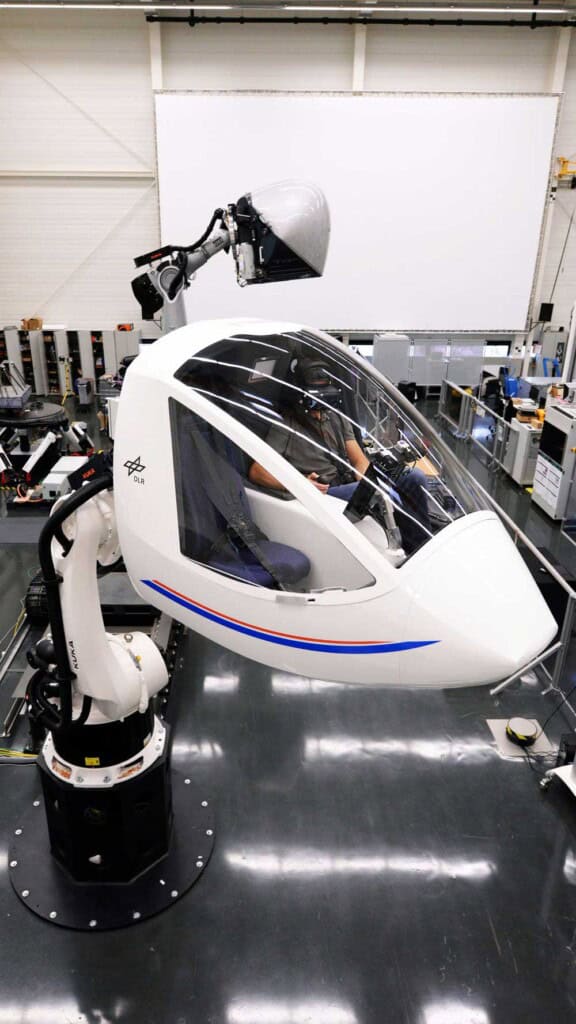
At AERO in Friedrichshafen, the leading trade fair for aviation and business aviation, the DLR is presenting innovative technological solutions, including a system for remote monitoring of airports and a virtual flight simulator.
Virtual surveillance for airports
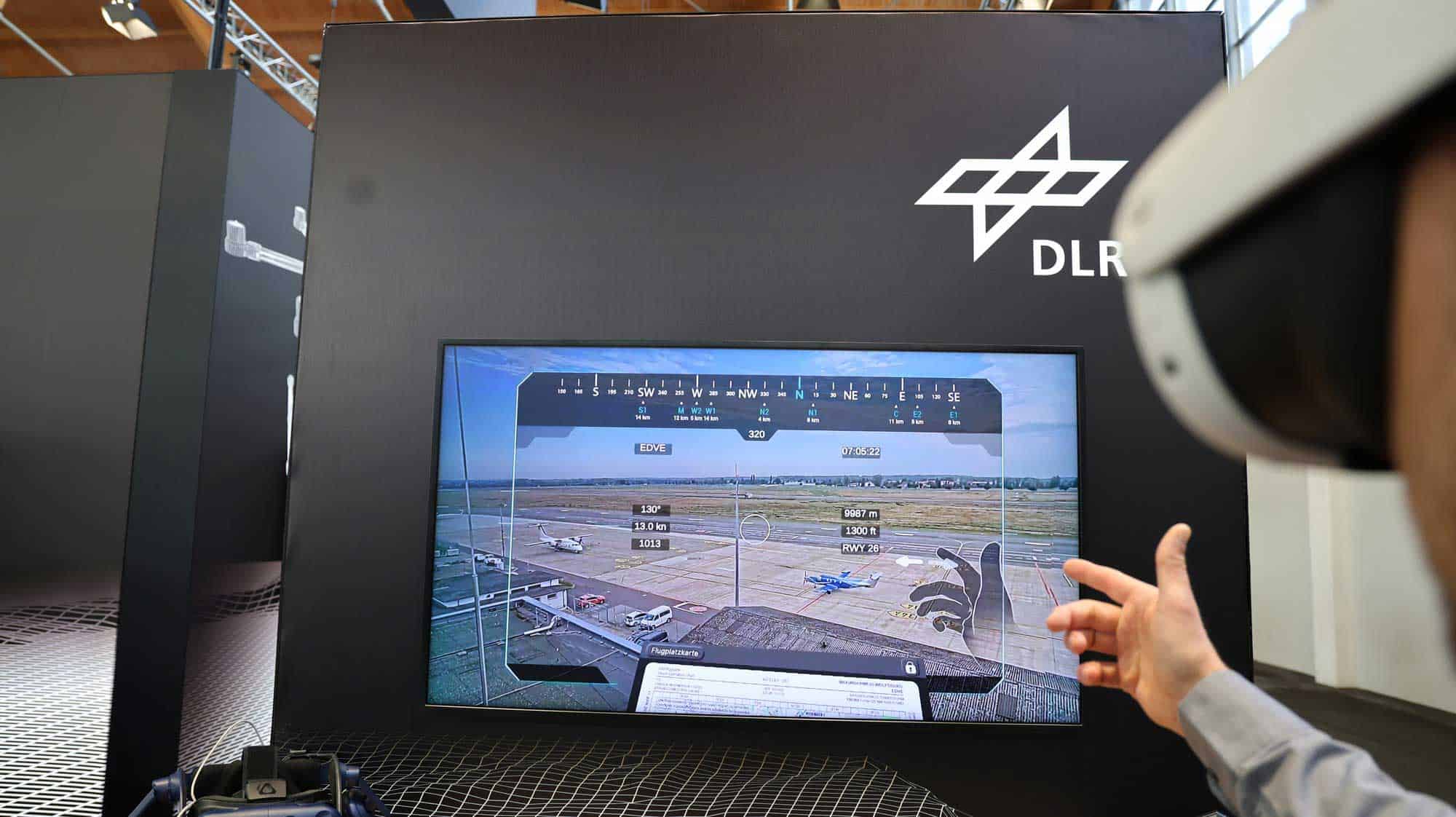
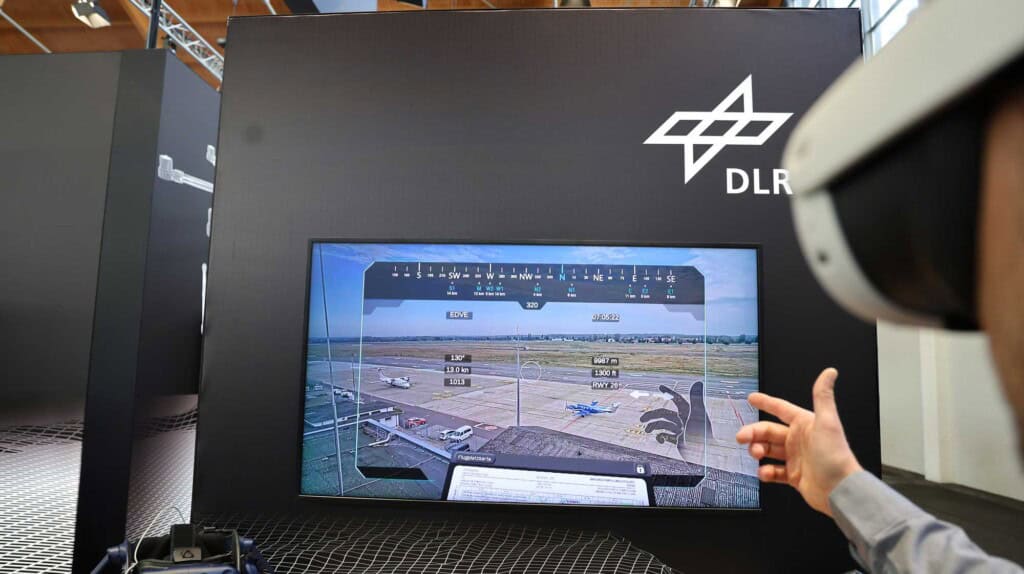
The German Aerospace Center (DLR) is presenting the Virtual Tower concept at AERO 2025. This innovative technology allows air traffic controllers to control air traffic from anywhere in the world. Virtual reality headsets transform an air traffic controller’s workplace into a virtual environment. This could offer economic benefits, particularly for small and medium-sized airports, by making operations more cost-efficient. The development was realized in collaboration with universities, airports, and air traffic control authorities. The benefit of this technology lies in the location-independent control of multiple airports simultaneously.
Playful learning with SMART-MET
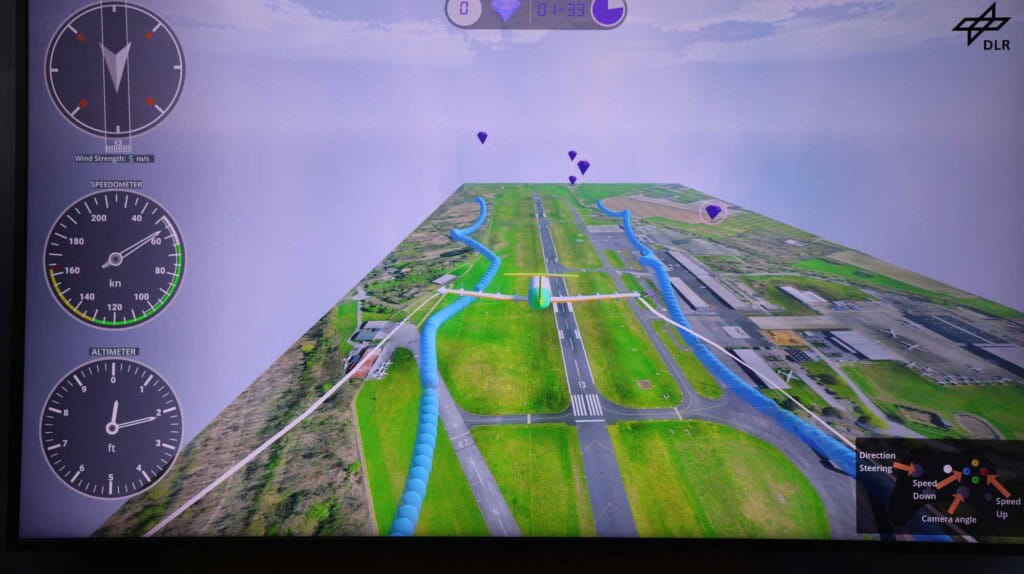
As part of the SMART-MET research project, DLR is presenting an innovative learning method for safety aspects of electric flight. Trade fair visitors can test their strategy for a safe arrival in an electric aircraft in a two-dimensional retro game called “Icing,” which explores the challenges of de-icing. The three-dimensional game “Wake Vortices” involves collecting virtual diamonds while answering questions about wake turbulence. This playful approach is intended to provide a simple approach to complex technologies and safety issues.
Technologies for electrified drives
In addition to virtual innovation, DLR is also focusing on technologies for electrified propulsion at AERO. Particular attention is paid to thermal management, which is critical for the further development of efficient propulsion systems. These technologies could help shape the future of aviation through more sustainable and safer propulsion systems and will be explained in detail at the DLR booth.
Research into satellite-based navigation
The trade fair also offers insights into the reliability of satellite-based positioning. This is an essential element of modern aviation technology, especially with regard to the integration of air traffic systems at different airports. DLR is conducting intensive research into ways to further improve the precision and reliability of such systems.
The German Aerospace Center (DLR) is Germany’s national research institution for aeronautics, space, energy, transport, and security. With over 8,000 employees, DLR develops solutions for the needs of modern society and the future. Its research activities cover a broad spectrum from basic research to the development of pioneering technologies.
FAIRS: Latest aviation developments
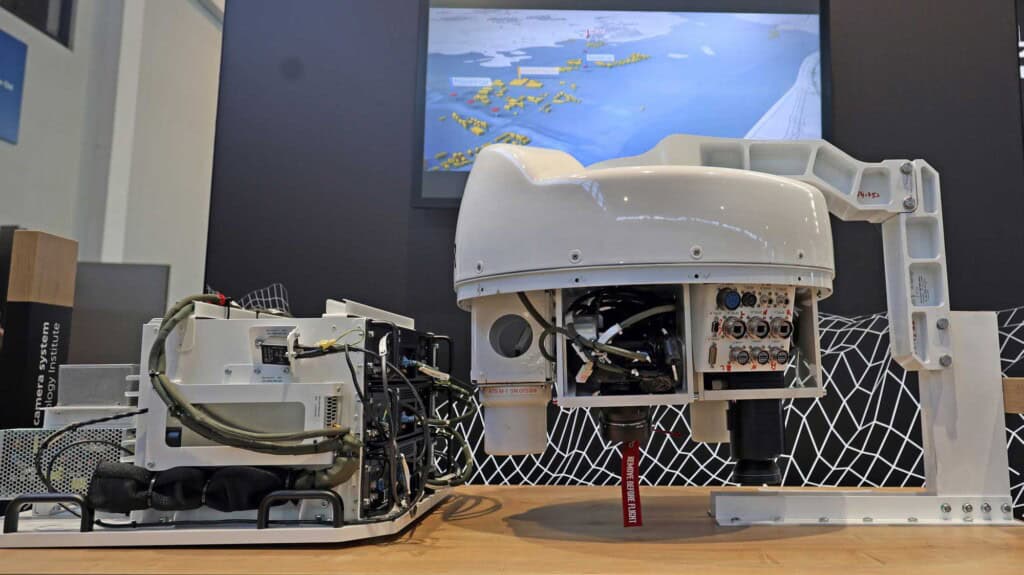
The DLR Remote Sensing Technology Institute will present the advanced VABENE aerial camera system for helicopters from the FAIRS project. DLR will also showcase groundbreaking innovations in small aircraft, interference-free GNSS reception, and technologies for climate-friendly aviation.
Optimized aerial camera system
The FAIRS system from the DLR Remote Sensing Technology Institute is considered the latest advancement in the VABENE aerial camera system. Its three high-resolution cameras are specifically designed for helicopter use in traffic and disaster management. The images are processed on board in real time and sent directly to the users. An LTE data network, powerful antennas, and a compact computer unit enable high-precision image analysis, which is useful in disaster situations.
Research aircraft Discus-2c DLR
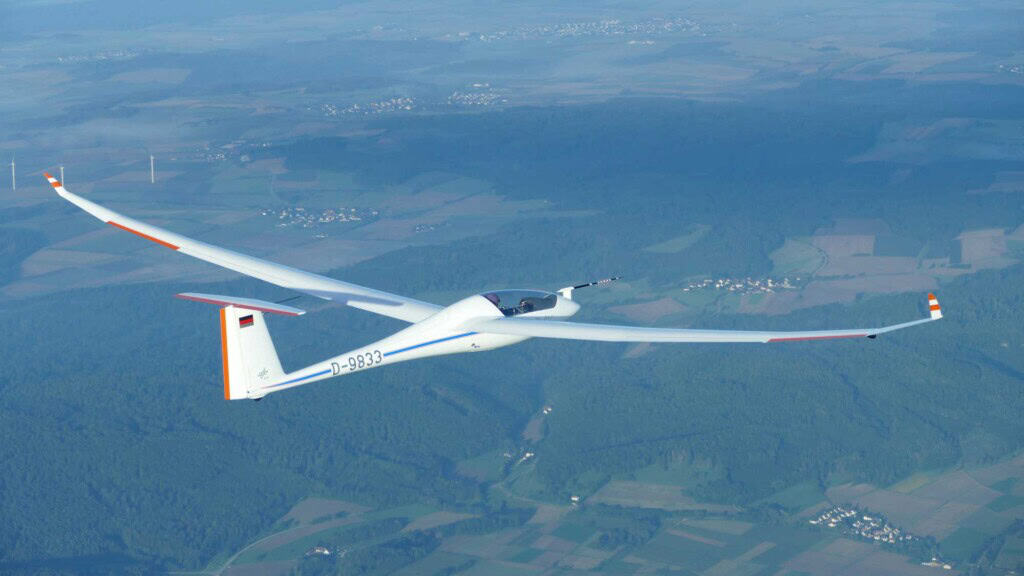
The DLR Discus-2c research aircraft opens up new possibilities in small aviation. Based on a popular glider made of carbon fiber reinforced plastic, it is operated by the DLR Flight Experiments Facility. It serves as a prototype for research in the fields of aerodynamics, flight mechanics, and aeroelasticity, as well as for digitalization research.
GALANT system: Robust GNSS reception
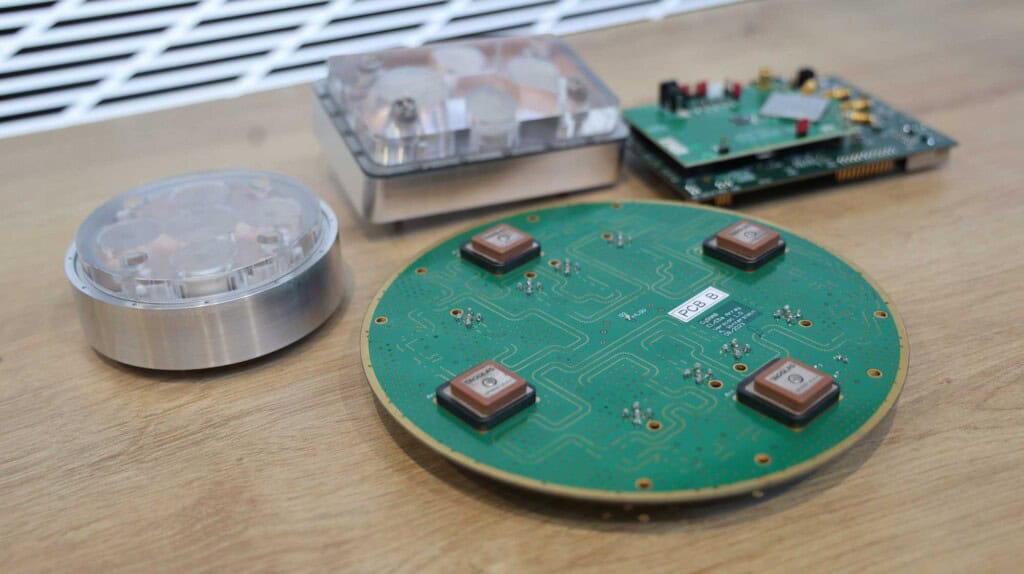
The DLR Institute of Communications and Navigation has developed a GNSS receiver that effectively detects and suppresses signal interference such as jamming and spoofing. Using the GALANT system, researchers demonstrate how it works reliably on drones and enables precise navigation. This system guarantees robust positioning, essential for landing approaches.
Innovations in climate-friendly flying
The DLR will present advanced research in electric propulsion systems for aircraft, such as HEX 4 ELECTRA, and the Airfox software tool for simulating fuel cell systems. A focus will be on thermal management of hydrogen-powered propulsion systems integrated into 3D-printed structures. The presentation will take place as part of AERO 2025.
The German Aerospace Center (DLR) promotes ambitious research in aerospace, energy, transport, security, and digitalization. As Germany’s leading research organization, it sets standards in technology and science, working closely with academic, industrial, and national and international partners.