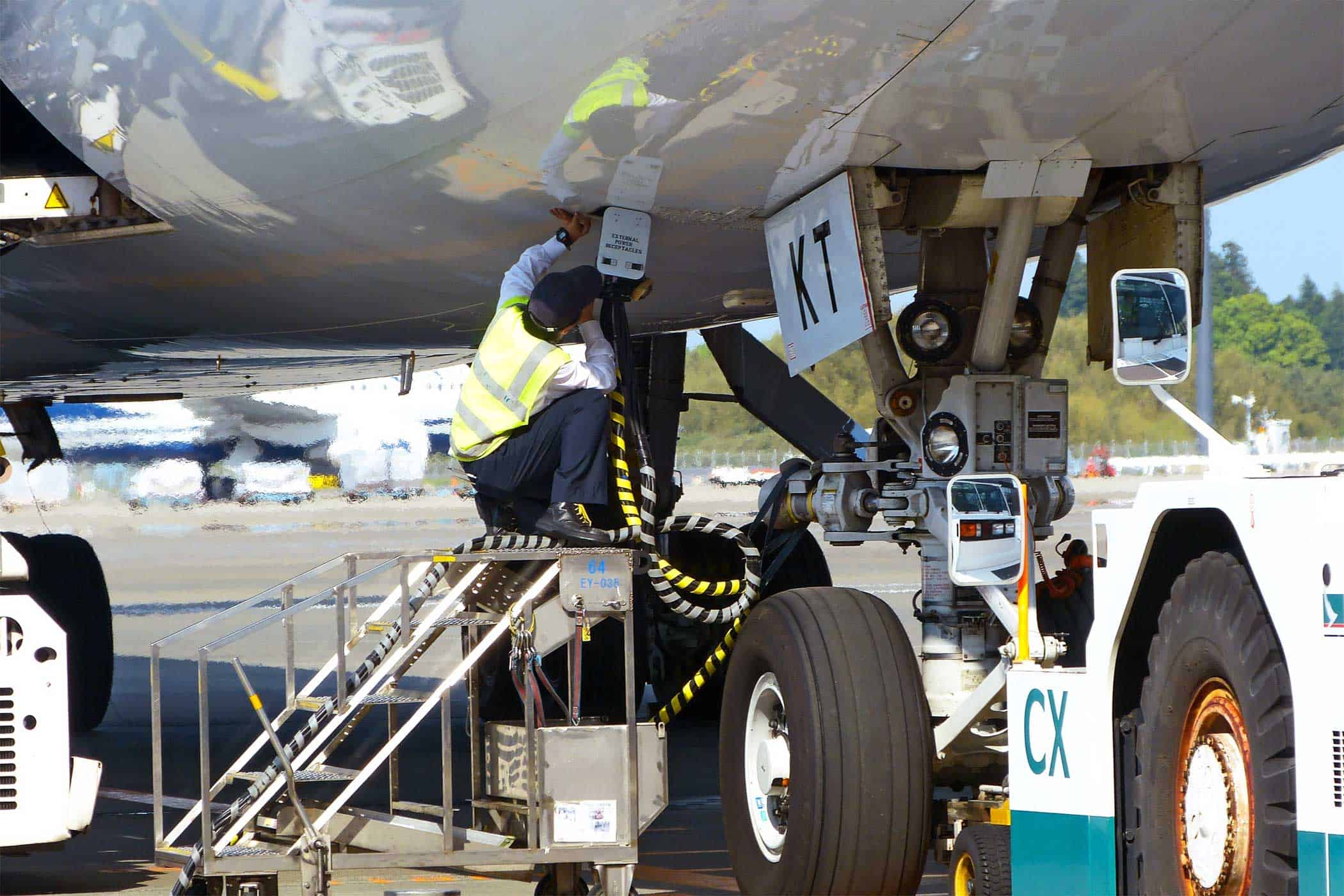
Introduction to the world of aviation fuels
The world of aviation fuels is diverse and complex. For pilots and aviation enthusiasts, understanding the differences between common fuels such as avgas, mogas, and kerosene is essential. Factors like price, sustainability, availability, and technological advancements play a crucial role. In this article, we examine the respective properties, advantages, and disadvantages of each fuel and provide a comprehensive overview of current trends and research on these aviation fuels.
What are aviation fuels? Basics and definitions
Aviation fuels power aircraft and vary depending on the aircraft type and application. Avgas (Aviation Gasoline) is a leaded or unleaded substitute for gasoline, primarily used in piston engines. Mogas (Motor Gasoline) refers to standard gasoline occasionally used in light aircraft. Kerosene is a distilled petroleum product and the standard fuel for turbine aircraft, including jets and turboprops.
Prices and availability
Prices for aviation fuels vary considerably, influenced by crude oil prices, regional availability, and demand. Avgas is generally more expensive than mogas due to special additives and production processes. Kerosene is comparatively cheaper, especially in large quantities, and widely available internationally. Increasing regulation and the decline of avgas are promoting the use of alternatives such as mogas, provided the technical requirements are met.
Sustainability: Environmental aspects and technological advances
In times of increasingly stringent environmental regulations, sustainable aviation fuels are gaining importance. Avgas is controversial due to its lead content and is being replaced by lead-free alternatives. Mogas has a smaller environmental footprint but is subject to limitations regarding gasoline quality and engine compatibility. Kerosene is the focus for the development of sustainable aviation fuel (SAF), which can partially or completely replace fossil kerosene. These advances aim to reduce CO2 emissions and make aviation more environmentally friendly.
Technical advantages and disadvantages of aviation fuels
- Avgas: Offers high performance for piston engines, but is expensive and environmentally harmful due to lead. Availability is declining.
- Mogas: Cheaper and less environmentally damaging, but not approved for all aircraft types and often associated with quality problems.
- Kerosene: Very efficient in turbine engines, inexpensive and widely available, but a significant source of CO2. The development of SAF (Single Air Fuel) is a major advantage.
Aviation fuel comparison table
| Eigenschaft | Avgas | Mogas | Kerosene |
|---|---|---|---|
| Use | Piston engines | Light aircraft | Turbine aircraft |
| Price | High | Low to medium | Medium to Low |
| Environmental friendliness | Low (lead) | Moderat | Improved by SAF |
| Availability | Declining | Regionally limited | Global |
| Technical advances | Limited | Restricted | Strong (SAF development) |
Current research and outlook
The aviation industry is working intensively on the further development of sustainable aviation fuels. SAF (Sustainable Aviation Fuel) is currently being researched and tested to supplement or replace kerosene. Lead-free alternatives to avgas are also under development. The challenges lie in cost reduction, security of supply, and compatibility with existing aircraft engines.
Conclusion
Understanding the differences between avgas, mogas, and kerosene is essential for pilots and aviation enthusiasts. Price, availability, and sustainability play a central role in choosing the right fuel. Technological advancements, particularly in the field of sustainable aviation fuels, offer promising prospects for the future of aviation.
Stay informed about current developments in aviation and aviation fuels so you can make informed decisions. Subscribe to our aviation magazine for regular new articles and expert analyses.
More on the topic of aviation fuel