Introduction
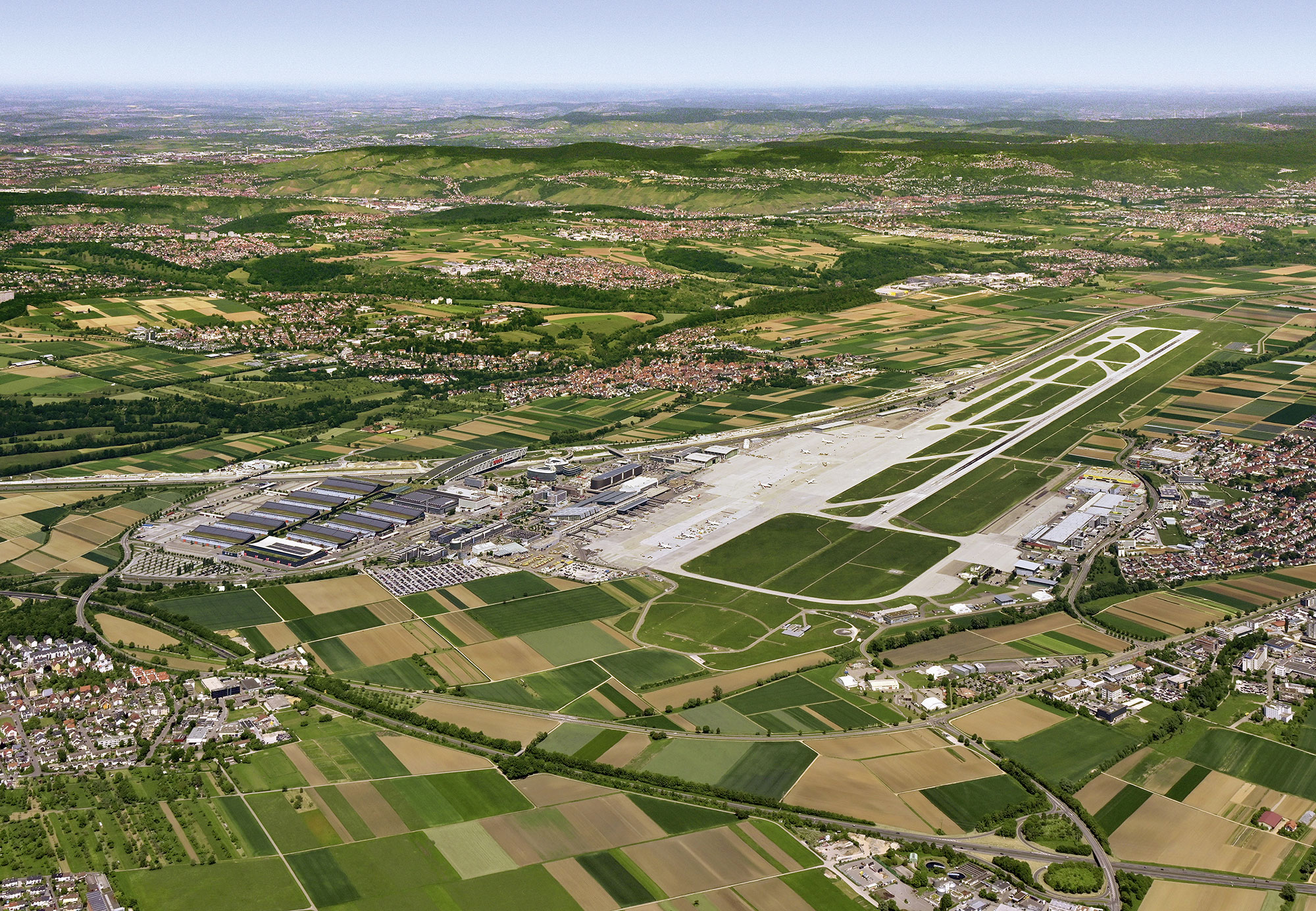
The precise operation of an Instrument Landing System (ILS) is a fundamental requirement for the safe functioning of modern airports. To ensure this safety, the German Air Navigation Services (DFS) will conduct an extensive recalibration survey at a major commercial airport next week. The process will involve several calibration flights – scheduled primarily at night to take advantage of optimal environmental conditions – to verify the technical parameters of the runway. This procedure is of great importance to both airlines and passengers, as a correctly calibrated ILS assists pilots in performing safe landings, especially during periods of poor visibility.
Overall, these regular surveys not only reflect a high technical standard but also constitute a statutory requirement, which DFS fulfills in collaboration with the airport operating company. Particular attention is paid to the precise approach paths from both ends of the runway, allowing for any necessary adjustments to be made to the navigation aids. Consequently, these checks make a vital contribution to flight safety and help prevent delays or incidents.
Procedure for calibration flights and technical background
The instrument landing system is a radio-based facility that assists pilots in precisely navigating their approach to a runway. It typically consists of several components, such as the localizer signal and the glide path signal, which together define an accurate approach path for landing. To ensure that these signals are transmitted correctly and reliably, they must be calibrated and verified using a specially equipped flight-inspection aircraft.
The calibration flights are scheduled for November 23 and 24. During these operations, the calibration aircraft will make multiple approaches to the runway from both the west and the east in order to capture all relevant angles and reception conditions for the ILS signals. These flights will take place primarily at night to minimize the impact of weather conditions and air traffic. Should complications arise due to unfavorable weather, additional night flights may also be required on the following Wednesday to ensure the measurements are completed thoroughly.
Following the flights, the data collected is processed by specialized technicians who can identify and rectify any deviations or malfunctions at an early stage. This ensures that the ILS (Instrument Landing System) continues to operate with consistent precision and meets all necessary flight safety requirements. Without these regular checks, errors in signal transmission could arise – a situation that would pose a serious risk to air traffic, particularly during periods of poor visibility.
The Importance of Calibration for Flight Safety and Airport Operations
The systematic testing and calibration of the instrument landing system (ILS) is a fundamental measure for enhancing aviation safety. Especially during periods of fog, darkness, or snow, pilots rely on the support of the ILS to approach the runway with pinpoint accuracy. This means that overall airport operations are heavily dependent on this navigation aid functioning flawlessly.
Furthermore, the reliable functioning of the system ensures a high level of operational stability. Flights can be planned and executed with precision, delays caused by unnecessary holding patterns are reduced, and the risk of flight diversions decreases. Consequently, it is not only the passengers who benefit from an efficient infrastructure; airlines and the airport itself also gain, as they are able to demonstrate smooth, international-standard operations.
The commitment shown by air traffic control and the airport operator in this regard underscores the high priority placed on safety and quality in aviation. Through this re-surveying process, they reaffirm their dedication to conducting regular technical inspections and keeping pace with ongoing developments in aviation technology. At the same time, they are fulfilling the legal requirements that mandate these measurements to ensure safe air traffic operations.
Impact on local residents and the public
Although these calibration flights are essential for aviation safety, the nighttime operations can cause disturbances, particularly for residents living in areas surrounding the airport. For this reason, the operators in charge are asking for the understanding and patience of local residents. The German Air Navigation Services (DFS), in cooperation with Flughafen Stuttgart GmbH, provides transparent information regarding the timing and nature of these flights to avoid any unpleasant surprises.
The choice of nighttime hours for the survey is due to technical and operational reasons. During the day, high levels of regular air traffic would distort the measurements and complicate the process. Furthermore, the reduced flight activity during the night makes this period better suited for collecting the necessary data accurately and without interference.
Interestingly, local residents also benefit from these measures in the long term. The precise and secure alignment of the runway – along with the associated calibration of the Instrument Landing System (ILS) – helps to optimize noise distribution and allows for the better adjustment of approach paths in relation to populated areas. In this way, such technical refinements become an integral part of modern airport management, which balances environmental protection with efficient operational processes.
Conclusion
The upcoming calibration flights to re-survey the instrument landing system are an essential measure for maintaining the airport’s high safety standards. They provide pilots with reliable support during the landing approach – a capability that is vital, especially when visibility is poor. Through this legally mandated inspection, the German Air Navigation Services (DFS) and the airport operating company help ensure that air traffic continues to operate safely and according to schedule.
While this in-depth technical inspection – which takes place primarily at night – may cause temporary inconvenience, it is essential for ensuring safe and precise approach conditions in the long term. Through the synergy of technology, meticulous planning, and the commitment of all those involved, the reliability of navigation aids will continue to be guaranteed well into the future.
Overall, this process serves as an impressive illustration of the complexity and high level of responsibility involved in operating modern airports – and underscores that investments in safety and quality remain an indispensable component of a well-functioning aviation infrastructure. We ask for the understanding of local residents and the general public, as these calibration flights are an integral part of a demanding process that ultimately ensures the protection and safety of all passengers and staff.