Introduction
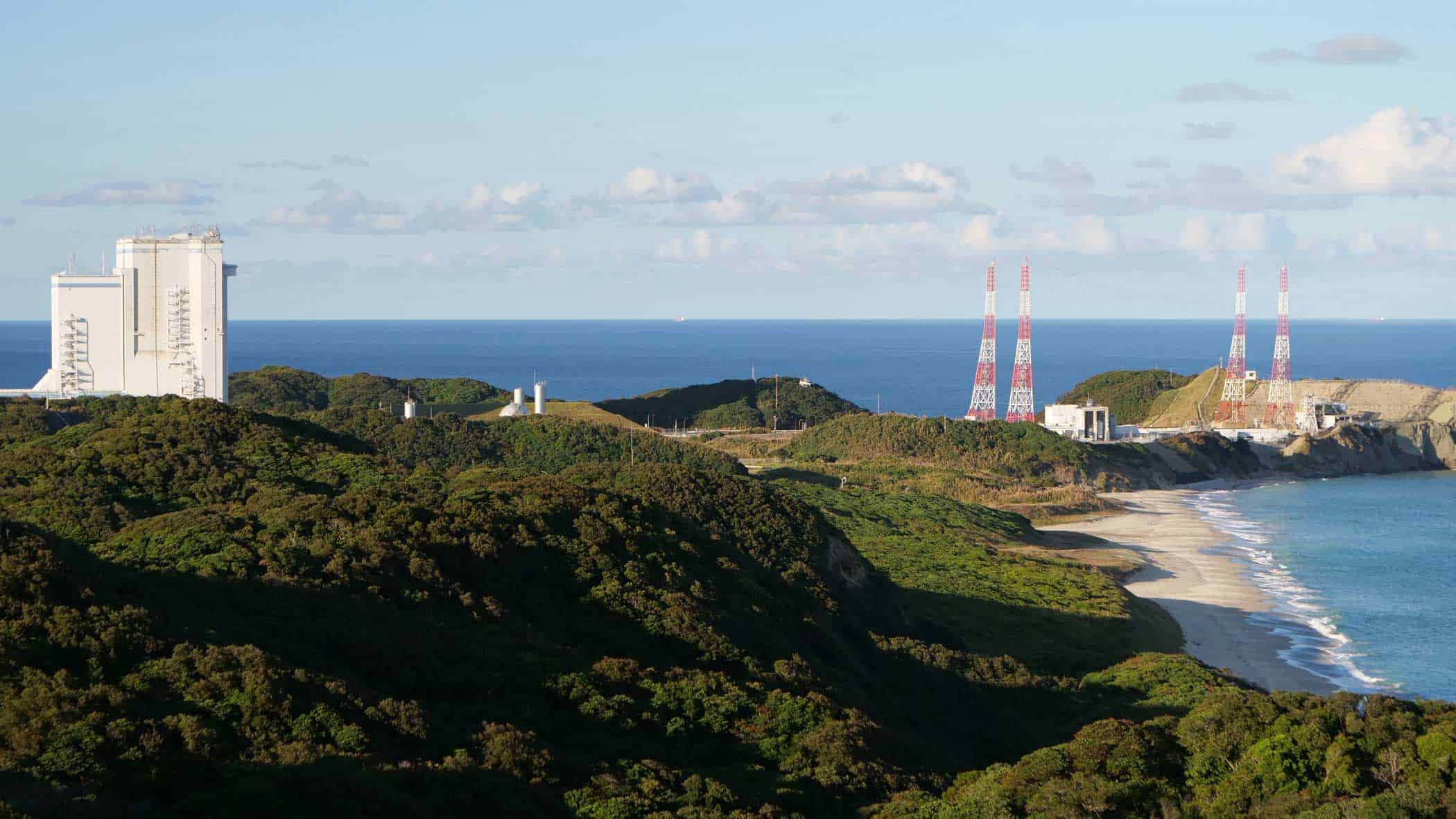
The exploration of the Martian moons Phobos and Deimos is approaching a significant milestone: With the launch of the Japanese MMX mission on October 19, 2026, an interplanetary mission of unprecedented complexity and scientific potential will begin. MMX, an international collaboration in which Germany and France also play a central role, will bring with it the Rover Idefix® …carrying a unique vehicle that will land on Phobos in 2029 and explore the moon’s surface on wheels for the first time. The mission aims to gain insights into the origins of the Martian moons – which remain a mystery – and to return samples from Phobos to Earth for the first time. This mission exemplifies progress in spaceflight, robotics, and Mars exploration, and highlights the importance of international cooperation in space research.
International cooperation behind the MMX mission
The MMX mission represents a close collaboration between Japan, Germany, and France. The Japanese space agency JAXA is leading the overall mission and developing the spacecraft, while the German Aerospace Center (DLR), together with the French space agency CNES, built the Idefix® rover. This alliance combines Japan’s long-standing expertise in interplanetary transport with the European space agencies’ advanced engineering capabilities in robotics and instrumentation.
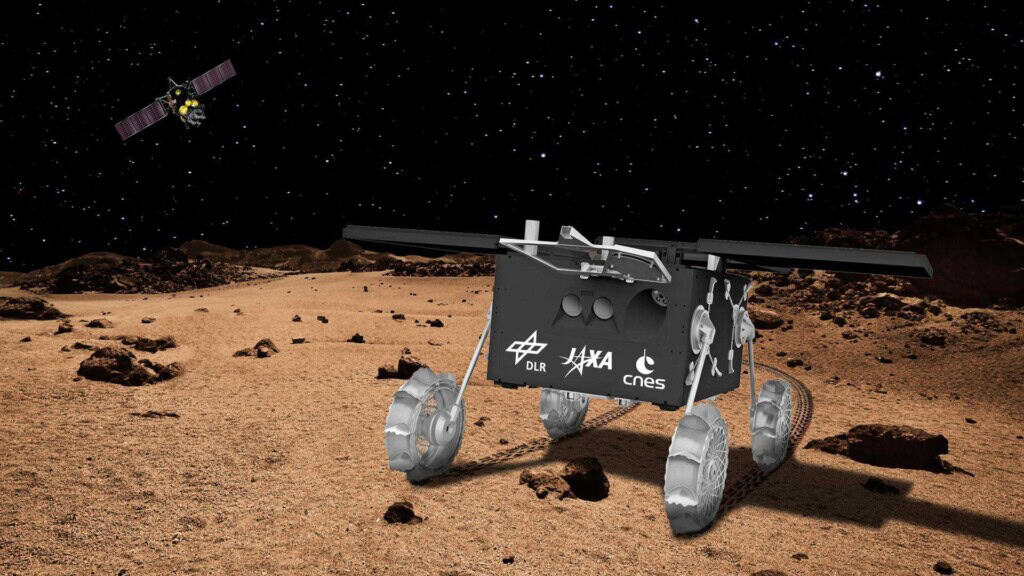
Industrial and scientific collaboration makes it possible to combine modern technologies and scientific instruments to overcome the challenges of exploring Mars’ moons. The German-French contribution is characterized by a compact rover weighing just 25 kilograms, which nevertheless incorporates all the functions of a full-fledged scientific rover. Integrating these components into the spacecraft – which will launch aboard a powerful H3 rocket – is the result of years of planning and technical precision.
Technical and scientific features of the mission
The MMX space probe will not only serve as a means of transport but also carry a variety of scientific instruments – including telescopic cameras and spectrometers – to gather detailed data on the two Martian moons, Phobos and Deimos. After a journey of approximately one year, MMX will reach Mars and enter orbit in 2027. Only then will the targeted exploration of the moons begin.
The mission’s standout feature, however, is the Idefix® rover, which will be the first lander to traverse the surface of a Martian moon. Due to the extremely low gravity – less than one-thousandth of Earth’s – this presents an unprecedented technical challenge. The rover will be released from the mothership at an altitude of approximately 40 meters and land autonomously on Phobos, without relying on a separate landing vehicle. Once there, it is scheduled to explore the surface for around 100 days, identifying areas of geological interest and collecting data to clarify not only the moon’s morphology and composition but also the feasibility of the mothership safely acquiring samples.
The extreme environmental conditions on Phobos – with temperatures ranging from minus 170 to plus 70 degrees Celsius – require robust materials and a high-performance thermal control system. In addition, the rover had to withstand the vibrations and shocks experienced during the rocket launch and the journey to the Mars system.
The scientific significance of the MMX mission for the Martian moons
Phobos and Deimos are unique celestial bodies within the inner solar system whose origins remain unresolved. These two small moons are not spherical but irregularly shaped, with diameters of approximately 27 and 15 kilometers, respectively. Their names – Phobos and Deimos, meaning “fear” and “terror” in Greek – derive from their mythological association as attendants to Ares, the god of war.
Key questions addressed by the MMX mission concern the origin of the Martian moons: Are they captured asteroids – a possibility suggested by their size and composition – or did they form from a massive impact on Mars, followed by the accretion of ejected material? Answering this question is crucial for understanding planetary formation throughout the solar system.
Furthermore, the analyzed samples are expected to yield new clues as to whether material from Mars itself is present on Phobos – material that could subsequently be returned from Phobos to Earth’s atmosphere. Such return samples could thus enable direct Martian rock to reach Earth for analysis for the first time, without requiring a dedicated Mars sample-return mission. This contributes significantly to scientific progress in the fields of planetary science and astrobiology.
The mission as a milestone in robotics and space technology
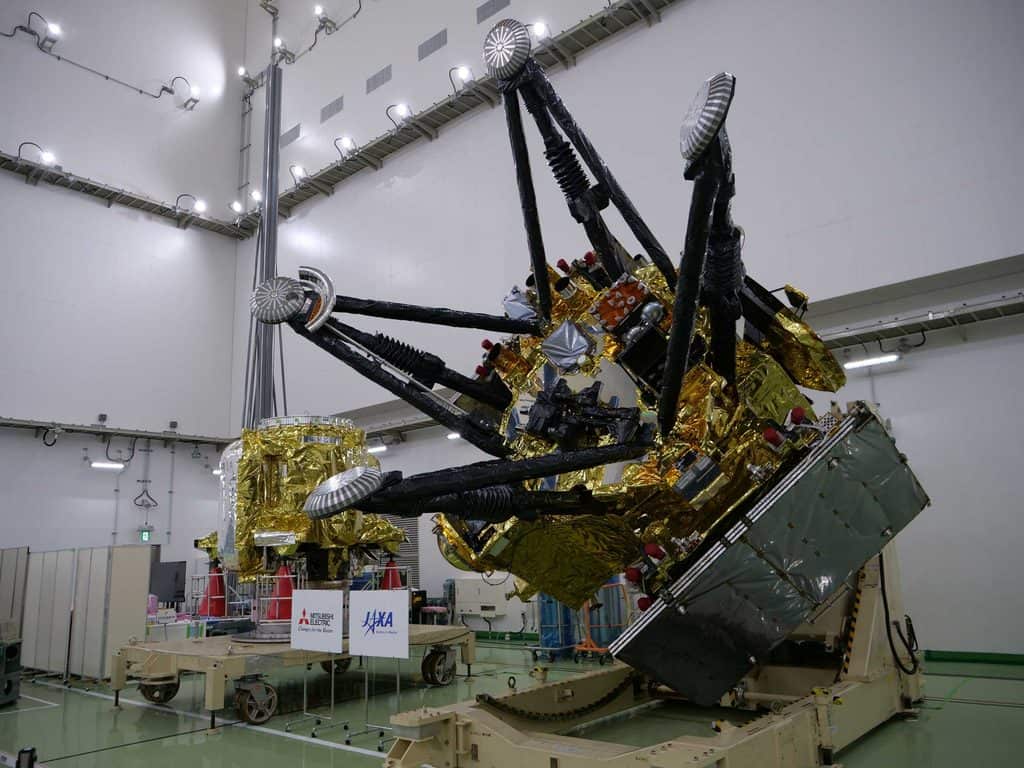
The development of the compact Idefix® rover represents a breakthrough in the miniaturization and integration of robotic systems for space applications. Despite its small size, the rover features sophisticated scientific instruments and movable components that enable detailed surface exploration. Its ability to traverse the extremely low-gravity environment of Phobos will be a first, demonstrating new approaches to surface robotics for future missions.
The landing itself and the successful execution of the mission phase require innovative guidance and navigation solutions, as the environment and gravity on Phobos differ radically from those of celestial bodies visited previously, such as the Moon or the sites explored by Mars surface rovers. The interaction between the space probe and the rover represents a complex technical feat, involving both elements operating independently, communicating back to Earth, and preparing samples.
The launch of the MMX mission using the new H3 rocket also demonstrates technological progress in launch vehicle technology and marks a significant step for Japan’s position in the race for interplanetary space exploration.
Conclusion
The upcoming mission to explore the Martian moons Phobos and Deimos using the MMX spacecraft and the German-French rover Idefix® ranks among the most ambitious projects of the current era of space exploration. It combines cutting-edge robotics and space technologies with international scientific inquiries into the origin of the Mars system and its significance for the solar system. The mission will set new benchmarks in the exploration of small celestial bodies, provide vital data for planetary research, and potentially return samples from a Martian moon to Earth for the first time.
This highlights, in particular, the importance of international cooperation among Japan, Germany, and France as a driving force for innovation and progress in robotics and space exploration. The MMX mission exemplifies a new generation of complex, interdisciplinary projects capable of significantly expanding our understanding of the cosmos.
With the launch scheduled for October 2026, an exciting journey begins – not only to Mars but also into the future of interplanetary exploration and the development of novel space systems.