Historical Development of the Berlin–Warsaw Air Connection
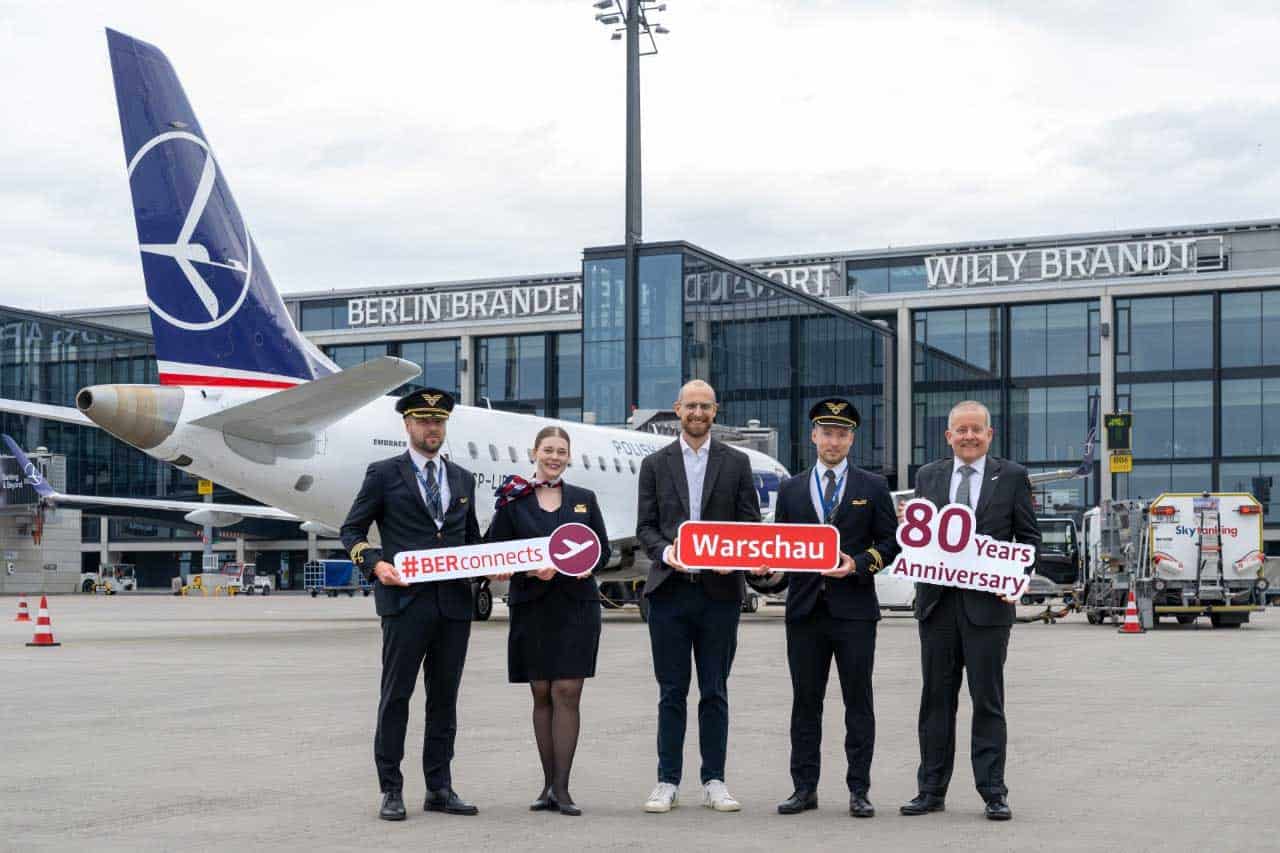
The air link between Berlin and Warsaw boasts a remarkable history dating back to May 11, 1946. On that day, a Polish airline launched regular scheduled flights to the German capital region for the very first time. At the time, this route served Berlin-Schönefeld Airport, ushering in a long-standing relationship in air transport that remains of great significance to this day. Over the decades, this connection has continued to evolve, and today it stands as a testament to the close exchange between the two capital cities.
Over the course of the post-war era and the political changes in Europe, the importance of this flight route grew steadily. In terms of both transport and economics, it has established itself as one of the most vital links between Germany and Poland. This connection facilitates not only direct city-to-city travel but also international transfer opportunities, thereby expanding the global network of both cities.
Current Flight Connections and Their Significance
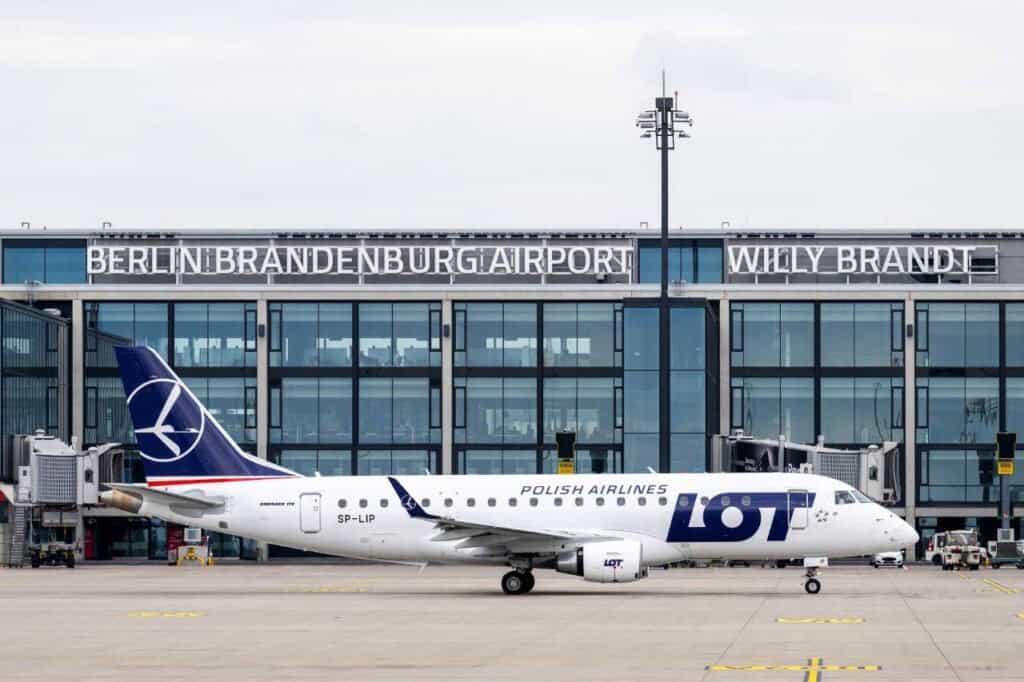
Today, business travelers and tourists alike take advantage of the attractive flight connection between Berlin Brandenburg (BER) and Warsaw Chopin Airport (WAW). The airline operates up to three daily flights – in the morning, at midday, and in the evening – offering great flexibility for a variety of travel purposes. Such staggered departure times allow travelers to align their flights with their individual business or vacation schedules without having to compromise on travel duration.
The Warsaw Chopin hub airport creates diverse transfer opportunities. Travelers benefit from a wide range of international destinations, particularly in North America and Asia. These Asian and North American routes strengthen Warsaw’s role as a key gateway to Central and Eastern Europe, while Berlin serves as the gateway to Western Europe. This connectivity generates economic momentum and facilitates exchange in the fields of technology, trade, and tourism.
Warsaw’s Cultural and Economic Attractiveness
The Polish capital is a major political and economic hub in Central and Eastern Europe. Its historic Old Town, characterized by cultural heritage and a rich history, attracts many visitors. Furthermore, Warsaw features modern architecture that coexists impressively with its history. The city offers a vibrant cultural scene, with numerous museums, theaters, and festivals taking place throughout the year.
As a major economic and financial hub, Warsaw offers a growing array of business opportunities that are increasingly attracting the attention of international companies and investors. Its seamless air connections make the city an ideal destination for both business travel and private short trips. Traveling to Warsaw is exceptionally comfortable, thanks to short flight times and excellent airport connectivity.
Significance for Air Transport and Regional Development
The flight route plays a crucial role in the development of regional air traffic. It not only supports mobility between Germany and Poland but also contributes to deepening economic relations and strengthening cultural ties. This is achieved primarily through the continuous adaptation of flights to meet the needs of passengers – whether they are active in various industries or engaged in private tourism.
Furthermore, the high volume of traffic on this route strengthens the position of Berlin and Warsaw as major air transport hubs in Europe. The short flight times and well-coordinated schedules offer a competitive advantage over other modes of transport.
Beyond the flight connection itself, the infrastructure of both cities also benefits from this long-standing cooperation. This includes optimized connections to local public transport, parking facilities at the airport, as well as customer-oriented services at the airport itself, all of which facilitate the entire journey.
Outlook: Future Perspectives for Air Connectivity
Given the constantly evolving dynamics of global air travel and the challenges posed by economic and environmental requirements, the future of this flight connection is characterized by adaptation and innovation. The airline is investing in more modern, fuel-efficient aircraft to further reduce its environmental footprint while simultaneously enhancing passenger comfort.
Additionally, flight frequency and capacity are expected to be adjusted in line with demand. In the wake of digitalization, new opportunities are emerging to optimize customer service and personalize travel experiences.
The partnership between the two capital cities not only strengthens air transport, but also enables the advancement of future visions for sustainable and efficient mobility in Central and Eastern Europe.
Conclusion: A Key Pillar of European Air Transport
The air link between Berlin and Warsaw is far more than just a flight route. For 80 years, it has connected two culturally and economically significant cities and constitutes a vital pillar of European air transport. Its adaptation to modern requirements – such as flexible flight schedules and connections to international destinations—guarantees its continued relevance for decades to come.
Warsaw impresses with a blend of tradition and modernity and, thanks to this flight connection, is easily accessible –a factor that fosters both city tourism and business travel. Through continuous improvements in aviation and infrastructure, the link between these two capitals is poised to be utilized even more intensively in the future, thereby strengthening exchange between Germany, Poland, and beyond.
Thus, this flight route stands as a prime example of a dynamic, long-standing connection that has proven its worth over the years and will continue to serve as a bridge between two of Europe’s major metropolises in the future.
More about LOT Polish Airlines

LOT Polish Airlines, a member of the Star Alliance, continues to expand its service to Italy. Effective immediately, the airline connects Warsaw with Bologna six times a week, and…

Introduction to Modern Connectivity at LOT Polish Airlines: The growing importance of digital connectivity and continuous online access has long since reached the aviation sector as well…