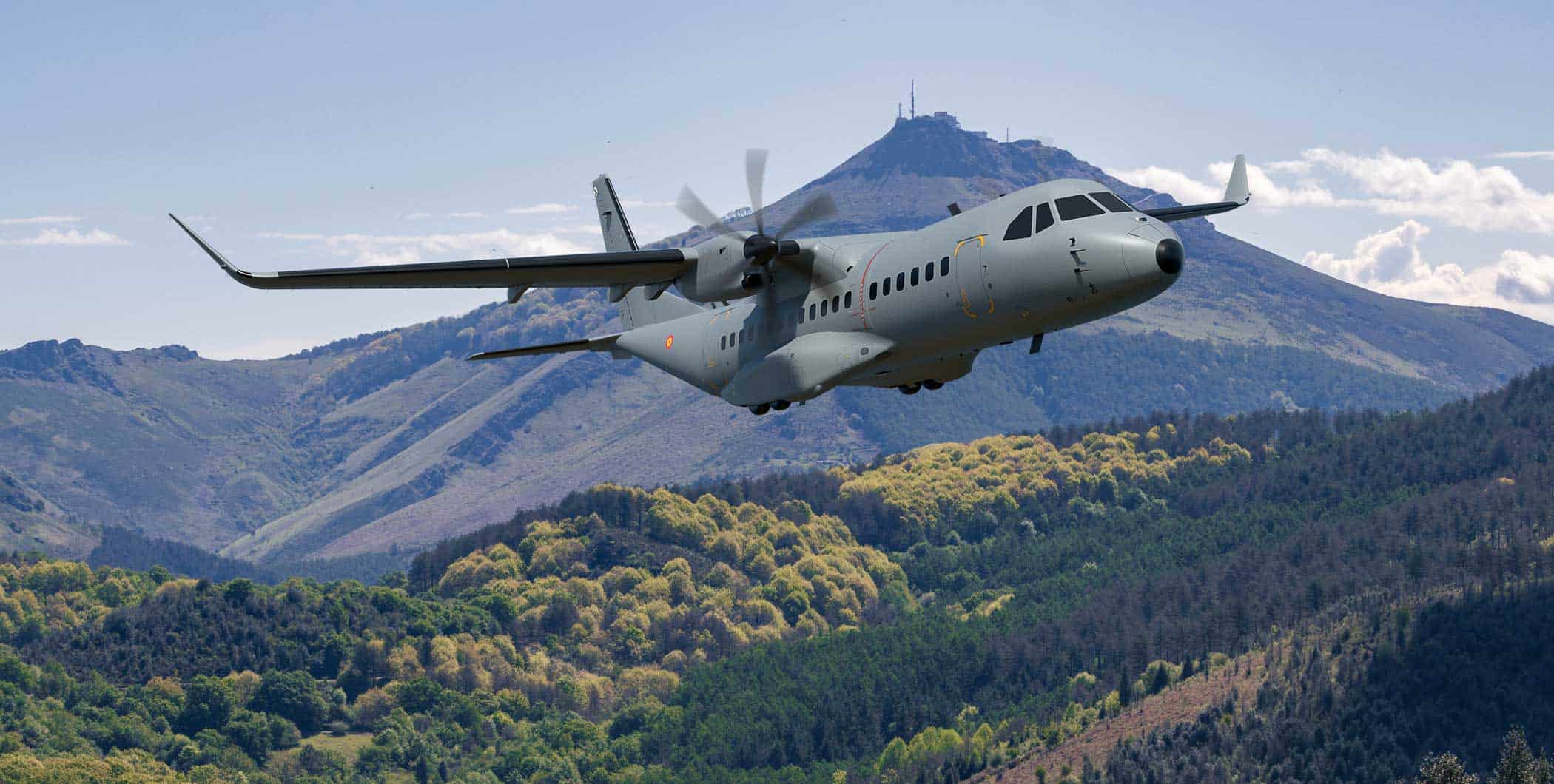
The future of Spanish aerospace: Introduction of the Airbus C295
As part of a forward-looking modernization program, the Spanish Ministry of Defense has made a significant decision: it is acquiring 18 Airbus C295 transport aircraft. These will replace the aging fleets of CN235 and C212 aircraft, which have primarily been used for training pilots and paratroopers of the Spanish Aerospace Forces. The plan aims to create a unified fleet that operates with optimal logistical and operational efficiency, which will significantly enhance the capabilities and effectiveness of the Air Force in the long term.
The European aerospace industry, represented by Airbus Defence and Space, plays a significant role in this process. Jean-Brice Dumont, Head of Air Force at Airbus Defence and Space, emphasized that this order will strengthen Spain’s strategic autonomy and sovereignty, while simultaneously giving a significant boost to the national aviation industry and the entire industrial ecosystem. In total, the Spanish Air Force will operate a fleet of 46 C295 aircraft in various configurations – including transport, maritime surveillance, and reconnaissance missions.
Performance characteristics and areas of application of the Airbus C295
The C295 transport aircraft is characterized by its versatility and robustness. In its transport configuration, it can carry up to 70 soldiers or 50 paratroopers and is capable of operating on unpaved runways. This underscores its suitability for various military missions that demand a high degree of flexibility. In addition to transporting cargo and troops, the aircraft can also perform cargo and parachute drops, as well as medical evacuations.
These respective capabilities make the C295 an extremely valuable component of the Air Force. Furthermore, the model’s high operational readiness and modularity ensure that the fleet’s strategic value is significantly increased. This brings advantages not only in military operations, but also in disaster relief and humanitarian missions.
Design of the procurement program and training concepts
To meet the specific requirements of the Spanish Aerospace Forces, the contract for the 18 aircraft was divided into two staggered delivery phases. The first batch will be used specifically for training and the transport of passengers, paratroopers, and cargo at the Military Air Transport Center in Salamanca. There, the C295 will replace the aging CN235 aircraft. Delivery of this first batch is scheduled for 2026 to 2028.
The second phase of deliveries, scheduled between 2030 and 2032, focuses on manual and automatic parachuting as well as cargo drops. Currently, these operations are carried out by C212 aircraft at the Military Parachuting School at Alcantarilla Air Base in Murcia. The integration of the modern C295 is expected to bring about significant improvements in flight safety and training quality.
Furthermore, the agreement includes the provision of an advanced ground-based training system tailored to the individual needs of the training facilities. This system comprises several flight simulators, computer-based learning systems, and training management software, which will be used in both Salamanca and Murcia.
Support and long-term operational reliability
The procurement program goes beyond the mere delivery of aircraft and includes comprehensive support for the C295 fleet at the Military Air Transport Center. This support encompasses all aircraft maintenance, the management of all necessary materials, and the organization of the training center until at least December 2032. This holistic support not only ensures the fleet’s continued operational readiness but also guarantees that the air force can operate with state-of-the-art equipment and optimal training conditions.
The Airbus C295 has established itself as the world’s leading aircraft in its class. With more than 329 orders from 38 countries on four continents and over 710,000 flight hours, the model sets standards in terms of reliability and versatility. Furthermore, production at the Airbus administrative centers in Seville contributes to strengthening the Spanish aerospace industry and secures numerous jobs in the region.
Conclusion: Strategic and economic importance of the C295 procurement
The decision to acquire the Airbus C295 aircraft represents a crucial step for the Spanish Aerospace Forces in modernizing and harmonizing their transport capabilities. It not only enables the replacement of outdated aircraft models but also ensures operational efficiency and flexibility for future challenges.
Furthermore, the program promotes the technological advancement and training of pilots and paratroopers through modern training systems and qualified support throughout the fleet’s lifespan. The combination of equipment, support, and training innovations makes the transition to the C295 a comprehensive advancement on both a military and industrial level.
Furthermore, this modernization serves as a strong commitment by Spain to strengthening its strategic autonomy and promoting its domestic aviation industry. The robust fleet is not only seen as a model of technical excellence on the European continent, but also enhances international relations through its presence in various missions worldwide. In summary, the introduction of the Airbus C295 marks the beginning of a new era of military airlift capabilities in Spain, extending far beyond mere flight operations and entailing profound economic and strategic implications.