Perspectives on the restart of collective bargaining talks
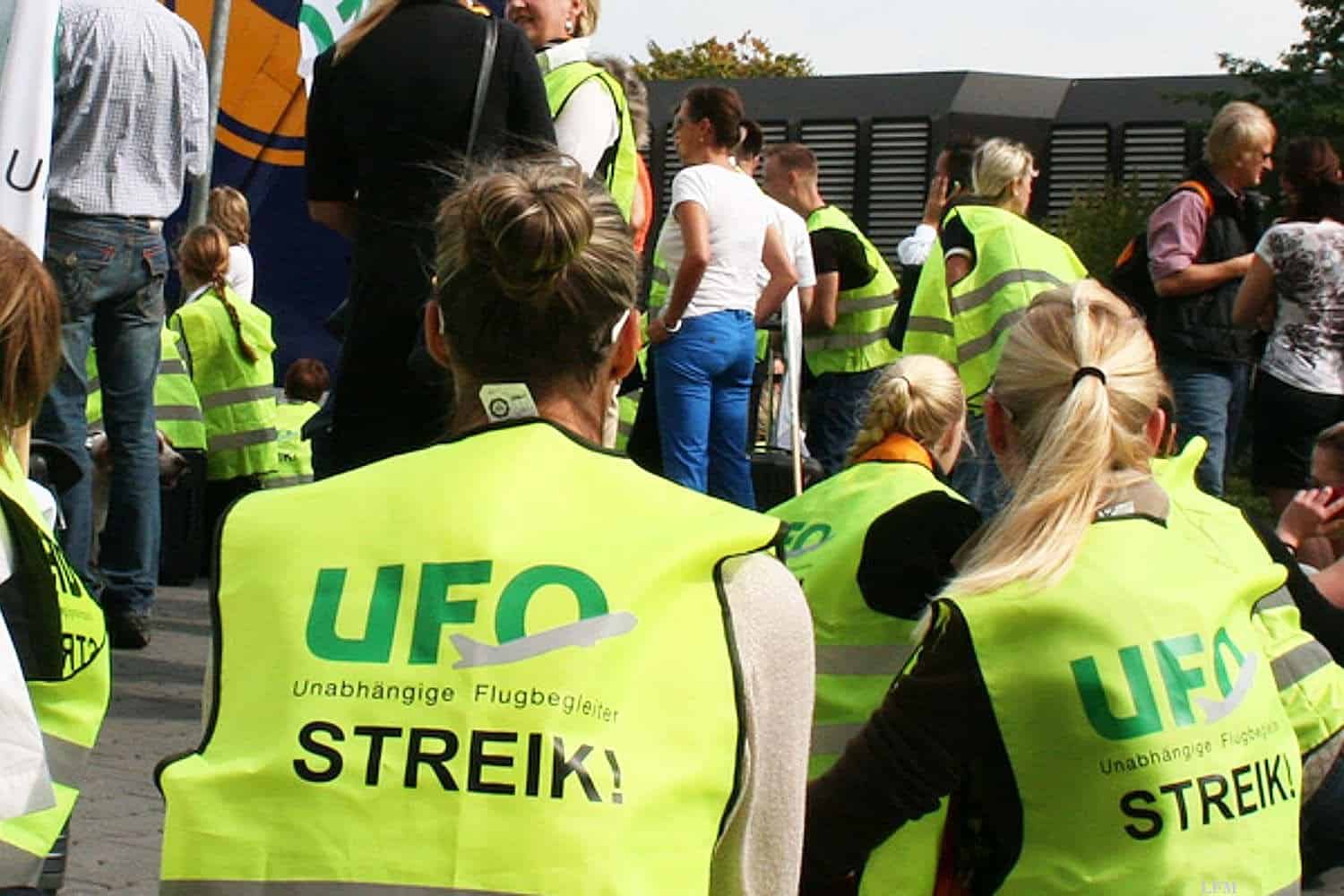
Recent developments in the relationship between the Independent Flight Attendants Organization (UFO) and Lufthansa mark a significant turning point in the protracted collective bargaining dispute regarding cabin crew working conditions. After months of negotiations characterized by a confrontational tone, a return to constructive dialogue is now emerging. This fresh start follows an intensive period of mediation and various discussion formats that not only fostered exchange between the parties but also succeeded in laying the foundation for a baseline level of trust. Throughout this process, the cabin crew – represented by UFO – have taken center stage, ensuring the development of solutions that sustainably address their legitimate interests.
The significance of this dialogue process lies, among other things, in Lufthansa’s willingness to shift from a confrontational stance to open dialogue. In practice, this means that entrenched positions no longer act as roadblocks but can instead be replaced by creative and realistic approaches. This shift is particularly relevant given the planned closure of Lufthansa CityLine, as its employees are also being included in the discussions. The challenges facing the aviation industry are multifaceted and shaped by economic and structural changes, making social partnership and collective bargaining autonomy crucial factors.
Dynamics and content of the dialogue formats
Regarding the recently resumed talks, it is worth noting that – in addition to conventional negotiation rounds – workshops and moderated exploratory discussions helped to de-escalate complex issues and flesh out concrete details. Both sides welcomed the presence of external third-party moderators, as they helped break down communication barriers and encourage the negotiating parties to engage constructively with one another. The shift from a purely tactical approach to negotiations toward a fact-based and interest-oriented dialogue can be seen as a step toward a new collective bargaining policy.
As the trade union representing cabin crew in Germany, UFO advocates for more than 30,000 employees, with their rights and working conditions at the heart of the discussions. The talks address not only financial aspects but also social security, working time regulations, and career prospects linked to the future of Lufthansa CityLine. The agreement to maintain confidentiality regarding the content of the negotiations underscores the commitment to an atmosphere of trust and protects negotiation strategies from premature disclosure or misinterpretation.
Challenges and opportunities for social partnership
The difficult initial situation, characterized by months of entrenched positions and a standstill, offers an important opportunity to highlight the significance of responsibility and mutual respect within the social partnership. Particularly in sectors vulnerable to crises – such as the aviation industry – close cooperation between management and employee representatives is essential to jointly overcome the diverse challenges, ranging from economic turbulence to restructuring.
The resumption of talks signals that both sides recognize the need for a solution based on partnership. The continuation of negotiations is of immense importance to the affected Lufthansa CityLine employees, as issues regarding employment, social plans, and future prospects remain to be clarified. The union is counting on substantial progress being made now, rather than the talks devolving into mere formalities. Trust in collective bargaining policy can only be strengthened through clear, actionable, and sustainable agreements.
Resolving outstanding issues will also reveal the stance taken by the negotiating parties regarding transparency and communication. After all, the long-term success of negotiations depends not only on the substantive outcomes but also on the credibility and commitment of all those involved. In this context, the cabin crew – as a central element of the service and the customer relationship – must receive strong and fair support.
Outlook for the coming weeks and the significance of the process
Further intensive meetings are planned for the coming weeks; these will reveal whether the fresh start to collective bargaining negotiations is truly bearing fruit and helping to ease labor relations. The talks are taking place within a challenging framework characterized by a mutual agreement to maintain confidentiality regarding details, yet intended to allow room for serious substantive discussion. This phase calls for patience as well as a willingness to reach compromises that deliver tangible benefits to employees.
The challenge lies in meeting the expectations of the flight attendants – not least regarding the colleagues affected at Lufthansa CityLine. Stability, fair working conditions, and qualified representation of their interests are key priorities that the union is vigorously pursuing. At the same time, the economic situation of the Lufthansa Group and the long-term viability of its business units are integral to the negotiating process.
This process serves as an exemplary model of how collective bargaining policy and social partnership can be shaped in demanding sectors. The combination of clear negotiating goals, externally moderated communication, and mutual responsibility highlights the shift from a conflict-ridden collective bargaining dispute to a constructive social dialogue that seeks to meet the needs of all parties involved.
Concluding Remarks
The resumption of negotiations between the Independent Flight Attendants Organization and Lufthansa is a step of great importance for both the employees and the company itself. Following a period of entrenched positions and stalemate, it is becoming evident that targeted mediation and a willingness to engage in dialogue are opening up new opportunities to develop viable solutions. A key priority in this process is safeguarding the interests of cabin crew members and those affected by the restructuring of Lufthansa CityLine.
The willingness of both sides to assume responsibility and view social partnership as the foundation for their cooperation is encouraging. A sustainable agreement will not only lead to improved working conditions but also help foster the competitiveness and stability of the entire company. The coming weeks will show how the process unfolds and what concrete results emerge from this open and honest exchange.
In an industry characterized by profound change, the ability to solve problems collaboratively and the trust between the collective bargaining parties remain essential foundations for long-term success. Current developments give reason for confidence that both sides are committed to pursuing this path.