Home Blog Page 16

Spain strengthens Eurofighter fleet

The Spanish government has signed a contract with the NATO Eurofighter and Tornado Management Agency (NETMA) to purchase 25 Eurofighter aircraft. The Halcon II order partially replaces the Spanish Air Force’s F-18 fleet and increases the national air defense potential by increasing it to 115 aircraft.

Contract concluded with NETMA

The contract signed with the Munich-based NATO Eurofighter and Tornado Management Agency (NETMA) provides for the delivery of 21 single- and four two-seat Eurofighter aircraft. This order expands a series of 20 fighter jets already agreed in 2022, bringing the Spanish Eurofighter fleet to 115 aircraft in the future. The first delivery, planned for 2030, is intended to strengthen Spain’s air force and consolidate Spain’s role within NATO. The contract was approved by the Spanish Council of Ministers in September 2023.

Industry and jobs in Spain

All Eurofighters are manufactured, tested and delivered by Airbus in Getafe, securing over 16,000 jobs in Spain. Leading national defense and technology companies are involved in the manufacturing process. The robust industrial base that supports the Eurofighter program in Europe will be further strengthened by this new order, securing the value chain both in Spain and on the continent.

Technological advantages of the new aircraft

The Halcon program’s new jets, which will replace Spain’s F-18 fleet, feature state-of-the-art avionics, E-scan radar, improved weapons systems and new sensors. Equipped with Brimstone III and Full Meteor capabilities, they significantly improve the operational capability of the Spanish Air Force. The aircraft will complement the existing fleet from 2026 and will be stationed at Morón, Los Llanos and, in the future, also in Gando.

The geopolitical and economic context

This agreement underlines the importance of the Eurofighter as a symbol of European cooperation in the defense industry and secures over 100,000 jobs in Europe. The Eurofighter has been part of the Spanish air fleet since 2003 and is ordered by eight nations worldwide, with more than 700 jets ordered to date. This latest expansion of the fleet sends a strong signal for Spain’s defense strategy and the preservation of industrial capacity across the continent.

Airbus Defence and Space, europäischer Marktführer in der Luft- und Raumfahrtindustrie, setzt auf bahnbrechende Technologien und Innovationen, um weltweit den Schutz und die Sicherheit zu gewährleisten. Mit seiner starken Präsenz in Spanien verfolgt das Unternehmen die Mission, durch internationale Kooperation Synergien im Verteidigungssektor zu schaffen.Airbus Defense and Space, European leader in the aerospace industry, relies on breakthrough technologies and innovations to ensure safety and security worldwide. With its strong presence in Spain, the company pursues the mission of creating synergies in the defense sector through international cooperation.

Salzburg Airport: New bus connection in Pongau

0

From December 21, 2024, regional bus route 270 will be put into operation again to support winter guests and commuters between Eben im Pongau and Salzburg Airport. The measure addresses the traffic restrictions caused by construction sites on the A10 Tauernautobahn and offers travelers a reliable alternative.

Resumption of bus route 270

Due to the major traffic challenges at the tunnel construction site on the A10, the regional bus route 270 will be resumed and will serve thousands of passengers. It enables a direct connection from the Eben park-and-ride car park to Salzburg Airport, a route that takes around 70 minutes of travel time on average.

Traffic disruptions on the A10

Between September 10, 2024 and the end of June 2025, extensive renovation work will take place in the area of the Ofenau Tunnel and the Werden tunnel chain. This work is affecting the traffic flow on the Tauern Autobahn. ASFINAG provides real-time travel information to better plan travel times to the airport.

Important information for air travelers from Salzburg Airport

Airport officials recommend that travelers allow sufficient time for arrival to ensure a smooth check-in. Check-in deadlines must be strictly adhered to, as delays in departures are not possible for operational reasons.

Long-term mobility concept

Salzburg Airport is working with partners on a comprehensive mobility concept, which is supported by the ‘Airport 4.0’ project. The prioritization for public buses in construction zones enables them to move quickly on the highway, even when traffic volumes are high.

Salzburg’s mobility initiatives aim to ensure the long-term accessibility of the airport and tourist destinations. With strong partners and innovative projects such as Airport 4.0, a future-oriented infrastructure is being created for passengers and residents.

The timetable for the expanded service on line 270 is available for download at https://salzburgverkehr.at/fahrplaene/fahrplandownload/.

BARIG: Reduce costs in air traffic in Germany

The Prime Minister’s Conference has formulated concrete demands on the federal government in order to strengthen the competitiveness of air transport in Germany. These include proposals to reduce regulatory costs and changes to tax and fee structures.

Reduction of regulatory location costs

The heads of government of the federal states are calling on the federal government to reduce the regulatory costs, which are viewed as far too high. A reduction in aviation tax is considered necessary; However, BARIG considers their abolition to be essential in order to make air transport more economically attractive. These steps are intended to help restore competitiveness at an international level.

Aviation security and air traffic control fees

Furthermore, the MPK advises against implementing the increases in aviation security fees planned for the turn of the year. It is also proposed to massively reduce air traffic control fees. This should reduce the financial burden on airlines and improve connectivity, as the industry is currently suffering from oppressive fees that are putting Germany behind in comparison to other European countries.

Abolition of the PtL quota

The MPK also proposes abolishing the German quota for electricity-based aviation fuels (PtL) in order to secure the industry’s competitive advantage. This would mean that Germany would follow the EU’s uniform regulations, which would create internationally uniform competitive conditions. This adjustment is considered an important step towards eliminating competitive disadvantages.

Support from BARIG

The Board of Airline Representatives in Germany (BARIG) welcomes the MPK’s proposals. According to Michael Hoppe, Chairman and Executive Director of BARIG, the measures are the result of intensive discussions. The importance of air transport for Germany’s economy and economy has long been underestimated, said Hoppe. The proposed changes would now represent a necessary and forward-looking adjustment that could lead to economic prosperity and sustainability.

The Board of Airline Representatives in Germany (BARIG) advocates for the interests of the international airlines represented in Germany. As the central interest group for the aviation industry, BARIG pursues the goal of strengthening the competitiveness of this important economic sector and continuously promotes exchange between industry, politics and the public.

Airbus liefert neun H145 Hubschrauber nach Bahrain

Airbus Helicopters hat mit dem Innenministerium von Bahrain einen Vertrag über die Lieferung von neun H145-Helikoptern geschlossen. Diese sollen von der Polizeiluftfahrt zur Strafverfolgung und für medizinische Notfalleinsätze verwendet werden. Die Entscheidung stärkt die Präsenz der H145 in der Region.

Vertragsabschluss mit Bahrain

Airbus Helicopters verkündet den Vertragsabschluss mit dem Innenministerium von Bahrain, vertreten durch Seine Exzellenz, Scheich Rashid bin Abdullah Al Khalifa. Der Kauf umfasst neun H145-Hubschrauber, die die Polizeikommandos in ihren Einsätzen unterstützen werden. Durch diese Partnerschaft tritt Bahrain der globalen Gemeinschaft der H145-Nutzer bei, die gegenwärtig weltweit im Einsatz ist.

Vielseitigkeit der H145-Hubschrauber

Olivier Michalon, EVP für Global Business bei Airbus Helicopters, äußert, die Vielseitigkeit der H145 mache sie zu einer wichtigen Ressource für öffentliche Sicherheitsmissionen weltweit. Über 60 dieser Maschinen sind bereits im Nahen Osten im Einsatz, wobei die Nachfrage für unterschiedliche Missionen wie medizinische Notfalleinsätze und Energieoperationen zunimmt.

Technologische Innovationen

Das aktualisierte Modell des H145 verfügt über einen innovativen Fünfblattrotor, der die Nutzlast um 150 kg erhöht. Das wartungsfreundliche Design des Hauptrotors verbessert sowohl die Zuverlässigkeit als auch den Komfort für Passagiere und Besatzung. Ausgestattet mit Safran Arriel 2E-Triebwerken und Helionix-Avionik, bietet die H145 fortgeschrittene Flugsteuerung und ein geringes Geräuschprofil.

Starke globale Präsenz

Insgesamt sind mehr als 1.700 Hubschrauber der H145-Familie weltweit im Dienst, die zusammen über acht Millionen Flugstunden aufgezeichnet haben. Die Hubschrauber sind für eine Vielzahl von Missionen wie Such- und Rettungsaktionen und Energieeinsätze sehr gefragt, eine Tatsache, die ihre Bekanntheit und ihren Einsatzbereich weiter ausbaut.

Airbus Helicopters, als Teil der Airbus-Gruppe, ist ein weltweit führender Hersteller von Hubschraubern, spezialisiert auf hochmoderne und kundenorientierte Lösungen. Mit einer breiten Produktpalette und einem starken Engagement für technologische Fortschritte ist Airbus bestrebt, globalen Bedürfnisse im Luftfahrtsektor gerecht zu werden.

Winter magic: Christmas market at Munich Airport

The Christmas market and winter market in the Munich Airport Center opens on November 15th and offers a varied experience for all visitors until December 29th. From a special family day to a large ice skating area, guests can expect a festive program with numerous attractions.

Adventure world for young and old

From November 15th, the Munich Airport Center (MAC) will be transformed into a winter adventure world that will be open daily from 11 a.m. to 9 p.m., except for Christmas Eve, when the market closes at 4 p.m. The market is placing special emphasis on the youngest visitors this year by offering a family day every Tuesday. On this day, parents and their children can benefit from reduced prices from the exhibitors. Over 40 stalls offer a wide range of gift items and delicious winter delicacies.

Paradise for ice skating enthusiasts: ice skating and curling

The ice skating surface remains a centerpiece of the market, attracting skaters with over 600 square meters of space. Guests can also expect a curling rink that guarantees fun for the whole family. Every Wednesday evening, the ice rink is transformed into an ice disco, where visitors have the opportunity to show off their skating skills to current music from 6 p.m.

  • Opening hours: daily from 11 a.m. to 9 p.m
  • Use of the ice rink: 5.00 euros per person, unlimited in time (including polish or shoe rental)
  • Use of the curling rink: 25.00 euros per hour

Creativity and entertainment

From Thursday to Sunday, visitors have the opportunity for the first time to design ceramics such as cups and plates according to their own ideas in a creative workshop. While the materials must be purchased, participation in the workshops is free. At the same time, live performances of jazz, pop, gospel and hits will take place on the festival stage from Thursday to Sunday from 6 p.m., providing musical entertainment.

The Christmas and winter market at the Munich Airport Center sees itself as a place of encounter and fun that offers everyone, whether visitors or travelers, access to a rich and varied offering. The organization stands out for its efforts to create unforgettable experiences amid a unique ambience that captures and enlivens the spirit of the holidays.

Special highlight: light rides

The popular light rides through the airport are back this year, give participants an impressive look behind the scenes and last around 50 minutes. These guided bus trips can be easily booked online; remaining spaces are available on site at the Lichterfahrten hut in the MAC. In addition, visitors can park for three hours free of charge in the P20 car park using a QR code that can be found on the Christmas market flyer and the airport website.

3 hours free parking

  1. Take a parking ticket at the entrance to the P20 car park.
  2. When paying at the checkout, insert the parking ticket into the ticket machine, hold the QR code at the parking machine under the scanner and scan it, pay additional parking fees if necessary and remove the parking ticket again.
  3. Insert the parking ticket at the exit barrier and exit.

Alternatively, the parking ticket can also be validated at the “Sportalm-Hütte” directly at the Christmas and winter market. This eliminates the need to scan the QR code at the pay station – but not the entire payment process.

If the P20 is completely full, please follow the active diversion, which will lead to the parking garages or underground car parks with available spaces. All priority areas T1, T2 and all special areas (P10, P27) are excluded from this parking regulation.

Please note: The offer is only valid in the regular P20 car park and not in special areas subject to a surcharge such as “XXL parking”, “Valet parking” or “Comfort and safety parking” and also not in the driveways. The offer can only be used with a parking ticket; entry and exit with a credit card is not possible.

Date and location

15.11. bis 29.12.2024

  • Monday to Sunday: 11 a.m. to 9 p.m
  • Christmas Eve, December 24th, 2024: 11 a.m. to 4 p.m
  • MAC forum
  • Terminalstrasse mid-18th
  • 85356 Munich Airport

Christmas market program highlights

dayDatetimeProgram point
Friday22.11.20245:00 p.m. to 5:30 p.mThe Frisinga grimaces visit the market
Saturday23.11.2024from 12:00 p.mMaking Advent wreaths on the stage
Friday29.11.20242 p.m. to 6 p.mBelly theater
Saturday30.11.20244:00 p.m. to 7:00 p.mWinter stilt walkers
Tuesday10.12.2024from 6 p.mDance Sports Guard Altenerding
Sunday15.12.2024from 2.30 p.mBurggräfler Alphorn Players
Tuesday17.12.2024from 6 p.mDance Sports Guard Altenerding
Friday20.12.2024from 2 p.mIce carver Christian Schaber
Saturday21.12.2024from 1 p.mEV Landshut figure skating show
Sunday22.12.20245:30 p.m. to 6:00 p.mThe Brucker Perchten visit the market
Friday27.12.2024from 2 p.mEV Landshut figure skating show

Christmas market program for the little ones

dayDatetimeProgram point
Saturday16.11.20241:00 p.m. to 5:00 p.mClown Rudolfo
Sunday17.11.20242 p.m. to 5 p.mChristmas crafts in the “House of Santa Claus”
Saturday23.11.2024from 5 p.mSanta Claus comes to visit with Krampus and his angels and distributes sweets
Sunday24.11.20241:00 p.m. to 4:00 p.mFace painting in the “House of Santa Claus”
Saturday30.11.20243:00 p.m. to 4:00 p.mSanta Claus tells Christmas stories in the “House of Santa Claus”
Sunday01.12.20242 p.m. to 5 p.mVisit from the angels: Write a wish list in the “House of Santa Claus”
Friday06.12.20241:00 p.m. to 3:30 p.m. & from 5:00 p.mSanta Claus comes and gives out small gifts
Saturday07.12.20241:00 p.m. to 4:00 p.mFace painting in the “House of Santa Claus”
Sunday08.12.20241:00 p.m. to 4:00 p.mChristmas crafts in the “House of Santa Claus”
Saturday14.12.20242 p.m. to 5 p.mBalloon modeling at the “House of Santa Claus”
4:00 p.m. to 7:00 p.mSanta Claus tells Christmas stories in the “House of Santa Claus”
Sunday15.12.20243:00 p.m. to 6:00 p.mAnna, Olaf and Elsa visit the Christmas and winter markets
Saturday21.12.20242 p.m. to 5 p.mGlitter tattoos in the “House of Santa Claus”
Sunday22.12.20241:00 p.m. to 4:00 p.mPunch and Judy show on stage

Air Astana completes 12-year C-Check on Airbus A321

0

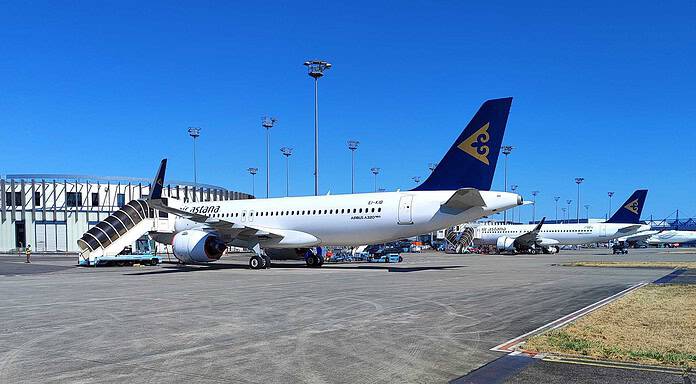
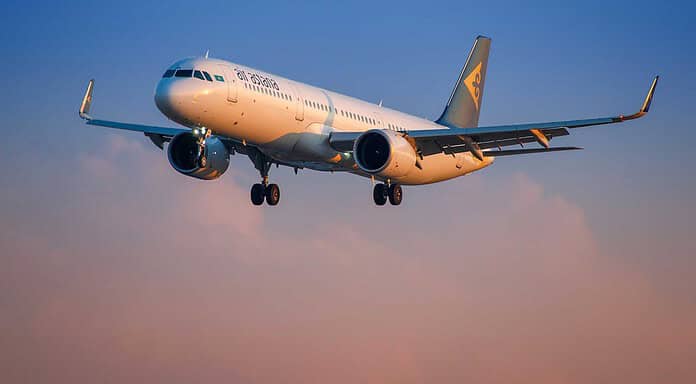
For the first time, Air Astana has completed a comprehensive twelve-year C check on an Airbus A321 from its own fleet in its own maintenance center. This marks a significant milestone in the development of their internal maintenance capabilities and saves significant costs.

First C-Check completed myself

Air Astana reported that the 12-year C-Check involves one of the most extensive maintenance operations on an aircraft, during which the aircraft is completely disassembled and thoroughly inspected. This process would use non-destructive testing methods to ensure that all parts, including engines, are functioning properly. This demanding overhaul demonstrates the airline’s advanced technical expertise.

Cost efficiency and approvals

The head of the Astana Technical Center, Roberto Dando, emphasized that the ability to carry out such maintenance yourself saves significant costs. The European Aviation Safety Agency (EASA) gave the airline permission to carry out twelve-year C-checks on Airbus A320/A321 in 2023. This event followed initial C-checks in 2019, 2022 and a six-year overhaul the previous year.

Future planning and fleet management

The Airbus A321, which underwent the C-Check, has been part of the fleet since 2012. Air Astana plans to carry out another twelve-year C-check by the end of the year. This strategic planning is part of its broader efforts to increase efficiency and autonomy in maintaining its fleet, which includes 57 aircraft.

Meaning for Air Astana

The successful completion shows how Air Astana is expanding its technology capabilities and positioning itself as a major force in Central Asian air transport. The airline has already been recognized several times as the best airline in Central Asia and the Commonwealth of Independent States and therefore enjoys a high level of trust among travelers.

Air Astana Group is the leading airline group in Central Asia and the Caucasus, known for its high standards and continuous improvements in air transport. It is listed on several international stock exchanges and operates both full-service and low-cost flights. With a fleet of 57 aircraft, it connects a variety of destinations between Asia and Europe.

DRF Luftrettung ensures air rescue in North Rhine-Westphalia

DRF Luftrettung will operate the intensive care transport helicopter in Dortmund for the next ten years. From January 1, 2025, Christoph Dortmund will be on duty 24 hours a day, which will significantly improve emergency care in North Rhine-Westphalia. This decision confirms the trust in the expertise of DRF Luftrettung.

Contract extension for a decade

The decision in the award procedure for air rescue in Dortmund was in favor of DRF Luftrettung. This means that the important intensive care transport helicopter will be operated by the organization as part of public air rescue in North Rhine-Westphalia until 2034. The station in Dortmund will be equipped with the state-of-the-art Airbus H145 helicopter and will be ready for the people of the region around the clock from the beginning of 2025. This measure is considered a further step in the continuous improvement of emergency care, especially at night, according to a DRF spokesman.

Extension of operating times

From January 1, 2025, Christoph Dortmund will be alerted around the clock, closing an important gap in the air rescue network in North Rhine-Westphalia. In current times, when only 17 of the 84 nationwide air rescue stations operate night flights, this represents significant progress. Every minute counts, especially in emergencies such as heart attacks or serious injuries. Thanks to the expanded operational capability around the clock, DRF Luftrettung can better meet this need.

Importance of DRF Luftrettung for the region

DRF Luftrettung emphasizes that the Dortmund station with the Airbus H145 and five-blade rotor is used for urgent intensive care transport and emergency medical operations. The helicopter is currently stationed at Dortmund Airport and is ready to support particularly medically demanding transports, such as with an incubator or a mobile ECMO heart-lung machine. Expanding the operating time to 24-hour operation will significantly improve medical care in the region.

Impressive performance record of DRF Luftrettung

DRF Luftrettung would like to thank the decision-makers for the trust they have placed in them and sees this as recognition of their continuous performance. The organization emphasizes that its expertise makes a fundamental contribution to air rescue in North Rhine-Westphalia. The supply areas include the Ennepe-Ruhr district, Hochsauerland district and Märkischer district. This decision underpins the ongoing pursuit of improved and accessible emergency care for all citizens.

DRF Luftrettung is one of the leading air rescue organizations in Europe. With over 50 stations across Germany, the organization has been a reliable partner in air rescue for decades. Their mission is to provide life-saving services quickly, safely and efficiently.

DRF Luftrettung: New Christoph 43 for Karlsruhe

DRF Luftrettung is starting a new era in air rescue with the state-of-the-art H145 helicopter. The use of the five-blade rotor brings significant improvements in performance, safety and application possibilities. In doing so, it sets a milestone in the development of its fleet and says goodbye to the last EC135.

Technological advances with the H145

The new H145 helicopter has been operating in the region around Karlsruhe as the ‘Christoph 43’ since November 1st. The new machine features a modern glass cockpit, increased performance and more space. Thanks to advanced technology, pilots can monitor all flight data on large screens, resulting in increased safety. In addition, the four-axis autopilot allows the pilots to be relieved during flight.

Extended application possibilities

The H145 opens up new operational possibilities for the crew. A higher payload and an additional seat provide space for pediatric teams or technical equipment, while extended ranges ensure greater efficiency thanks to larger quantities of kerosene. These enhancements enable the team to carry out even more complex medical transports under optimal conditions.

Adoption of the last EC135

With the use of the H145, the last EC135 was also taken out of service. Since 1996, the EC135 has provided invaluable assistance in countless emergency rescue missions, often providing last-minute rescues. DRF Luftrettung is now relying on the five-blade rotor to ensure its high standards for the best possible patient care.

DRF Luftrettung: Future-oriented fleet development

The switch to the most modern helicopter models represents a strategic step by DRF Luftrettung. Through the continuous development of the fleet, the organization underlines its approach to providing crews with the best equipment for emergency operations. Faster and better-equipped operations significantly improve patients’ chances of recovery.

Since its founding, DRF Luftrettung has been committed to fast and efficient emergency rescues from the air. With a dedicated team of professionals and a constantly modernized fleet, it continuously optimizes its activities for the benefit of patients. Your goal is to ensure maximum safety on every life-saving mission.

DRF air rescue in the disaster control exercise “Magnitude 2024”

The disaster control exercise “Magnitude 2024” in Mosbach tested numerous rescue organizations in a complex earthquake scenario. The DRF Luftrettung, as the only civilian emergency service on site, demonstrated its skills in rescuing the wounded with an H145 winch helicopter. Overall, the exercise highlighted the need for cross-border cooperation in the event of a disaster.

Magnitude 2024: Holistic disaster exercise

The scenario of a magnitude 6.9 earthquake in the Rhine Graben resulted in 500 injuries and 2,000 homeless people during the “Magnitude 2024” disaster control exercise. It assumed an indeterminate death toll, requiring cross-border cooperation from European aid organizations. DRF Luftrettung, with its H145 winch helicopter, trained in rescuing people from inaccessible buildings, together with the mountain rescue service and a rescue dog team.

Coordination and collaboration

The training took place at the Training Center Rescue and Help (TCRH) in Mosbach. A total of 525 emergency services took part. The DRF Luftrettung transported rescue workers using their helicopters after thoroughly exploring the area from the air. Experts from International Search and Rescue (ISAR) contributed to the efficiency of the collaboration.

Role of winch rescue and innovation

In addition to human expertise, the use of search dogs from the rescue dog team was also used. The ability of dog handlers to abseil with their dogs into urban disaster areas was intensively practiced. Florian Klinner described the terrain as ideal for simulating such urban scenarios. The H145 helicopter has been specifically configured to perform complex winching operations.

Political recognition and international cooperation

As part of the training day, the Interior Minister of Baden-Württemberg, Thomas Strobl, and EU Commissioner Janez Lenarčič visited the training area. Both underlined the importance of such exercises for better civil protection and cooperation across national borders. DRF Luftrettung proved to be a competent disaster relief partner with extensive aviation experience.

DRF Luftrettung is considered one of the leading providers of civil air rescue in Europe. With over 50 years of experience in air rescue, the organization relies on successful operations in alpine and urban areas as well as offshore. The expertise demonstrated ensures a high level of preparedness and competence in rescue operations under the most demanding conditions.

Fraport AG relies on sustainable organic asphalt

Fraport AG is pursuing innovative approaches to building materials by installing sustainable asphalt on a test road at Frankfurt Airport in collaboration with ‘B2Square – Bitumen beyond oil’. The cashew-based organic bitumen it contains is being used at an airport for the first time in the world to improve the carbon footprint.

Innovative use of organic bitumen

At Frankfurt Airport, Fraport AG has developed a 200-meter-long test road with sustainable asphalt in cooperation with the start-up company ‘B2Square – Bitumen beyond oil’. The new asphalt uses a biogenic binder made from cashew shells based on organic bitumen, which is being used in airport construction for the first time in the world. The process involves the use of hydrocarbon resin in combination with cashew shell extracts to replace conventional bitumen, which is traditionally a waste product from mineral oil production.

Improved carbon footprint through sustainable materials

The use of organic bitumen promises to significantly improve the carbon footprint in road construction. The special resin-based formula removes carbon dioxide from the atmosphere, which remains bound in the process. This leads to permanent CO2 storage in the road surface without releasing it again. Using the low-temperature method when paving asphalt also reduces energy consumption, which further improves the CO2 balance.

Monitoring and analysis of the test field

The test road at Frankfurt Airport is being monitored by HNL Ingenieur- undprüfunggesellschaft mbH to determine the service life of the sustainable asphalt. Control tests are carried out every six months to check the degree of compaction and the void content of the material. If the sustainable surface proves successful, Fraport plans to equip additional areas with organic bitumen to support the climate goals.

Long-term climate goals of Fraport AG

Fraport aims to be climate-neutral at all locations by 2045. CO2 emissions at the Frankfurt home base are to be significantly reduced by 2030. The company is pursuing these ambitious goals through innovative measures such as the use of organic bitumen. Fraport AG invests specifically in projects that contribute to improving the climate footprint of its supply chains.

Fraport AG operates world-leading facilities, including Frankfurt Airport, one of the most important aviation flows in Europe. With over 80 million passengers annually, Fraport is at the forefront of innovations in sustainable airport operations.

Cessna Citation® Gen3™ Jets with Garmin® Emergency Autoland

Garmin® introduces Emergency Autoland, a groundbreaking safety system that offers a new level of protection for passengers on Cessna Citation® Gen3™ jets. The system promises to take control in the event of a pilot failure and ensure a safe landing.

Innovation for more safety in the air

The new Garmin® Autoland system is designed to increase passenger confidence by providing an additional layer of safety during flight. In the event of an unforeseen event, the system promises to bring the aircraft safely to the ground. This technology is a significant step towards automated aircraft safety.

Automated activation and control

Garmin® has programmed Emergency Autoland to automatically activate when the pilot is inactive. This means that the pilot’s ability to react is continuously monitored. It is also possible to activate the system manually at the push of a button. Once activated, the system stabilizes the aircraft, determines location and assesses weather and terrain data while communicating with air traffic control.

Navigated safety for passengers

Throughout the entire process, the Autoland system is intended to inform passengers about the process and prepare them for a possible landing. Every necessary step that a pilot would take to land safely is carried out automatically by this system. A particular focus is on landing at the most suitable airport within reach.

Safe landing and shutdown

After a safe landing on the ground, the Autoland system takes over the task of bringing the aircraft to a stop and switching off the engines. So it not only offers protection in the air, but also ensures a safe arrival on the ground. This represents a new generation of safety technology available on Citation® Gen3™ jets.

Garmin® is committed to developing the most advanced technologies to provide increasingly efficient and safer travel solutions. With Emergency Autoland, Garmin® introduces revolutionary technology that brings groundbreaking safety precautions to the broader airline community.

Garmin® Emergency Autoland is available on these Cessna Citation® Gen3™ jets:

  • Citation® CJ4 Gen3
  • Citation® CJ3 Gen3
  • Citation® M2 Gen3

GA-ATS: Do228 flight simulator reaches level 2

0

General Atomics AeroTec Systems GmbH (GA-ATS) in Oberpfaffenhofen announces that its Do228 flight simulator has received FTD Level 2 approval. This reflects the company’s continued success and commitment to the highest standards of training, as the simulator previously held FNPT II approval.

Do228 Flight Simulator: Realistic training for pilots

GA-ATS reports that the Do228 flight simulator is a fixed-based device that simulates the Do228 NG with the highest precision. The Do228 turboprop aircraft is used for both passenger and cargo flights and is manufactured at the Oberpfaffenhofen factory. The simulator realistically presents error and extreme scenarios and simulates global flights under all weather conditions. GA-ATS emphasizes that all flight characteristics including the control forces are authentically reproduced and the cockpit is designed down to the smallest detail.

High quality aviation safety training

GA-ATS emphasizes the importance of regular, high-quality aviation safety training opportunities. The managing director, Erik Bollen, explains that the company wants to continuously expand the training offering. The aim is to offer customers first-class in-house training directly from the manufacturer, which ensures that all content is state-of-the-art.

Train critical scenarios safely

GA-ATS describes that simulator training is essential to prepare pilots for emergencies. Scenarios such as an engine failure after takeoff can only be adequately practiced in a simulator. In this safe environment, pilots learn to react to extreme situations, which enables quick and correct decisions in an emergency. This training is considered crucial to increasing flight safety.

Comprehensive training offering

GA-ATS reports that the company’s accredited flight school, along with experienced flight instructors, offers tailored training solutions for the Do228. Customers benefit from ongoing training that covers all aspects of the Do228 NXT. With the new FTD Level 2 approval, GA-ATS underlines its commitment to quality and safety in training and emphasizes the importance of the comprehensive in-house offering, which ranges from basic qualifications to regular further training.

General Atomics AeroTec Systems GmbH is a leading company in the field of aviation technology. Based in Oberpfaffenhofen, GA-ATS is dedicated to the production, maintenance and training of the Do228. The company stands for innovation, safety and the highest quality in the areas of aircraft production and pilot training.

DRF Luftrettung at the European Rotors

DRF Luftrettung will be showcasing its comprehensive services in the areas of maintenance, training and development at the European Rotors trade fair, which will take place from November 5th to 7th in Amsterdam. Trade fair guests can look forward to insights into advanced technologies and training opportunities that are crucial to air rescue.

Diverse services in focus

At European Rotors, the focus will be on the offerings from DRF Maintenance and the DRF Academy. The services range from maintenance solutions and helicopter modifications to training and advanced training programs in the areas of flight operations, technology and medicine. Mirko Strauss, Head of Sales at DRF Luftrettung, emphasizes that the organization’s expertise in the maintenance and operation of helicopters over 50 years makes it an indispensable partner in this area.

Innovative products and solutions

A primary focus is Part 145 services for various helicopter types, including H155, EC155, H145, EC145, H135, EC135 and BO105. The experts at DRF Luftrettung offer a comprehensive overview of line and base maintenance, supplemented by specialized workshops for helmets and night vision devices. The DRF Academy also presents a diverse training portfolio, ranging from type ratings to technical training and medical training.

New developments in the area of visibility

A helicopter model representing the Pulsing Lights innovation will be on display above stand 4085. These LED lights installed on the aircraft significantly improve visibility for other aircraft. DRF Luftrettung offers this advanced modification not only for its own fleet, but also for external customers, both as a complete solution including installation and as an installation kit.

Advanced training with hoistAR®

Another highlight is the hoistAR® winch simulator, which was developed in collaboration with Reiser Simulation and Training. The simulator is mobile, individually adaptable to the needs of the crews and can be coupled with the Full Flight Simulator Level D H145/H135. DRF experts demonstrate how crews can train realistic winching operations in virtual space to significantly improve their skills and safety during winching operations.

DRF Luftrettung is a leading air rescue company that can look back on over 50 years of history full of innovation and excellence. With a wide range of services and a deep commitment to the advancement of emergency rescue, DRF Luftrettung plays a crucial role in helicopter operations worldwide.

New winter flight schedule with 180 destinations at Munich Airport

0

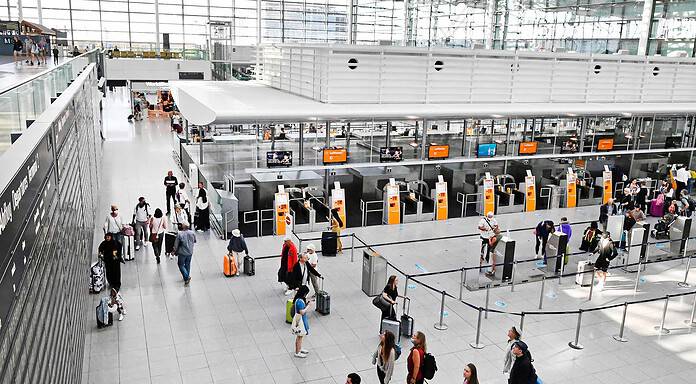
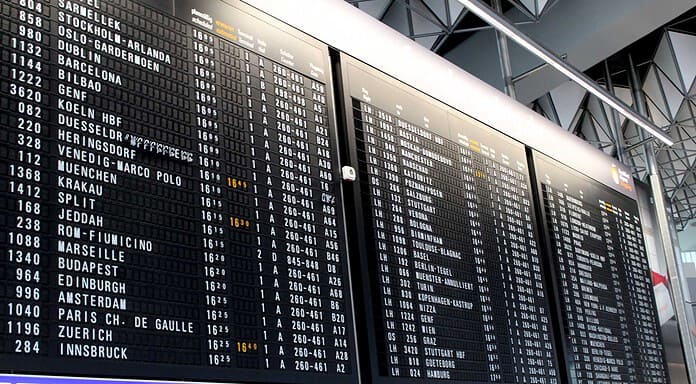
The new winter flight schedule at Munich Airport begins on the last weekend in October and offers passengers a diverse selection of international and national travel destinations until the end of March 2025. A total of 180 airports in 64 countries are available to passengers, with Lufthansa and other airlines flying to attractive long-haul destinations.

Extended long-haul connections

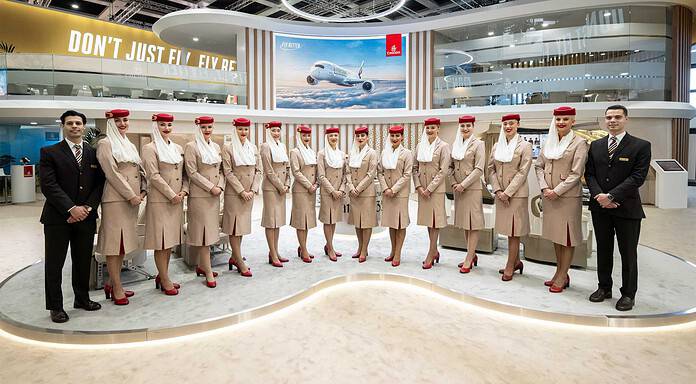
Lufthansa will continue to offer flights from Munich Airport to popular long-haul destinations such as Sao Paulo, Seattle, Vancouver and Johannesburg in the winter timetable. These destinations will be served three times a week with modern Airbus A350 aircraft. Passengers also have the opportunity to travel to Los Angeles, Bangkok and Delhi on the world’s largest passenger aircraft, the Airbus A380. Emirates uses the Airbus A380 for its flights to Dubai.

Neuzugänge im Winterflugplan

Discover is stationing two Airbus A330 long-haul aircraft in Munich and is planning weekly flights to Orlando from March 2025. From April 2025, Windhoek in Namibia and Calgary in Canada will follow as new destinations. Vietnam Airlines recently launched its Munich program and continues its flights to Hanoi and Ho Chi Minh City in the winter, increasing frequency to Ho Chi Minh City in December.

Increased flight frequencies in winter from Munich Airport

Oman Air is increasing the frequency of its flights to Muscat to daily from December 19. Gulf Air, which has been connecting Munich with Bahrain since July, will continue its four weekly flights in winter. Maldivian BeOnd will be offering twice-weekly direct flights to the Maldives from October 27 to complement the winter travel season.

European winter destinations

Norwegian is continuing its popular flights to Malaga and Alicante this winter. Further north, the airline offers flights to Rovaniemi from December, where travelers can travel as far as the Arctic Circle. The seasonally limited connections offer winter tourists the opportunity to meet Santa Claus in magical Lapland.

Munich Airport is one of the leading aviation hubs in Europe and continuously works to offer its passengers a wide range of travel destinations and high-quality services. With first-class infrastructure and a strategic location, Munich Airport supports millions of passengers every year on their way around the world.

Aviation focuses on sustainability

According to reports, the aviation industry is increasingly focusing on sustainable technologies. Companies are to invest in the development of aircraft that are powered by renewable energies in order to reduce emissions. In this way, the industry is aiming to fly in a more environmentally friendly way and reduce its ecological footprint.

Technological advances in aviation

The aviation industry is reported to be intensifying its efforts to reduce carbon emissions. By investing in sustainable technologies, manufacturers intend to develop novel aircraft systems that use renewable energy. These advances could significantly reduce the environmental impact of aviation and support the transition to environmentally friendly flights.

Renewable energies as a key factor

Companies should prioritize renewable energies as a central element in their research and development programs. They are focusing on alternative fuels such as hydrogen and electric drives that could replace fossil fuels. These developments signal a significant shift in the industry’s thinking towards greener operations.

Market impact and challenges

The introduction of renewable energy technologies in aviation could bring significant market changes. While potential cost savings and positive environmental impacts are embraced, companies face challenges such as infrastructure development and scaling new technologies. Despite these hurdles, the industry shows commitment to a more sustainable future.

Effects on the environment

By using renewable energies, industry leaders hope to significantly reduce CO2 emissions. Experts believe that switching to green technologies can not only improve air quality, but also have a positive impact on the global climate. These measures could sustainably reduce the ecological footprint of the transport sector.

Current developments in the aviation industry demonstrate a comprehensive commitment to ecological responsibility and technological innovation. Companies around the world are working to meet emissions targets and protect future generations. These efforts are reflected in the strong investment in renewable energy and the promotion of sustainable aviation operations.

Air France celebrates its 75th anniversary in Munich

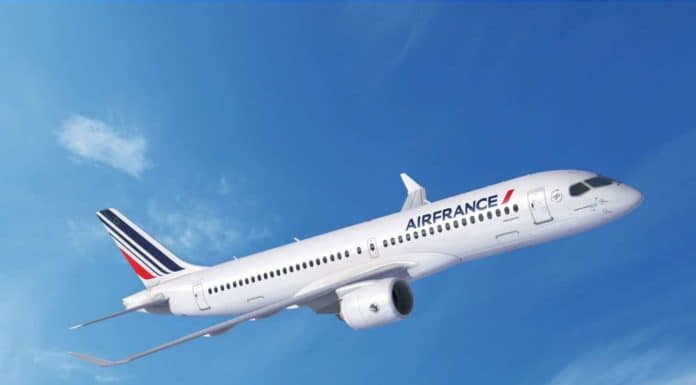
The long-established connection between Munich and Paris is celebrating its 75th anniversary. Since 1949, Air France has played a key role in air traffic in the Bavarian capital, connecting travelers to a global network. With regular flights, Air France provides access to 169 destinations worldwide via its Charles de Gaulle hub.

Historical connection between Munich and Paris

On October 18, 1949, an Air France aircraft landed for the first time in Munich-Riem on its way to Vienna. This historic connection laid the foundation for the significant role Air France played in the region in the decades to come. Later, the Paris-Frankfurt-Berlin route was introduced and expanded via Nuremberg and Munich to Berlin. In the 1950s, Munich became a central hub for business and freight flights, enabling steady development and connections with the French capital, Paris.

Important milestones and developments

In 1951, Air France opened its agency in the heart of Munich at Odeonsplatz. Eight years later, the Caravelle made its first landing, while the route to Vienna continued. Freight transport from Munich was also particularly attractive, leading to the creation of a special cargo connection. In the 1970s, Air France enabled smooth travel to and from Paris with pilgrimage flights to Lourdes and optimal flight times for business travelers.

Opening of the new airport and technological progress

Following the closure of Munich’s Riem Airport in 1992, Air France relocated to continue operations at its new location in Erdinger Moos. It was the first airline to land the advanced Airbus A340 there. On October 26, 1996, the landing of Concorde attracted around 5,000 spectators to Munich Airport. This event marked another milestone in the history of the airline’s aviation connection.

Looking to the future and ongoing partnership

Jost Lammers, Managing Director of Munich Airport, emphasized the importance of the connection between Munich and Paris and congratulated Air France on its long-standing service. Carl Schelleman, Director of Air France-KLM Germany, also expressed his delight at the continued success and the opportunity to connect Munich with Air France’s global network. This partnership will continue in the future to provide passengers in Munich with consistent access to international destinations.

As one of the world’s leading airlines, Air France has been connecting travelers to destinations around the world for decades, contributing to global mobility. With a network of 169 destinations, the airline offers its passengers comprehensive travel options and makes a significant contribution to international aviation.

Munich Airport records passenger growth of 12.5 percent

Munich Airport reported continued growth in the first nine months of the year. With over 31.4 million passengers, the number of travelers increased by 12.5 percent compared to the previous year. The number of flight movements and cargo volume also recorded significant increases.

Increase in passenger numbers

From January to September 2024, Munich Airport registered almost 31.4 million passengers. This figure represents an increase of 4.5 million travelers, or 12.5 percent, compared to the same period last year. The growth trend continued through the summer and early fall months, although September was only slightly behind August’s figures due to a shorter month. In just the last week and a half of September, over one million passengers were processed. This continuous increase demonstrates travelers’ continued confidence in the airport’s services.

Increase in flight movements

In addition to rising passenger numbers, Munich Airport also recorded a significant increase in flight movements. From January to September, over 247,000 takeoffs and landings were recorded. This represents an increase of almost nine percent compared to the previous year. Such figures reflect not only increased demand but also the airport’s improved capacity utilization and organizational efficiency. The increase in frequency underscores the airport’s importance as a central hub in European air traffic.

Munich Airport records increase in cargo traffic

The airport also reported remarkable growth in cargo traffic. With almost 228,000 tons handled, an increase of almost nine percent compared to the previous year, Munich’s growing importance as a logistics hub is evident. Approximately 18,000 tons more were handled in the past nine months. This underscores the airport’s continued importance in international goods traffic and its adaptability to global market needs.

Outlook and future planning

With these positive trends in mind, Munich Airport plans to further expand its infrastructure and optimize its services. These developments are intended not only to increase passenger satisfaction but also to ensure further growth in the cargo sector. Future investments are aimed at further increasing capacity and improving efficiency to meet growing demand. The airport remains committed to consolidating its status as one of Europe’s leading hubs.

Munich Airport is one of Europe’s leading international airports and a major employer in the region. It offers a wide range of destinations worldwide and is characterized by its high efficiency and excellent service, making it an important component of global air transport.

Traffic results January to September 2024 and 2023

20242023Change
Passenger volume
Commercial traffic31.394.61727.901.765+12,5%
Flight movements
In total247.468227.188+8,9%
Cargo (in tons)
Air freight and airmail handling227.722209.247+8,8%

Christoph 54 during spectacular rescue operation on the Feldberg

On the Feldberg, the highest mountain in Baden-Württemberg, a man collapsed while walking his dog. The Christoph 54 rescue helicopter immediately took off and provided rapid medical care and the patient’s safe transport to Freiburg University Hospital.

Christoph 54: Alert and arrival at the scene

By the end of September, the Freiburg base had already recorded three missions when another emergency call triggered the alarm. On the Feldberg, a man collapsed while taking an evening walk with his dog. Other walkers immediately called the emergency services. The rescue helicopter Christoph 54 took off and shortly thereafter reached the remote landing site, overlooking a breathtaking sunset panorama.

Resuscitation and stabilization

The crew arrives in a challenging situation: Although the man has regained consciousness, he is complaining of severe chest pain. HEMS TC Jochen Ehrhardt and emergency physician Sebastian Heinrich decide to stabilize the patient on site. Rapid medical intervention on site, by both the HEMS TC and the emergency physician, ensures the patient’s survival until he is ready for further transport.

Flight to Freiburg University Hospital

After stabilization, the decision is made to immediately fly the patient to Freiburg University Hospital. The strategic and logistical planning of the transport requires precision to bring the man safely and as quickly as possible to the specialized facility, which is ideally equipped for such emergencies.

An animal companion in good hands

An often overlooked issue is efficiently resolved: Thanks to the friendly first responders, the patient’s dog is taken into care and brought home safely. This humane gesture underscores the importance of collaboration between first responders and emergency medical personnel in critical moments, focusing on both the patient and their companions.

Christoph 54, part of the Baden-Württemberg Air Rescue Service, once again demonstrates its outstanding readiness and competence in emergencies. The Freiburg station, a central pillar of the air rescue network, prides itself on combining life-saving operations with the necessary sensitivity and precision. The team is ready around the clock to assist both people and animals in need.

Christoph Dortmund: New helicopter H145 with five-blade rotor

DRF Air Rescue announces that the Christoph Dortmund helicopter has recently been upgraded to the H145 with a five-blade rotor. This modernization offers numerous advantages for both patients and crew. The new model successfully completed its first mission last Sunday.

Advantages of the five-blade rotor

The new H145 helicopter offers significant improvements over its predecessor. The additional rotor blade allows for smoother flight and a higher payload for the rescue crew. This allows for longer distances on rescue missions, as it can carry more fuel. According to Markus Sandmann, station manager and pilot, the move to modernize the fleet was necessary to provide the best possible care to patients.

First deployment underlines efficiency of the H145

The new helicopter demonstrated its capabilities right from its first mission. A 13-day-old child was flown from Mönchengladbach to Bonn University Hospital for a complex operation. The mission included the support of an additional pediatrician and a pediatric nurse. The team took off from Dortmund at 12:15 p.m. and completed the transfer of the small patient quickly and safely in just 24 minutes of flight time.

Continuous fleet modernization

DRF Luftrettung’s ongoing efforts to modernize its fleet have resulted in one of the most modern fleets in Europe. Since the first conversion in December 2020, additional aircraft have been regularly converted to the H145 with five-blade rotors. Dortmund is the 21st base to receive such an aircraft.

Design and identity are retained

Despite the technical innovations, the iconic red and white design of DRF Luftrettung remains intact. The name ‘Christoph Dortmund’ also remains, a clear sign of continuity and identification with the region. The helicopter’s equipment still includes a winch, which is essential for various rescue missions.

DRF Luftrettung is a leading provider of air rescue services in Europe and operates from numerous locations to provide rapid assistance in emergencies. With a modernized fleet of rescue helicopters, the company sets standards for efficiency and reliability in the rescue service.

Mission Hera: Europe prepares for asteroid defense

Asteroids pose a serious threat to Earth. The ESA Hera mission aims to provide answers to questions about planetary defense and begins its three-year launch window on October 7. Germany plays a central role in this mission.

Significance of Mission Hera

The European Space Agency (ESA) will launch the Hera mission on October 7th to study the asteroids Didymos and Dimorphos. This mission is an important step toward planetary defense. The project is coordinated by the German Aerospace Center (DLR), and Germany is the largest contributor. Hera will launch into space on a Falcon 9 rocket from Cape Canaveral, Florida, and after a two-year journey, will spend six months studying the asteroids.

Germany’s technological participation

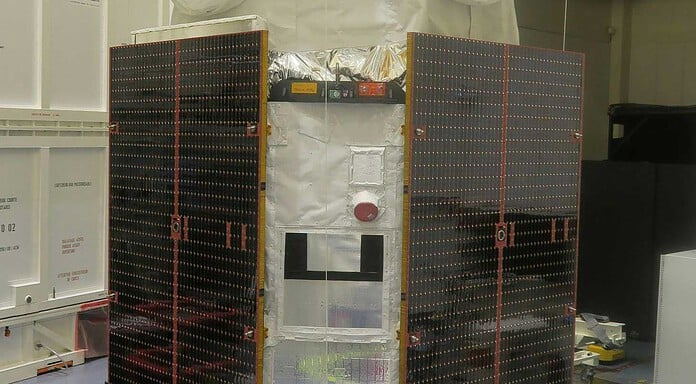
Germany is providing significant resources and technology for the Hera mission. The German Aerospace Center (DLR), supported by the German Federal Ministry for Economic Affairs and Climate Protection (BMWK), is coordinating ESA’s contributions. The Hera spacecraft was developed and built by OHB in Bremen. An innovative antenna “Made in Germany” and two cameras from Jena are crucial for data transmission and image acquisition of the asteroids. These contributions underscore Germany’s high technological level and innovative strength in the space sector.

Risks from asteroid impacts

Asteroid impacts pose a potential threat to Earth, as history shows. One example is the impact of an asteroid in Mexico 66 million years ago, which caused the extinction of the dinosaurs. Dr. Walther Pelzer, DLR Executive Board Member and Director General of the German Space Agency, emphasizes the importance of the Hera mission for planetary defense and cooperation with international space agencies. The impact of a larger celestial body could threaten ocean coasts or continents and have serious consequences for humanity.

Scientific perspectives of the Hera mission

The Hera mission offers a unique opportunity to collect valuable data on asteroids. Dr. Manuel Metz, Hera project manager at the German Space Agency, points to the Chelyabinsk event in 2013, which injured 1,500 people. This mission is intended to help prevent future disasters. Dr. Stephan Ulamec of the DLR’s Space Operations and Astronaut Training Facility explains that the consequences of a major impact could be existential. The data collected by Hera will contribute significantly to understanding and mitigating asteroids.

The German Space Agency (DLR) is a central institution for the development and coordination of German space activities. With headquarters in Cologne and Berlin, and major projects in Bremen, DLR plays a leading role in scientific research and technological innovation. Its goal is to secure Germany’s position as a leading location in international space exploration.

Preparing to Defend Against Near-Earth Objects: Europe’s Hera Mission

None of the known near-Earth objects with a diameter of more than 100 meters is currently on a collision course with Earth. However, to prepare for future threats, NASA and ESA are collaborating in the Asteroid Impact & Deflection Assessment (AIDA) collaboration.

DART mission reaches Dimorphos

NASA’s DART (Double Asteroid Redirection Test) mission targeted the double asteroid Didymos and its moon Dimorphos. The DART probe impacted Dimorphos on September 26, 2022, at a speed of over six kilometers per second. Telemetry measurements showed that Dimorphos’ orbital period had been shortened by 33 minutes, far exceeding expectations.

Hera mission follows

ESA’s Hera mission will now be launched to closely study the effects of the DART impact. The probe is equipped with twelve measuring instruments, including two Asteroid Framing Cameras. These cameras will not only contribute to the probe’s navigation but will also be used to precisely study the asteroids.

Creation of a digital terrain model

The Hera science team will use the camera images to create a digital terrain model of the asteroids. On Dimorphos, they will study changes caused by the DART impact. Questions the team hopes to answer include: Did a crater form on Dimorphos? Was the entire asteroid reshaped? And was the surface of Didymos also impacted by ejecta?

Hera's Asteroid Framing Camera: The Asteroid Framing Camera (AFC) will play a central role in ESA's Hera mission. It will acquire indetailed images of the surface of the binary asteroid Didymos and Dimorphos for scientific analysis and examine the crater left by the DART impact. It is also essential for the spacecraft's guidance, navigation, and control. The AFC will target Dimorphos when it is still a single point of light in the sky. The AFC will then transition to close-range navigation, keeping the asteroid centered in its field of view using edge detection while tracking surface features to deduce Hera's precise position from the asteroid, similar to software for self-driving cars. The 1.3-kilogram AFC is roughly the size and shape of a household vase and was designed, manufactured, and tested by Jena-Optronik.
Hera’s Asteroid Framing Camera: The Asteroid Framing Camera (AFC) will play a central role in ESA’s Hera mission. It will acquire indetailed images of the surface of the binary asteroid Didymos and Dimorphos for scientific analysis and examine the crater left by the DART impact. It is also essential for the spacecraft’s guidance, navigation, and control. The AFC will target Dimorphos when it is still a single point of light in the sky. The AFC will then transition to close-range navigation, keeping the asteroid centered in its field of view using edge detection while tracking surface features to deduce Hera’s precise position from the asteroid, similar to software for self-driving cars. The 1.3-kilogram AFC is roughly the size and shape of a household vase and was designed, manufactured, and tested by Jena-Optronik. (© Jena-Optronik)

Scientific investigation and future missions

The results of these studies will form the basis for the development of further technologies for the defense of near-Earth objects. The cooperation between NASA and ESA is intended to ensure that humanity is well prepared to face future threats from space and to further develop planetary defense strategies.

The German Aerospace Center (DLR) supports these and other missions to explore and defend against near-Earth objects. The DLR Institute of Planetary Research, headed by Dr. Jean-Baptiste Vincent, plays a central role, particularly through the development and use of the Asteroid Framing Cameras.

CubeSats land on Dimorphos: A new milestone

ESA’s Hera mission is carrying two CubeSats, Juventas and Milani, to study the asteroid Dimorphos in detail. These small satellites will land on Dimorphos to analyze its mass and surface, which is crucial for future planetary deflection missions.

CubeSats on Dimorphos

ESA’s Hera mission carries the shoebox-sized CubeSats Juventas and Milani. These minisatellites will observe Dimorphos at close range and land on the asteroid during the final phase of the mission. The goal is to measure its surface, internal structure, and gravity. The data will be used, in particular, to determine Dimorphos’s exact mass to assess the effectiveness of the DART mission in deflecting the asteroid. The insights gained will be used to calculate future planetary deflection missions, should asteroids be on a collision course with Earth.

Significance for asteroid research

The data collected by Juventas and Milani represent another milestone in asteroid research. Scientists hope to gain deeper insights into the composition of celestial bodies like Dimorphos. Precisely determining their mass and studying their structure are crucial for understanding asteroids and their potential threat to Earth. In the long term, this knowledge should contribute to better assessing potential collision risks and developing appropriate protective measures.

German participation in the mission

Germany is one of the key players in this joint European project, contributing approximately 130 million euros to the mission. The Hera probe was developed and built by OHB SE in Bremen. A special antenna made of carbon fiber-reinforced plastic was supplied by the Munich-based company HPS. The Asteroid Framing Cameras, which provide important images, were manufactured by Jena-Optronik. The Technical University of Dresden played a key role in developing the radar experiment for Juventas. German scientists are also represented on the Hera science team and are working on analyzing the collected data.

Coordination and financing

The German Space Agency at DLR coordinates the German contributions to the Hera mission with funding from the Federal Ministry for Economic Affairs and Climate Protection (BMWK). This coordinated effort ensures that German technology and research make a significant contribution to global asteroid research and potential planetary defense. The financial resources and scientific findings are essential for the implementation and success of this highly ambitious mission.

The ESA Hera mission, supported by international partners, is a major project for the exploration and protection of our planet. With German participation and cutting-edge technology, this mission aims to gain deeper insights into celestial bodies such as Dimorphos and develop potential planetary defense measures. The work of OHB SE, HPS, Jena-Optronik, and TU Dresden underscores Germany’s role in space research.

Federal Health Minister Lauterbach accompanies DRF Air Rescue in Christoph Berlin

Federal Health Minister Prof. Karl Lauterbach accompanied the crew of the DRF Air Rescue’s Christoph Berlin intensive care transport helicopter on their missions. Afterwards, he acknowledged the valuable insights and emphasized the importance of air rescue.

Prof. Karl Lauterbach during DRF Air Rescue missions

Federal Health Minister Prof. Karl Lauterbach accompanied the crew of the Christoph Berlin intensive care transport helicopter on two missions. One took them to the northern edge of the city to rescue a young patient with chest pain, while the second was a patient with a heart condition requiring urgent care. Lauterbach expressed his appreciation for the crew’s professional and dedicated work and emphasized the importance of air rescue in the context of ongoing healthcare reforms.

Suggestions for improving emergency rescue

Dr. Krystian Pracz, CEO of DRF Air Rescue, presented proposals for short-term improvements in emergency rescue. He emphasized that significant quality improvements could be achieved with minimal financial outlay by making better use of existing resources. This included both technical and personnel optimizations. Lauterbach emphasized that he had received many interesting suggestions that would be incorporated into the legislation.

Dialogue on reforms in the emergency services

In a direct exchange, Pracz explained key concerns and reform proposals for emergency care to the Minister of Health. In addition to the use of existing resources, the expansion of air rescue capabilities in the dark and at night, as well as the digital networking of all stakeholders, were emphasized. Pracz emphasized that bureaucratic obstacles must be removed and a holistic approach and approach must be established to ensure the best possible medical care.

30 Years of Station Berlin – An Anniversary

The Berlin station of the DRF Air Rescue at the Berlin-Marzahn Accident Hospital has been in operation since October 1994 and is celebrating its 30th anniversary this year. During the day, the crew consists of a pilot, an emergency physician, and an emergency paramedic with special qualifications. At night, an additional pilot joins the team, and state-of-the-art night vision goggles are used. In 2023, Christoph Berlin was called out to a total of 1,197 missions, often lifesaving.

DRF Luftrettung is a leading air rescue organization and has been committed to improving emergency medical care for decades. With modern technologies and highly qualified personnel, they make a significant contribution to saving countless lives.

Modernization of the DRF Air Rescue fleet: New H145 with five-blade rotor for Bremen

For a few days now, an H145 aircraft with a five-blade rotor has been flying over Bremen as the Christoph Weser. This modernization brings numerous benefits for patients and crew.

Christoph Weser: New H145 helicopter in operation in Bremen

DRF Air Rescue announced that a new H145 helicopter with a five-blade rotor, known as the Christoph Weser, has been in service in Bremen since Sunday. Compared to its predecessor, this helicopter offers many advantages. The radio call sign, Christoph Weser, remains unchanged, as does the red and white livery. The additional rotor blade provides a smoother flight and allows the rescue crew to carry a higher payload. This allows for more fuel to be carried, enabling longer mission distances.

H145 with five-blade rotor: Improved operating conditions

Torsten Freitag, deputy station manager and senior HEMS TC at the Bremen station, emphasizes the importance of the modernization. The new H145 with its five-blade rotor enables the company to provide the best possible care to patients on-site. This modernization is part of DRF Air Rescue’s nationwide fleet modernization program. The first alert after the model change took the crew to a scene approximately 60 kilometers away in Diepholz, where two seriously injured people needed urgent medical assistance following a traffic accident.

Modernization: Continuous development of the fleet

DRF Luftrettung converted the first H145 helicopter with a five-blade rotor for base service at its maintenance facility in December 2020. Since then, the organization has continuously added more H145 five-blade rotor helicopters to its fleet. Bremen is the 20th base to receive an aircraft of this type. This continuous modernization makes the DRF Luftrettung fleet one of the most modern in air rescue in Europe.

DRF Air Rescue: Guaranteed quality in air rescue

By switching to more modern aircraft such as the H145 with its five-blade rotor, DRF Luftrettung ensures that patients and crew benefit from the latest technological advances. This underscores DRF Luftrettung’s commitment to consistently providing high-quality and efficient air rescue services. DRF Luftrettung is thus striving not only to improve operational conditions but also to achieve long-term optimization of its entire fleet.

DRF Luftrettung is one of the leading air rescue organizations in Europe and operates 29 stations in Germany and Austria. With a fleet of over 50 helicopters and aircraft, DRF Luftrettung ensures rapid and professional care for seriously injured and ill people.

New Christoph 44 helicopter H135 in operation in Göttingen

A new helicopter, the H135, has been joining the DRF Air Rescue fleet in Göttingen since September 9, 2024. The modern Christoph 44 is equipped with advanced technology such as a glass cockpit, four-axis autopilot, and an anti-collision system, ensuring increased safety.

Technological advances ensure greater security

The H135 replaces the previous EC135 and brings significant technological advancements. The glass cockpit allows pilots to view all important flight data on large screens, simplifying navigation and monitoring. The four-axis autopilot significantly reduces the pilot’s workload during flight. Furthermore, the new anti-collision system helps avoid collisions with other aircraft, increasing safety for both patients and crew.

Modernization of the helicopter fleet progresses

With the deployment of the H135, DRF Luftrettung is consistently continuing the modernization of its fleet. The switch from the EC135 to the H135 underscores the organization’s commitment to always using the latest and safest technology to ensure effective and safe rescue missions. Station Manager Dennis Lauterberg emphasizes that the new technology significantly reduces the pilots’ workload while simultaneously increasing the efficiency of missions.

Christoph 44: Optical continuity in the sky over Lower Saxony

Despite the technological innovations, the familiar appearance of the rescue helicopters will remain. The H135 will continue to be visible in the skies over Lower Saxony in its distinctive red and white livery. Although the external appearance remains unchanged, a look inside the cockpit reveals the significant improvements of the new aircraft.

Benefits for patients and rescue teams

The advancement of helicopter technology brings direct benefits to both patients and rescue teams. The improved technical equipment enables faster and safer deployments, which can be crucial, especially in time-critical rescue operations. The introduction of the H135 underscores DRF Luftrettung’s ongoing commitment to innovative and safe solutions in the emergency services.

DRF Luftrettung has been one of the leading air rescue organizations in Germany for many years. With a modern fleet and a high level of expertise, DRF Luftrettung ensures rapid and safe missions to effectively help people in need.

Modernized rescue helicopter H145 now in operation in Berlin

The Christoph 100 rescue helicopter has been in operation in Berlin since January 2, 2024. The first technical upgrade has now taken place: an H145 aircraft with a five-blade rotor has entered service, bringing with it numerous advantages.

Innovation: H145 model for air rescue

Since Monday, the rescue helicopter Christoph 100, operated by DRF Luftrettung, has been flying over Berlin as the H145 with a new five-blade rotor. The new helicopter offers many advantages over its predecessor. The name Christoph 100 and the red and white design remain unchanged, but significant improvements are noticeable for patients and crew. The increased flight stability provided by the additional rotor blade and the increased payload allow the rescue crew to carry more fuel and cover longer distances.

Significance for patients and crew

For patients, the use of the new H145 model means an even more stable and quieter flight experience, which is especially important during emergency medical transports. The crew benefits from the increased payload, which allows for more equipment and personnel to be carried. This means patient care can be provided even more comprehensively and efficiently. Station manager and pilot Tim Saueressig emphasizes the importance of these upgrades to ensure the best possible care.

Continuous fleet modernization

DRF Luftrettung began modernizing its fleet in December 2020, converting the first H145 aircraft with five-blade rotors into base duty. The steady introduction of these aircraft demonstrates the organization’s ongoing commitment to optimizing its resources. Berlin-Buch is now the 19th base to benefit from this modernization. With this increase in capacity and performance, DRF Luftrettung has one of the most modern air rescue fleets in Europe.

DRF Luftrettung is one of the largest air rescue organizations in Europe, operating more than 50 bases in Germany and other countries. With state-of-the-art helicopters and qualified personnel, it ensures rapid and efficient emergency airborne care. Continuous fleet modernization underscores its commitment to the highest safety and care standards.

Training to become a professional helicopter pilot

The DRF Academy bid farewell to its first six flight students, five men and one woman, after completing their training as professional helicopter pilots. The graduation ceremony took place at the DRF Air Rescue Operations Center at Karlsruhe/Baden-Baden Airport.

DRF Academy graduates first professional helicopter pilots

During a celebratory event, Dr. Krystian Pracz, Chairman of the Board of DRF Stiftung Luftrettung gAG, and the two managing directors of the DRF Academy, Florian Rabe and Andreas Kneer, presented the certificates to the graduates. In his speech, Florian Rabe emphasized that the flight students had successfully met the numerous challenges. Dr. Pracz also expressed his pride in sending the graduates off to the next phase of their careers as professional helicopter pilots.

Two-year basic training

The two-year basic training course, newly introduced in 2022, covers theoretical content on aviation law, flight technology, aerodynamics, and navigation, as well as basic emergency medical skills. The student pilots receive practical training on a Robinson R44 Raven II helicopter at both the DRF Academy in Bühl and the DRF Air Rescue Operations Center at Karlsruhe/Baden-Baden Airport. All six graduates agree that the training was very intensive, but the goal of obtaining a Commercial Pilot License (Helicopter) was worth the effort.

First step into a pilot career

Passing the final exam marks the first important milestone in the graduates’ pilot careers. After theoretical exams in 13 subjects and the final test flight, they can now call themselves professional helicopter pilots. Four of the graduates will begin their careers as co-pilots at DRF Air Rescue, gaining further practical experience under the supervision of experienced helicopter pilots and preparing for deployment in air rescue.

Future and application options

With this training initiative, the DRF Academy is not only contributing to aviation safety but also investing in the next generation of pilots. Interest in the training is high. The second training cohort began in August 2023 with ten flight students. The third cohort will be welcomed on September 2, 2024. Applications for the fourth training course, which begins in 2025, are possible until August 31, 2024.

The DRF Academy, a training facility of DRF Air Rescue, is dedicated to the comprehensive and safe training of helicopter pilots. With state-of-the-art equipment and experienced instructors, the academy offers a highly qualified training program.

Hawker 4000 business jets receive STC approval for cockpit upgrade

New technology increases efficiency and reduces workload

The innovative cockpit upgrade for Hawker 4000 business jets improves efficiency and reduces pilot workload. Beechcraft, Cessna, and Hawker customers benefit from direct support, maintenance, and modifications from Textron Aviation. The technology enables ease of use and enhances the flight management system’s features.

Improved flight planning and prioritization

The FANS 1/A+ and PM-CPDLC programs support trajectory-based operations and enable improved aircraft rerouting during severe weather events and traffic congestion. Additionally, pilots can benefit from prioritized departure clearances, which can save several minutes of wait time before departure.

Communication similar to mobile phones

The new PM-CPDLC technology is similar to SMS text messaging used on mobile phones. It uses prescriptive text messages to request and approve clearances and flight plan changes quickly and accurately.

Textron Aviation offers a global network of service and spare parts centers

Textron Aviation customers benefit from a global network of service and spare parts centers, mobile service units, and 24-hour support. This includes 1CALL AOG support, which is available around the clock.

Textron Aviation, a subsidiary of Textron Inc. (NYSE: TXT), is a leading manufacturer of business and general aviation aircraft. The company is distinguished by its outstanding customer service and world-class technical expertise.

Airbus Helicopters supports French EC145 helicopter fleet

Airbus Helicopters and Babcock have been awarded a contract to support 48 EC145s for the French Ministry of the Interior. The 12-year contract, which begins this year, was signed with the Direction de la Maintenance Aéronautique (DMAé), the organization responsible for the maintenance of French government aircraft.

Airbus Helicopters supports the helicopter fleet of the Sécurité Civile and the Gendarmerie Nationale

“The Sécurité Civile and the Gendarmerie Nationale play a key role in protecting our communities in France. We are proud to have signed this contract, which demonstrates their trust in us and strengthens our partnership,” said Romain Trapp, Executive Vice President Customer Support and Services at Airbus Helicopters. “We measure our responsibility in ensuring their EC145s are available 24/7 for their critical missions.”

The contract covers the 33 EC145s of the Civil Security Service and the 15 EC145s of the Gendarmerie Air Force, distributed across 41 bases in France, including five in French overseas territories. The contract includes technical support (including on-site technical representatives from industry), supply of spare parts, logistics solutions (transport of spare parts and warehouse management), technical data management, and software support.

Airbus Helicopters and Babcock will ensure that the EC145s of the Sécurité Civile and the Gendarmerie are available for their vital missions serving the French population. The Sécurité Civile and Gendarmerie EC145s are used for search and rescue, emergency medical services, and firefighting missions. The Gendarmerie’s EC145s are also involved in law enforcement operations.

French Interior Ministry orders new H145

Airbus is also committed to renewing the helicopter fleets of the Sécurité Civile and the Gendarmerie. Sécurité Civile already operates four new H145s ordered in 2021, which are also supported by Airbus Helicopters and Babcock. At the end of 2023, a contract for 42 H145s was signed for the French Ministry of the Interior (36 for the Sécurité Civile and six for the Gendarmerie). Delivery of the aircraft will begin in 2024.

Four rescue helicopters at major emergency call in the Black Forest

A tragic traffic accident on the B523 near Dauchingen at the end of April kept emergency services on their toes: Three cars collided under still-unexplained circumstances, injuring seven people, some of them children, in some cases seriously. The control center deployed a large contingent to provide assistance as quickly as possible.

It’s late afternoon when the Christoph 54 crew is alerted to this traffic accident by the control center. During the approach, the emergency team already realizes the extent of the accident: Three other rescue helicopters are en route to the scene alongside them.

Four rescue helicopters in action

On site, the crew will meet the crew of Christoph 41 from Leonberg, as well as their Swiss colleagues from Rega and AAA, who are arriving with Lions 1. Six ambulances, two emergency medical vehicles, six paramedics, and approximately 30 firefighters are also on site to treat the injured and transport them to nearby hospitals. Eight police patrol cars are handling traffic and closing the road.

After initial treatment and patient transfer, Christoph 54 went directly to the emergency room of the University Hospital Freiburg, while Christoph 41 was taken to the emergency room of the Tuttlingen District Hospital.

A particularly challenging aspect of such large-scale operations is the collaboration of all emergency services personnel. There’s hardly any time for detailed discussions or consultations; all actions and procedures must be perfectly executed to ensure rapid patient care. The excellent coordination and smooth interaction of the emergency services in such a demanding situation once again demonstrate the high level of professionalism and dedication of all the helpers.