Inhaltsverzeichnis
Introduction to Unmanned Aerial Combat Technology
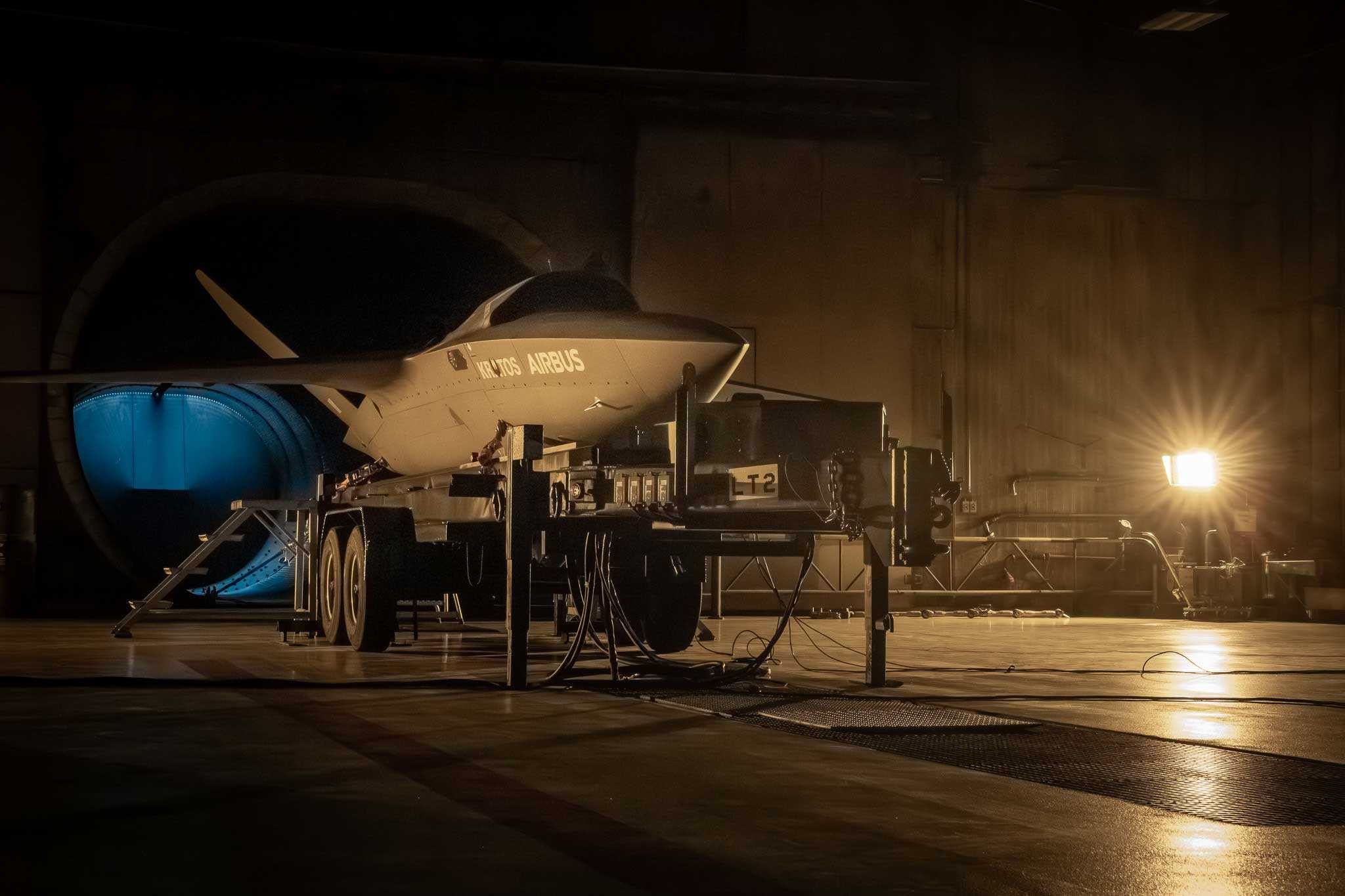
The ongoing development of unmanned combat aircraft is gaining increasing importance within modern air forces. Airbus is working intensively to provide the German Air Force with a fully operational system for unmanned cooperative combat aircraft by 2029. This project combines modern technologies and international partnerships, underscoring the importance of sovereignty and efficiency in European defense policy. At its core is the system, which for the first time is based on the Valkyrie drone – an unmanned aerial vehicle developed and integrated in cooperation with the US partner Kratos Defense & Security Solutions. Kratos plays a crucial role in the technical implementation of this innovative platform and is considered a key technology for the future of unmanned aerial vehicles.
The challenge of creating a safe, autonomous, yet effectively networked operational asset is the primary focus of the research and development work. The goal is to provide a platform capable of operating independently as well as under the command of manned aircraft, thereby significantly expanding the operational capabilities of the Air Force.
Technological innovation: MARS and MindShare
A key component of the project is the MARS system (Multiplatform Autonomous Reconfigurable and Secure) developed by Airbus. This sovereign European mission system is specifically designed to ensure flexibility, safety, and autonomy in unmanned aerial vehicles. MARS includes the AI-powered software component MindShare, which not only takes on the role of the missing pilot but also enables the coordinated control and communication of numerous aircraft in mission formations. This distributed intelligence represents a significant advancement for modern warfare, as it considerably improves operational capability in complex and dynamic scenarios.
The combination of Kratos’ proven Valkyrie platform and the MARS mission system thus creates a reliable and scalable solution that meets the requirements of the German and European air forces. The use of a flight-proven and production-ready drone type is a key factor that significantly reduces both development time and costs.
Airbus and Kratos: Strategic cooperation and operational potential
The partnership between Airbus and Kratos is a prime example of transatlantic cooperation in the field of defense technology. While Kratos is responsible for the technological development and series production of the Valkyrie, Airbus contributes its expertise in mission integration and sovereign strategies. Together, they aim to meet the German Armed Forces’ requirements for a state-of-the-art, cost-effective, and versatile combat system.
The system is intended to be produced and made available from the outset on a marketable scale, in order to increase operational effectiveness through potentially large quantities. The concept of “affordable mass” is of central importance here: it makes it possible to generate a quantitative advantage over potential adversaries through inexpensive and scalable units, which is often decisive in contemporary conflicts.
In parallel with these developments, the enhancement of manned aircraft, particularly the Eurofighter, is being pursued. The expansion of the Litening 5 Advanced Targeting Pod and avionics updates will enable its use as a command platform with improved networking capabilities. This optimizes the operational coordination of manned and unmanned systems within the framework of so-called manned-unmanned teaming operations, thereby increasing strategic flexibility and firepower.
Technical features and planned deployment roles
The Kratos Valkyrie is characterized by a combination of modern technical specifications that make it ideal for a wide range of mission profiles. With a length of 9.1 meters and a wingspan of 8.2 meters, it is comparatively compact, yet achieves a range of over 5,000 kilometers. Its maximum takeoff weight is approximately three tons, and it can reach altitudes of up to 45,000 feet (approximately 13,700 meters). Following its successful maiden flight in the USA in 2019, the platform has repeatedly demonstrated its airworthiness.
The German Air Force plans to equip the modified version of the Valkyrie with the sovereign MARS system, thus offering two fundamental control modes: fully autonomous operation and remote control and coordination by the Eurofighter. This will enable missions, particularly dangerous or complex ones, to be carried out without risk to the pilots.
The range of tasks encompasses both kinetic and non-kinetic measures. The initial focus of the collaboration is on providing effective and timely capabilities in combat situations, making a significant contribution to the air force. Further operational areas and mission types will be developed in the future, with the system’s expandability, thanks to the modular structure of MARS and the Valkyrie, playing a crucial role.
Outlook and significance for the European defense industry
These developments mark an important step towards an autonomous and cooperative air combat system that meets today’s security policy challenges. By combining state-of-the-art drone technology, innovative AI support, and a sovereign mission system, a powerful and flexible platform is created that is also economically sustainable.
The implementation of this technology not only strengthens the operational capabilities of the German Air Force, but also underscores Europe’s strategic autonomy in defense policy. The close cooperation between Airbus and Kratos combines transatlantic innovation with a European commitment to sovereignty, setting a precedent for the future development of joint technologies.
Furthermore, the integration of unmanned systems into the existing air combat infrastructure reveals new ways in which future conflicts can be conducted with improved personnel protection, increased effectiveness, and a broader operational spectrum. The intended operational capability by 2029 thus promises both technological advancements and practical added value for the security architecture.
Conclusion: Air defense of tomorrow
The project to introduce an unmanned cooperative combat aircraft system in Germany offers exciting insights into the future developments of military aviation. With a focus on intelligent autonomy, flexible deployment options, and cost-effective mass production, the participating companies are pursuing a clear strategy: to make tomorrow’s air defense more efficient, secure, and economical.
The technical design, with the Valkyrie as the platform and the MARS mission system at its core, forms a strong foundation for innovative operational concepts. Supplemented by improved networking of manned aircraft, the air force’s combat effectiveness increases significantly. This holistic approach demonstrates how state-of-the-art technology and sovereign systems can be combined to respond promptly and efficiently to the challenges of current and future conflicts.