Inhaltsverzeichnis
Introduction to sustainable energy supply at Munich Airport
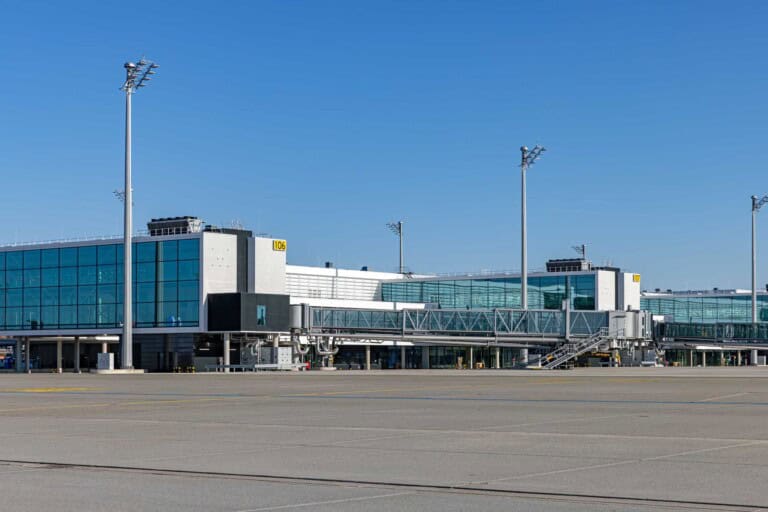
Munich Airport is taking a significant step in its sustainability strategy by signing a long-term electricity supply contract with energy producer RWE. This agreement guarantees that, starting in 2027, the airport will receive 40 million kilowatt-hours of green electricity annually from a newly constructed wind farm in the North Sea. This amount corresponds to the average annual consumption of approximately 12,000 households and represents a major step forward in the use of green energy in aviation infrastructure. The ten-year agreement provides long-term planning security and is a key component of the airport’s commitment to achieving climate neutrality by 2035.
Meaning and function of the Power Purchase Agreement (PPA)
Das von Flughafen München und RWE unterzeichnete Power Purchase Agreement ist nicht nur ein Vertrag über Stromlieferungen, sondern ein Instrument, das eine nachhaltige Energieversorgung garantiert. Der Strom stammt aus einem Offshore-Windpark, der rund 50 Kilometer nördlich der Insel Juist errichtet wird. Die Wahl eines derart großen Offshore-Projekts beruht auf dessen hoher Effizienz und Verlässlichkeit. Durch die Zusammenarbeit mit RWE wird sichergestellt, dass der Strom für den Betrieb der Flughafeninfrastruktur, einschließlich der Gebäude, Vorfelder und anderer wesentlicher Einrichtungen, aus erneuerbaren Energiequellen bezogen wird.
Wind power-based energy supply is a key factor in the success of the airport’s Net Zero 2035 climate strategy. The use of such power purchase agreements (PPAs) is a strategic approach to significantly reducing emissions. It is estimated that the annual electricity supply can save around 13,000 tons of carbon dioxide, thus considerably reducing the long-term environmental impact of airport operations. This type of electricity procurement strengthens the commitment to renewable energies and demonstrates how critical infrastructure can be successfully linked to climate protection goals.
Green electricity: Role of the wind farm and technological aspects
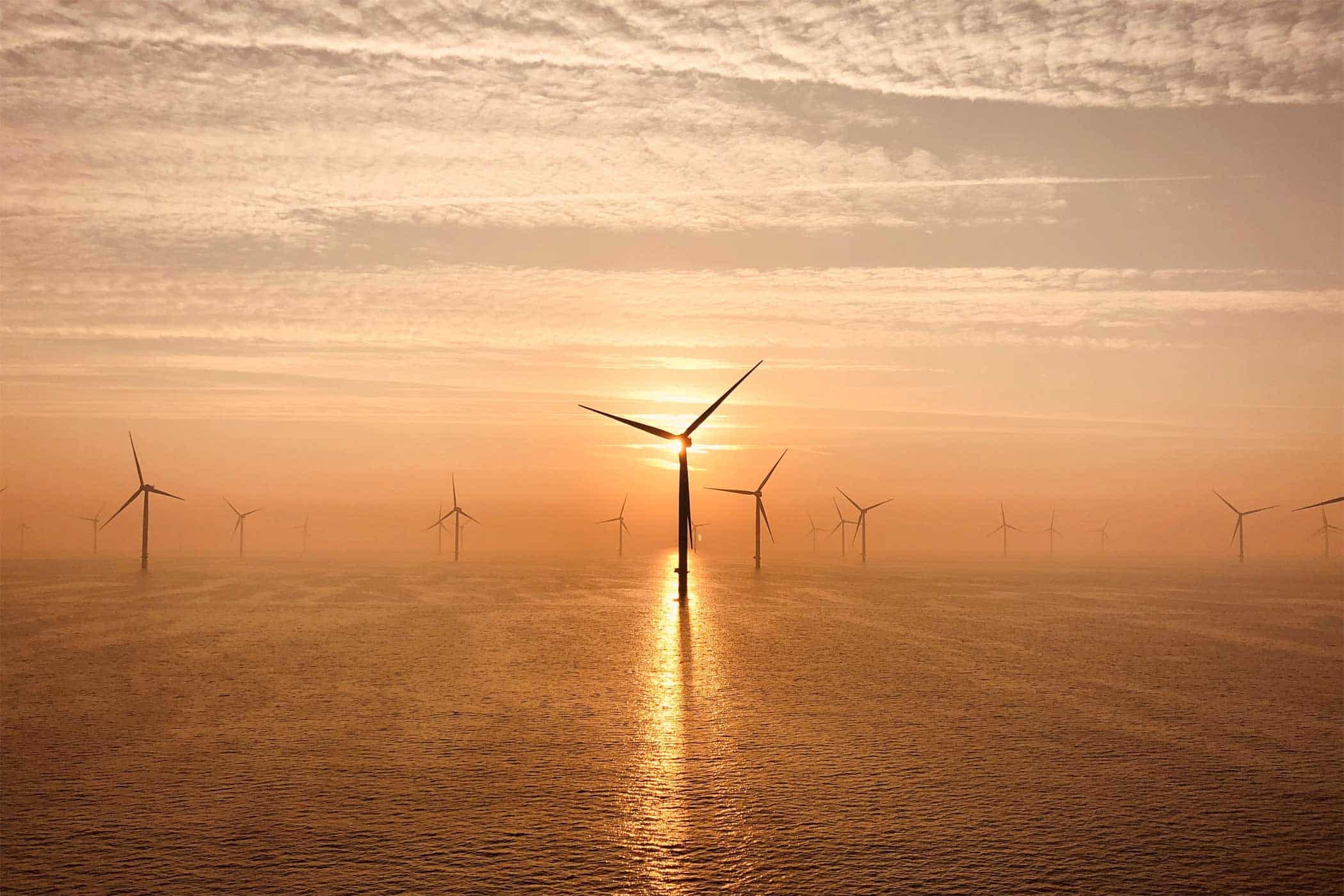
The North Sea wind farm is a prime example of modern offshore wind energy facilities. Its location, approximately 50 kilometers off the coast of Juist, takes advantage of optimal wind conditions for efficient power generation. The wind farm’s dimensions and technical equipment enable the production of forty gigawatt-hours of clean electricity annually. Offshore wind farms are fundamentally a pillar of the decarbonization of the energy sector, as they reliably supply large quantities of CO₂-free electricity. While their output is weather-dependent, it is nevertheless predictable thanks to modern technologies for load balancing and grid integration.
For Munich Airport, this means a secure and sustainable energy supply that can be firmly integrated into energy planning. The use of green electricity also minimizes the on-site use of fossil fuels, for example for heating, lighting, and the operation of electrical systems. This approach significantly supports the goals of a climate-friendly infrastructure and contributes to the transformation of the aviation industry towards greater environmental responsibility.
Strategic importance for the expansion of renewable energies in Germany
The long-term collaboration between Munich Airport and RWE demonstrates how key players in the transport and energy sectors can find common paths for the energy transition. The PPA is an example of forward-looking business models that promote the expansion of renewable energies while simultaneously ensuring a reliable electricity supply.
The Porsche example demonstrates how ambitious offshore projects, including those in the North Sea cluster, are crucial for achieving national climate targets. Such large-scale projects significantly increase the capacity for CO₂-free electricity, which is essential for the stability and future viability of Germany’s energy system. For companies and infrastructure facilities that require high availability and predictability, access to green electricity via power purchase agreements (PPAs) is also key to successful decarbonization.
Sustainability strategy “Net Zero 2035” and its implementation
Munich Airport has a clear sustainability goal: climate neutrality by 2035. A key element of this is the reduction of indirect and direct emissions, which includes switching to electricity from renewable sources. The agreement with RWE is a practical example of how concrete measures are being implemented to achieve these ambitious goals.
The concept encompasses not only the switch to green electricity, but also further measures such as increased energy efficiency, the expansion of climate-friendly mobility options, and the use of sustainable materials. Integrating renewable electricity generation into airport operations will make a significant contribution to reducing the airport’s environmental footprint.
Outlook and significance for the energy transition in Germany
With the official commissioning of the wind farm in 2027 and the reliable supply of large quantities of green electricity, the PPA represents a significant milestone. It opens up long-term prospects for Munich Airport to reduce CO₂ emissions and simultaneously strengthens the market position of renewable energy sources.
The partnership with RWE illustrates how collaborations between companies from different sectors can drive the energy transition. Offline clusters and other offshore initiatives increase capacity for sustainable energy supply while simultaneously guaranteeing grid stability. In this way, the combination of innovative technologies and strategic agreements is a driving force for addressing the upcoming challenges of decarbonization.
Conclusion: Climate-friendly future for the airport
The Power Purchase Agreement concluded between Munich Airport and RWE is a key building block for a climate-friendly future for the airport and a significant signal in Germany’s energy transition. The contractually guaranteed amount of green electricity from the offshore wind farm ensures a sustainable energy base for airport operations and makes a significant contribution to reducing greenhouse gas emissions. This long-term commitment guarantees security of supply and supports the achievement of climate targets.
Furthermore, the project illustrates how innovative sales models and partnerships strengthen the generation and use of renewable energies in Germany. The integration of green electricity into critical infrastructure exemplifies the transition to a sustainable and resilient energy supply, which is essential for the country’s future viability. Implementing such steps increasingly makes the vision of climate-neutral mobility and infrastructure a reality.
More about Munich Airport